

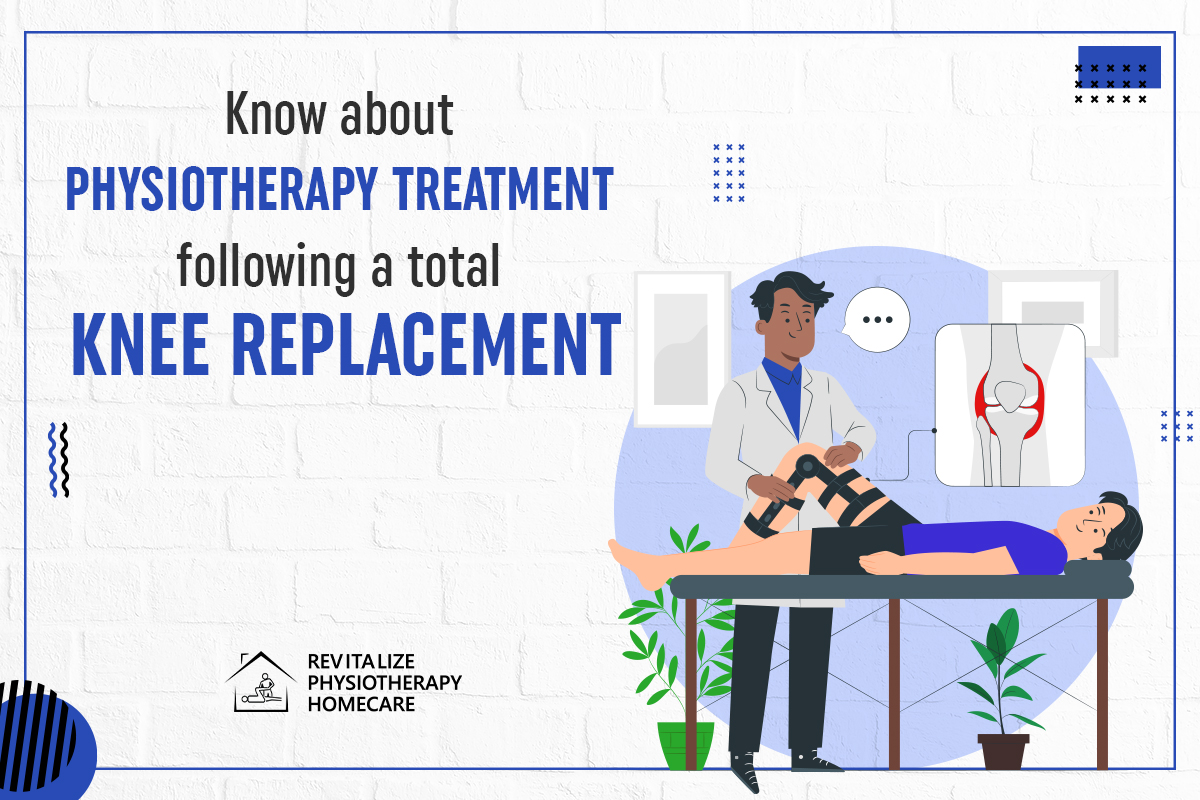
Whether for a career or physical fitness, hard work and pain are often necessary for improvement. No pain, no gain, as they say. Therefore, even if physical therapy hurts after total knee replacement surgery, it is still crucial for recovery.
Physical therapy enables you to gradually regain knee strength and mobility to get back to your regular routines. During surgery, your knee's worn-out, diseased, and damaged portions will be removed and replaced with prosthetic implants. However, the success of a knee replacement depends in large part on recovery and rehabilitation.
A successful physiotherapy centre Brampton can help your heal quicker.
Benefits of Physiotherapy After Total Knee Replacement
- Pain Relief: Physiotherapy can help to reduce pain and inflammation after total knee replacement surgery. This may be done through manual therapy, ice packs, or electrical stimulation.
- Improved Range of Motion: Physiotherapy exercises can help to improve the range of motion in your knee joint. This is important for being able to perform everyday activities such as walking, climbing stairs, and getting in and out of chairs.
- Strength Training: Physiotherapy can help to strengthen the muscles around your knee joint. This is important for supporting the joint and preventing re-injury.
- Balance and Coordination: Physiotherapy exercises can help to improve balance and coordination. This is important for preventing falls, which can be serious after total knee replacement surgery.
- Functional Activities: Physiotherapy can help you to return to your normal activities of daily living (ADLs). This may include exercises such as walking, climbing stairs, and getting in and out of chairs.
Conclusion
Physiotherapy is an important part of the recovery process after total knee replacement surgery. It can help you to regain range of motion, strength, and function in your knee joint. By following your physiotherapist's instructions, you can improve your chances of a successful recovery.
