
Surgical Reconstruction of Massive Rotator Cuff Tears
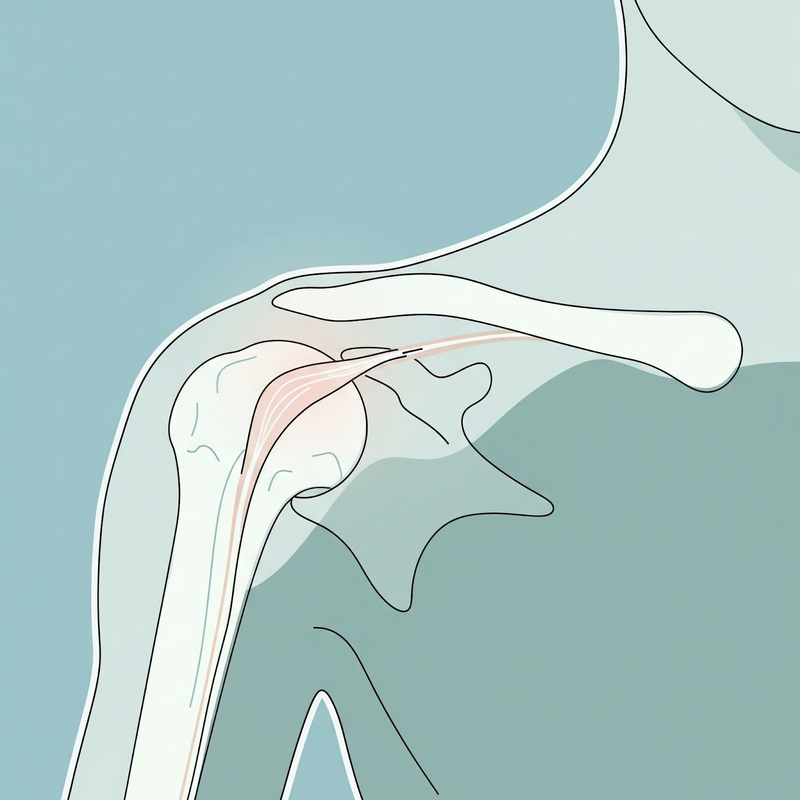
The rotator cuff, a group of four muscles and their tendons, plays a vital role in shoulder function. These muscles and tendons help stabilize the shoulder, rotate and lift the arm, and allow for a wide range of motion. A rotator cuff tear occurs when one or more of these tendons is torn. Rotator cuff tears are a common cause of shoulder pain and disability, especially in older adults. Tears can be caused by injury, overuse, or aging1. Massive rotator cuff tears (MRCTs) involve a significant defect in the rotator cuff, often with retraction of the tendon(s) away from their normal attachment site on the humerus (upper arm bone). MRCTs present unique challenges for surgical reconstruction due to the size of the tear, poor quality of the tendon tissue, and potential for complications2.
Definition and Classification of Massive Rotator Cuff Tears
While there is no single, universally accepted definition of a massive rotator cuff tear, several characteristics are commonly used to describe these tears. These include:
- Retraction of the tendons to the glenoid rim, as seen on coronal or axial plane imaging4.
- Exposure of ≥2/3 of the greater tuberosity on sagittal plane imaging4.
- Involvement of at least two tendons of the rotator cuff5.
It's important to note that these descriptions may have some interobserver variability depending on patient positioning and measurement techniques. Therefore, a comprehensive assessment considering all these characteristics is crucial for accurate classification and treatment planning4.
Surgical Options for Reconstructing Massive Rotator Cuff Tears
Surgical intervention is often necessary for MRCTs to alleviate pain, restore function, and improve patient outcomes. The surgical options can be broadly categorized as follows:
Tendon Transfers
Tendon transfers involve relocating a functional tendon and its associated muscle from one location to another to compensate for the irreparable damage to the rotator cuff. This procedure is often considered a salvage option when direct repair of the torn tendons is not feasible due to factors such as extensive tendon retraction, poor tissue quality, or muscle atrophy6. Tendon transfers are typically reserved for younger, more active individuals with higher functional demands who cannot undergo or have failed primary rotator cuff repair8. The goal of a tendon transfer is to restore shoulder strength and stability by replacing the function of the torn rotator cuff muscles. The most common tendon transfers for MRCTs are the latissimus dorsi transfer (LDTT) and the pectoralis major transfer (PMT)5.
Latissimus Dorsi Tendon Transfer (LDTT)
The latissimus dorsi is a large, flat muscle located in the back. It is often used to reconstruct posterosuperior rotator cuff tears, which involve the supraspinatus and infraspinatus tendons9. The LDTT procedure involves detaching the latissimus dorsi tendon from its original location and transferring it to the shoulder to repair the rotator cuff11. The latissimus dorsi muscle is well-suited for transfer due to its large surface area, strength, and good blood supply9. In some cases, the latissimus dorsi tendon may be reinforced with a human dermal collagen matrix to provide additional augmentation and improve the transfer's success12. An intact subscapularis tendon is essential for a successful LDTT13.
Pectoralis Major Tendon Transfer (PMT)
The pectoralis major is a large muscle located in the chest. It is often used to reconstruct anterosuperior rotator cuff tears, which involve the subscapularis and supraspinatus tendons14. The PMT procedure involves detaching a portion of the pectoralis major tendon and transferring it to the shoulder to repair the rotator cuff16. The pectoralis major muscle is a good option for transfer because it has a broad tendon and can provide good strength and stability to the shoulder14. During PMT, a modified Mason-Allen technique may be used for suture placement to secure the transferred tendon15.
Lower One-Third Trapezius Transfer
The lower one-third trapezius transfer is another option for reconstructing massive, non-repairable rotator cuff tears, particularly those involving the supraspinatus, infraspinatus, and teres minor. This technique can help restore both external rotation and forward flexion of the shoulder8.
Combined Pectoralis Major and Teres Major Tendon Transfer
In some cases of irreparable anterosuperior rotator cuff tears, a combined transfer of the pectoralis major and teres major tendons may be performed. This approach aims to better replicate the function of the subscapularis muscle5.
Patch Grafts
Patch grafts are used to augment the repair of MRCTs, particularly in cases where the tendon tissue is of poor quality or when a complete repair cannot be achieved17. The patch graft provides a scaffold for tissue healing and can help to improve the strength and integrity of the repair19. Patch grafts can be made from a variety of materials, as summarized in the table below:
| Graft Type | Source | Advantages | Disadvantages |
|---|---|---|---|
| Allograft | Cadaver donor | readily available, good biocompatibility | potential for disease transmission, immune response |
| Xenograft | Animal tissue (e.g., pig) | good mechanical strength | potential for immune response, ethical concerns |
| Synthetic | Man-made materials | customizable properties, no disease transmission risk | potential for foreign body reaction, long-term durability concerns |
The choice of graft material depends on several factors, including the size and location of the tear, the patient's age and activity level, and surgeon preference17. Biologics such as platelet-rich plasma (PRP) and bone marrow aspirate (BMA) may be used to enhance the integration and performance of patch grafts17. While patch augmentation has been shown to reduce re-tear rates, it may not necessarily translate to better clinical outcomes for patients18.
Superior Capsular Reconstruction (SCR)
Superior capsular reconstruction (SCR) is a newer technique that aims to address the superior instability of the glenohumeral joint often seen in massive rotator cuff tears. This procedure involves reconstructing the superior capsule of the shoulder joint using a graft, which can be made from various materials, including fascia lata autograft or allograft, dermal allograft, or even the patient's own long head of the biceps tendon (LHBT)2. SCR helps to restore stability and prevent superior migration of the humeral head, which can lead to pain, dysfunction, and arthritis22.
Other Surgical Options
In addition to tendon transfers, patch grafts, and SCR, other surgical options for managing massive rotator cuff tears include:
- Arthroscopic Subacromial Decompression, Debridement, and Biceps Tenotomy: This minimally invasive procedure involves removing bone spurs and inflamed tissue to create more space for the rotator cuff tendons. It is often considered for patients with less demanding functional needs, where pain relief is the primary goal2.
- InSpace Balloon Procedure: This technique involves inserting a biodegradable balloon spacer into the shoulder joint to restore biomechanics and provide pain relief. The balloon stays inflated for 6 to 12 months, allowing the patient to complete rehabilitation2.
- Reverse Shoulder Arthroplasty: This procedure is considered for older patients with cuff arthropathy, a condition where a massive rotator cuff tear is associated with arthritis of the shoulder joint. It involves replacing the damaged joint with a prosthesis2.
Alternatives to Surgery
Non-surgical treatment options may be considered for some patients with massive rotator cuff tears, particularly those with lower functional demands or who are not suitable candidates for surgery. These options include:
- Physical therapy: Focuses on strengthening the surrounding shoulder muscles to compensate for the torn rotator cuff.
- Activity modification: Involves avoiding activities that exacerbate pain and limit overhead movements.
- Steroid injections: Can provide temporary pain relief and reduce inflammation3.
Factors Influencing Surgical Decision-Making
The decision of which surgical technique to use for MRCT reconstruction is complex and depends on several factors, including:
Patient Factors
- Age: Younger patients tend to have better healing potential and may be more suitable for tendon transfers, which require a longer rehabilitation period. Older patients may be better candidates for less invasive procedures or joint replacement if arthritis is present4.
- Activity Level and Functional Demands: Patients with higher functional demands, such as athletes or those with physically demanding jobs, may benefit from tendon transfers to restore strength and stability. Patients with lower functional demands may be satisfied with less invasive procedures like debridement or patch grafts23.
- Overall Health: Patients with underlying medical conditions, such as diabetes or obesity, may have increased risks of complications and slower healing24.
- Patient Expectations: Understanding the patient's expectations for pain relief, functional recovery, and rehabilitation is crucial for shared decision-making and ensuring patient satisfaction24.
Tear Characteristics
- Size and Location of the Tear: Larger tears and those involving multiple tendons are more challenging to repair and may require more complex procedures like tendon transfers or patch grafts26.
- Chronicity of the Tear: Acute tears (recent injuries) are often easier to repair than chronic tears (long-standing injuries) due to less muscle atrophy and tendon retraction4.
- Degree of Tendon Retraction, Muscle Atrophy, and Fatty Infiltration: Significant retraction, atrophy, and fatty degeneration of the rotator cuff muscles can make primary repair difficult or impossible, leading to consideration of tendon transfers or other reconstructive options4.
- Imaging Findings: Preoperative imaging, such as MRI, can help assess the size and location of the tear, the degree of tendon retraction, muscle quality, and the presence of other factors like the tangent sign (an indicator of atrophy) and acromiohumeral distance (which can indicate superior migration of the humeral head). These findings can aid in surgical planning and determining the likelihood of successful repair4.
Surgeon Factors
- Experience and Familiarity with Different Surgical Techniques: The surgeon's expertise and comfort level with various procedures will influence the choice of surgical approach1.
Other Factors
- Type of Tear: Acute tears, chronic tears, and acute-on-chronic tears have different implications for treatment and prognosis4.
- Physiological Age: This refers to the patient's functional capacity and activity demands, which may not always align with their chronological age. A younger individual with a sedentary lifestyle may have different needs and expectations compared to an older individual who is very active4.
- Critical Shoulder Angle: This anatomical factor has been identified as a risk factor for rotator cuff tears and may influence treatment decisions26.
It's important to emphasize that the choice between different surgical techniques for massive rotator cuff tears is often a complex one that requires careful consideration of various factors, and there is no single "best" option for all patients4.
Outcomes of Surgical Procedures
The outcomes of surgical procedures for MRCTs vary depending on the chosen technique and patient factors. In general, most patients report improved shoulder strength, reduced pain, and increased range of motion after surgery1. However, it is important to note that complete recovery of strength and full function is not always achievable, especially with massive tears6. Even with advanced surgical techniques, complete restoration of normal shoulder function may not be possible in cases of massive rotator cuff tears6.
Studies comparing the outcomes of different surgical techniques for MRCTs have shown mixed results. Some studies suggest that patch augmentation may lead to better short-term outcomes, while others have found no significant differences between patch augmentation and primary repair20. One study on LDTT reported a mean improvement of 24.2% in the Constant score, a measure of shoulder function, after surgery13. Tendon transfers have been shown to be effective in improving pain and function in young patients with irreparable rotator cuff tears, but they require a longer rehabilitation period and may have a higher risk of complications5.
Factors that can decrease the likelihood of a satisfactory surgical outcome include:
- Poor tendon/tissue quality 1
- Large or massive tears 1
- Patient age (older than 65 years) 1
- Smoking and use of other nicotine products 1
- Workers' compensation claims 1
- Non-compliance with rehabilitation and postoperative activity restrictions 1
Potential Complications and Risks
All surgical procedures for MRCTs carry potential complications and risks. These include:
-
General Complications:
-
Infection 7
- Stiffness 1
- Nerve injury 7
-
Tendon Transfer-Specific Complications:
-
Failure of the tendon transfer to heal or rupture of the transferred tendon 6
- Deltoid detachment (LDTT) 29
- Biceps muscle weakness (PMT) 14
- Decreased active forward elevation (LDTT) 9
-
Patch Graft-Specific Complications:
-
Immune responses 30
- Infection 30
- Graft failure 31
-
Other Complications:
-
Tendon re-tear 1
- Postoperative hematoma (PMT) 15
- Cuff tear arthropathy (PMT) 15
Rehabilitation Process
The rehabilitation process following surgery for MRCTs is crucial for optimal recovery and requires patient compliance and dedication32. The rehabilitation protocol will vary depending on the surgical technique used and the individual patient's needs34. In general, rehabilitation involves the following phases:
-
Initial Phase (0-6 weeks):
-
Immobilization in an abduction sling or gunslinger orthosis to protect the repair and promote healing35.
- Pain management with medications and ice or cold packs33.
- Gentle, passive range of motion exercises for the elbow, wrist, hand, and neck35.
- Pendulum exercises35.
- Aqua therapy may be introduced in the second to sixth week35.
- Avoidance of activities like pushing, pulling, excessive shoulder extension, and lifting heavy objects35.
-
Intermediate Phase (6-12 weeks):
-
Gradual progression to active-assisted and active range of motion exercises.
- Initiation of strengthening exercises.
-
Advanced Phase (12+ weeks):
-
Continued strengthening and functional exercises.
- Gradual return to activities, with restrictions on overhead activities and heavy lifting.
The criteria for progressing from one phase of rehabilitation to the next include pain-free passive motion, achieving specific ranges of motion in different planes, and adequate muscle strength35. It's important to adhere to the surgeon's instructions and rehabilitation protocol for optimal recovery36. Patients with jobs involving heavy manual labor or overhead activities may need to consider making changes to their job to avoid re-injury33.
During the initial phase of rehabilitation, a nerve block may be used during surgery to manage pain34. It's crucial to protect the arm while it is numb after surgery to prevent accidental injury34.
Conclusion
Massive rotator cuff tears are complex injuries that present significant challenges for surgical reconstruction. While various surgical techniques, including tendon transfers and patch grafts, offer promising solutions for restoring shoulder function and alleviating pain, the ideal treatment approach remains a subject of ongoing discussion and research. The decision-making process involves careful consideration of patient factors, tear characteristics, surgeon experience, and the potential benefits and risks of each procedure. Even with advanced surgical techniques, complete restoration of normal shoulder function may not be possible in all cases. The rehabilitation process following surgery is a long and demanding one that requires patient compliance and dedication to achieve optimal outcomes. Further research is needed to compare the long-term outcomes of different surgical techniques and to develop more effective strategies for managing these challenging injuries.
Works cited
1. Rotator Cuff Tears: Surgical Treatment Options - OrthoInfo - AAOS, accessed February 17, 2025, https://orthoinfo.aaos.org/en/treatment/rotator-cuff-tears-surgical-treatment-options/
2. Massive Cuff Tears | ShoulderDoc, accessed February 17, 2025, https://www.shoulderdoc.co.uk/article/1378
3. Massive Rotator Cuff Tear Treatment Options Los Angeles, accessed February 17, 2025, https://www.drpetrigliano.com/shoulder-injuries/massive-rotator-cuff-tear-treatment-options-los-angeles/
4. Massive rotator cuff tears: algorithmic approach to surgical treatment - Annals of Joint, accessed February 17, 2025, https://aoj.amegroups.org/article/view/8149/html
5. Tendon Transfers | Failed Rotator Cuff Repair | Vail, CO - Peter Millett, MD, accessed February 17, 2025, https://drmillett.com/tendon-transfers-for-failed-rotator-cuff-repair/
6. Tendon Transfer for Massive Rotator Cuff Tears - Dr James McLean, accessed February 17, 2025, https://jmclean.com.au/shoulder/tendon-transfer-for-massive-rotator-cuff-tears/
7. Tendon Transfer Procedures - ShoulderDoc, accessed February 17, 2025, https://www.shoulderdoc.co.uk/article/1380
8. Tendon Transfers for Irreparable Rotator Cuff Tears - OrthoVirginia, accessed February 17, 2025, https://www.orthovirginia.com/blog/tendon-transfers-for-irreparable-rotator-cuff-tears/
9. Latissimus Dorsi Tendon Transfer Milwaukee| Irreparable Rotator Cuff Tears Waukesha - Orthopaedic Associates of Wisconsin, accessed February 17, 2025, https://www.orthowisconsin.com/latissimus-dorsi-tendon-transfer-orthopaedic-surgeon-wisconsin.html
10. Shoulder - Latissimus Dorsi Tendon Transfer for Irreparable Rotatoc Cuff Tear Standard of Care - Brigham and Women's Hospital, accessed February 17, 2025, https://www.brighamandwomens.org/assets/BWH/patients-and-families/rehabilitation-services/pdfs/shoulder-latissimus-dorsi-tendon-transfer-standard-of-care.pdf
11. Video: Tendon transfer to repair rotator cuff - Mayo Clinic, accessed February 17, 2025, https://www.mayoclinic.org/diseases-conditions/rotator-cuff-injury/multimedia/rotator-cuff-tendon-transfer-video/vid-20086844
12. Latissimus Dorsi Tendon Transfer With Acromial Osteotomy for Massive Irreparable Rotator Cuff Tear - PMC, accessed February 17, 2025, https://pmc.ncbi.nlm.nih.gov/articles/PMC5850886/
13. Latissimus dorsi transfer for treatment of irreparable rotator cuff tears - PMC, accessed February 17, 2025, https://pmc.ncbi.nlm.nih.gov/articles/PMC2989083/
14. Pectoralis Major Tendon Transfer Elgin, Rockford | Rotator Cuff Tears Crystal Lake, accessed February 17, 2025, https://www.vanthielmd.com/pectoralis-major-tendon-transfer-orthopedic-surgeon-elgin-rockford-crystal-lake-il/
15. Pectoralis major transfer for the treatment of irreparable anterosuperior rotator cuff tears, accessed February 17, 2025, https://pmc.ncbi.nlm.nih.gov/articles/PMC2903163/
16. Pectoralis Major Tendon Transfer for Subscapularis Arthroscopic Repair - Steven Chudik MD, accessed February 17, 2025, /images/press/uploads/2019/11/Chicago-shoulder-surgeon_Dr.-Steven-Chudik_arthroscopic-shoulder-surgery_Pectoralis-Major-Tendon-Transfer-for-Subscapularis-Repair.pdf
17. Patch Augmentation and Patch Extension for Complex Rotator Cuff Tears - Dr. Brian Cole, accessed February 17, 2025, https://www.briancolemd.com/wp-content/themes/ypo-theme/pdf/patch-augmentation-and-extension-for-complex-rotator-cuff-tears-2018.pdf
18. Patch augmentation in patients with large to massive rotator cuff tear - PMC, accessed February 17, 2025, https://pmc.ncbi.nlm.nih.gov/articles/PMC10030986/
19. Rotator Cuff Repair With Patch Augmentation: What Do We Know? - PMC, accessed February 17, 2025, https://pmc.ncbi.nlm.nih.gov/articles/PMC9702027/
20. A Comparison of Clinical Outcomes in Rotator Cuff Re-Tear Patients Who Had Either an Arthroscopic Primary Repair or Arthroscopic Patch Augmentation for Large-to-Massive Rotator Cuff Tears - MDPI, accessed February 17, 2025, https://www.mdpi.com/2075-4418/13/11/1961
21. Tendon transfers for massive rotator cuff tears - PMC - PubMed Central, accessed February 17, 2025, https://pmc.ncbi.nlm.nih.gov/articles/PMC9257732/
22. Reinforcement Techniques in Arthroscopic Repair of Large-to-Massive Rotator Cuff Tears: A Comparative Study of Superior Capsule Reconstruction and Patch Graft Augmentation - MDPI, accessed February 17, 2025, https://www.mdpi.com/2077-0383/13/8/2276
23. Factors Associated with Choice for Surgery in Newly Symptomatic Degenerative Rotator Cuff Tears: A Prospective Cohort Evaluation, accessed February 17, 2025, https://pmc.ncbi.nlm.nih.gov/articles/PMC7197028/
24. What influences the decision to undergo rotator cuff repair surgery: A survey of clinician's perspectives, accessed February 17, 2025, https://pmc.ncbi.nlm.nih.gov/articles/PMC11559883/
25. Prognostic Factors for Successful Recovery After Arthroscopic Rotator Cuff Repair: A Systematic Literature Review | Journal of Orthopaedic & Sports Physical Therapy, accessed February 17, 2025, https://www.jospt.org/doi/10.2519/jospt.2014.4832
26. Rotator Cuff Tear Surgery and treatment in San Diego, accessed February 17, 2025, https://orthopedicsurgerysandiego.com/rotator-cuff-tear/
27. Surgical management for massive rotator cuff tears: a network meta-analysis of randomized controlled trials | Burns & Trauma | Oxford Academic, accessed February 17, 2025, https://academic.oup.com/burnstrauma/article/doi/10.1093/burnst/tkad052/7604423
28. Rotator Cuff Repair | Johns Hopkins Medicine, accessed February 17, 2025, https://www.hopkinsmedicine.org/health/treatment-tests-and-therapies/rotator-cuff-repair
29. Tendon transfers for irreparable rotator cuff tears - PMC, accessed February 17, 2025, https://pmc.ncbi.nlm.nih.gov/articles/PMC8079430/
30. Patch Augmentation in Arthroscopic Rotator Cuff Surgery—Review of Current Evidence and Newest Trends - MDPI, accessed February 17, 2025, https://www.mdpi.com/2077-0383/13/17/5066
31. Postoperative MRI of Massive Rotator Cuff Tears, accessed February 17, 2025, https://ajronline.org/doi/pdf/10.2214/AJR.17.19281
32. Rotator Cuff Surgery: Procedure & Recovery | Mass General Brigham, accessed February 17, 2025, https://www.massgeneralbrigham.org/en/patient-care/services-and-specialties/sports-medicine/conditions/shoulder/rotator-cuff-injuries/rotator-cuff-surgery
33. Rotator Cuff Repair: What to Expect at Home - MyHealth Alberta, accessed February 17, 2025, https://myhealth.alberta.ca/Health/aftercareinformation/pages/conditions.aspx?hwid=ug3498
34. Rotator cuff repair: after surgery care - University Hospital Southampton, accessed February 17, 2025, https://www.uhs.nhs.uk/departments/trauma-and-orthopaedics/shoulders/patient-information/rotator-cuff-repair/rotator-cuff-repair-after-surgery-care
35. Rehabilitation after Rotator Cuff Repair - PMC, accessed February 17, 2025, https://pmc.ncbi.nlm.nih.gov/articles/PMC5366376/
36. Rotator Cuff Surgery: How it Works, Recovery Time - HSS, accessed February 17, 2025, https://www.hss.edu/conditions_torn-rotator-cuff-surgery.asp
