
De Quervain's Tenosynovitis: A Comprehensive Review of Diagnosis and Treatment
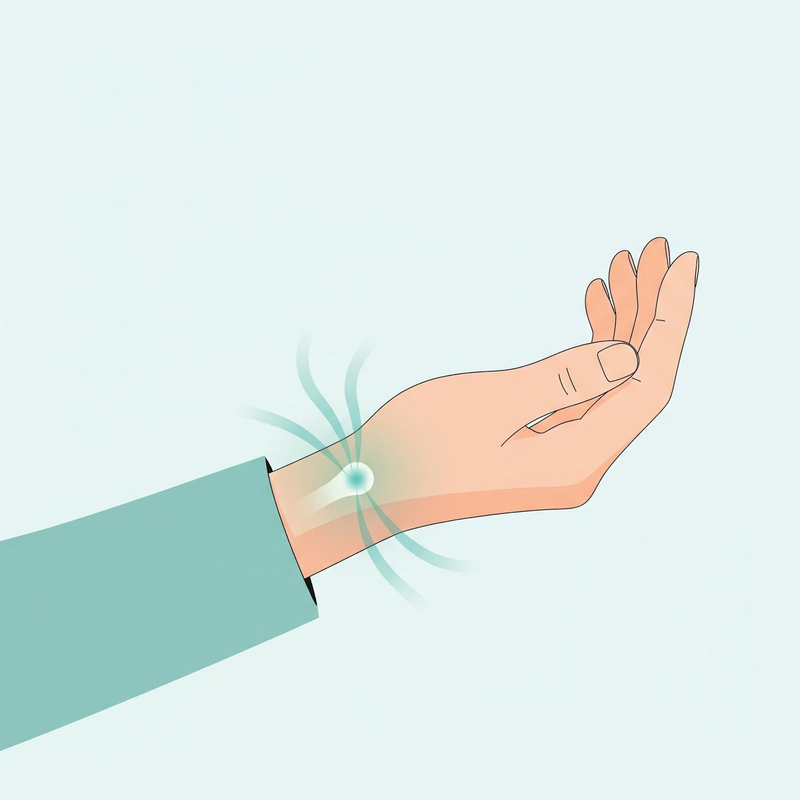
De Quervain's tenosynovitis, with a prevalence of 0.5% in men and 1.3% in women 1, is a common condition characterized by pain and inflammation of the tendons on the thumb side of the wrist. Specifically, it affects the abductor pollicis longus (APL) and the extensor pollicis brevis (EPB) tendons 2. These tendons control thumb movement and are located at the radial styloid process, where they pass through a fibrous tunnel or sheath 2. De Quervain's tenosynovitis arises when these tendons become constricted within their sheath, leading to pain, swelling, and impaired hand function. This condition commonly affects women between 30 and 50 years old 4, and while it can be associated with repetitive stress, pregnancy, or rheumatoid arthritis, it often appears spontaneously 4. The economic burden of this condition is significant, with the operating room cost alone per case estimated at $8,275 1. This comprehensive review will delve into the diagnosis and treatment of de Quervain's tenosynovitis, encompassing both conservative management and surgical intervention.
Causes and Symptoms
Causes
De Quervain's tenosynovitis typically stems from chronic overuse of the wrist, with repetitive movements causing irritation and inflammation of the tendons and their sheaths 2. Activities that frequently involve gripping or pinching, such as lifting a child, using hand tools, gardening, or playing racquet sports, can contribute to its development 6. Other potential causes include direct injury to the wrist, rheumatoid arthritis, fluid retention during pregnancy 8, breastfeeding 2, and even a previous distal radius fracture 9. It is most common in people in their 40s and 50s and affects more women than men 2.
Symptoms
The hallmark symptom of de Quervain's tenosynovitis is pain on the thumb side of the wrist, which may radiate up the forearm 2. This pain may appear gradually or suddenly 2, starting in the wrist and potentially traveling up the forearm 2. It is usually worse when the hand and thumb are in use, especially when forcefully grasping and/or lifting objects or twisting the wrist 2. If the condition goes untreated, the pain may spread further into the thumb or forearm 8. Swelling near the base of the thumb is also common and may be accompanied by a fluid-filled cyst 2. Patients may also experience difficulty moving the thumb and wrist, a "sticking" sensation in the thumb 8, numbness along the thumb and index finger, and sometimes into the forearm 10. In some cases, there may be a catching or snapping sensation when moving the thumb 2. If excessive pressure is applied to the thumb tendons after symptoms appear, the tendon sheath can burst, or the tendon may tear 7.
Diagnosis
Diagnosis of de Quervain's tenosynovitis primarily relies on a physical examination 11. Physicians typically assess for pain and swelling by applying pressure to the thumb side of the wrist 12. A key diagnostic maneuver is the Finkelstein test, which involves bending the thumb across the palm and then bending the wrist toward the little finger 4. Pain elicited during this maneuver strongly suggests de Quervain's tenosynovitis 13. Another test used is the Finkelstein/Eichhoff test, in which the patient bends their thumb across the palm of their hand and bends their fingers down over their thumb, then bends their wrist toward their little finger 2. If this causes pain on the thumb side of the wrist, it indicates de Quervain's tenosynovitis. Early diagnosis is important for a full recovery 14. While imaging tests like X-rays are usually unnecessary, a musculoskeletal ultrasound may be used to visualize the soft tissues and confirm the diagnosis 10.
Conservative Management
Conservative management is the first-line treatment for de Quervain's tenosynovitis, aiming to reduce inflammation and pain while preserving thumb and wrist mobility 13. These non-surgical approaches often prove effective, especially when initiated early in the course of the condition 13. Unfortunately, 30-50% of patients who recover from De Quervain's with rest and therapy or steroid injections will experience it again within 3-6 months of recovery 15. The following are some of the conservative treatment options:
- Splinting and Rest: Immobilizing the thumb and wrist with a splint or brace is a cornerstone of conservative treatment 10. This helps rest the tendons and reduce strain on the affected area. Forearm braces that include the thumb may be used to reduce ulnar deviation and thumb movement 16. Splints are typically recommended for 4 to 6 weeks, though the duration and frequency of use may vary depending on individual needs and physician preferences 16.
- Medications: Non-steroidal anti-inflammatory drugs (NSAIDs), such as ibuprofen and naproxen, can help alleviate pain and swelling 10. Corticosteroid injections into the tendon sheath are another effective option, providing pain relief and reducing inflammation 13. While steroid injections can be highly effective, with some patients experiencing complete recovery after a single injection, their benefits may be temporary or incomplete in some cases 4. Risks of steroid injections include infection, a "steroid flare reaction" (increased pain and swelling for a day or two after the injection), and thinning and lightening of the skin 15. Diabetics should be aware that blood sugar control can be elevated for a few days afterward, and multiple injections should be avoided as they can cause weakening of the soft tissues over time 17.
- Activity Modification: Avoiding activities that exacerbate symptoms is crucial. This may involve modifying work tasks, adjusting hand positions during activities, or taking frequent breaks from repetitive movements 16.
- Ice Application: Applying ice packs to the affected area can help reduce pain and swelling 18.
- Physical Therapy: Physical therapy can play a role in managing de Quervain's tenosynovitis. Therapists may provide guidance on proper wrist mechanics, recommend exercises to strengthen muscles and improve range of motion, and offer strategies to minimize stress on the wrist 13.
- Therapeutic Ultrasound: Therapeutic ultrasound may be used to help control pain and promote healing 16.
- Extracorporeal Shockwave Therapy: This is a relatively new treatment option that has shown promise in relieving pain 19.
- KT Tape: KT tape can be used to provide support and reduce pain 14.
Surgical Release
When conservative measures fail to provide adequate relief, or when symptoms are severe, surgical intervention may be necessary 2. The primary goal of surgery is to release the constricted tendon sheath, creating more space for the tendons to glide smoothly 4. The decision to move forward with surgery is often due to refractory pain, worsening pain, or poor quality of life/interference with work or activities 1.
Surgical Procedure
De Quervain's release surgery is typically performed as an outpatient procedure under local anesthesia 20. There are various surgical techniques for de Quervain's, each with potential advantages and disadvantages:
- Open Release: This involves making a skin incision, which can be longitudinal, transverse, lazy "S", or at a specific angle 21. A longitudinal incision may reduce the risk of complications such as superficial radial nerve injury, vein injury, and scar hypertrophy 21.
- Endoscopic Release: This minimally invasive technique involves smaller incisions and may result in quicker symptom improvement, better scar cosmesis, and a lower incidence of radial sensory nerve injury 22.
Regardless of the technique used, the surgeon makes an incision on the thumb side of the wrist, carefully identifies and protects nearby nerves, and then opens the tendon sheath to relieve pressure 2. The surgeon will also identify and release the subcompartment that separates the EPB and APL tendons, which is present in about 40% of the population 24. Any excess tissue or thickened synovium around the tendons may also be removed 2. In some cases, a brachioradialis flap or extensor retinaculum reconstruction may be necessary to treat tendon subluxation 25. The incision is then closed with sutures, and a bandage or splint is applied 2. The WALANT (wide-awake local anesthesia no tourniquet) technique can be used for surgical release, potentially offering cost savings and faster recovery 22.
Recovery and Potential Complications
Following surgery, patients typically experience some soreness and swelling, which gradually subsides over a few weeks 26. Most individuals can return to light activities within a few days, but it may take 6 to 12 weeks for complete healing and a return to full hand function 26. Early thumb movement is often encouraged to prevent stiffness 28. Patients may need to wear a splint on their hand for 1 to 4 weeks after surgery 26. If the job requires repetitive hand or wrist movements, pressure on the hand or wrist, or lifting, more time off work may be needed 26.
While generally safe and effective, de Quervain's release surgery carries potential complications, including:
- Numbness: Temporary numbness or tingling near the incision site is possible due to the proximity of sensory nerves 17.
- Scar Tenderness: Some patients may experience tenderness along the surgical scar 29.
- Tendon Subluxation: In rare cases, the tendons may move out of place after conventional surgery, causing a snapping sensation and potentially requiring revision surgery 25.
- Infection: As with any surgical procedure, there is a risk of infection 29.
- Scar Tissue Formation: Scar tissue may form around the incision, potentially affecting hand function 31.
- Complex Regional Pain Syndrome: This is a rare but serious complication that can cause severe pain, stiffness, and swelling in the hand 31.
- Delayed Wound Healing: In some cases, the surgical wound may take longer to heal 30.
Patients with diabetes may be less successfully treated with injections and are more likely to have a surgical complication, such as infection or wound healing problems 32.
It is important to keep the surgical incision clean and dry, eat a healthy diet, and avoid smoking to promote healing 18. Patients should follow their doctor's instructions regarding showering, bathing, and other activities that may affect the incision.
Long-term outcomes of surgical treatment are generally positive. One study with an average follow-up of 3 years found a 91% cure rate, with 88% of patients indicating full satisfaction 33. Another study with a longer follow-up (average 15.7 years) found that all patients had complete relief of symptoms and returned to their normal daily activities after surgery 30.
Rehabilitation Management
Rehabilitation after surgery or conservative treatment may include:
- Ice/Heat Packs: Heat can help relax and loosen tight muscles, and ice can be used to help relieve inflammation of the extensor sheath 16.
- Strengthening Exercises: These exercises help to regain strength and range of motion in the wrist and thumb. Examples include eccentric wrist extension, eccentric wrist flexion, and eccentric wrist radial deviation 16.
- Radial Nerve Glides: These exercises help to improve the mobility of the radial nerve, which can be affected by de Quervain's tenosynovitis 16.
- Mobilization with Movement: This technique involves manual mobilization of the wrist bones combined with active thumb movements to decrease pain, improve range of motion, and improve function 16.
- Taping: Taping can be used to decrease pain and improve function 16.
Comparing Conservative and Surgical Treatment
Several studies have compared the effectiveness of conservative and surgical treatments for de Quervain's tenosynovitis. A systematic review and meta-analysis of 21 studies found that surgical release was highly effective, with only 5% of patients experiencing residual pain after surgery 24. The review also noted an 11% complication rate associated with surgery 24. The type of surgery and incision did not affect the outcome or complication rate 24.
Conservative management, particularly corticosteroid injections, has also shown promising results. A meta-analysis of 5 randomized controlled trials concluded that corticosteroid injections were superior to other non-operative methods, such as splinting, placebo injections, and acupuncture, in relieving symptoms and improving function 22. Splinting alone is less effective than corticosteroid injection 34.
The choice between conservative and surgical treatment depends on various factors, including the severity of symptoms, patient preferences, and response to initial conservative measures. In general, conservative management is preferred as the initial approach, with surgery reserved for cases that do not respond to non-surgical options 34. Factors that might influence a physician's decision to recommend surgery include patient age, occupation, activity level, and the presence of anatomical variations such as a septum in the first extensor compartment 24. While corticosteroid injections can be very effective, their benefits may be temporary, and some patients may require surgery eventually 1.
Studies have shown a trend of surgeons administering fewer injections before surgery 1. This may be due to several factors, including the transient nature of injection benefits, the availability of alternative treatment options like extracorporeal shockwave therapy, and the increasing popularity of the WALANT procedure, which is a more cost-effective and less invasive surgical option 1.
In one study of 55,062 patients with de Quervain's tenosynovitis, 54.5% received neither injections nor surgery, 31.6% received injections only, 8.4% underwent surgery only, and 5.5% had injections preceding surgery 1.
Patient Perspectives
Patient experiences with de Quervain's tenosynovitis treatment vary. One case report described a patient who developed de Quervain's syndrome after a distal radius fracture 9. Conservative treatment, including pain medication and immobilization, initially provided relief, but the patient's symptoms returned after two months 35. Subsequent surgical release of the first dorsal compartment successfully alleviated the patient's pain and allowed them to return to work without discomfort 35.
Another study reviewed patient satisfaction and outcomes after surgery for de Quervain's tenosynovitis 33. With an average follow-up of 3 years, the study found a 91% cure rate, with 88% of patients expressing full satisfaction 33. Notably, patient dissatisfaction was significantly associated with long-term complications after surgery 33.
Prevention
Preventing de Quervain's tenosynovitis involves minimizing strain and overuse of the thumb and wrist. Some preventive measures include:
- Proper Body Ergonomics: Maintaining proper posture and hand positioning during activities can reduce stress on the wrist 14.
- Exercises: Regular stretching and strengthening exercises for the thumb and wrist can help prevent injury 14.
- Activity Modification: Avoiding or modifying activities that involve repetitive hand and wrist motions can reduce the risk of developing de Quervain's tenosynovitis 7.
- Protective Equipment: Using appropriate protective equipment for sports and work activities can help prevent injuries to the wrist 7.
- Gradual Increase in Activity: When starting new exercises or activities, it's important to gradually increase the intensity and duration to avoid overloading the tendons 7.
- Rest and Recovery: Taking breaks during repetitive tasks and allowing adequate rest and recovery after intense activity can help prevent overuse injuries 7.
- Listen to Your Body: If you experience pain in your wrist during or after physical activity, it's important to stop and rest to avoid further injury 7.
Conclusion
De Quervain's tenosynovitis is a common condition that can significantly impact hand function and quality of life. Early diagnosis and appropriate treatment are essential for successful management. Conservative approaches, such as splinting, medication, activity modification, and physical therapy, are often effective in alleviating symptoms. However, surgical release remains a viable option for cases that do not respond to conservative measures or those with severe symptoms. The choice of treatment should be individualized based on patient-specific factors, such as age, occupation, activity level, and the presence of anatomical variations, and a thorough discussion of the risks and benefits of each approach. Shared decision-making between patients and healthcare providers is crucial in determining the most appropriate treatment strategy.
Works cited
1. DeQuervain's Tenosynovitis: Trends in Treatment, accessed February 17, 2025, https://www.pnwu.edu/dequervains-tenosynovitis-trends-in-treatment/
2. De Quervain's Tenosynovitis - OrthoInfo - AAOS, accessed February 17, 2025, https://orthoinfo.aaos.org/en/diseases--conditions/de-quervains-tendinosis
3. en.wikipedia.org, accessed February 17, 2025, https://en.wikipedia.org/wiki/De_Quervain_syndrome
4. De Quervain's Tenosynovitis - Yale Medicine, accessed February 17, 2025, https://www.yalemedicine.org/conditions/de-quervains-tenosynovitis
5. de Quervain's Tenosynovitis: Causes & Treatment - Familydoctor.org, accessed February 17, 2025, https://familydoctor.org/condition/de-quervains-tenosynovitis/
6. De Quervain's Tenosynovitis: Symptoms & Causes | NewYork-Presbyterian, accessed February 17, 2025, https://www.nyp.org/orthopedics/columbia-orthopedics/de-quervains-tenosynovitis
7. De Quervain's Tenosynovitis: Symptoms and Treatment - Cleveland Clinic, accessed February 17, 2025, https://my.clevelandclinic.org/health/diseases/10915-de-quervains-tendinosis
8. De Quervain tenosynovitis - Symptoms and causes - Mayo Clinic, accessed February 17, 2025, https://www.mayoclinic.org/diseases-conditions/de-quervain-tenosynovitis/symptoms-causes/syc-20371332
9. A case report: Surgical Release for De Quervain Syndrome after conservative treatment of distal radius fracture - Orthopedic Reviews, accessed February 17, 2025, https://orthopedicreviews.openmedicalpublishing.org/article/124423-a-case-report-surgical-release-for-de-quervain-syndrome-after-conservative-treatment-of-distal-radius-fracture
10. De Quervain's Tenosynovitis - Penn Medicine, accessed February 17, 2025, https://www.pennmedicine.org/for-patients-and-visitors/find-a-program-or-service/orthopaedics/hand-and-wrist-pain/treatments-for-tendon-injury-in-hand-and-wrist/de-quervains-tenosynovitis
11. www.nyp.org, accessed February 17, 2025, https://www.nyp.org/orthopedics/columbia-orthopedics/de-quervains-tenosynovitis/treatment#:~:text=De%20Quervain's%20tenosynovitis%20can%20often,thumb%20side%20of%20the%20wrist.
12. De Quervain's Tenosynovitis: Diagnosis & Treatment | NewYork, accessed February 17, 2025, https://www.nyp.org/orthopedics/columbia-orthopedics/de-quervains-tenosynovitis/treatment
13. De Quervain tenosynovitis - Diagnosis and treatment - Mayo Clinic, accessed February 17, 2025, https://www.mayoclinic.org/diseases-conditions/de-quervain-tenosynovitis/diagnosis-treatment/drc-20371337
14. Potential effects, diagnosis, and management of De Quervain Tenosynovitis in the aesthetics community: A Brief Review, Case Example, and Illustrative Exercises, accessed February 17, 2025, https://jcadonline.com/management-of-de-quervain-tenosynovitis/
15. DeQuervain's Tenosynovitis Treatment & Surgery in Singapore, accessed February 17, 2025, https://www.handsurgerysingapore.com/medical-condition/dequervains-tenosynovitis/
16. De Quervain's Tenosynovitis - Physiopedia, accessed February 17, 2025, https://www.physio-pedia.com/De_Quervain%27s_Tenosynovitis
17. DeQuervains Tendonitis Treatment in Raleigh by Dr. Erickson, accessed February 17, 2025, https://www.johnericksonmd.com/patient-information/dequervains-tendonitis/
18. NYC De Quervain's Tenosynovitis Treatment, Symptoms | Westchester, White Plains, accessed February 17, 2025, https://www.shouldersandknees.com/de-quervains-tenosynovitis/
19. Advancements in de Quervain Tenosynovitis Management: A Comprehensive Network Meta-Analysis, accessed February 17, 2025, https://asht.org/sites/asht/files/images/Research/Research%20Updates/2024/July%20Research%20Update%20Article.pdf
20. De Quervain's Tendon Release: Before Your Surgery, accessed February 17, 2025, https://myhealth.alberta.ca/Health/aftercareinformation/pages/conditions.aspx?hwid=ud1915
21. Effectiveness of surgical interventions for treating de Quervain's disease: A systematic review and meta-analysis - PubMed Central, accessed February 17, 2025, https://pmc.ncbi.nlm.nih.gov/articles/PMC9142670/
22. Management of de Quervain Tenosynovitis A Critical Analysis Review - ResearchGate, accessed February 17, 2025, https://www.researchgate.net/publication/354511291_Management_of_de_Quervain_Tenosynovitis_A_Critical_Analysis_Review
23. De Quervain's Release - Willis Knighton Health, accessed February 17, 2025, https://www.wkhs.com/health-resources/wk-health-library/medical-procedures-tests-care-and-management/a-z/de-quervain%C3%A2-s-release
24. Surgical Treatment Outcome of de Quervain's Disease: A Systematic Review and Meta-analysis - PMC - PubMed Central, accessed February 17, 2025, https://pmc.ncbi.nlm.nih.gov/articles/PMC9076451/
25. Prevention of Tendon Subluxation in Dequervain's Tenosynovitis Release Using Retinacular Repair | Published in Spartan Medical Research Journal, accessed February 17, 2025, https://smrj.scholasticahq.com/article/4705-prevention-of-tendon-subluxation-in-dequervain-s-tenosynovitis-release-using-retinacular-repair
26. De Quervain's Tendon Release: What to Expect at Home, accessed February 17, 2025, https://myhealth.alberta.ca/Health/aftercareinformation/pages/conditions.aspx?hwid=ud1920
27. Hand tendon repair - Recovery - NHS, accessed February 17, 2025, https://www.nhs.uk/conditions/hand-tendon-repair/recovery/
28. De Quervain's Release Surgery at Emory Orthopaedics and Spine Center, accessed February 17, 2025, https://www.emoryhealthcare.org/centers-programs/orthopedic-spine-center/treatments/dequervains-release-surgery
29. Surgery for de Quervain's disease - Healthdirect, accessed February 17, 2025, https://www.healthdirect.gov.au/surgery/surgery-for-de-quervains-disease
30. Long-term results of surgical release of de Quervain's stenosing tenosynovitis - PMC, accessed February 17, 2025, https://pmc.ncbi.nlm.nih.gov/articles/PMC2899112/
31. De Quervain's Tenosynovitis: a painful inflammation - Rebecca Ayers, accessed February 17, 2025, https://www.rebeccaayers.co.nz/procedures-and-information/hand-surgery/de-quervain-s-tenosynovitis
32. November 2022 Hand Surgery Topic De Quervain's Tenosynovitis continued….. - South Florida Orthopedic Group, accessed February 17, 2025, https://southflorthogroup.com/2022/11/11/november-2022-hand-surgery-topic-de-quervains-tenosynovitis-continued/
33. Patient satisfaction and outcomes of surgery for de Quervain's tenosynovitis - PubMed, accessed February 17, 2025, https://pubmed.ncbi.nlm.nih.gov/10509287/
34. de Quervain Tenosynovitis | PM&R KnowledgeNow - AAPM&R, accessed February 17, 2025, https://now.aapmr.org/de-quervain-tenosynovitis/
35. De Quervain's Tenosynovitis: A Review of the Rehabilitative Options - ResearchGate, accessed February 17, 2025, https://www.researchgate.net/publication/272038038_De_Quervain's_Tenosynovitis_A_Review_of_the_Rehabilitative_Options
