
Clavicle Fracture Management
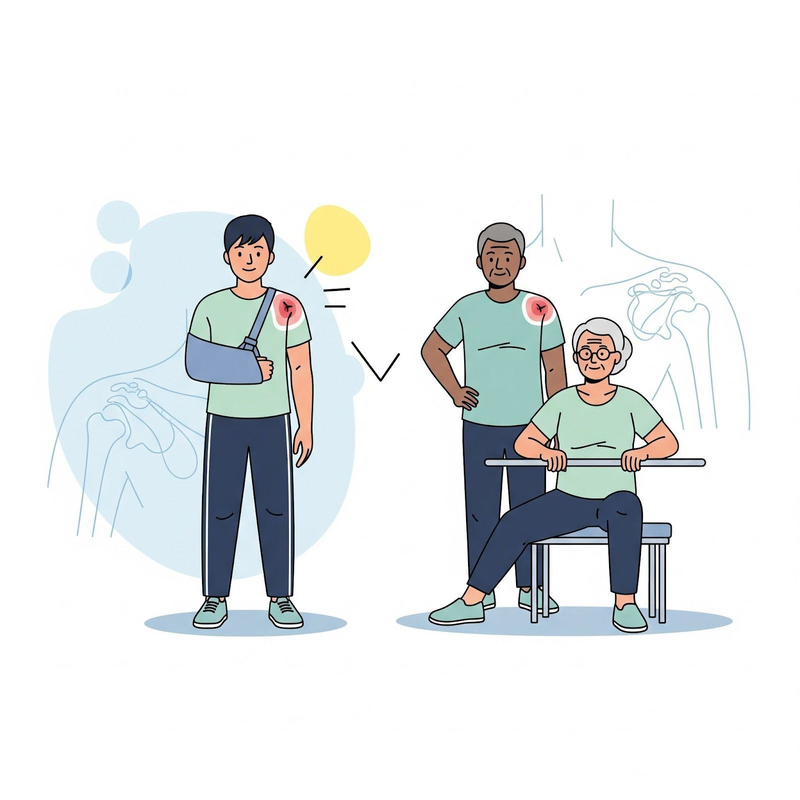
Clavicle fractures are a common injury, accounting for 2% to 10% of all fractures1. They are one of the most fractured bones in the body3. Symptoms of a broken clavicle include severe pain and swelling at the site of the fracture, and in some cases, a visible deformity3. Clavicle fractures occur most frequently in men younger than 25 years old due to sports injuries and in patients older than 55 years old due to falls2. The middle third of the clavicle is the most common location for fractures (69% of cases), followed by the distal third (28%), and the proximal third (3%)2. This article will discuss the management of clavicle fractures, including non-operative treatment, surgical fixation, and potential complications.
Anatomy of the Clavicle
The clavicle, or collarbone, is an S-shaped bone that connects the axial skeleton to the upper extremity1. It is flat laterally, tubular centrally, and prismatic medially4. The clavicle plays a crucial role in shoulder movement and stability, and it also provides protection to underlying neurovascular structures, such as the subclavian vessels and brachial plexus1.
The clavicle forms two joints:
- Sternoclavicular joint: This joint connects the medial end of the clavicle to the sternum. It is stabilized by the posterior capsular ligament, anterior sternoclavicular ligament, costoclavicular ligament, and an intra-articular disc4.
- Acromioclavicular joint: This joint connects the lateral end of the clavicle to the acromion process of the scapula. It is stabilized by the coracoclavicular ligament and the acromioclavicular ligament4.
Several muscles attach to the clavicle, including the sternocleidomastoid, trapezius, pectoralis major, and deltoid. These muscles can influence the displacement of fracture fragments4.
Types of Clavicle Fractures
Clavicle fractures are classified based on the location of the fracture using the Allman classification system: 1
- Group I (Midshaft): These fractures occur in the middle third of the clavicle and are the most common type1. They typically occur in younger individuals5.
- Group II (Distal): These fractures occur in the lateral third of the clavicle and represent about 15% to 25% of all clavicle fractures1.
- Group III (Proximal): These fractures occur in the medial third of the clavicle and are the least common type1.
Clavicle fractures are further classified based on the severity and position of the injured bone: 6
- Stable (Non-displaced): The clavicle is broken, but the two ends remain relatively aligned.
- Displaced: The broken ends of the clavicle move out of their normal position, causing a visible deformity.
- Comminuted: The clavicle breaks into multiple pieces.
The Neer classification further divides distal clavicle fractures based on their relationship to the coracoclavicular ligaments: 2
- Type I: Non-displaced fracture lateral to the CC ligaments.
- Type IIA: Displaced fracture medial to the CC ligaments with intact ligaments.
- Type IIB: Displaced fracture with a torn conoid ligament and an intact or torn trapezoid ligament.
- Type III: Intra-articular fracture extending into the AC joint.
- Type IV: Physeal fracture in children with superior displacement of the lateral clavicle.
- Type V: Comminuted fracture with significant medial clavicle displacement.
Mechanism of Injury
The most common mechanism of a clavicle fracture is a fall directly on the shoulder with the arm at the side1. This can occur during sports activities, falls from heights, or motor vehicle accidents. Rarely, clavicle fractures can occur from a direct blow to the clavicle or a fall on an outstretched hand1. In children and young adults, these injuries are often related to sports participation, especially contact sports1.
Clavicle Fractures in Children
Clavicle fractures are one of the most common fractures in children6. In children younger than 10 years old, midshaft fractures are often non-displaced, while in older children, they are more likely to be displaced2. Clavicle fractures can also occur during childbirth2. Treatment of clavicle fractures in children may differ from that in adults due to the potential for bone remodeling.
Imaging Studies
A standard anteroposterior clavicle radiograph should be obtained in all patients with a suspected clavicle fracture7. A second 45-degree cephalic tilt view radiograph can help assess the degree of displacement and minimize overlap of the first rib and scapula7. While most clavicle fractures are visible on these views, a CT scan may be necessary to evaluate intra-articular involvement in proximal or distal fractures2.
Non-Operative Treatment
Non-operative treatment is the preferred approach for most clavicle fractures, especially those that are non-displaced or minimally displaced2. This approach focuses on pain management, immobilization, and rehabilitation.
Guidelines for Non-Operative Treatment
-
Immediate Treatment: If a clavicle fracture is suspected, it is essential to seek immediate medical treatment9. First aid measures include immobilizing the arm and shoulder by holding the arm close to the body or using a sling, applying ice packs to the injured area for 20 to 30 minutes at a time, and taking over-the-counter pain medication such as acetaminophen or NSAIDs9.
-
Immobilization: A simple arm sling is typically used for comfort and to support the arm while the fracture heals8. Figure-of-eight braces are not recommended as they may increase fracture displacement2. However, there is no clear evidence regarding the best technique and duration of immobilization11.
-
Pain Management: Pain medication, such as acetaminophen or nonsteroidal anti-inflammatory drugs (NSAIDs), can help relieve pain8. Ice packs applied to the injured area can also help reduce pain and swelling3.
-
Neurovascular and Lung Examination: Due to the proximity of the brachial plexus, subclavian vessels, and lung apex to the clavicle, a complete neurovascular and lung examination is crucial2. This helps identify any potential injuries to these structures.
-
Rehabilitation: Early mobilization is crucial to prevent shoulder stiffness8. Patients typically begin with gentle range-of-motion exercises for the elbow and progress to shoulder exercises as pain allows8. A structured rehabilitation program may involve: 10
-
Phase 1 (0-6 weeks): Sling immobilization, pendulum exercises, and gentle active-assisted range of motion.
- Phase 2 (6-12 weeks): Discontinue sling, active range of motion, and progressive strengthening exercises.
- Phase 3 (12+ weeks): Advanced strengthening and functional exercises.
Potential Complications of Non-Operative Treatment
While non-operative treatment is generally successful, potential complications include: 4
- Nonunion: The bone fails to heal. This is more common in displaced fractures and may require surgical intervention4. Risk factors for nonunion include fracture comminution, displacement, female gender, advanced age, and smoking4.
- Malunion: The bone heals in a non-anatomical position, potentially leading to shoulder dysfunction or cosmetic concerns4. Malunion can result in shortening of the clavicle, which may affect shoulder function and kinematics11.
- Decreased shoulder strength and endurance: This can occur with significant fracture shortening4.
- Pain and discomfort: Some patients may experience persistent pain or discomfort at the fracture site.
- Thoracic outlet compression: Callus formation or displacement can lead to thoracic outlet compression, a condition that affects nerves and blood vessels in the space between the clavicle and first rib1.
Surgical Fixation
Surgical fixation is considered for clavicle fractures that have a high risk of nonunion, significant displacement, or associated complications2.
Guidelines for Surgical Fixation
-
Indications for surgery: Absolute indications include open fractures, neurovascular compromise, and severe displacement with skin tenting16. Relative indications include unstable fracture patterns, significant shortening (greater than 1.5 to 2 cm), and floating shoulder (concomitant distal clavicle and scapula neck fractures)2.
-
Surgical techniques: Common methods include: 16
-
Plate and screw fixation: This involves open reduction and internal fixation with plates and screws to stabilize the fracture. Plates and screws are not routinely removed after the bone has healed unless they are causing discomfort8.
- Intramedullary fixation: This involves inserting a pin or rod into the medullary canal of the clavicle. This technique often uses Steinman pins, which may be threaded in the proximal fragment or bent at the distal tip to prevent migration16.
-
Post-operative care: This typically includes pain management, immobilization with a sling, and a structured rehabilitation program10.
Potential Complications of Surgical Treatment
Potential complications of surgical fixation include: 8
| Complication | Non-Operative | Surgical |
|---|---|---|
| Nonunion | 10-15% | 1-5% |
| Malunion | ~20% | <1% |
| Infection | - | ~4.8% |
| Hardware irritation | - | Yes |
| Neurovascular injury | - | Yes |
| Pneumothorax | - | Yes |
| Refracture | - | Yes |
- Infection: This can occur at the surgical site. Risk factors for infection include illicit drug use, diabetes, and previous shoulder surgery19.
- Hardware complications: These include broken screws or plates, hardware irritation, and the need for hardware removal17. Hardware prominence is a common concern, and up to 30% of patients may request plate removal19.
- Neurovascular injury: There is a risk of damage to the surrounding nerves and blood vessels17. Supraclavicular nerve injury is the most common complication, with an 83% incidence of numbness noted at 2 weeks post-operatively19.
- Nonunion or malunion: Although less common with surgery, these complications can still occur17.
- Pneumothorax: Injury to the lung can occur during surgery17.
- Refracture: There is a risk of refracture after surgical treatment, especially in athletes18.
Rehabilitation After Surgical Treatment
Rehabilitation after surgical fixation is essential for restoring shoulder function and strength. A typical rehabilitation program may involve: 20
- Phase 1 (0-4 weeks): Focus on protecting the fracture and wound healing. This phase includes wearing a sling, gentle pendulum exercises, and active-assisted range of motion up to 90 degrees.
- Phase 2 (5-8 weeks): Begin weaning from the sling and focus on improving shoulder range of motion. Active and active-assisted range of motion exercises are progressed, and scapular exercises are introduced.
- Phase 3 (9-12 weeks): Continue improving range of motion and begin strengthening exercises. Isometric exercises for the shoulder are initiated, and periscapular strengthening is progressed.
- Phase 4 (12-16 weeks): Focus on strengthening and functional exercises. Progress to more dynamic shoulder exercises and begin incorporating activities that simulate daily tasks and sports movements.
- Phase 5 (4-6 months): Return to sport and full activity. This phase involves a gradual return to sport-specific training and activities, with a focus on restoring full strength, endurance, and function.
Figure-of-Eight Brace
A figure-of-eight brace is a type of bandage that encircles the shoulders and crosses in the back2. It was traditionally used to treat clavicle fractures, but it is not generally recommended now. While it may help reduce fracture shortening, it can also cause discomfort, pain, and even nerve compression or restriction of venous blood return11. Studies have shown no significant difference in healing time or nonunion rates between slings and figure-of-eight braces11.
Factors Influencing Treatment Decisions
The decision to treat a clavicle fracture non-operatively or surgically depends on several factors, including: 2
- Fracture type and location: Displaced, comminuted, or distal clavicle fractures are more likely to require surgery24.
- Degree of shortening: Significant shortening may necessitate surgical intervention24.
- Associated injuries: Neurovascular compromise or floating shoulder are indications for surgery24.
- Patient factors: Age, activity level, and overall health can influence treatment decisions24. Younger patients and those with higher functional demands may be more likely to benefit from surgical treatment.
- Specific indications for immediate orthopedic consultation: These include open fractures, displaced medial third fractures, neurovascular injury with fracture, skin integrity at risk over the fracture, displaced lateral third fractures, and pathological fractures25.
Conclusion
Clavicle fractures are common injuries that can be managed effectively with either non-operative treatment or surgical fixation. Non-operative treatment, with immobilization and rehabilitation, is often successful for non-displaced or minimally displaced fractures. However, certain factors, such as fracture displacement, shortening, comminution, and patient age and activity level, may necessitate surgical intervention. Surgical fixation, while generally having a higher union rate, carries the risk of complications such as infection and hardware problems. Ultimately, the choice of treatment should be individualized based on a thorough evaluation of the fracture, patient factors, and potential risks and benefits of each approach. Early mobilization and a structured rehabilitation program are crucial for optimal recovery and restoration of shoulder function, regardless of the treatment method chosen.
Works cited
1. Clavicle Fractures - AAFP, accessed February 17, 2025, https://www.aafp.org/pubs/afp/issues/2008/0101/p65.html
2. Clavicle Fractures - StatPearls - NCBI Bookshelf, accessed February 17, 2025, https://www.ncbi.nlm.nih.gov/books/NBK507892/
3. Clavicle Fractures | Johns Hopkins Medicine, accessed February 17, 2025, https://www.hopkinsmedicine.org/health/conditions-and-diseases/clavicle-fractures
4. Clavicle Fractures - Midshaft - Trauma - Orthobullets, accessed February 17, 2025, https://www.orthobullets.com/trauma/1011/clavicle-fractures--midshaft
5. www.aafp.org, accessed February 17, 2025, https://www.aafp.org/pubs/afp/issues/2008/0101/p65.html#:~:text=Midshaft%20fractures%20account%20for%20approximately,5%20percent%20of%20clavicle%20fractures.
6. Clavicle Fractures: Types and Symptoms - Sports-health, accessed February 17, 2025, https://www.sports-health.com/sports-injuries/shoulder-injuries/clavicle-fractures-types-and-symptoms
7. Neer classification of clavicle fractures | Radiology Reference Article | Radiopaedia.org, accessed February 17, 2025, https://radiopaedia.org/articles/neer-classification-of-clavicle-fractures
8. Clavicle Fracture (Broken Collarbone) - OrthoInfo - AAOS, accessed February 17, 2025, https://orthoinfo.aaos.org/en/diseases--conditions/clavicle-fracture-broken-collarbone/
9. Conservative interventions for treating middle third clavicle fractures in adolescents and adults - PubMed Central, accessed February 17, 2025, https://pmc.ncbi.nlm.nih.gov/articles/PMC6463869/
10. Clavicle Fracture (Broken Collarbone), accessed February 17, 2025, https://www.massgeneral.org/assets/mgh/pdf/orthopaedics/sports-medicine/physical-therapy/rehabilitation-protocol-for-clavicle-fracture-nonsurgical.pdf
11. Nonoperative Treatment of Midshaft Clavicle Fractures in Adults - PMC, accessed February 17, 2025, https://pmc.ncbi.nlm.nih.gov/articles/PMC5791205/
12. Orthopaedic Trauma Clavicle Non-Operative Protocol, accessed February 17, 2025, https://med.virginia.edu/orthopaedic-surgery/images/press/uploads/sites/242/2021/10/Clavicle-NONOP-10.20.21.pdf
13. Clavicular Fracture - Physiopedia, accessed February 17, 2025, https://www.physio-pedia.com/Clavicular_Fracture
14. Rethinking clavicle fracture surgery in adolescents - Boston Children's Answers, accessed February 17, 2025, https://answers.childrenshospital.org/adolescent-clavicle-fracture/
15. Operative versus non-operative treatment for clavicle fracture: a meta-analysis - PMC, accessed February 17, 2025, https://pmc.ncbi.nlm.nih.gov/articles/PMC3728389/
16. Clavicle Fractures Treatment & Management - Medscape Reference, accessed February 17, 2025, https://emedicine.medscape.com/article/92429-treatment
17. Clavicle Fracture Open Reduction and Internal Fixation | Johns Hopkins Medicine, accessed February 17, 2025, https://www.hopkinsmedicine.org/health/treatment-tests-and-therapies/clavicle-fracture-open-reduction-and-internal-fixation
18. Surgical Treatment of Clavicle Fractures in the Adolescent Athlete - Orthobullets, accessed February 17, 2025, https://upload.orthobullets.com/journalclub/pubmed_central/25984259.pdf
19. Surgical treatment, complications, reoperations, and healthcare costs among patients with clavicle fracture in England - PMC, accessed February 17, 2025, https://pmc.ncbi.nlm.nih.gov/articles/PMC8830003/
20. Rehabilitation after operative fixation of Clavicle fractures - Arm Docs, accessed February 17, 2025, https://www.armdocs.com/rehab/postop-rehab-after-clavicle-fixation
21. Rehabilitation and Recovery After Clavicle Fracture Surgery - Sports-health, accessed February 17, 2025, https://www.sports-health.com/treatment/shoulder-injury-treatment/rehabilitation-and-recovery-after-clavicle-fracture-surgery
22. ORIF Clavicle Fracture Rehabilitation Protocol - Stony Brook Medicine, accessed February 17, 2025, https://www.stonybrookmedicine.edu/northforkorthopedics/clavicle-fracture
23. Rehabilitation Protocol for Clavicle ORIF - Massachusetts General Hospital, accessed February 17, 2025, https://www.massgeneral.org/assets/MGH/pdf/orthopaedics/sports-medicine/physical-therapy/rehabilitation-protocol-for-clavicle-ORIF.pdf
24. Treatment of Clavicle Fractures - PMC, accessed February 17, 2025, https://pmc.ncbi.nlm.nih.gov/articles/PMC3728778/
25. Clinical Practice Guidelines : Clavicle fractures - Emergency Department - The Royal Children's Hospital, accessed February 17, 2025, https://www.rch.org.au/clinicalguide/guideline_index/fractures/clavicle_fractures_emergency_department/
