
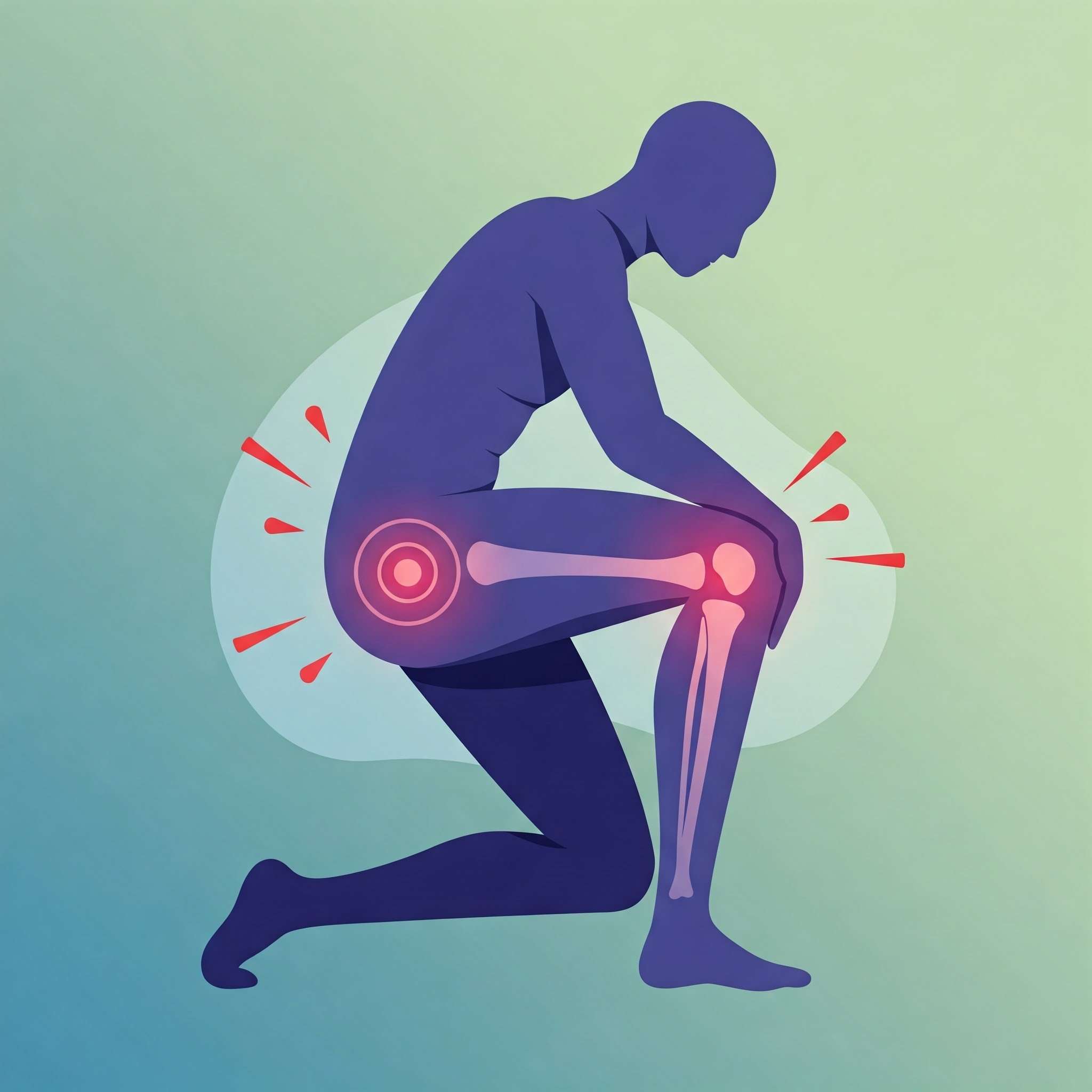
Pain Management After Total Hip and Knee Arthroplasty: A Review of Evidence-Based Strategies
Total hip arthroplasty (THA) and total knee arthroplasty (TKA) are highly effective surgical procedures for treating end-stage arthritis and other joint conditions. However, these procedures are associated with significant postoperative pain, which can impair recovery and reduce patient satisfaction. Effective pain management is crucial for facilitating early mobilization, reducing complications, and improving overall outcomes. This article reviews the latest evidence-based strategies for pain management after THA and TKA, including multimodal analgesia protocols, regional anesthesia techniques, and the role of preemptive analgesia.
Summary of Research Findings
A review of recent research papers and meta-analyses reveals several key strategies for effective pain management after THA and TKA:
- Multimodal analgesia: Combining different analgesics with different mechanisms of action can optimize pain relief and reduce opioid consumption 1.
- Regional anesthesia: Nerve blocks, such as femoral nerve block and adductor canal block, can provide effective pain relief and reduce opioid requirements 3.
- Preemptive analgesia: Administering analgesics before surgery can prevent central sensitization and reduce postoperative pain 5.
- Non-pharmacological approaches: Techniques like acupuncture can complement pharmacological pain management strategies 6.
- Patient education: Educating patients about pain management options and setting realistic expectations can improve satisfaction and reduce anxiety 1.
These strategies, along with careful consideration of individual patient factors, can help healthcare providers tailor pain management plans to optimize patient outcomes.
Multimodal Analgesia Protocols
Multimodal analgesia involves the use of various analgesic medications and techniques with different mechanisms of action to optimize pain relief and minimize side effects 2. This approach targets different pain pathways, reducing reliance on opioids and improving patient outcomes.
Patient Education
Patient education is an essential component of multimodal analgesia. Providing patients with clear explanations of pain management options and setting realistic expectations can help reduce anxiety and improve satisfaction with pain management 1. Preoperative education classes and informational materials can be valuable tools for preparing patients for the postoperative experience.
Commonly Used Medications in Multimodal Analgesia
Multimodal analgesia protocols typically include a combination of the following medications:
- Acetaminophen: Acetaminophen is a non-opioid analgesic that acts centrally to reduce pain. It has a weak anti-inflammatory effect and does not inhibit COX enzymes, making it safe for patients with bleeding disorders or gastrointestinal issues 7. Acetaminophen is often used as a first-line agent in multimodal analgesia protocols 8.
- Nonsteroidal Anti-inflammatory Drugs (NSAIDs): NSAIDs, such as ibuprofen, naproxen, and celecoxib, reduce pain and inflammation by inhibiting cyclooxygenase (COX) enzymes. COX-1 protects the stomach lining and helps maintain kidney function, while COX-2 is produced in response to injury and inflammation 9. NSAIDs block COX enzymes, reducing prostaglandin production and preventing nerve sensitization 7. They are commonly used in combination with other analgesics 8.
- Opioids: Opioids, such as oxycodone and morphine, are effective for moderate to severe pain. However, they are associated with side effects like nausea, constipation, and respiratory depression. In multimodal analgesia, opioids are used judiciously and often in combination with other analgesics to reduce their use and side effects 8.
- Gabapentinoids: Gabapentinoids, such as gabapentin and pregabalin, are anticonvulsants that can also be used for pain management. They are thought to work by inhibiting the release of excitatory neurotransmitters in the spinal cord 8. While they can reduce postoperative pain intensity and morphine consumption, the pain reduction may not be clinically relevant, and they can cause side effects like sedation 10.
- Ketamine: Ketamine is an anesthetic that can also provide analgesia at lower doses. It is sometimes used in multimodal analgesia protocols, particularly for patients with chronic pain 8.
- Benzodiazepines: Benzodiazepines, such as midazolam, can be used in the multimodal regimen to reduce anxiety and promote relaxation 7.
- Duloxetine: Duloxetine is a serotonin and norepinephrine reuptake inhibitor (SNRI) that can be used to decrease postoperative pain and opioid consumption 11. Serotonin and norepinephrine play a role in pain modulation and wound healing 12. Duloxetine can help modulate the levels of these neurotransmitters, contributing to pain relief.
- Local Anesthetics: Local anesthetics, such as lidocaine and bupivacaine, are often used for local infiltration analgesia (LIA) and peripheral nerve blocks 8.
Example of a Multimodal Analgesia Protocol
One example of a multimodal analgesia protocol for THA and TKA is the Multimodal Perioperative Pain Protocol (MP3) 13. This protocol includes specific guidelines for pre-, intra-, and postoperative pain management, allowing for adaptation depending on individual patient needs.
| Medication | Strength/Dose | Amount | When |
|---|---|---|---|
| Bupivacaine | 0.5% (200–400 mg) | 24 cc | First injection |
| Morphine sulfate | 8 mg | 0.8 cc | First injection |
| Epinephrine (1:1000) | 300 μg | 0.3 cc | First injection |
| Methylprednisolone acetate | 40 mg | 1 cc | First injection |
| Cefuroxime | 750 mg | 10 cc (reconstituted in normal saline) | First injection |
| Sodium chloride | 0.9% | 22 cc | First injection |
| Bupivacaine | 0.5% | 20 cc | Second injection |
| Sodium chloride | 0.9% | 20 cc | Second injection |
| Clonidine | Transdermal patch 100 μg/24 hours | Applied in operating room | |
| Gabapentin | 300 mg PO | +2 hours before procedure | |
| Celecoxib | 200 mg PO | +2 hours before procedure | |
| Acetaminophen | 1 g PO | +2 hours before procedure |
Note: This is just one example of a multimodal analgesia protocol, and specific medications and dosages may vary depending on patient factors and institutional preferences.
Non-Pharmacological Approaches
In addition to medications, non-pharmacological approaches can be incorporated into multimodal analgesia protocols. These approaches can complement pharmacological pain management and provide additional benefits. Examples include:
- Acupuncture: Acupuncture has been shown to reduce opioid consumption and improve pain relief after THA 6.
- Ice/Heat: Applying ice or heat to the affected joint can help reduce pain and inflammation.
- Hypnosis: Hypnosis can be used to help patients manage pain and anxiety.
Regional Anesthesia Techniques
Regional anesthesia involves blocking nerves to a specific area of the body, providing pain relief without affecting consciousness. It is commonly used in THA and TKA to reduce postoperative pain and opioid consumption 3. Regional anesthesia can also help reduce perioperative complications like deep venous thrombosis 14.
Regional Anesthesia Techniques for THA
- Spinal Block: A single injection of a local anesthetic into the cerebrospinal fluid in the lower back, providing rapid numbing that wears off after several hours 3.
- Epidural Block: A catheter is inserted in the lower back to deliver continuous local anesthetics for prolonged pain relief 3.
- Peripheral Nerve Blocks: Local anesthetic is injected around specific nerves in the thigh, such as the femoral nerve, to numb the leg 3.
- Paravertebral Block: This block involves injecting local anesthetic near the spine where the nerves emerge, providing pain relief to a wider area 15.
- Erector Spinae Plane Block: This block involves injecting local anesthetic in the plane between the erector spinae muscle and the transverse process of the vertebrae, providing pain relief to the surrounding area 15.
- Pericapsular Nerve Group Block: This block targets the nerves surrounding the hip joint, providing effective pain control for up to 6 hours after THA and reducing opioid consumption 16.
Regional Anesthesia Techniques for TKA
- Femoral Nerve Block: This block numbs the front of the thigh and knee, reducing pain after TKA 4. However, it can cause quadriceps weakness, which may increase the risk of falls 13.
- Sciatic Nerve Block: This block numbs the lower leg, foot, and ankle, but it can cause weakness and increase the risk of falls, so it is used less often 17.
- Adductor Canal Block: This block targets the saphenous nerve, providing pain relief to the knee without causing significant quadriceps weakness 17.
- IPACK Block: This block involves injecting local anesthetic between the popliteal artery and the capsule of the knee, providing pain relief to the posterior knee without causing foot drop 17. Combining adductor canal block with IPACK block can improve physical therapy performance and allow earlier hospital discharge 17.
Interventions Not Recommended
Some regional anesthesia techniques are not recommended for routine use in TKA due to their limited benefits or potential adverse effects 18:
| Intervention | Reason for Not Recommending |
|---|---|
| Gabapentinoids | Minimal analgesic and opioid-sparing effects and concerns of potential adverse effects, particularly when combined with postoperative opioids |
| Ketamine | Conflicting evidence |
| Dexmedetomidine | Inconsistent evidence |
| Epidural analgesia | Potential adverse effects precluding rapid recovery |
| Femoral nerve block | Negative impact on functional recovery |
| Sciatic nerve block | Negative impact on functional recovery |
Preemptive Analgesia
Preemptive analgesia involves administering analgesics before surgery to prevent the establishment of central sensitization and reduce postoperative pain 5. This approach aims to minimize the "pain memory" 19 and reduce the need for postoperative analgesics. Preemptive analgesia can also minimize the chance of developing chronic pain after TKA 20.
Medications Used for Preemptive Analgesia
- NSAIDs: NSAIDs, such as celecoxib, can be given preoperatively to reduce inflammation and pain 5.
- Acetaminophen: Acetaminophen can be given preoperatively to reduce pain 5.
- Gabapentinoids: Gabapentinoids, such as gabapentin and pregabalin, can be given preoperatively to reduce pain and opioid consumption 5.
- Opioids: While opioids can be used for preemptive analgesia, there is some evidence that they may increase postoperative opioid consumption and pain 5.
The preemptive use of acetaminophen, celecoxib, and gabapentin can modestly reduce opioid requirements and improve pain scores after THA and TKA 21.
Mechanism of Action
Preemptive analgesia works by inhibiting cytokine and prostaglandin release, which are involved in the inflammatory response and central sensitization 19. By blocking these mediators before surgery, preemptive analgesia can help prevent the amplification of postoperative pain.
Factors Influencing Postoperative Pain
Several factors can influence a patient's experience of postoperative pain, including:
- Individual pain sensitivity and beliefs about pain control: Patients with higher pain tolerance may require lower doses of analgesics 22. Beliefs about pain control can also influence pain perception and analgesic requirements.
- Pain catastrophizing: Patients who tend to catastrophize pain may experience worse pain outcomes after TKA 23.
- Number of symptomatic joints: Patients with more symptomatic joints may also experience worse pain outcomes after TKA 23.
- BMI: Body mass index can affect analgesic requirements and postoperative outcomes.
- Diabetes: Patients with diabetes may have altered pain perception and may require specialized pain management strategies.
Comparison of Pain Management Strategies
Each pain management strategy has its own benefits and drawbacks:
- Multimodal analgesia: This approach offers the advantage of targeting multiple pain pathways, reducing reliance on opioids, and minimizing side effects. However, it requires careful selection of medications and dosages based on individual patient factors.
- Regional anesthesia: Regional anesthesia can provide excellent pain relief and reduce opioid consumption. However, it may be associated with complications like nerve damage or bleeding.
- Preemptive analgesia: Preemptive analgesia can help prevent central sensitization and reduce postoperative pain. However, it may not be effective for all patients, and some medications used for preemptive analgesia can have side effects.
The choice of pain management strategy should be individualized based on patient factors, surgical procedure, and institutional preferences.
Guidelines from Professional Organizations
The American Academy of Orthopaedic Surgeons (AAOS) provides guidelines on pain management after THA and TKA. These guidelines emphasize the importance of multimodal analgesia, regional anesthesia, and preemptive analgesia to optimize pain relief and reduce opioid use 9. The AAOS also recommends counseling patients to avoid opioids prior to TKA to improve postoperative outcomes 24.
Clinical Implications and Recommendations
Based on the research findings, the following recommendations can be made for healthcare providers managing pain after THA and TKA:
- Implement multimodal analgesia protocols: Combine different analgesics with different mechanisms of action to optimize pain relief and reduce opioid consumption.
- Utilize regional anesthesia techniques: Consider regional anesthesia, such as femoral nerve block or adductor canal block, to provide effective pain relief and reduce opioid requirements.
- Employ preemptive analgesia: Administer analgesics before surgery to prevent central sensitization and reduce postoperative pain.
- Incorporate non-pharmacological approaches: Consider non-pharmacological approaches, such as acupuncture or ice/heat, to complement pharmacological pain management.
- Educate patients about pain management: Provide patients with clear explanations of pain management options and set realistic expectations to reduce anxiety and improve satisfaction.
- Individualize pain management plans: Consider individual patient factors, such as pain sensitivity, comorbidities, and psychological factors, when developing pain management plans.
- Optimize perioperative glucose control: For patients with diabetes, optimize perioperative glucose control to improve postoperative outcomes.
- Counsel patients on opioid use: Counsel patients on the risks and benefits of opioid use, and encourage them to reduce or avoid opioid use prior to surgery.
By following these recommendations, healthcare providers can help patients achieve a faster and more comfortable recovery after joint replacement surgery.
Conclusion
Effective pain management is essential for successful recovery after THA and TKA. Multimodal analgesia protocols, regional anesthesia techniques, and preemptive analgesia are evidence-based strategies that can optimize pain relief, reduce opioid consumption, and improve patient outcomes. By tailoring pain management strategies to individual patient needs and incorporating non-pharmacological approaches, healthcare providers can help patients achieve a faster and more comfortable recovery after joint replacement surgery. It is also important to consider the potential for long-term pain, such as neuropathic pain after THA 25, and to implement strategies to manage persistent pain, such as the Support and Treatment After Replacement (STAR) program 26.
Works cited
1. Multimodal Pain Management after Total Hip and Knee Arthroplasty ..., accessed February 17, 2025, https://pmc.ncbi.nlm.nih.gov/articles/PMC2674168/
2. mattrussomd.com, accessed February 17, 2025, /images/press/uploads/2020/05/Multimodal-Pain-Management-publication.pdf
3. Anesthesia for Hip and Knee Surgery - OrthoInfo - AAOS, accessed February 17, 2025, https://orthoinfo.aaos.org/en/treatment/anesthesia-for-hip-and-knee-surgery/
4. A guide to regional analgesia for Total Knee Arthroplasty - PMC - PubMed Central, accessed February 17, 2025, https://pmc.ncbi.nlm.nih.gov/articles/PMC8693230/
5. Perioperative Pain Management in Patients Undergoing Total Hip Arthroplasty: Where Do We Currently Stand? - PubMed Central, accessed February 17, 2025, https://pmc.ncbi.nlm.nih.gov/articles/PMC7410504/
6. Non-pharmaceutical treatments to relieve pain or reduce opioid analgesic intake and improve quality of life after total hip replacement: a meta analysis - PubMed Central, accessed February 17, 2025, https://pmc.ncbi.nlm.nih.gov/articles/PMC9641482/
7. Postop Pain Control — Hip & Knee Book, accessed February 17, 2025, https://hipandkneebook.com/multimodal-pain
8. An Update on Multimodal Pain Management After Total Joint ... - JBJS, accessed February 17, 2025, https://www.jbjs.org/reader.php?rsuite_id=2947248
9. Pain Medications After Orthopaedic Surgery - OrthoInfo - AAOS, accessed February 17, 2025, https://orthoinfo.aaos.org/en/recovery/managing-pain-with-medications/
10. The Impact of Gabapentinoids on Pain-Related Outcomes after Knee and Hip Surgery: A Systematic Review with Meta-Analysis of Randomized Controlled Trials - MDPI, accessed February 17, 2025, https://www.mdpi.com/2077-0383/13/14/4205
11. Duloxetine for Postoperative Pain Control Following Knee or Hip Replacement: A Systematic Review and Meta-Analysis, accessed February 17, 2025, https://digitalcommons.kansascity.edu/cgi/viewcontent.cgi?article=1314&context=studentpub
12. Effect of duloxetine on pain relief after total knee arthroplasty: A meta-analysis of randomized controlled trials - PubMed Central, accessed February 17, 2025, https://pmc.ncbi.nlm.nih.gov/articles/PMC9997837/
13. www.upoj.org, accessed February 17, 2025, /images/press/uploads/v24/02_Hogg.pdf
14. Regional anesthesia in hip surgery - PubMed, accessed February 17, 2025, https://pubmed.ncbi.nlm.nih.gov/16331011/
15. Use of Peripheral Nerve Blocks for Total hip Arthroplasty - PMC, accessed February 17, 2025, https://pmc.ncbi.nlm.nih.gov/articles/PMC11461552/
16. The efficacy of pericapsular nerve group block for reducing pain and opioid consumption after total hip arthroplasty: a systematic review and meta-analysis - PMC, accessed February 17, 2025, https://pmc.ncbi.nlm.nih.gov/articles/PMC11000340/
17. Novel Regional Techniques for Total Knee Arthroplasty Promote Reduced Hospital Length of Stay: An Analysis of 106 Patients - PMC, accessed February 17, 2025, https://pmc.ncbi.nlm.nih.gov/articles/PMC5625980/
18. Pain management after total knee arthroplasty: PROcedure SPEcific ..., accessed February 17, 2025, https://pmc.ncbi.nlm.nih.gov/articles/PMC9891300/
19. Effect of oral pre- emptive analgesia on pain management after total knee arthroplasty - BMJ Open, accessed February 17, 2025, https://bmjopen.bmj.com/content/bmjopen/13/3/e070998.full.pdf
20. Effect of oral pre-emptive analgesia on pain management after total knee arthroplasty: a protocol for systematic review and meta-analysis | BMJ Open, accessed February 17, 2025, https://bmjopen.bmj.com/content/13/3/e070998
21. Preemptive multimodal analgesia and post-operative pain outcomes in total hip and total knee arthroplasty - PubMed, accessed February 17, 2025, https://pubmed.ncbi.nlm.nih.gov/35499774/
22. Individual Factors Modifying Postoperative Pain Management in Elective Total Hip and Total Knee Replacement Surgery - MDPI, accessed February 17, 2025, https://www.mdpi.com/2075-1729/14/2/211
23. Factors correlated with pain after total knee arthroplasty: A systematic review and meta-analysis | PLOS ONE, accessed February 17, 2025, https://journals.plos.org/plosone/article?id=10.1371/journal.pone.0283446
24. AAOS Updates Clinical Practice Guideline for Surgical Management of Osteoarthritis of the Knee - PR Newswire, accessed February 17, 2025, https://www.prnewswire.com/news-releases/aaos-updates-clinical-practice-guideline-for-surgical-management-of-osteoarthritis-of-the-knee-301717730.html
25. Comparative Review of Postoperative Analgesic Use After Total Hip ..., accessed February 17, 2025, https://pmc.ncbi.nlm.nih.gov/articles/PMC11439489/
26. Perioperative Pain Management in Total Knee Arthroplasty: A Narrative Review of Current Multimodal Analgesia Protocols - MDPI, accessed February 17, 2025, https://www.mdpi.com/2076-3417/13/6/3798
