

Infections of the bones and joints, although less common than infections in other parts of the body, are nonetheless significant clinical problems. These infections generally fall into three broad categories: (1) infection of the joint (septic arthritis), (2) infection of the bone (osteomyelitis), and (3) soft-tissue or bone infection adjacent to a surgical implant or joint prosthesis. The presentation, pathophysiology, and treatment principles of each type of infection are distinct; thus, they will be described separately. Some rarer but still important types of musculoskeletal infection are described as well—namely, the musculoskeletal effects of human immunodeficiency virus (HIV) infection and other immunocompromised states, tuberculosis infections of the bone and joints, Lyme disease, and diabetic foot infections.
Bone and joint infections differ from infections in other parts of the body in three fundamental ways. First, the blood supply to bone and joint tissue is not as rich as that to most other tissues in the body. Although decreased blood flow makes it more difficult for bacteria to reach skeletal tissues and cause infection, it also makes the elimination of established infections much more troublesome. Second, the mechanical function of many joints is predicated on the precise geometry of the adjacent bones and cartilage surfaces. When this geometry is disturbed by infection, the function of a joint or even a system of joints may be compromised. For example, destruction of cartilage in even a small area of the knee as a result of septic arthritis can upset the mechanics of the knee, significantly interfere with walking, and possibly cause problems in other joints, such as the hip, ankle, or foot. Thus, treatment of musculoskeletal infections is imperative before tissue destruction can occur.
Finally, the frequent use of surgical implants increases the risk of infection following many orthopaedic procedures. These materials disrupt the normal biologic environment. Even when the material is totally inert, the presence of foreign bodies allows bacteria to establish a nidus of infection.
Septic Arthritis
Septic arthritis is infection and inflammation of a joint caused by bacterial, fungal, or viral invasion of the synovium. Bacterial septic arthritis involves a single joint in 90% of cases. The knee is the most commonly involved joint, followed by the hip, shoulder, ankle, and wrist. Patients with septic arthritis typically have acute swelling and warmth around the joint, effusion, tenderness to palpation, and extreme pain with minimal range of motion.
Bacteria can reach a joint in four ways: (1) from the blood, that is, via hematogenous seeding during bacteremia;(2) from the outside environment through direct inoculation of organisms following penetrating trauma, joint aspiration, or surgery;(3) from the localized spread of a nearby soft-tissue infection, such as cellulitis or bursitis; or (4) from spread of a bone infection near the joint (periarticular osteomyelitis).1 Hematogenous seeding is the most common cause of infectious arthritis.
Epidemiology
Septic arthritis is rare in the normal adult population; fewer than 5% of cases of acute arthritis have an infectious cause. Bacterial septic arthritis is more common in infants, the elderly, and patients with impaired immunity. Risk factors include a history of rheumatoid arthritis (RA) or intravenous drug use. Patients with RA are more likely to have multiple joint involvement. Intravenous drug users often have infections in atypical joints, such as the sternoclavicular, sacroiliac, and manubriosternal joints.2,3
Information about patient age, medical history, and risk factors must be obtained because these factors not only identify the potential for infection but also the possible infecting organism. With this information, the physician can initiate empiric antibiotic treatment once the diagnosis is established but before identification of a specific bacterium. Staphylococcus aureus is the most common cause of all joint infections; therefore, empiric antibiotics must cover it, even if there is a specific bacteria associated with a particular demographic. For example, patients with a history of illicit drug use are known to have an increased risk of Pseudomonal infection, but even among these patients staphylococcal infection is common as well. Thus, empiric treatment of infection in these patients must cover that organism as well.
Pathophysiology
Hematogenous septic arthritis occurs when bacteria are able to seed the joint after escaping from the synovial capillaries, which do not have a basement membrane. In normal joints, host defense mechanisms are able to destroy these bacteria; however, when these mechanisms are compromised, the organisms can survive and cause infection.
While open trauma to a joint is an obvious risk factor for infection, closed trauma is also a risk factor for reasons that are not entirely clear. Possible explanations include a reactive hyperemia increasing exposure to bacteria, disruption of the local anatomy allowing bacteria easier access to the joint and interfering with defense mechanisms, and formation of a hematoma providing an ideal culture medium for bacterial growth.1
Many bacteria can bind to articular cartilage. S aureus has an increased ability to bind to articular cartilage compared with other bacteria, which may explain why it is the most common pathogen in bacterial septic arthritis.1 Within hours after entering the synovium, bacteria induce a neutrophilic infiltration of the synovium. Cartilage destruction begins within 48 hours as a result of the release of proteases and cytokines from inflammatory cells and increased intra-articular pressure (Fig. 1
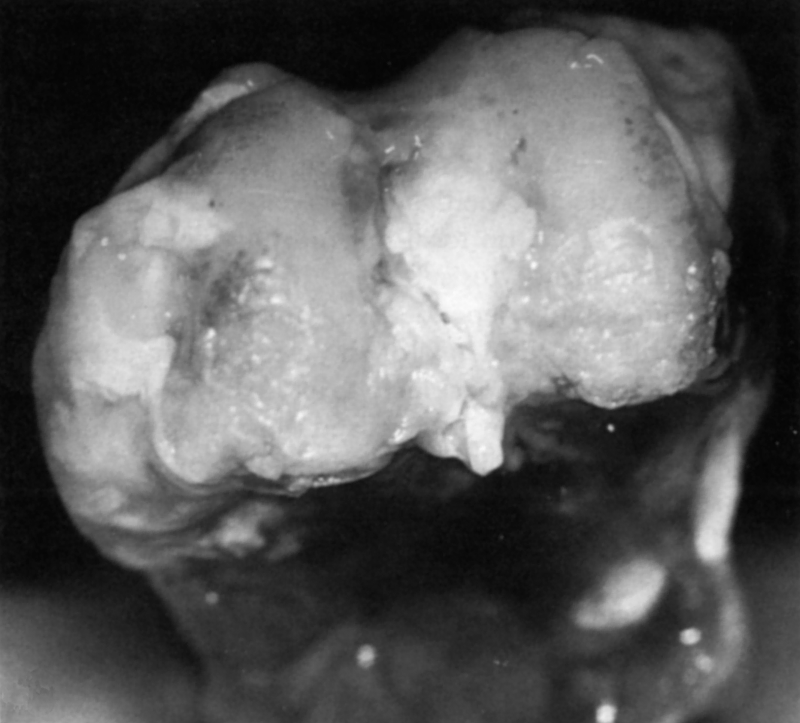
Figure 1 Photograph of the distal femur of a rabbit that was infected with S aureus but did not receive antibiotics. Notice the severe cartilage destruction.
(Reproduced with permission from Goodman SB, Chou LB, Schurman DJ: Management of pyarthrosis, in Chapman MW (ed): Operative Orthopaedics. Philadelphia, PA, JB Lippincott, 1988, pp 847-858.)
). While neutrophils are one of the primary host defenses against joint infection, they also are a major cause of joint destruction in septic arthritis.
The cytokine interleukin-1 (IL-1), released by macrophages and tissue monocytes in response to bacteria, plays an important role in the destruction of cartilage. Exposure of the joint surface to IL-1 leads to proteoglycan release, increased secretion of collagenase, release of metalloproteases, activation of latent collagenases, and inhibition of glycosaminoglycan synthesis.1
If the septic process is terminated early, the proteoglycan losses can be reversed and normal function restored. If too much matrix is lost, the chondrocytes are exposed to increased mechanical stress and die, which leads to further matrix loss. The remaining chondrocytes are exposed to more stress and are more apt to die, perpetuating a vicious cycle that can lead to complete joint destruction.4
Bacteriology
In adults, S aureus accounts for 60% of the cases of bacterial septic arthritis.5 Other common organisms include streptococci and gram-negative organisms. Although S aureus is still the most common infectious organism in patients who are intravenous drug users, gram-negative infections, especially Pseudomonal infections, can also be transmitted via intravenous drug use. 2
S aureus is a pathogen that may be found in all children, but when infection occurs, several other organisms need to be considered, based on the age of the patient. In infants from birth to 6 weeks of age, the most likely pathogens are group A and group B streptococci, Streptococcus pneumoniae, and Escherichia coli.6Neisseria gonorrheae infection acquired via maternal transmission at birth also needs to be considered in this age group.
In children younger than 5 years, an increasing number of cases of septic arthritis are caused by Kingella kingae. This organism is thought to colonize the nasopharynx and then spread to the joints via invasion of the bloodstream. Haemophilus influenzae type B (HIB) was a common pathogen in children of this age in the past; however, with the advent of widespread vaccination, HIB infection has become extremely rare. S pneumoniae is also an important organism in this age group.5
In children older than 5 years, S aureus, group A streptococci, and S pneumoniae are the most common pathogens. As children get older, the incidence of staphylococcal infections increases, and the incidence of streptococcal infections decreases.
Disseminated gonococcal infection, classically associated with a syndrome of fever, chills, rash, and migratory arthritis of the large joints, always precedes gonococcal septic arthritis, normally involving a single joint. Although gonococcal septic arthritis is always preceded by systemic gonococcal infection, this stage may go unnoticed in up to 30% of patients.7 Gonococcal infection is the most common type of infectious arthritis in healthy adults. It generally affects patients younger than 40 years, and women are two to three times more likely to be affected than men.
Clinical Presentation
A typical medical history for septic arthritis would be an 80-year-old female nursing home resident being treated with corticosteroids and methotrexate for RA. She has had increasingly worse knee pain for the past 2 days, with perhaps a history of minor trauma. Upon presentation, her temperature is 100.3°F, and she has a large warm effusion on her knee that is diffusely tender to palpation. She also has extreme pain with minimal range of motion. Although she was able to walk 3 days ago, she now finds weight bearing painful. Her skin appears normal, although cellulitis, a skin infection, is certainly common in such patients.
Radiographs of the knee joint typically show soft-tissue swelling and periarticular osteopenia consistent with long-term RA. In this setting, there is no particular need for special imaging studies. When hip infection is suspected, ultrasound or MRI may be needed because these studies can detect an effusion with great sensitivity.
When evaluating a patient for infection, it is helpful to obtain a white blood cell count, erythrocyte sedimentation rate, and C-reactive protein level. The essential laboratory test, however, is the analysis of fluid obtained from joint aspiration. This fluid must be examined microscopically (Gram stain) and then sent to the laboratory for a white blood cell count and culture. Aspirates with more than 50,000 white blood cells per milliliter are thought to represent infection. Some patients with inflammatory arthritis but no infection may have more than 50,000 white blood cells per milliliter, whereas some patients with infection and immune suppression (which limits white cell production) may have less. The best criterion to use depends on the utility (value) of each possible outcome.
The differential diagnosis of septic arthritis depends on the clinical scenario. Conditions to consider include inflammatory arthritis, reactive arthritis (a noninfectious joint inflammation following infection elsewhere in the body), trauma, superficial infection or abscess near but not in the joint, and collagen vascular disorders.
Treatment and Prevention
The goals of treatment include sterilization of the joint, removal of inflammatory cells and their enzymes, elimination of the destructive synovial pannus, and restoration of function.1 Prompt administration of antibiotics and drainage of the involved joint can prevent cartilage destruction, minimizing the risk of secondary arthritis, joint instability, deformity, and loss of function. Empiric antibiotics should be started as soon as cultures of the blood and synovial fluid are obtained (ie, before interpretation).
The initial choice of antibiotic should be based on the morphology of organisms visualized on Gram stain, if any, and the likely pathogens based on the patient’s age and risk factors. Antibiotics should be given intravenously to achieve rapid peak serum concentrations. Direct injection of the joint with antibiotics is not advised because it can cause a chemical synovitis.
In order to limit cartilage destruction and decrease intra-articular pressure, early drainage of pus and necrotic material is required. Three methods are available: (1) repeated needle aspiration, often at the bedside; (2) arthroscopic lavage; and (3) arthrotomy (open surgery). For easily accessible joints, such as the knee, repeated needle aspirations can be used; however, patient discomfort and the difficulty draining thick collections of pus often make arthroscopy a better choice. For less accessible joints, such as the hip, arthrotomy is the best means for irrigation and débridement. Following arthrotomy, the joint should be closed over suction drainage, which can be removed after several days as the volume of drainage decreases and the patient’s condition improves. If repeated aspirations are attempted and systemic antibiotics are administered, failure to improve within 48 hours is an indication for surgical drainage.
Postoperatively, the joint should be splinted in the functional position with assisted range-of-motion exercises initiated once the inflammatory response has decreased. Prolonged immobilization should be avoided because it promotes the formation of adhesions, atrophy, and contractures. For joints in the lower extremity, weight bearing should be protected until the inflammation has subsided and range of motion and strength are almost normal.3
Gonococcal septic arthritis is unique in that surgical drainage may not be needed, even with large effusions. This form of septic arthritis is less destructive and rarely requires surgical decompression. Instead, intravenous ceftriaxone and aspiration may be sufficient. Once there is clear improvement, oral antibiotics can be given for a total of 14 days.
Osteomyelitis
Osteomyelitis,technically defined as inflammation of the bone and marrow, signifies infection of the bone. Microorganisms can enter the bone by hematogenous spread, by extension from adjacent soft-tissue infections, or direct inoculation following trauma or surgical procedures. In adults, most cases of osteomyelitis are caused by direct inoculation, especially in the setting of open fractures. The most common location of osteomyelitis is the distal tibia. This location is at risk because the bone lacks a good envelope of muscle and robust blood supply.8
Acute hematogenous osteomyelitis occurs primarily in children and typically involves the metaphysis of a single long bone, especially the tibia, femur, or humerus. Most children with acute hematogenous osteomyelitis are systemically ill, with localized pain and limited use of the affected extremity. In neonates with acute hematogenous osteomyelitis, multiple sites of infection are more common. Presenting symptoms may include listlessness, poor feeding, and pseudoparalysis (unwillingness to move) of the involved limb.9 In children, acute hematogenous osteomyelitis can be considered part of the spectrum of disease that includes septic arthritis. Unlike the disease in adults, pediatric bone infection is often found in otherwise healthy, normal hosts.
Epidemiology
Osteomyelitis in adults without risk factors is extremely rare. Among the common risk factors to consider are a history of prior open fracture, immune compromise, intravenous drug use, and blood disorders such as hemophilia and sickle cell disease. Osteomyelitis may also be found in the feet of patients with diabetes mellitus, vascular insufficiency, and prior puncture wounds through shoes.
Pathophysiology
In children, acute hematogenous osteomyelitis occurs in the metaphyses of the long bones because these areas are well perfused, yet blood flow is slow in the network of venous sinusoids (Fig. 2
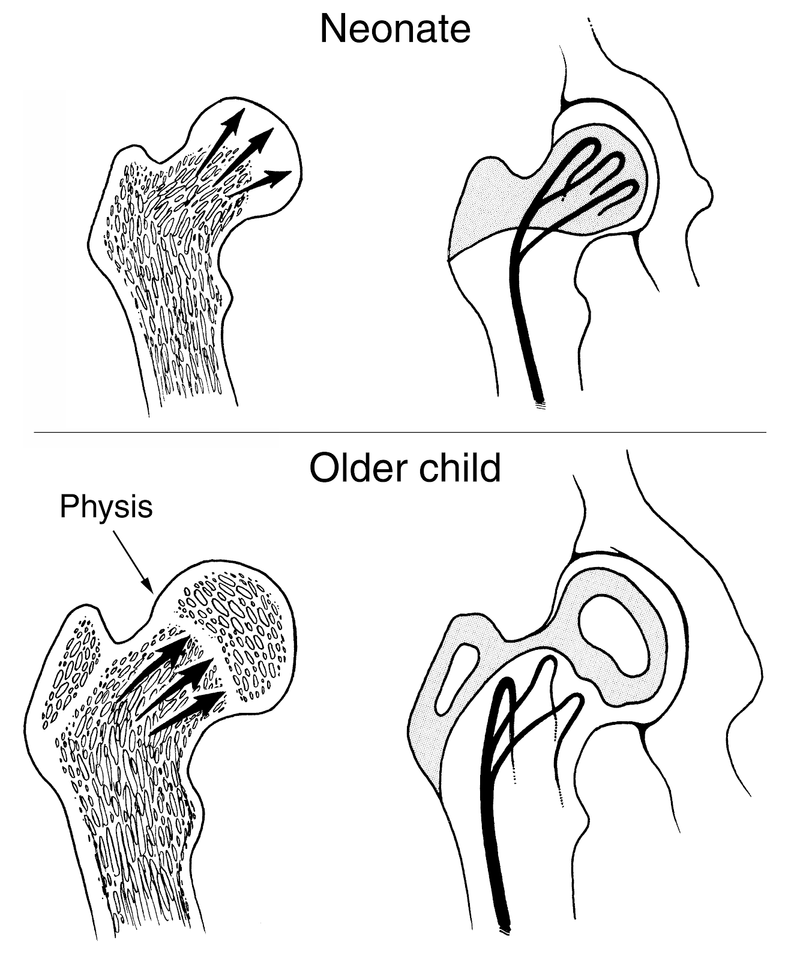
Figure 2 Relation of blood supply to the proximal femur and spread of infection (arrows). Top, In the neonate, the metaphyseal vessels penetrate directly into the chondroepiphysis, allowing an infection in the metaphysis to readily invade and destroy the chondroepiphysis and subsequently invade the joint. Bottom, In the older child, the physis serves as a mechanical barrier to the spread of infection.
(Reproduced from Dormans JP, Drummond DS: Pediatric hematogenous osteomyelitis: New trends in presentation, diagnosis, and treatment. J Am Acad Orthop Surg 1994;2:333-341.)
). Bacteria are able to escape from the blood and adhere to the collagen of the hypertrophic zone of physis. This process may be facilitated by minor trauma that can further decelerate blood flow by disrupting blood vessels and forming intraosseous hematomas, which, in turn, can serve as culture medium for bacterial growth.7
Once the metaphyseal region is seeded, there is a proliferation of neutrophils and the formation of pus. This pus expands under pressure toward the subperiosteal region at the surface of the bone. As the pus collects there, it can elevate the periosteum from the underlying bone or rupture through the periosteum, allowing the infection to spread into the adjacent soft tissue. Bone infarction (ie, ischemic death) occurs because the endosteal blood supply is blocked by thrombosis and the superficial blood supply is diverted as the periosteum is elevated off the bone. The area of necrotic bone is called the sequestrum. The periosteum responds by producing new bone over the sequestrum. This new bone is called the involucrum10 (Fig. 3
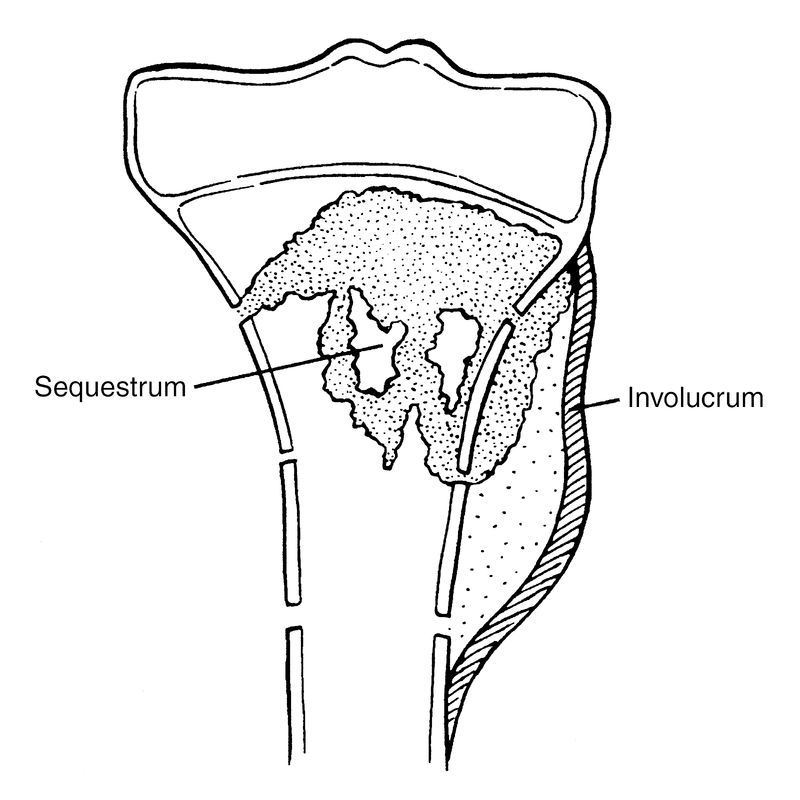
Figure 3 In osteomyelitis, the area of necrotic bone is called the sequestrum. Periosteal elevation stimulates the production of new bone, which is referred to as the involucrum.
(Adapted with permission from Wiesel SW, Delahay JN: Essentials of Orthopaedic Surgery, ed 2. Philadelphia, PA, WB Saunders, 1997, p 87.)
).
In children, septic arthritis can develop from osteomyelitis in joints in which the metaphysis is within the joint capsule, such as the hip, shoulder, elbow (the proximal radius), and ankle (distal fibula).7 In these joints, spontaneous decompression of pus through the surface at the metaphysis can seed the inside of the joint.
Bacteriology
The bacteriology of acute hematogenous osteomyelitis in children is similar to that of septic arthritis, with S aureus being the most common pathogen in all age categories. In neonates, group B streptococci and gram-negative bacteria should also be considered. Patients with sickle cell disease are at increased risk for osteomyelitis caused by Salmonella, which can often occur in the diaphysis rather than the metaphysis of the bone.11
Posttraumatic osteomyelitis occurs because the combination of clotted blood, dead space, and injured soft tissue provides an ideal medium for bacterial growth. Patients with open fractures can have bacterial contamination from the outside environment at the time of their injury. Fractures that do not involve breaks in the skin can nonetheless become infected when they are treated with surgical fixation because the bone may be exposed to bacteria during surgery.
If infection develops, there is a proliferation of inflammatory cells as in acute hematogenous osteomyelitis. The infection may become chronic as the increased intraosseous pressure (from the pus) impedes blood flow, causing bone necrosis. In adults, periosteal elevation by the inflammatory infiltrate is less common. Instead, the infiltrate breaks through the cortex and periosteum, resulting in soft-tissue abscesses and sinus tracts to the skin.12
S aureus is the most common organism responsible for posttraumatic osteomyelitis because it has receptors for many host proteins that are exposed following trauma, including collagen and fibronectin.10 As a result, this bacteria adheres to the surface of the injured tissue.
Clinical Presentation
The onset of osteomyelitis often is missed initially because the signs of acute infection, although typically at hand, are often attributed to the initial injury or to a soft-tissue infection. Accordingly, the infection may not be recognized until there is surgical wound breakdown or failed healing of the fracture.13 At times, infection is not noticed until it forms a draining sinus tract to the skin surface.
A typical presentation for pediatric osteomyelitis would include a short history of pain in the affected area. Most young children will not seem very sick; however, infants with bone infections may have a toxic appearance. Parents may report a history of minor trauma 1 week prior to the onset of pain. Usually, the child refuses to bear weight on the extremity. The child may have a fever, and on physical examination there will be tenderness to palpation over the bone with or without erythema or effusion. The child may report pain with movement of the joint but can typically still demonstrate a full range of motion; thus, the presence of a full range of motion does not exclude the diagnosis.
Plain radiographs can show soft-tissue swelling, but bone changes are typically absent acutely. A technetium 99m bone scan will show increased uptake in the bone (Fig. 4
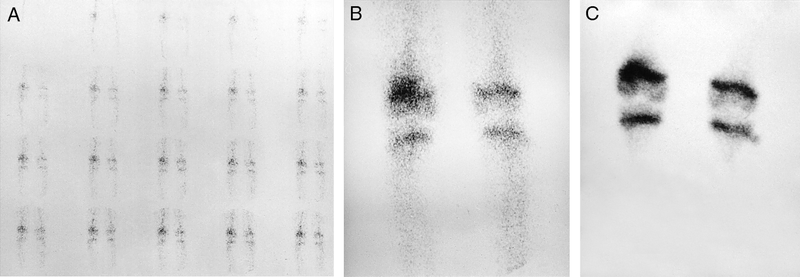
Figure 4 Three-phase bone scan of the knees of a child shows increased vascularity on the dynamic flow (A) and blood pool (B) scans and increased uptake on the delayed static images (C) in the metaphyseal region of the right femur as the result of osteomyelitis.
(Reproduced from Schneider R, Rapuano B: Radioisotopes in orthopaedics, in Buckwalter JA, Einhorn TA, Simon SR (eds): Orthopaedic Basic Science: Biology and Biomechanics of the Musculoskeletal System, ed 2. Rosemont, IL, American Academy of Orthopaedic Surgeons, 2000, p 291.)
). MRI can show signal changes that are analogous to those seen on a bone scan, but greater sensitivity and anatomic localization is also provided (Fig. 5
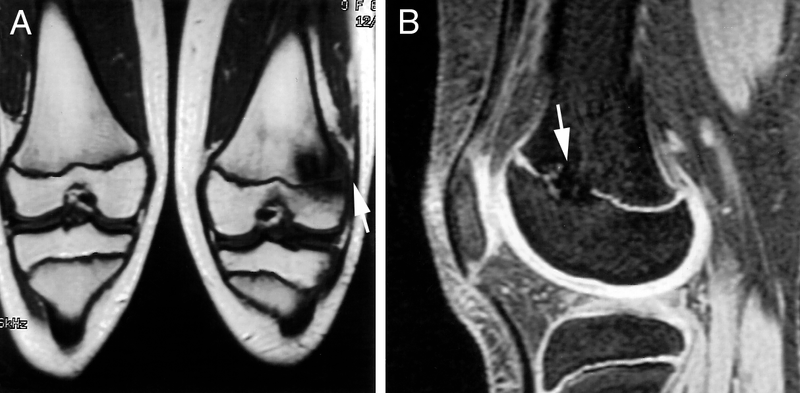
Figure 5A, T1-weighted MRI scan of the knee shows infection in the metaphysis (arrow). B, A gradient-echo MRI scan demonstrates destruction of the distal femoral physis by the infection (arrow).
(Reproduced from Song KM, Sloboda JF: Acute hematogenous osteomyelitis in children. J Am Acad Orthop Surg 2001;9:166-175.)
).
As is the case with septic arthritis, blood test results in patients with osteomyelitis may be abnormal: the white blood cell count, erythrocyte sedimentation rate, and C-reactive protein level can all be elevated, albeit only mildly in some cases. In children, the bone can be aspirated, and Gram stain and culture can help guide treatment.
A typical patient with osteomyelitis would be a 33-year-old man who was referred to a specialist because the closed fracture of the right tibia he sustained in a motorcycle accident 2 years ago has not healed. This fracture was treated with a surgical implant. On presentation, the patient denies any fevers or chills. Physical examination reveals tenderness over the site of the fracture but no erythema, skin breakdown, or sinus tracts. The white blood cell count and erythrocyte sedimentation rate are normal; the C-reactive protein level is slightly elevated. Radiographs show a nonunion of the fracture. In this case, special nuclear medicine imaging, such as indium-111–labeled white blood cell scanning, can be used. (The metal surgical implant may interfere with the production of a signal on MRI.) This test shows intense signal in areas where white blood cells collect (Fig. 6
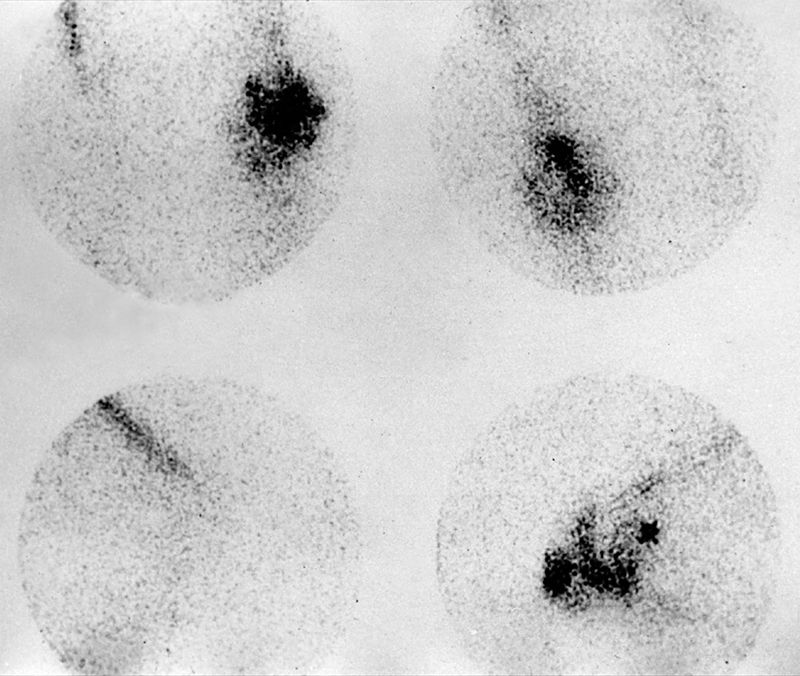
Figure 6 An indium-111 white blood cell scan shows high uptake around the prosthesis in a patient with an infected left total knee prosthesis (seen as intense black signal).
(Reproduced from Schneider R, Rapuano B: Radioisotopes in orthopaedics, in Buckwalter JA, Einhorn TA, Simon SR (eds): Orthopaedic Basic Science: Biology and Biomechanics of the Musculoskeletal System, ed 2. Rosemont, IL, American Academy of Orthopaedic Surgeons, 2000, p 301.)
).
Because infections tend to destroy the bone, they can often be visually similar to malignancies; hence, the dictum “biopsy what you culture and culture what you biopsy.” In other words, if an infection is suspected, then the correct diagnosis may be tumor and vice versa.
Treatment and Prevention
Historically, the mainstay of treatment for acute hematogenous osteomyelitis has been intravenous antibiotic therapy. The current trend, however, is to use oral antibiotics after a shorter course of intravenous antibiotic therapy.13 Empiric treatment is based on the common pathogens given the patient’s age. Children can typically be switched to oral antibiotic therapy after 5 to 10 days of intravenous treatment if signs of active infection have resolved. A normalization of C-reactive protein levels can be used as an objective indicator of improvement. Current consensus favors a minimum of 3 weeks of antibiotic treatment.13
Surgical débridement for acute hematogenous osteomyelitis is necessary in three situations: (1) when pus is obtained on initial aspiration, (2) when there is radiographic evidence of a metaphyseal sequestrum, and (3) when there is no clinical improvement within 24 to 48 hours of antibiotic therapy.
Prompt treatment of osteomyelitis in children is especially important because continued infection can have devastating effects on the developing skeleton. One of the most serious consequences of infection is physeal destruction with subsequent growth disturbance. Children with combined osteomyelitis and septic arthritis, especially of the hip joint, have a slower recovery and are at a higher risk for complications.9
Treatment for posttraumatic osteomyelitis includes adequate irrigation and débridement of all infected tissues followed by 4 to 6 weeks of organism-specific antibiotic therapy.14 Once the infected tissue has been excised, muscle flaps and skin grafts may be needed to cover soft-tissue defects. Bone defects can be treated with a variety of techniques, including bone grafts or vascularized bone transfer. Alternatively, the bone may be allowed to heal in a shortened position and then lengthened thereafter if needed.8
For infections involving fracture fixation devices, treatment should include débridement and suppressive antibiotics until the fracture heals. Thereafter, the implant can be removed and definitive treatment of the infection pursued. If the fracture has healed at the time of initial presentation, all hardware should be removed and antibiotics should be given.15
Before considering surgical treatment, the risks and benefits must be carefully weighed. In some patients, especially in the elderly and the chronically ill, the effects of the multiple procedures required to eliminate infection and restore skeletal integrity may be more detrimental than the disease itself. If this is the case, intermittent courses of antibiotics can be used to suppress exacerbations as needed.
Periprosthetic Infection
Infections of total joint prostheses are a combination of septic arthritis and osteomyelitis; the infection involves not only the joint but also the adjacent bones in which the prostheses have been implanted. At least 1% of joint replacements performed in the United States are complicated by infection.8 While infections can occur in the immediate postoperative period, they can also occur months to years after implantation. Diagnosing these late infections can be difficult because patients may report symptoms similar to those attributable to simple mechanical dislodging of the prosthesis, a process called aseptic loosening.
Pathophysiology
Prosthetic implants can become infected by direct inoculation of organisms at the time of implantation or through hematogenous spread of bacteria any time thereafter. A key factor in the development of these infections is the adherence of bacteria to the foreign material. The most common pathogens in periprosthetic infections are S aureus and Staphylococcus epidermidis because these two bacteria have surface proteins that enhance adherence to foreign material such as metal.12
Treatment and Prevention
The best treatment for prosthetic infections is prevention. With few exceptions, prophylactic antibiotics should be used before all orthopaedic surgical procedures, especially those that involve the implantation of foreign material. The need for prophylactic antibiotics in patients with total joint arthroplasties who are undergoing procedures that are associated with transient bacteremia remains controversial. The current recommendations call for all patients with joint prostheses to be given oral prophylactic antibiotics prior to dental procedures for the first 2 years postoperatively. After that period, only those patients at high risk for hematogenous infection, such as those with RA or type 1 diabetes mellitus, should be given prophylactic antibiotics.16
The treatment of infected joint arthroplasties depends on the time that has elapsed since implantation. For infection detected within the first month following surgery, the prosthesis can be retained. Treatment consists of irrigation and débridement followed by 4 weeks of antibiotic therapy.12 If infection is detected more than 1 month after implantation, the prosthesis must be removed and the patient treated with intravenous antibiotics. Two weeks after the patient has completed antibiotic therapy, the joint should be reaspirated; if sterile, reimplantation of a new prosthesis can be considered. Positive cultures require further débridement and antibiotic therapy.17
Special Situations
Immunocompromised Hosts and HIV Infection
Immunocompromised hosts are at risk for septic arthritis and osteomyelitis caused by atypical mycobacteria and fungi. These infections tend to be more indolent than bacterial infections and often have a chronic course. Common mycobacterial infections in this patient population include Mycobacterium kansasii and Mycobacterium avium–intracellulare. Fungal infections may be caused by several Candida species, Cryptococcus, or Aspergillus.18 Treatment involves thorough irrigation and débridement of the infected tissue followed by an extended course of systemic antimycobacterial or antifungal medications. Immunocompromised patients are also at risk for ordinary bacterial infections, but these infections may present in an atypical manner.
HIV infection can cause an acquired immunodeficiency syndrome associated arthropathy. This syndrome consists of a subacute arthritis developing in a few joints simultaneously over a period of a few weeks. It primarily involves the knees and ankles. This syndrome can be the first manifestation of HIV infection.4 Nonsteroidal anti-inflammatory drugs (NSAIDs) and intra-articular steroid injections may help relieve associated pain.
Tuberculosis
Tuberculosis is a chronic granulomatous infection caused by the bacteria Mycobacterium tuberculosis. Tuberculosis of the bones and joints is a locally destructive disease that spreads hematogenously from a primary focus of infection, typically the lungs (Fig. 7
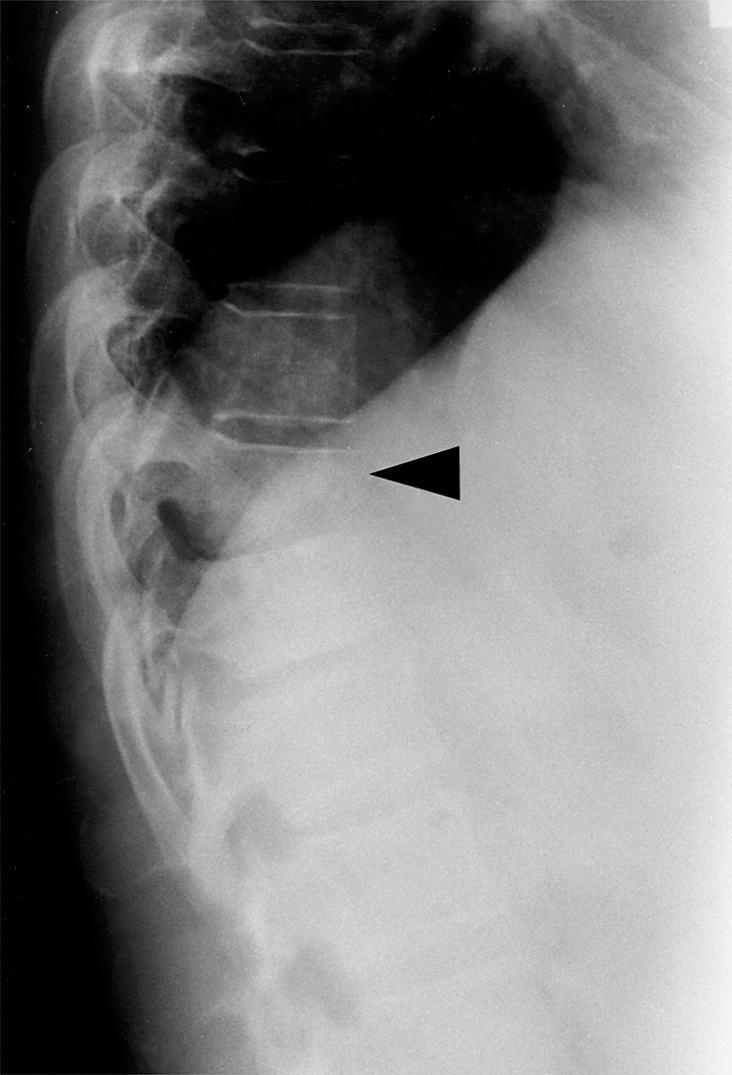
Figure 7 Radiograph of the spine of a 35-year-old man who had persistent pain and fever despite medical treatment for tuberculosis. Arrowhead indicates kyphosis with the apex at T9. Note that T9 through T11 have been eroded by the tuberculosis.
(Reproduced from Garvin KL, Luck Jr JV, Rupp ME, Fey PD: Infections in orthopaedics, in Buckwalter JA, Einhorn TA, Simon SR (eds): Orthopaedic Basic Science: Biology and Biomechanics of the Musculoskeletal System, ed 2. Rosemont, IL, American Academy of Orthopaedic Surgeons, 2000, p 251.)
). Prior to the advent of antibiotics, tuberculosis of the musculoskeletal system was a major cause of morbidity. It is now uncommon in the developed world,2 but it may become more common as the number of patients with HIV and other causes of immunosuppression continues to increase.
Skeletal tuberculosis accounts for 2% of all tuberculosis cases.19 Although skeletal tuberculosis can affect almost any bone or joint, it most commonly involves large weight-bearing joints and the spine. Spinal tuberculosis is referred to as Pott’s disease. Although most patients with tuberculosis typically have a positive tubercular skin test result, definitive diagnosis requires biopsy of the infected tissue. Treatment is similar to that for pulmonary tuberculosis, requiring the use of multiple agents for 6 to 12 months. Necrotic bone and soft tissue must be surgically débrided. Surgery is also used to prevent progression of spinal deformities.9
Lyme Disease
Lyme disease is caused by the spirochete Borrelia burgdorferi, which can be transmitted to humans via the bite of deer ticks from the Ixodes ricinus complex.20 The disease course is divided into three stages, with musculoskeletal involvement occurring in the second and third stages. In the first stage, localized lesions (called erythema migrans) appear on the skin. In stage two, disseminated infection occurs, following the first stage by days to weeks. The musculoskeletal manifestation of stage two consists of migratory pain without swelling of the articular and periarticular surfaces. In stage three, late or persistent infection occurs. This can involve an intermittent arthritis of the large joints, primarily the knee, but at times a few joints at once. Approximately 60% of untreated patients will progress to stage three within 6 months after initial infection.4 Joints affected by Lyme arthritis tend to be more swollen than painful. Initial episodes often present with significant but brief effusions. If the disease is untreated, the duration of the arthritis attacks tends to lengthen. Approximately one of five untreated patients progresses to chronic Lyme arthritis, which is characterized by an episode of continuous joint involvement lasting longer than 1 year.21 Although initially less destructive than bacterial septic arthritis, continued episodes of Lyme arthritis can lead to joint destruction.
In the United States, the diagnosis of Lyme disease is based primarily on a history of exposure to an area with deer (including many suburban areas) and an antibody response to B burgdorferi. This antibody test may be done by enzyme-linked immunosorbent assay or using the Western blot test. Analysis of joint fluid also has been shown to be effective in the detection of B burgdorferi in patients with Lyme arthritis.16
Treatment of Lyme disease is based on the stage of involvement. For patients with stage one and stage two disease, 14 to 21 days of oral doxycycline is effective. For patients with stage three Lyme disease, a 30-day course of oral doxycycline or intravenous ceftriaxone is effective. Given its decreased cost and easier administration, oral antibiotic therapy is recommended as initial treatment. Intravenous antibiotic therapy is generally reserved for those who do not respond to oral therapy. Although most patients with Lyme arthritis respond well to antibiotic treatment, approximately 10% of patients have arthritis that persists for months or years despite appropriate therapy. The results of analyses of the synovium and joint fluid of these patients tend to be negative for B burgdorferi DNA. The current consensus is that the chronic arthritis is an autoimmune response caused by molecular mimicry rather than continued infection.16 Chronic arthritis may be treated with NSAIDs, intra-articular steroid injections, or arthroscopic synovectomy. For patients living in epidemic areas with frequent exposure to deer ticks, a vaccine is available to protect against Lyme disease. In phase three trials, the vaccine was 76% effective in the prevention of Lyme disease after three injections.16
Diabetic Foot Infections
Approximately 25% of all hospitalizations associated with diabetes mellitus occur for the treatment of foot infections.8 People with diabetes mellitus are at increased risk for foot infections for several reasons. First, they are more likely to injure their feet because they often have decreased sensation from peripheral neuropathy. Second, diabetes mellitus also causes peripheral vascular disease, which leads to poor wound healing. Third, people with diabetes mellitus often have impaired vision, which increases the risk of injury and prevents full appreciation of the extent of injury. Once infected, the patient’s impaired systemic immunity and compromised local immunity caused by poor blood flow make eradication of foot infections extremely difficult.22
Foot infections in those with diabetes mellitus tend to be polymicrobial, involving both aerobic and anaerobic organisms, including Pseudomonas. The ability to reach the bone with a blunt probe when examining these patients indicates osteomyelitis in 80% of patients.18 There are often no systemic markers of infection, although loss of glucose control may be suggestive.
Before planning treatment for diabetic foot infection, the vascular status of the leg should be evaluated with duplex ultrasonography. The ankle-brachial index can be normal in patients with diabetic vascular disease because arterial calcification prevents compression of the vessel with the blood pressure cuff; toe pressures, therefore, are a better indicator of healing potential. Intravenous antibiotics should be administered after cultures are obtained. Ticarcillin with clavulanate or other broad-spectrum agents should be used. Necrotic tissue and bone should be surgically removed. For severe infections with systemic involvement or for patients whose vascular status precludes adequate wound healing, amputation may be needed.
Key Terms
Bone infarction Bone death that occurs as the result of ischemia
Erythema migrans Localized skin lesions that appear during the first stage of Lyme disease
Hematogenous seeding The dissemination of bacteria or cancerous cells via the blood
Lyme disease A recurrent, multisystem infection caused by the spirochete Borrelia burgdorferi, which can be transmitted to humans via the bite of deer ticks from the Ixodes ricinus complex
Tuberculosis A chronic granulomatous infection caused by the bacterium Mycobacterium tuberculosis
References
1. Esterhai JL Jr., Ruggiero V: Adult septic arthritis, in Esterhai JL Jr, Gristina AG, Poss R (eds): Musculoskeletal Infection, Park Ridge, IL, American Academy of Orthopaedic Surgeons, 1992;pp 409-419.
2. Mikhail IS, Alarcon GS: Nongonococcal bacterial arthritis. Rheum Dis Clin North Am 1993;19:311-331.
3. Friedland GH, Selwyn PA: Infections (excluding AIDS) in injection drug users, in Fauci AS, Braunwald E, Isselbacher KJ, et al (eds): Harrison’s Principles of Internal Medicine, ed 14. New York, NY, McGraw-Hill Health Professions Division, 1998;pp 831-835.
4. Goodman SB, Chou LB, Schurman DJ: Management of pyarthrosis, in Chapman MW (ed): Chapman’s Orthopaedic Surgery, ed 3. Philadelphia, PA, Lippincott Williams & Wilkins, 2001;pp 3561-3575.
5. Baker DG, Schumacher HR Jr.: Acute monoarthritis. N Engl J Med 1993;329:1013-1020.
6. Morrissy RT: Bone and joint sepsis, in Morrissy RT, Weinstein SL (eds): Lovell and Winter’s Pediatric Orthopaedics, ed 5. Philadelphia, PA, Lippincott, Williams & Wilkins, 2001;pp 459-505.
7. Thaler SJ, Maguire JH: Infectious arthritis, in Fauci AS, Braunwald E, Isselbacher KJ, et al (eds): Harrison’s Principles of Internal Medicine, ed 14. New York, NY, McGraw-Hill Health Professions Division, 1998;pp 1944-1949.
8. Mader JT, Cripps MW, Calhoun JH: Adult posttraumatic osteomyelitis of the tibia. Clin Orthop 1999;360:14-21.
9. Cooper PS, Delahay JN: Musculoskeletal infections, in Wiesel SW, Delahay JN (eds): Principles of Orthopaedic Medicine and Surgery. Philadelphia, PA, WB Saunders Company, 2001;pp 139-158.
10. Song KM, Sloboda JF: Acute hematogenous osteomyelitis in children. J Am Acad Orthop Surg 2001;9:166-175.
11. Griffin PP: Bone and joint infections in children, in Chapman MW (ed): Chapman’s Orthopaedic Surgery, ed 3. Philadelphia, PA, Lippincott Williams & Wilkins, 2001;pp 4469-4484.
12. Tsukayama DT: Pathophysiology of posttraumatic osteomyelitis. Clin Orthop 1999;360:22-29.
13. Maguire JH: Osteomyelitis, in Fauci AS, Braunwald E, Isselbacher KJ, et al (eds): Harrison’s Principles of Internal Medicine, ed 14. New York, NY, McGraw-Hill, 1998;pp 824-827.
14. Laughlin RT, Wright DG, Mader JT, et al: Osteomyelitis. Curr Opin Rheumatol 1995;7:315-321.
15. Garvin KL, Mormino MA, McKillip TM: Management of infected implants, in Chapman MW (ed): Chapman’s Orthopaedic Surgery, ed 3. Philadelphia, PA, Lippincott Williams & Wilkins, 2001;pp 3577-3593.
16. Hanssen AD, Osmon DR: The use of prophylactic antimicrobial agents during and after hip arthroplasty. Clin Orthop 1999;369:124-138.
17. Aaron AD: Orthopaedic Infections in Wiesel SW, Delahay JN (eds): Essentials of Orthopaedic Surgery, ed 2. Philadelphia, PA, WB Saunders, 1997;pp 83-95.
18. Meier JL, Beekmann SE: Mycobacterial and fungal infections of bone and joints. Curr Opin Rheumatol 1995;7:329-336.
19. Gristina AG, Naylor PT, Myrvik QN: Mechanisms of musculoskeletal sepsis. Orthop Clin North Am 1991;22:363-371.
20. Steere AC: Lyme Disease. N Engl J Med 2001;345:115-125.
21. Tetsworth KD: Infection, in Beaty JH (ed): Orthopaedic Knowledge Update 6: Home Study Syllabus. Rosemont, IL, American Academy of Orthopaedic Surgeons, 1999;pp 191-203.
22. Saltzman CL, Pedowitz WJ: Diabetic foot infections. Instr Course Lect 1994;48:317-320.
