

Musculoskeletal emergency is any injury or disease of the bones, joints, muscles, and adjacent neurovascular structures that, if not treated immediately, can result in significant impairment. Conditions that must be recognized promptly include spinal injuries, crush injuries, compartment syndrome, fractures (specifically open fractures, pelvic fractures, and long bone fractures), infections, dislocations, deep venous thrombosis (DVT), and soft-tissue injuries.
Pain is the most common reason for patients to seek medical care. However, physicians must look beyond this presenting complaint because it may mask a second and more serious condition. For example, a patient involved in a motor vehicle accident who reports shoulder pain may have a clavicle or rib fracture. Although this is not an emergency, per se, there may be a more serious associated injury, such as a myocardial contusion. Additional information about damage to the car or the patient’s inability to walk should raise the index of suspicion for other occult injuries.
Common injury complexes can be identified when a reasonable history of events is obtained. For example, a fall from a height is commonly associated with lumbar, calcaneal, and pelvic fractures. Thus, a patient who fractures the calcaneus jumping out of a window requires a detailed examination of the entire axial skeleton, even if heel pain is the only presenting complaint (
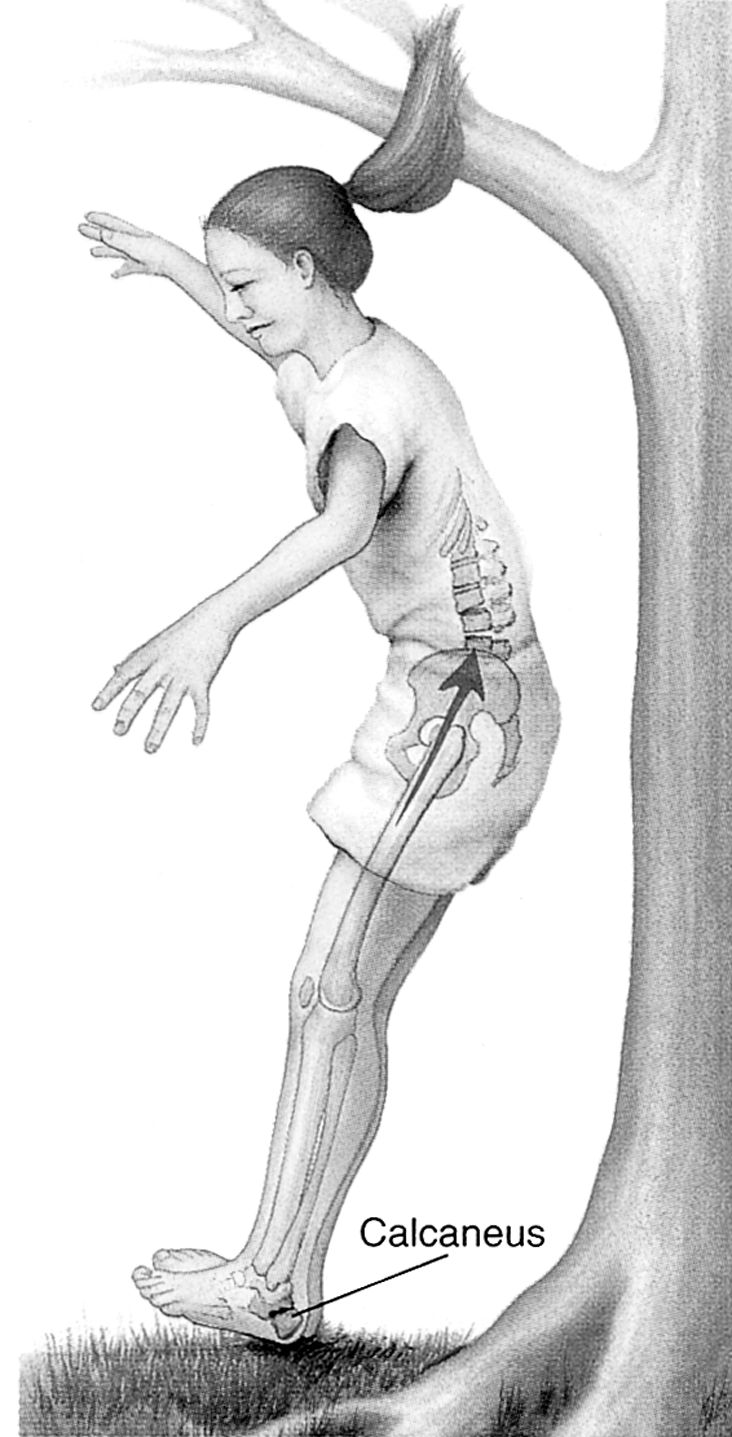
Figure 1 The force of a calcaneal injury is transmitted up the legs to the spine, often resulting in a fracture of the lumbar spine.
). Of course, if there is any question about the patient’s mental status (and ability to report symptoms), then reliance on a focused examination alone is not appropriate.
Patients with chronic musculoskeletal pain pose an additional dilemma: differentiating new symptoms and possibly an unrelated new diagnosis from preexisting symptoms. Neurologic deficits, absent or diminished pulses, or signs of infection should prompt additional investigation, including imaging studies, laboratory studies, and appropriate specialty consultation. This process may be tedious, and often nothing will be found. Nonetheless, this systematic approach to trauma is essential.
This chapter presents common musculoskeletal emergencies or conditions that require immediate identification based on the potential for complications. Each section describes an anatomic and physiologic basis for consideration as a musculoskeletal emergency. Discussions of diagnosis, treatment, and potential complications are also presented.
Spinal Injuries
Damage to the vertebrae can be associated with varying degrees of injury—from simple fractures without neurologic impairment to spinal cord injuries resulting in paraplegia, quadriplegia, or even death. Forces that damage the vertebrae can injure the spinal cord through stretching, laceration, ischemia, or compression.
Spinal cord injuries are most commonly the result of motor vehicle accidents, falls from heights, or gunshot wounds, with young men affected most often (>80%).1 The cervical spine is most commonly injured, followed by the lumbar spine. The thoracic spine is injured less often because the ribs provide additional support. Patients who report pain anywhere along the spine, loss of sensory or motor function, or incontinence following a traumatic event should be considered at high risk for having a spinal fracture or possible spinal cord injury.
Pertinent medical history may reveal clues suggesting other causes of spinal pain or neurologic deficit. Cancer can metastasize to the spine resulting in bone destruction and spinal cord compression. Intravenous drug use is a risk factor for epidural abscesses. Rheumatic diseases, chronic steroid use, and osteoporosis can result in compression fractures from seemingly minor or low-energy injuries. In addition, prior spine surgery and the presence of spinal hardware make the spine stiff and less capable of absorbing the energy of forceful blows without injury.
Treatment of life-threatening injuries should have priority, but immobilization of the entire spinal column should be initiated at once and maintained until a thorough neurologic evaluation is completed. Spinal immobilization consists of applying a rigid cervical collar and using a backboard. Emergency care personnel typically initiate these measures before the patient arrives at the hospital. Initial assessment should include evaluating level of consciousness, testing motor and sensory function, and assessing anal sphincter tone. Sensory deficits can be mapped based on the dermatomal pattern of innervation. The level of spinal cord injury can be identified by testing the motor function of the sequential nerve roots.
Radiographic evaluation for suspected cervical spine injuries includes AP, lateral, and odontoid views. The lateral view identifies most cervical spine fractures but will fail to detect about 15% of cases.2 Thoracic spine and lumbosacral views should be obtained for low back pain or with neurologic deficits that correspond to those levels. CT is required for patients with identified fractures, neurologic deficits without identifiable fracture, pain out of proportion to the injury, or equivocal findings on plain radiographs. Urgent surgical consultation is required in all cases of spine fracture with neurologic injury.
Crush Injuries
Prolonged, continuous pressure on an extremity can result in a crush injury. Many of the first descriptions of crush injuries came from military records, which describe the association between prolonged partial burials and renal failure. More recently crush injuries have been reported following earthquakes, collapse of buildings and tunnels, and extended periods of extremity compression after poisonings or drug overdoses.3 Without prompt diagnosis and intervention, metabolic derangements, compartment syndrome, and multiple system complications can occur.
Continuous pressure on muscle results in cellular ischemia and loss of cellular integrity. This loss of integrity causes a massive spillage of potassium and myoglobin out of the cells. There is also an influx of sodium, chloride, calcium, and water into the cells. The influx of calcium leads to irreversible cellular damage.4 Fluid shifts can be so great that hypovolemic shock results. Vascular damage further increases tissue pressure, contributing to swelling and the disordered flow of ions and water.
Release of the cellular muscle components can cause hyperkalemia, myoglobinemia, hypocalcemia, hyperphosphatemia, metabolic acidosis, and hyperuricemia. Normal functioning kidneys can handle small amounts of potassium, phosphorus, and myoglobin released into the bloodstream fromminor muscle damage. In high concentrations, myoglobin can precipitate in the distal renal tubules, causing an obstructive nephropathy and acute renal failure. Microvascular blood clots, hypovolemia (from massive fluid shifts), and acidosis (from release of intracellular acids) are factors that increase the likelihood of renal failure.5 Acute renal failure with severe crush injuries is associated with 20% to 40% mortality.4 Cardiac arrhythmias occur because of hyperkalemia and hypocalcemia. Hypoperfusion and hypovolemia also depress cardiac function.
Patients with crush injuries may also have a range of neurologic, cardiovascular, and respiratory problems. Therefore, attention to the trauma ABCs (airway, breathing, and circulation) takes priority. Assessment may reveal obvious injuries to the soft tissues and bones. Examination may also reveal flaccid paralysis with patchy loss of sensation that mimics a spinal cord injury. The distinction is usually made by the presence of normal anal sphincter tone and bladder function, as well as asymmetry of the deficit. Severe, tense, and painful swelling of the extremity may be present. The presence of palpable pulses is not a reliable indicator of normal compartment pressures. If there is a question of compartment syndrome, pressure measurements are mandatory.
Laboratory studies will reveal elevated levels of creatine kinase, potassium, and myoglobin. Urine may be pinkish to dark brown, and dipstick analysis suggests high levels of blood. This finding may be misleading because dipstick testing does not differentiate between hemoglobin and myoglobin. The absence of red blood cells by microscopy suggests myoglobinuria. Cardiac monitoring may show peaked T waves, widened QRS complexes, heart blocks, and other signs of hyperkalemia.
Early and aggressive therapy for crush injuries is aimed at preventing renal failure and minimizing metabolic fluctuations, specifically myoglobinuria, hyperkalemia, hyperphosphatemia, hyperuricemia, and metabolic acidosis. Fluid resuscitation with normal saline solution should begin as soon as intravenous access is established in the field. The incidence of acute renal failure approaches 100% if fluid therapy is delayed longer than 12 hours. Large volumes of saline solution are given (1.5 L/h initially, averaging 12 L/day.) Sodium bicarbonate is added to the fluids to alkalinize the urine (pH >6.5); this prevents renal myoglobin precipitation and facilitates myoglobin excretion.
Compartment Syndrome
Many sites in the body have muscle groups that are separated by fascial sheaths that are relatively nondistensible. Increased pressure within these closed myofascial spaces causes decreased perfusion and oxygen deprivation. Anoxia damages cells in the muscles, nerves, blood vessels, and the supporting tissue matrix. The damage that results from elevated tissue pressure is known as compartment syndrome.6 The most common site of compartment syndrome is the leg, which has four muscle compartments (
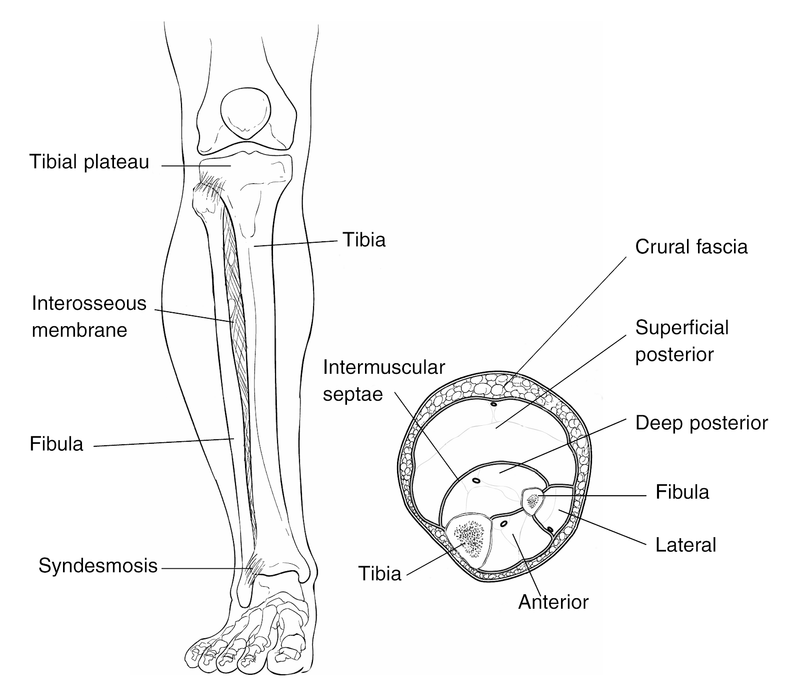
Figure 2 The muscular compartments of the leg are enveloped by strong septae. Swelling within the compartments will increase the pressure on the nerves and compromise the perfusion of the muscles.
). The next most common site is the forearm. The foot, the hand, and the thigh can also be affected. If compartment syndrome is untreated or the diagnosis is missed, permanent tissue damage may occur. This includes death of the tissues in the compartment or loss of function in the muscles distal to the compartment but supplied by nerves that course through it.
Factors responsible for increased compartment pressures are classified as either external or internal. External factors are those that reduce the size of muscle compartments and include tight casts and splints, various types of occlusive dressings, and the eschar of burns. Internal factors are those that increase compartment volume and include bleeding (especially from fractures), tissue swelling, and iatrogenic fluid infusion into the soft tissue. Fractures of the tibia, fibula, and forearm are responsible for most cases of compartment syndrome.
Because of the devastating consequences of compartment syndrome, early recognition is essential. A high index of suspicion must be maintained in patients with fractures, crush injuries, or other injuries involving extremity pain. Physical findings vary, but the earliest and most important findings are pain out of proportion to the injury and pain with passive stretching of the muscle. Other findings may include sensory deficits, paresthesias, weakness, and pallor. Palpable pulses do not exclude the possibility of compartment syndrome, but the absence of palpable pulses should raise concern about arterial injury. The compartment may be visibly swollen with taut skin and exquisite tenderness to palpation. There are no physical findings that exclude the diagnosis. If the diagnosis is considered, pressures must be measured.
Compartment syndrome is confirmed by the measurement of an elevated compartment pressure. Although the exact pressure at which tissue viability is compromised cannot be cited with certainty, in general, compartment pressures greater than 40 mm Hg should be considered dangerous. A lower criterion should be applied when the patient is hypotensive; in this instance, there is less force driving perfusion of the extremity. Commercial handheld instruments to measure compartment pressure are now widely available in emergency departments and may be used when the diagnosis is considered.
Definitive treatment is surgical decompression of the compartment (
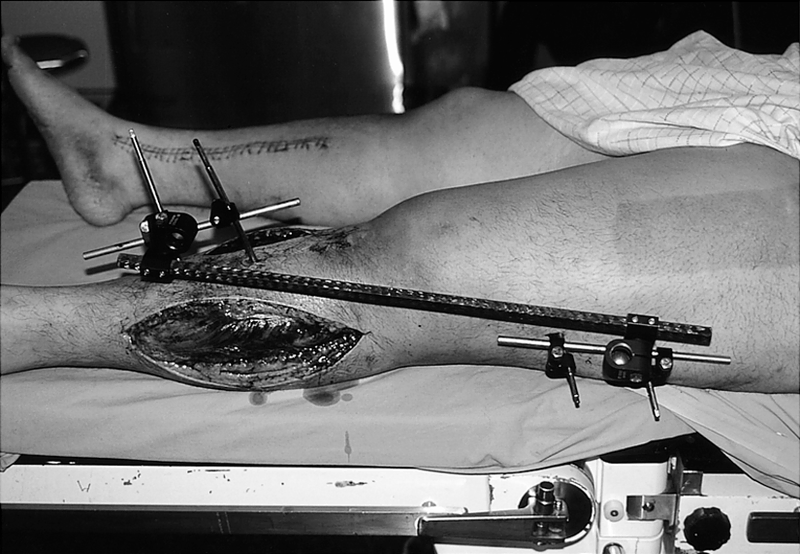
Figure 3 Treatment of a compartment syndrome involves surgical release of the compartments (fasciotomy). In this photo, a patient with a dislocated knee is shown with an external fixator used to stabilize the knee; the open wound shows the surgical release of the compartments.
(Reproduced from Schenck RC, Hunter RE, Ostrum RF, Perry CR: Knee dislocations. Instr Course Lect 1999;48:519.)
). Delays of longer than 8 hours are associated with high levels of permanent myoneural damage.7 While awaiting the definitive treatment, tight dressings should be removed and casts or splints cut off.
Open Fractures
Any fracture with a puncture wound or laceration of the overlying soft tissue or frank exposure of bone is considered an open fracture (formerly referred to as compound fracture). Exposure of open bone makes the diagnosis straightforward (
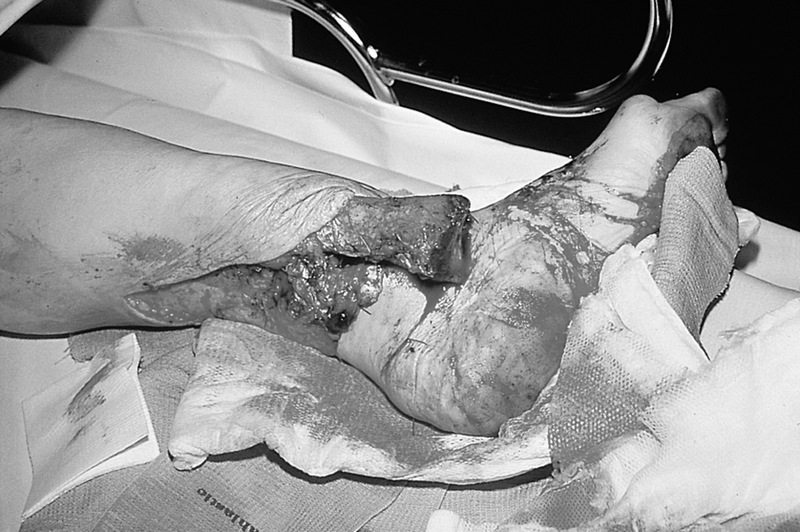
Figure 4 An open fracture of the tibia. Urgent treatment is needed for reduction and wound management.
). However, a puncture wound can easily be dismissed as an isolated soft-tissue injury. Open fractures are considered musculoskeletal emergencies and require aggressive treatment to prevent infection. Surgical consultation is necessary in every instance because many of these fractures require surgical irrigation and débridement, along with definitive alignment and stabilization. Moreover, early recognition helps to prevent infection, promote normal healing, and restore normal function. Potential complications include infection of the soft tissues and bone, nonunion of the fracture, limb shortening, and impaired lymph drainage. In extreme cases, complications may lead to amputation.
Up to 30% of patients with open fractures have multiple system injuries.8 The presence of concurrent life-threatening injuries may delay diagnoses of fractures, but securing a patent airway and hemodynamic stabilization should always be the priorities in these patients.
Open fractures can be classified by the degree of soft-tissue damage overlying the fracture site.9 This classification system is imperfect, but it provides a common lexicon with which to communicate information to other physicians and can help with prognostic and management issues (Table 1).
Emergency treatment of an open fracture includes removing obvious debris, covering the wound, giving tetanus prophylaxis and antibiotics, and temporarily stabilizing the limb. Covering an open wound early provides a warm environment that preventstissue desiccation, promotes healing, andreduces continued exposure to potential pathogens. Infection rates are lower in wounds covered early and left covered until débridement.10
By definition, all open fractures are contaminated wounds. Thus, early treatment with antimicrobial agents is necessary for all open fractures, preferably within the first3 hours after injury. Antibiotics should cover gram-positive (Staphylococcus aureus), gram-negative (Pseudomonas aeruginosa and Escherichia coli), and anaerobic organisms. Duration of antibiotic coverage correlates with the severity of the injury.
| Grade | Severity of Injury | Antibiotic Therapy/Duration |
|---|---|---|
| I | <1 cm long wound sizeMinimal contaminationLow-energy mechanism of injury | First/second cephalosporin for 3 days |
| II | 1 to 10 cm long wound sizeModerate contaminationModerate mechanism of injury | First/second cephalosporin plus aminoglyco side for 3 days |
| III | >10cm long wound sizeHigh-energy mechanism of injuryComminuted fractureExtensive tissue damage Extensive contamination | First/second cephalosporin plus aminoglyco side for 5 days |
With few exceptions, open fractures require high-volume irrigation in the operating room. The goals of irrigation are to remove debris and bacteria and to provide a clean field to better identify the extent of tissue and bone damage. Tissue integrity is improved and wound sepsis decreased by thorough irrigation and débridement.
Pelvic Fractures
A pelvic fracture can be one of the most severe types of fractures; fortunately, it is one of the least common, accounting for only approximately 3% of all fractures. Although pubic rami fractures can occur with minimal trauma—and are often clinically benign—most pelvic injuries occur as a result of high-impact forces, such as motor vehicle, motorcycle, and pedestrian collisions. Because of the large forces necessary for pelvic injury, its presence suggests the likelihood of other injuries. One feared consequence of a pelvic fracture is death from hemorrhagic shock. The pelvic compartment is spacious and can accommodate a large volume of blood. Consequently, a patient with a pelvic fracture can exsanguinate from venous or osseous bleeding.
The pelvis contains the iliac vessels, urogenital organs, the distal portion of the gastrointestinal tract, and a multitude of neural plexi, including the pudendal and sciatic nerves. Surgical repair of arterial injuries or embolization of bleeding vessels by interventional radiologists is sometimes required to control hemorrhage.
Immediate treatment begins with assessment of the trauma ABCs. The physical examination should focus on evaluation for signs of pelvic injury, such as ecchymosis (bruising or discoloration) or hematoma in the perineal and scrotal areas, focal pelvic bony tenderness, crepitus, or pelvic instability. Pelvic instability, assessed by pain or laxity when the iliac spines are compressed laterally or anteroposteriorly suggests a pelvic fracture until proven otherwise. Gross blood at the urethral opening, a high-riding or nonpalpable prostate on rectal examination, or vaginal bleeding indicates urologic injury that requires radiologic workup and urologic consultation. A complete neurologic examination, including assessment of anal sphincter tone, is necessary to exclude neurologic injury. Intra-abdominal injury also should be ruled out in patients with multiple system injuries and those found to have pelvic fractures.
Angiography should be considered for hemodynamically unstable patients believed to have massive bleeding in the pelvis. This invasive procedure identifies which vessels are bleeding so that immediate embolization can be performed. Angiographic intervention has a high success rate, but if embolization fails to control the bleeding, surgical treatment is difficult and the mortality rate is high.
Long Bone Fractures
Fractures of the long bones—the femur, humerus, tibia, and fibula—are rarely missed or overlooked. The mechanism of injury is most commonly blunt trauma, such as a motor vehicle accident or a fall. However, the incidence of penetrating trauma, such as that from gunshot wounds, is steadily increasing. Significant energy is necessary to break large bones; therefore, a thorough examination is needed to identify associated injuries. Long bone fractures can result in significant blood loss, but shock from these injuries alone is rare. Although complications still can occur as a result of long bone fractures, they are less common now because of advances in equipment, surgical techniques, and rehabilitation programs. Early complications include blood loss, fat embolism syndrome, and infection. Fat embolism syndrome is characterized by progressive respiratory decline, fever, change in mental status, and thrombocytopenia (low platelet count). These findings are a consequence of the release of fat globules into the circulation. Long-term complications of fracture include nonunion, limb shortening, and posttraumatic arthritis.
The diagnosis of a long bone fracture is often straightforward; the extremity appears swollen, painful, and may be malaligned because of the deforming forces of the attached muscle groups. Attention to the neurovascular status of the affected extremity is necessary because arterial and nerve injuries may occur. AP and lateral radiographs typically confirm the diagnosis.
Upon confirmation of a long bone fracture, three steps must be taken immediately. First, a splint must be applied to the extremity to stabilize the fracture. Repositioning the fracture in anatomic alignment decreases bleedingand pain. Second, adequate pain medication should be given. Third, immediate surgical consultation is required. Definitive management will depend on the type of fracture, the site of the fracture, and the type of associated injuries. Early treatment is associated with shorter hospital stays, quicker time to mobilization, and fewer complications.11
Long bone fractures can be associated with significant blood loss (femur, 1.0 to 1.5 L; humerus, 0.2 to 0.5 L; and tibia/fibula, 0.4 to 0.8 L).12,13 However, hemodynamic instability should not be attributed to a long bone fracture until the other injuries are excluded.
Bite Wounds
Bite wounds account for more than 3 million hospital and office visits each year. Bite wounds become a true musculoskeletal emergency because patients often delay seeking medical attention. Therefore, urgent treatment is needed at the time of presentation.
Dog bites account for most of all bites (>80%) and are easily treated without major complications.14 Cat bites are the second most common of all bites. Human, rodent, and wild and exotic animals bites occur but are less common. Special consideration should be given to human bites, particularly closed-fist injuries. These occur when a closed fist hits another individual’s mouth and directly inoculates the wound with oral secretions.
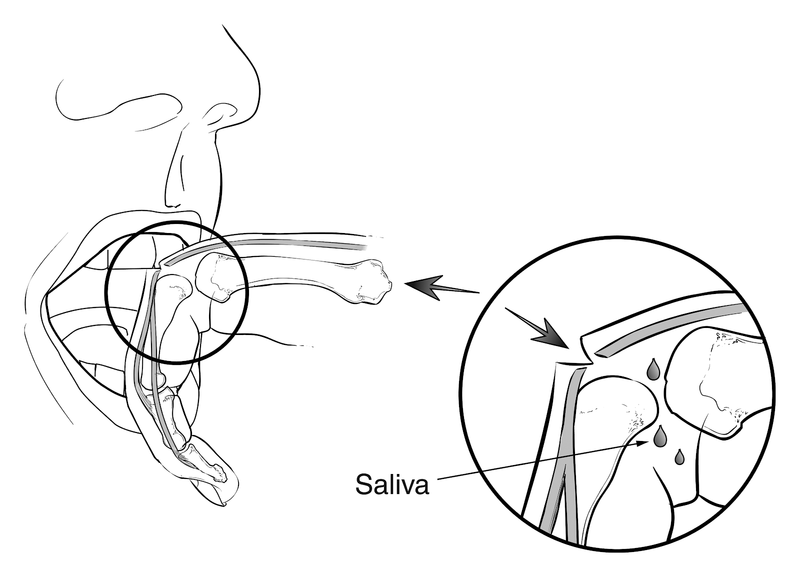
Figure 5 Mechanism of tendon laceration in closed-fist human bite injury.
(Adapted with permission from Carter PR: Common Hand Injuries and Infections: A Practical Approach to Early Treatment. Philadelphia, PA, WB Saunders, 1983.)
The skin overlying the metacarpal head is the typical injury site. That which appears to be a simple abrasion or laceration on the hand can quickly develop into an extensive closed-space infection.
A variety of mechanical injuries to the soft-tissue structures and bone occur with bite wounds. Dog and human bites tend to cause crush injuries, while cat bites are predominately puncture wounds and abrasions. Scratches rarely result in serious infection, whereas puncture wounds and closed-fist injuries have high rates of infection. The types of infection include cellulitis, necrotizing fasciitis, tenosynovitis, septic arthritis, and osteomyelitis. Most infections from bites involve both aerobic and anaerobic bacteria. S aureus and streptococci are the most common bacteria in all bite wounds. Pasteurella multocida is common in cat bites.
The patient’s medical history should include information about the type of animal, time of the injury, the circumstances of the bite, and the patient’s tetanus inoculation status. Information about any history of immune system depression, diabetes, splenectomy, and peripheral vascular disease should be noted as well because these factors place the patient at a higher risk for infection. Wounds treated within 8 hours of the incident usually result in a lower rate of infection. Unprovoked animal attacks should raise the suspicion of rabies.
The physical examination should focus on the skin, tendons, joints, bones, and neurovascular status. Signs of fluctuance, drainage, and erythema indicate infection. Closed-fist injuries should be examined closely for joint involvement and extensor tendon injury (Fig. 5).
Radiographs are useful for all but superficial bites to rule out foreign bodies (teeth), presence of air or gas (signifying gangrene), and involvement of the underlying bone. All bite wounds should be irrigated. Necrotic tissue should be débrided and any foreign bodies removed. Bites to the extremities may benefit from a period of elevation and immobilization. If rabies is suspected (eg, with raccoon, bat, skunk, fox, and unvaccinated dog bites), both active and passive rabies vaccinations should be administered and state or local public health officials notified. Tetanus prophylaxis should be updated as well.
| Bite Wound Characteristics | Antibiotics | Treatment |
|---|---|---|
| <8 hours oldNot on hand or faceClean with no soft-tissue injury | Controversial: none versus 3 to 5 days of oral amoxicillin/clavulanic acid or doxycycline therapy versus ceftriaxone administered intramuscularly | Primary closure |
| Superficial hand or facial bitesLimited cellulitis | 14 days of amoxicillin or doxycycline | Delayed primary closure |
| Puncture or closed-fist injuryDeep infection | Broad-spectrum antibiotic therapy (intramuscular or oral) with close follow-up or intravenous administration | Extensive débridementSecondary closure |
| Involvement of tendon, nerve, joint, or boneExtensive cellulitisNecrotizing fasciitisPersistence of the wound despite oral antibiotic therapy | Intravenous antibiotic therapy | Extensive débridementPossible amputation |
outlines the general treatment options based on the bite wound characteristics.
Effusions
Abnormal fluid accumulation in the joint is called an effusion. The presence of an effusion is not always considered an emergency; fluid may accumulate in many chronic conditions. Nonetheless, the presence of two types of fluid, pus and blood, signify an acute condition. Establishing the cause requires a complete history of preceding events and associated symptoms, examination, imaging, and analysis of the joint fluid. The goals of timely examination are threefold: (1) to make a diagnosis; (2) to initiate treatment with antibiotics and anti-inflammatory medications or surgical intervention; and (3) to prevent persistent pain and joint damage that could result in decreased mobility.
Most joint swelling represents isolated inflammation resulting from soft-tissue or bony injury. While any joint can be involved, the knee, hip, shoulder, wrist, ankle, and elbow are most commonly affected. In the absence of a history of local or overuse injury, effusions may indicate an infection, especially in a susceptible host. Infections require immediate treatment not only to prevent the spread of bacteria but to prevent damage to the articular surfaces by the body’s own immune response. Inflammation of multiple joints often suggests a systemic condition such as gout, pseudogout, rheumatoid arthritis, septic arthritis, or osteoarthritis. A history of anticoagulant use or hemophilia may account for the presence of blood in the joint (hemarthrosis) in the absence of trauma.
Needle aspiration of joint fluid—a procedure called an arthrocentesis—may yield important information about the cause of the joint swelling and may also relieve symptoms by decompressing the joint.15 Joint fluid should be analyzed for cell count, Gram stain, presence of crystals, and culture. A culture of the fluid is the best way to exclude or confirm septic arthritis and will also identify the organism. The presence of fat droplets on microscopic analysis of the joint fluid is evidence of a joint fracture. A clinical decision rule, such as “consider a joint infected if the white blood cell count is greater than 50,000/mm3,” can be used as a proxy until the culture results are known. A lower white blood cell count threshold will increase the sensitivity of the rule at the expense of specificity.
Fractures involving the articular surfaces with subsequent development of effusions require surgical consultation. Although not all fractures require surgical treatment, timely consultation with a surgeon will help ensure that those with healing potential are treated before displacement or damage to the fragment occurs. When the culture findings are consistent with infection, antibiotic therapy should be initiated. The most common bacterial sources of septic arthritis are Neisseria gonorrhoeae and S aureus. Purulent effusions require drainage, but debate continues as to whether surgical lavage or serial needle aspiration is the more effective treatment.
Dislocations
A dislocation occurs when the two articular surfaces of a joint are no longer in contact. Subluxation occurs when there is only partial contact between articular surfaces, resulting in disruption of normal joint alignment. Dislocations are considered musculoskeletal emergencies because of possible associated neurovascular stretch injuries, the impact of which can be diminished by immediate reduction of the joint. Missed dislocations can lead to ischemic bone death, permanent neurologic injury, and in rare cases amputation. The potential for eventual degenerative joint disease and functional impairment can be reduced with appropriate early treatment.
The structures surrounding a joint can become impinged, stretched, or lacerated when the bones are suddenly moved out of alignment, as can occur as the result of a motor vehicle accident or a fall (
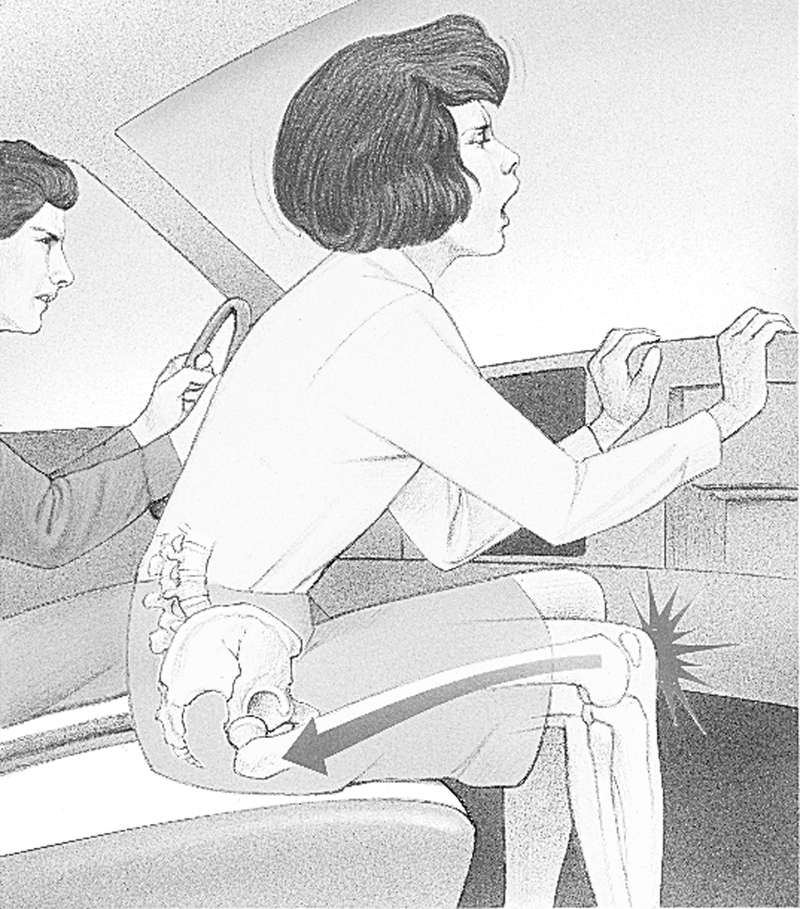
Figure 6 Significant force is required to cause hip dislocations.
). Vascular injury may cause bony damage from ischemia, resulting in osteonecrosis (bone death). Nerve injury from impingement can cause neurapraxia, a temporary loss of neural function, and paresthesias, which are tingling, burning, or prickly sensations. Laceration or severe nerve impingement may cause permanent injury. Although the peripheral nervous system has some regenerative capabilities, preinjury neural function is rarely restored completely. To avoid osteonecrosis and neurologic injury, immediate reduction should be attempted to relieve pressure on the arteries or nerves. Direct damage to the articular surfaces may cause early arthritis, even if the joint is reduced in a timely fashion.
The shoulder is the most commonly dislocated joint. Although the dislocation can occur in any direction, anterior dislocations are the most common (>95%).16 Posterior dislocations can result from seizures or noncontact mechanisms, such as electrocutions or lightning strikes. These mechanisms result in a forceful contraction of the muscles, and power imbalances can displace the humeral head posteriorly. Posterior dislocations are associated with fractures of the lesser tuberosity. Because the shoulder joint has a large humeral head in contact with a shallow socket, the ligamentous capsule and rotator cuff muscles play a major role in shoulder stability. These restraints are often torn during a dislocation. Therefore, chronic instability may result from a single traumatic event. The axillary nerve lies close to the shoulder joint and may be injured in an acute shoulder dislocation. Vascular compromise is less of a concern in shoulder dislocations than in the hip; however, if a fracture is present, ischemia of the humeral head can occur, resulting in osteonecrosis.
The hip, by contrast, is a remarkably stable structure. Hip dislocations typically occur as a result of high-energy injuries, such as motor vehicle accidents. The hip joint is reinforced anteriorly by the iliofemoral ligament and posteriorly by the ischiofemoral ligament. The ligaments are stronger anteriorly; therefore, most hip dislocations (>85%) occur posteriorly.17 A posterior dislocation occurs when the hip and knee are flexed and the extremity experiences an anterior blow to the knee, as in the case of a car passenger’s knee hitting the dashboard during a sudden stop or collision. Associated fractures of the acetabulum and pelvis are not uncommon. Hip dislocations may result in damage to the arterial network supplying the femoral head. Closed reduction is usually successful in restoring blood flow to the femoral head; long delays to reduction increase the risk of osteonecrosis.
Dislocations around the knee often involve the patellofemoral joint (the joint between the patella and femur). Given the strong ligaments that support it, the joint between the tibia and femur is rarely dislocated; however, when a dislocation does occur, significant damage to the knee joint results. The popliteal artery lies behind the knee and is highly susceptible to traction injury if the knee dislocates. Reducing a knee dislocation may not resolve an arterial injury because there may be damage to the inner lining of the vessel (also called an intimal tear) that promotes thrombosis. Loss of blood flow may require amputation if the arterial injury is not detected. Other potentially serious problems associated with knee dislocations are compartment syndrome and damage to the common peroneal nerve, which is tethered to the fibula and thus cannot tolerate much stretch.
| Joint | Physical Findings | Imaging Studies | Initial Management |
|---|---|---|---|
| Shoulder | Squared appearanceLoss of acromial fullnessPossible axillary nerve damage | AP, lateral, and axillary views | Closed reductionSling immobilization |
| Hip | Posterior dislocation (shortened, adducted, flexed, internally rotated)Anterior dislocation (abducted, externally rotated) | AP and lateral views, CT | Immediate closed reductionOpen reduction if fracture fragments are in the joint |
| Knee | Gross instabilityPossible popliteal artery injury Possible compartment syndrome findings | AP and lateral views, angiography, MRI | Closed reductionSerial vascular examinationsSurgery for vascular compromise Fasciotomy for compartment syndrome |
lists the features of shoulder, hip, and knee dislocation. For any dislocation, serial neurovascular examinations should be documented. Absence of pulses or nerve deficits should prompt immediate reduction. Postreduction neurovascular assessment is essential as well. Plain radiographs of the joint should be obtained before and after reduction to assess for fractures and misalignment.
Deep Venous Thrombosis
Deep venous thrombosis (DVT) is a dangerous complication in that it may lead to development of pulmonary embolism (PE) and thus result in sudden death. Elective hip and knee surgery and lower extremity fractures are significant risk factors for DVT.18 Therefore, maintaining a high index of suspicion forboth DVT and PE and providing prophylacticmedications to patients scheduled to undergo surgery may decrease morbidity and mortality.
DVT is caused by at least one of three factors first described by Virchow in 1856: venous stasis, endothelial injury, and hypercoagulability. In musculoskeletal medicine, all three may play a role. Patients are normally supine when undergoing surgery; this position decreases venous return to the heart, resulting in stasis. Casts and splints also contribute to venous stasis. Endothelial injury and the postoperative release of tissue factors increase the risk of hypercoagulability. Other risk factors include prior DVT, congestive heart failure, malignancy, pregnancy, use of oral contraceptives, certain genetic traits, and a history of long-term immobilization.
Most thrombi form in the lower extremities. Thrombus formation can cause acute thrombophlebitis, an inflammation of the vein, manifested as erythema and pain. The clot will usually reorganize within the vessel lumen over time. However, an unstable clot may embolize, travel proximally to the heart, and lodge in the pulmonary arteries causing a PE. Acute PE causes hypoxia by shunting blood through regions of low perfusion—a condition known as a ventilation-perfusion mismatch. If one or both of the major pulmonary arteries are totally occluded (called a saddle embolus), cardiac failure and immediate death may occur.
Physical examination of a patient with DVT typically reveals pain and asymmetric swelling and erythema of the involved extremity. The degree of pain, swelling, and redness does not correlate with the size of the thrombus, however. The physical findings are not perfectly sensitive; hence, imaging studies are needed to make the diagnosis if treatment is being considered. Doppler ultrasound has greater than 90% sensitivity and specificity for detecting thrombi above the knee19 (
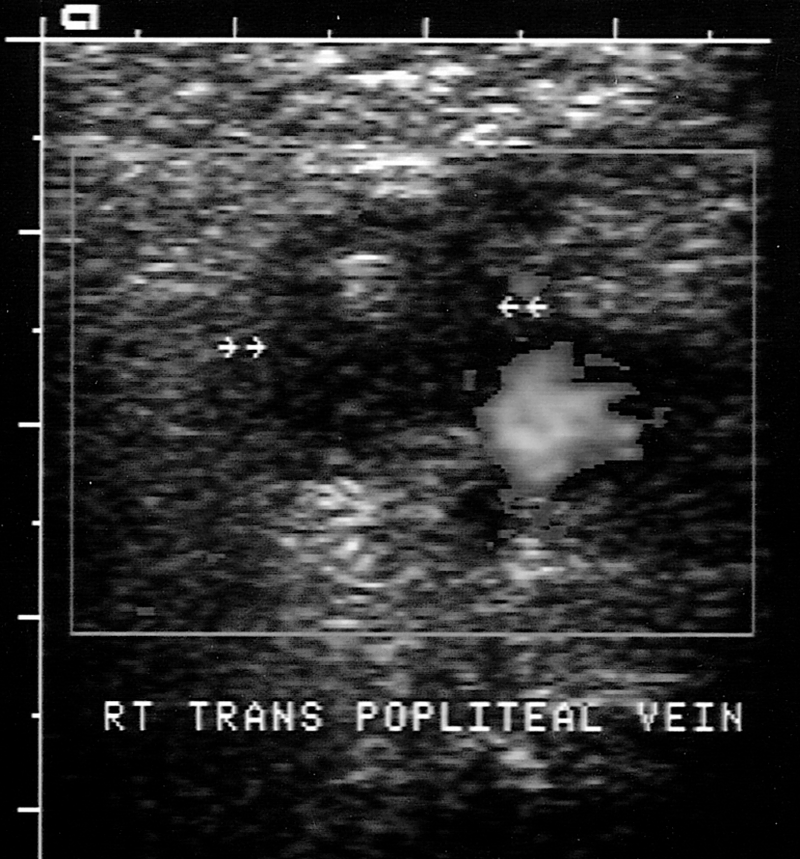
Figure 7 Doppler ultrasound image of a patient with swelling in the leg shows an area of occlusion in the popliteal vein (arrows).
). Impedance plethysmography, which measures electrical resistance caused by changes in venous flow, has been largely replaced by Doppler ultrasound but is still used in some centers. The gold standard is contrast venography, but it is an invasive procedure and contraindicated in patients with allergies to the contrast medium or those who have renal insufficiency. MRI has a high sensitivity and specificity but is not yet commonly used. It may, however, become one of the first-line tests used in the future, especially for diagnosing pelvic thrombi.
Signs and symptoms of PE include dyspnea, tachypnea, hypoxia, pleuritic chest pain, and hemoptysis in the context of possible risk factors discussed above. The ventilation-perfusion scan has become the first-line test for detecting a PE because it compares the pulmonary distribution of an inhaled, inert, radioactive gas with that of an intravenous contrast. Mismatch defects are highly suspicious for the presence of a PE. An adjunctive test for diagnosing PE is the lower extremity Doppler ultrasound. The gold standard, however, is contrast pulmonary angiography, which must be used with caution because it is an invasive procedure for which contrast material is required.
Anticoagulation medication is used for both prophylaxis and treatment. Treatment options include unfractionated heparin, low-molecular-weight heparin, selective thrombin inhibitors, and warfarin. Each medication acts through different mechanisms on the clotting cascade. Each form of anticoagulation has associated risk and benefits, and the identification of the best medication continues to be the subject of intense debate and research. The main risk associated with use of anticoagulation therapy is bleeding. Therapy using unfractionated heparin and warfarin needs to be monitored to achieve and maintain a therapeutic range; otherwise, these agents can cause hemorrhagic stroke or massive internal bleeding. Venous valve destruction and chronic venous hypertension may result from the presence of chronic DVT.
Occult Fractures
Not all fractures are obvious on plain radiographs. For example, fractures of the scaphoid (also called the carpal navicular) and certain hip and growth plate fractures can elude radiographic detection. For some of these fractures, delayed diagnosis may be harmful.
A complex of ligaments supports the articulations between the carpal bones and the distal radius and ulna. A feature unique to the scaphoid is that its blood supply is derived from the distal aspect of the palmar arterial arch, which enters from the distal aspect of the bone and proceeds proximally. Thus, an injury to the distal portion of the bone, especially with displacement, may interrupt the tenuous blood supply to the more proximal parts of the scaphoid. A scaphoid fracture is considered an emergency in that failure to detect a nondisplaced fracture may allow it to displace, resulting in osteonecrosis. Emergency treatment of a suspected scaphoid fracture, even if radiographs do not identify it, includes protective immobilization.
Patients with scaphoid fractures usually have pain and swelling of the hand, wrist, or forearm. Moreover, three clinical findings are classically associated with scaphoid fractures: (1) snuffbox tenderness; (2) tenderness to palpation of the scaphoid tubercle; and(3) pain on axial loading of the first metacarpal.20 The anatomic snuffbox is the depression formed by the tendons of the extensor pollicis longus (on the ulnar side), the extensor pollicis brevis, and abductor pollicis longus (on the radial side) (
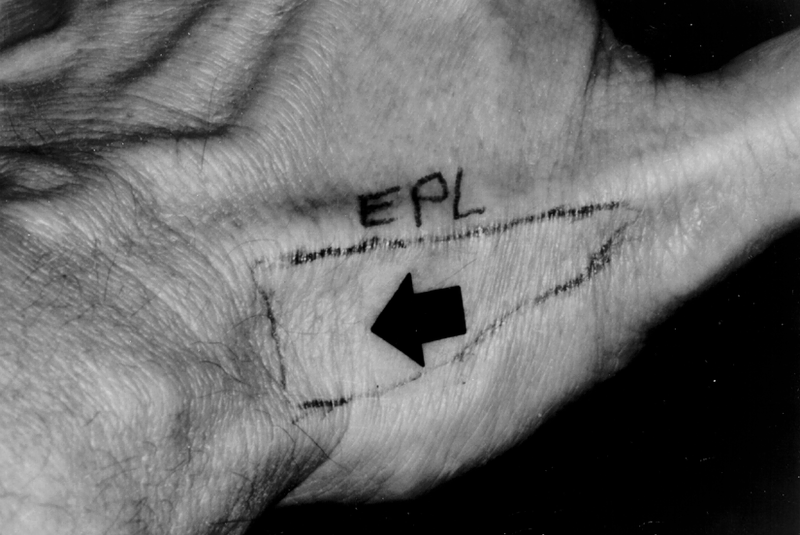
Figure 8 Palpation of the anatomic snuffbox can help detect an occult scaphoid fracture.
). Pain is elicited by applying digital pressure on the floor of the depression. The scaphoid tubercle, which is located at the distal radial aspect of the flexor crease, is best felt with the wrist in radial deviation. Tenderness with digital pressure suggests a scaphoid fracture. Axial loading is performed by gripping the first metacarpophalangeal joint, which is extended and slightly abducted, and compressing proximally. This pressure directs a compressive force on the scaphoid. If pain is elicited by any of the maneuvers, then a scaphoid injury should be suspected.
Up to 20% of scaphoid fractures do not appear on radiographs. Thus, a careful his-tory and clinical examination are critical. Bone scanning and CT are sometimes used several days after an injury if the diagnosis is still in question, but these imaging studies are not appropriate in the acute setting.
Immobilizing suspected fractures in a neutral position prevents further movement and damage. Immobilization can be discontinued at the time of follow-up if no fracture is present.
Key Terms
Arthrocentesis A procedure in which a needle is used to aspirate joint fluid
Compartment syndrome Ischemia of the nerves and muscles within a fascial compartment caused by elevated pressure within the compartment; frequently seen in association with tibial fractures
Crush injury An injury produced as a result of continuous pressure applied to a part of the body, usually an extremity
Deep venous thrombosis Venous clot formation caused by immobilization, hypercoagulability, obstructed venous flow, or endothelial injury, among others
Dislocation Complete displacement of a bone from its normal position in the joint, resulting in a complete loss of contact between articular surfaces; usually implies ligament damage or preexisting laxity
Ecchymosis Bruising or discoloration associated with bleeding within or under the skin
Effusion The presence of fluid within a joint
Ischemic Lacking oxygen, usually as the result of partial or complete blockage of blood flow
Neurapraxia A temporary loss of neural function
Open fracture A fracture in which the skin is broken, exposing the fracture site to the environment
Osteonecrosis The death of bone, often as a result of obstruction of its blood supply
Paresthesias Abnormal sensations such as tingling, burning, or prickling
Pulmonary embolism Migration of a thrombus from a large vein (often in the leg) to the lung, causing obstruction of blood flow, respiratory distress, or even death
Saddle embolus A condition in which one or both of the major pulmonary arteries are totally occluded
Subluxation Partial or incomplete dissociation of joint surfaces.
References
1. Frohna WJ: Emergency department evaluation and treatment of the neck and cervical spine injuries. Emerg Med Clin North Am 1999;17:739-791.
2. Ruoff B, West OC: The cervical spine, in Schwartz DT, Reisdorff EJ(eds): Emergency Radiology. New York, NY, McGraw-Hill Health Professions Division, 2000, pp 269-318.
3. von Schroeder HP, Botte MJ: Crush syndrome of the upper extremity. Hand Clin 1998;14:451-456.
4. Gans L, Kennedy T: Management of unique clinical entities in disaster medicine. Emerg Med Clin North Am 1996;14:301-326.
5. Better OS, Rubinstein I, Winaver J: Recent insights into the pathogenesis and early management of the crush syndrome. Semin Nephrol 1992;12:217-222.
6. Mabee JR, Bostwick TL: Pathophysiology and mechanisms of compartment syndrome. Orthop Rev 1993;22:175-181.
7. Lagerstrom CF, Reed RL II, Rowlands BJ, et al: Early fasciotomy for acute clinically evident posttraumatic compartment syndrome. Am J Surg 1989;158:36-39.
8. Gustilo RB, Merkow RL, Templeman D: The management of open fractures. J Bone Joint Surg Am 1990;72:299-304.
9. O’Meara PM: Management of open fractures. Orthop Rev 1992;21:1177-1185.
10. Alonso JE, Lee J, Burgess AR, et al: The management of complex orthopedic injuries. Surg Clin North Am 1996;76:879-903.
11. Dunham CM, Bosse MJ, Clancy TV, et al: Practice management guidelines for the optimal timing of long-bone fracture stabilization in polytrauma patients: The EAST Practice Management Guidelines Work Group. J Trauma 2001;50:958-967.
12. Simon RR, Koenigsknect SJ: Fracture principles, in Simon RR, Koenigsknect SJ(eds): Emergency Orthopedics: The Extremities, ed 4. New York, NY, McGraw-Hill, 2001, pp 3-23.
13. Rudman N, McIlmail D: Emergency department evaluation and treatment of hip and thigh injuries. Emerg Med Clin North Am 2000;18:29-66.
14. Callahan ML: Bites and injuries inflicted by mammals, in Auerbach PS (ed): Wilderness Medicine: Management of Wilderness and Environmental Emergencies, ed 3. St. Louis, MO, Mosby Year Book, 1995, pp 927-973.
15. Johnson MW: Acute knee effusions: A systematic approach to diagnosis. Am Fam Physician 2000;61:2391-2400.
16. Daya M: Shoulder, in Rosen P (ed): Emergency Medicine: Concepts and Clinical Practice, ed 3. St. Louis, MO, Mosby Year Book, 1992, pp 626-658.
17. Phillips AM, Konchwalla A: The pathologic features and mechanism of traumatic dislocation of the hip. Clin Orthop 2000;377:7-10.
18. Heit JA: Prevention of venous thromboembolism. Clin Geriatr Med 2001;17:71-92.
19. Kearon C, Julian JA, Math M, et al: Noninvasive diagnosis of deep venous thrombosis: McMaster Diagnostic Imaging Practice Guidelines Initiative. Ann Intern Med 1998;128:663-677.
20. Parvizi J, Wayman J, Kelly P, et al: Combining the clinical signs improves diagnosis of scaphoid fractures: A prospective study with follow-up. J Hand Surg Br 1998;23:324-327.
