

Children are not simply smaller versions of adults. Their vast growth potential allows children at times to correct deformities that would lead to poor outcomes among adults. Consideration of long-term outcome is of critical importance in children because their bones, joints, and muscles must remain functional and pain-free not just during childhood but throughout the rest of their lives. Finally, the social and psychological toll that illness and disability take on a child and his or her family must be considered.
This chapter describes a wide range of topics that have been grouped together rather broadly. The disorders unite around the common theme of occurrence in childhood; the effects of these disorders, however, may not be limited to a person’s younger years.
Rotational Deformities
Intoeing and outtoeing are probably the most common nontraumatic musculoskeletal disorders that prompt parents to consult a physician. Because intoeing is more common than outtoeing, the chief complaint is generally that the child is “pigeon-toed” or that his or her feet turn in when he or she stands, walks, or runs. Parents will often express concern that the intoeing leads to falls, and they may state that they needed braces or special shoes for a similar problem when they were children. It is sometimes helpful to reassure the family that most rotational deformities are variations of normal development and that they correct spontaneously without the need for surgical intervention.
Intoeing has three possible locations of origin: in the foot itself; in the leg, between the knee and the ankle; or in the thigh, between the hip and the knee. When the origin is the foot itself, the condition is known as metatarsus adductus,meaning that the forefoot is angled toward the midline of the body (Fig. 1
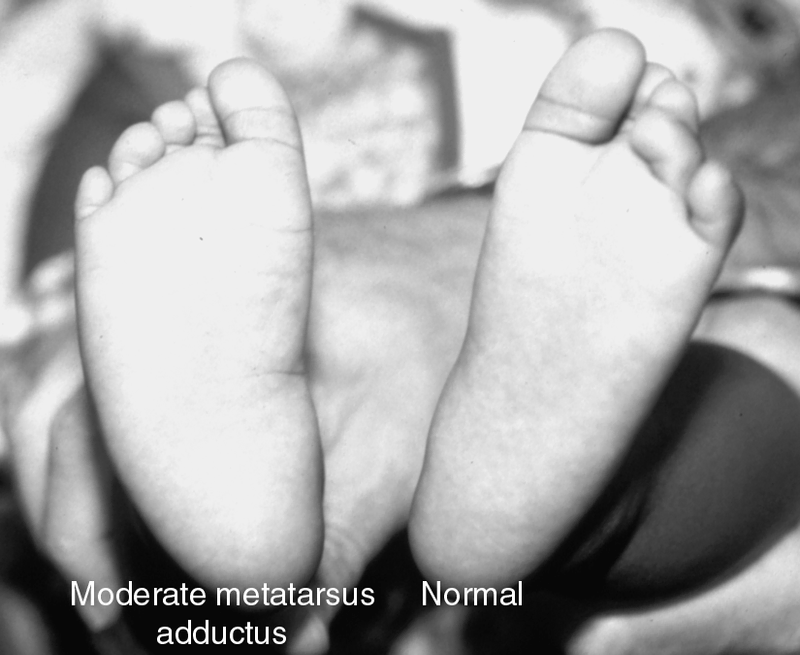
Figure 1 Metatarsus adductus.
).
Metatarsus adductus is a packaging defect, meaning that it is a deformity that is a direct result of the positioning of the baby inside the mother’s womb.
Metatarsus adductus can also be classified according to flexibility, and this classification is useful in determining the necessary treatment. Metatarsus adductus is considered actively correctable if the infant straightens the foot in response to being tickled. Passively correctable metatarsus adductus does not correct when the foot is tickled but can correct with gentle laterally directed pressure on the first metatarsal head. Rigid metatarsus adductus does not correct even with stretching.
For actively correctable metatarsus adductus, no specific treatment is necessary; spontaneous correction is the rule. For passively correctable metatarsus adductus, stretching exercises, in which the deformity is corrected as described above, are done five times per foot with each diaper change, holding the correction for 10 seconds each time. For rigid feet, either stretch casting, in which a series of casts is used to straighten out the deformity gradually, or the Wheaton brace, a removable, plastic version of a stretch cast, are treatment options (Fig. 2
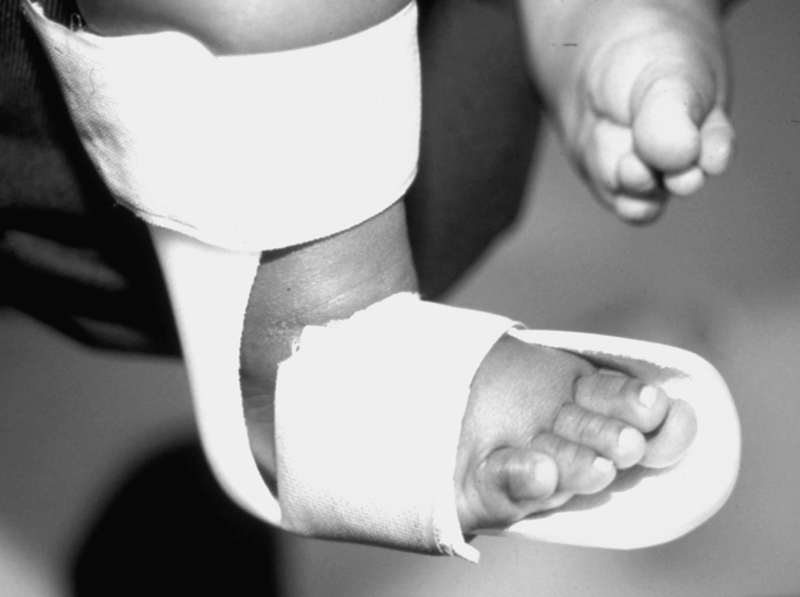
Figure 2 Wheaton brace for treatment of metatarsus adductus.
). It is important to differentiate between isolated metatarsus adductus and clubfoot.
Clubfoot is a more complex foot disorder that includes three separate deformities, of which metatarsus adductus is one. The hallmark of a clubfoot is a plantar flexion deformity called equinus, (“like a horse,” which indeed walks on its toes). Plantar flexion is not a feature of metatarsus adductus. Finally, there may be an association between metatarsus adductus and developmental dysplasia of the hip (DDH).1,2 Although it is not certain that these two conditions are truly associated, it is especially important to screen children with metatarsus adductus for DDH.
Angular Deformities
Common lower extremity angular deformities in children include genu varum (Fig. 3
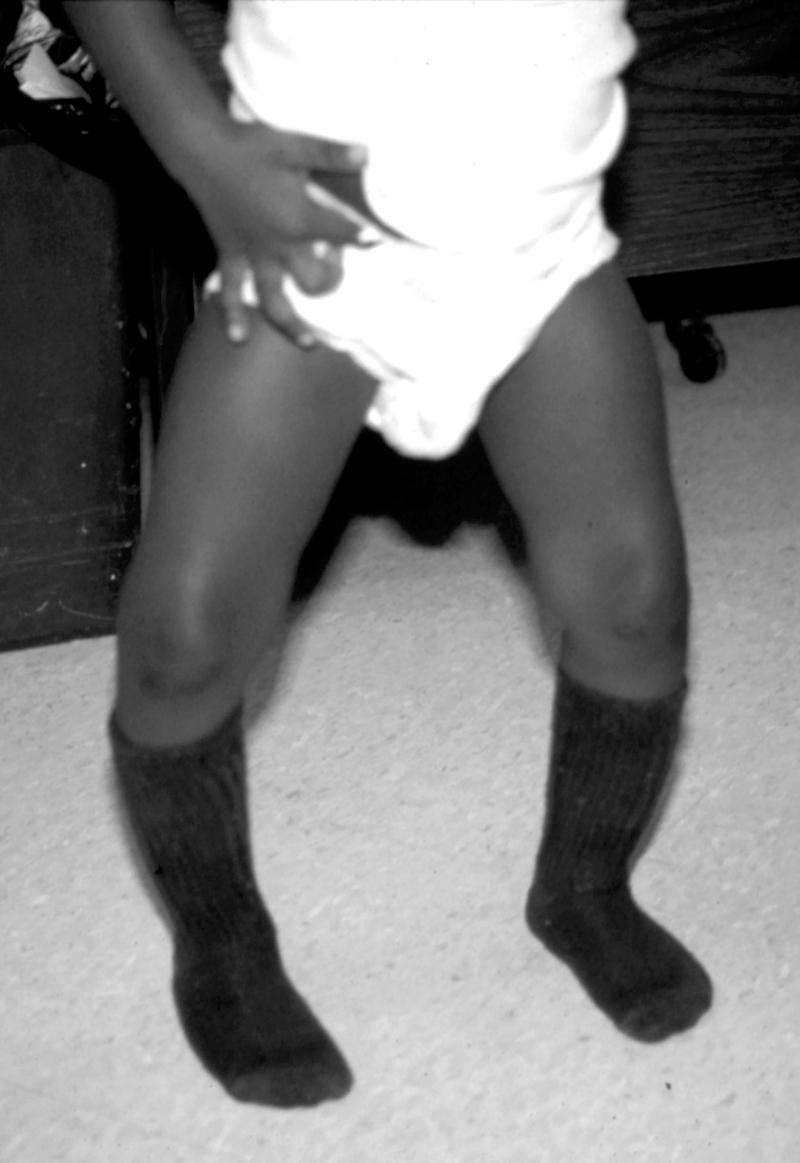
Figure 3 Genu varum.
) and genu valgum (Fig. 4
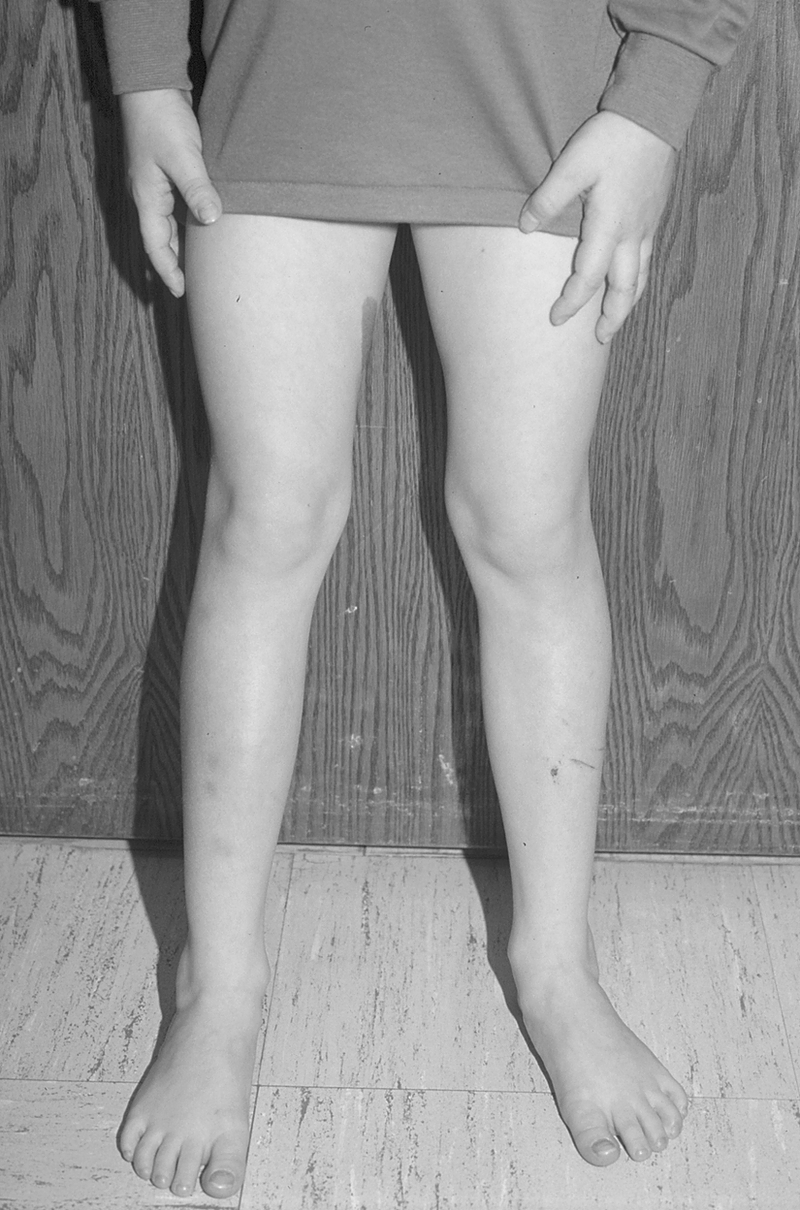
Figure 4 Genu valgum.
(Reproduced from Sullivan JA, Anderson SJ (eds): Care of the Young Athlete. Rosemont, IL, American Academy of Orthopaedic Surgeons and American Academy of Pediatrics, 2000, p 380.)
), colloquially known as bowlegs and knock-knees, respectively. Like the rotational deformities, these are usually a variation of normal, and a typical progression has been described.3All infants are born bowlegged, although parents usually notice this only when children start to pull themselves up to stand. Between the ages of 2 and 3 years, the bowlegging gradually decreases, and by the age of 3 years, children are maximally knock-kneed. The knees straighten somewhat over the next several years, and by the age of 7 years, most children will have reached the typical adult configuration, which is slightly valgus (knock-kneed). An explanation and reassurance to the parents are thus often the only intervention necessary for these common lower extremity angular deformities.
An angular deformity is considered pathologic when it is asymmetric, unilateral, or painful or when the trend of progression is different than expected. The differential diagnosis includes entities such as Blount’s disease, tumor, and infection, all of which can cause damage to the growth plate and result in angular deformity. Systemic conditions such as rickets, renal disease, and various dysplasias (dwarfisms) are possible as well.
Blount’s disease is a condition of unknown etiology in which the medial proximal tibial physis ceases to function appropriately, leading to relative overgrowth of the lateral side of the tibia. This results in curving of the tibia and genu varum (Fig. 5
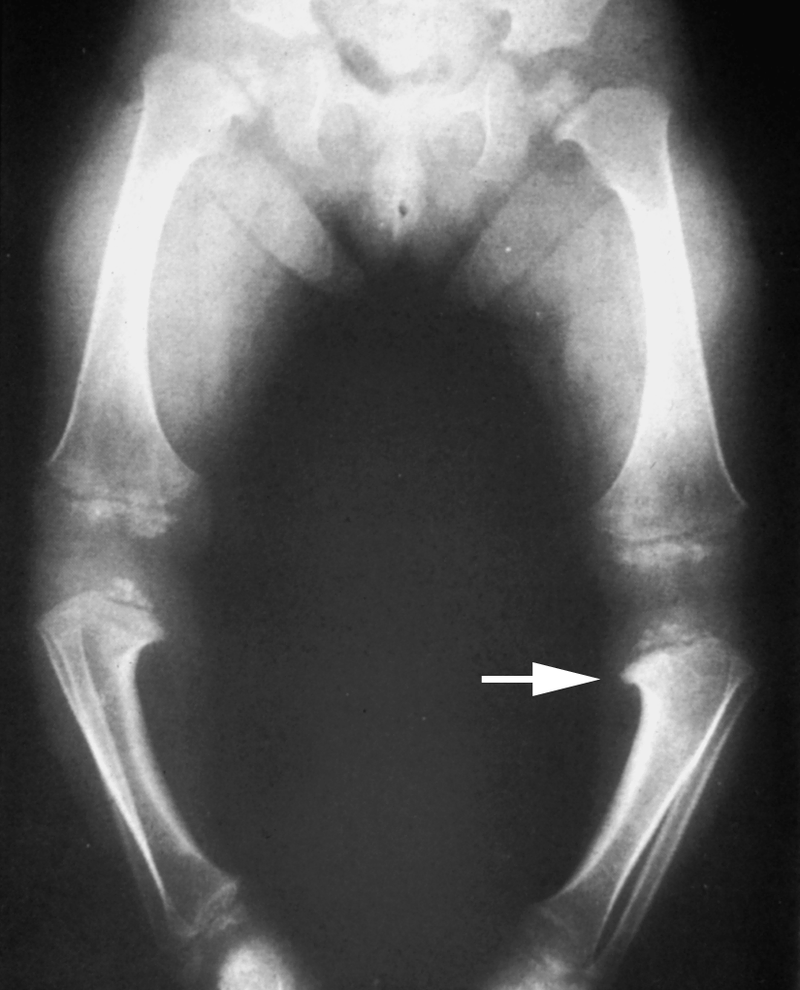
Figure 5 Radiograph of a patient with Blount’s disease, showing medial collapse (arrow).
). The disease is particularly common in African-American children, girls, children who are large for their age, and children who were “early walkers” (ie, walked when they were younger than 11 months). Although bracing has been tried in the past, the treatment for infantile Blount’s disease today is surgical realignment of the tibia and restoration of the proper mechanical axis of the leg.
Foot Deformities
Clubfoot
Clubfoot (talipes equinovarus) is a relatively common congenital deformity that occurs in 1 of every 1,000 live births, with about half of those cases being bilateral. The male-to-female ratio for affected children is 2.5:1. Inheritance is multifactorial; however, increased risk does seem to run in families in which one member is already affected. Clubfoot can also be a component of a dysmorphic syndrome or neuromuscular disorder.
The clubfoot deformity consists of three separate components: metatarsus adductus, equinus, and heel varus (Fig. 6
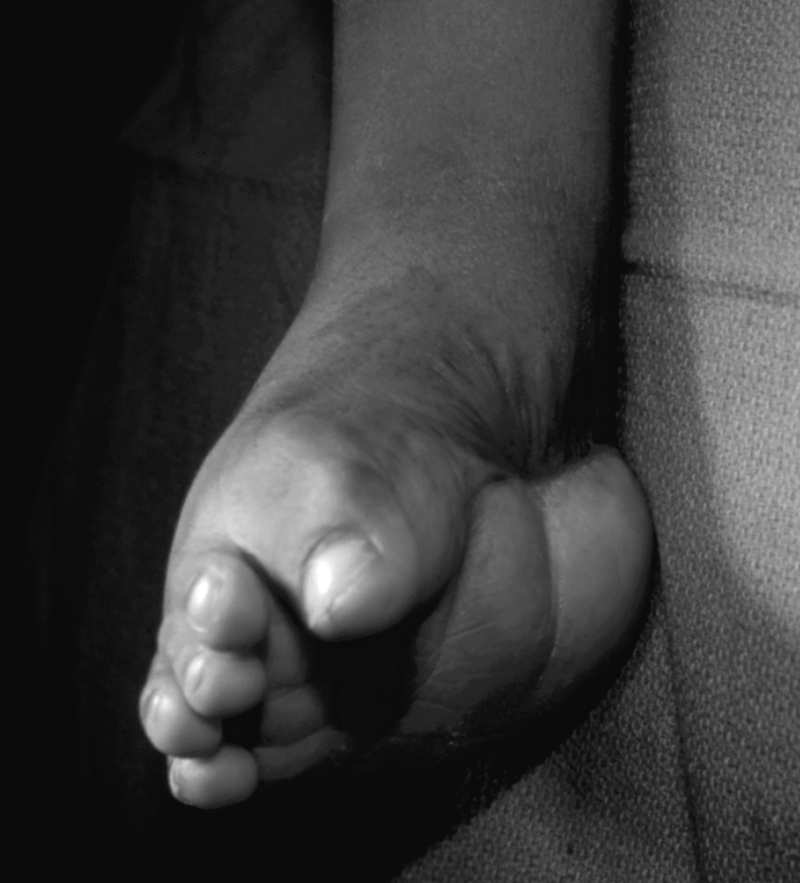
Figure 6 Recurrent clubfoot. This child has previously undergone surgery for clubfoot repair; the surgical scar is visible on the medial aspect of the foot.
). However, unlike isolated metatarsus adductus, clubfoot is not a packaging defect. The etiology of clubfoot is somewhat controversial, but it probably results from a primary germ-plasm defect or from an early intrauterine vascular event.4 In an affected foot, not only are the tarsal bones misshapen, small, and misaligned, but the musculature in the posterior compartment of the leg is also reduced in size. Therefore, in unilateral cases, it is important to explain to the parents that the affected foot and calf will always be smaller than that of the opposite normal side.
As discussed earlier, clubfoot and DDH are likely to be associated in some way. Therefore, children with an obvious clubfoot must be screened very carefully for DDH, with both serial physical examinations, and appropriate imaging studies.
Treatment for a clubfoot consists of manipulation of the foot (usually with serially applied casts), surgery, or a combination of the two. Generally, casting is attempted for 3 months, and, if unsuccessful, surgery is planned. Traditionally, the success rate for casting alone has been reported to be about 25%, with the remainder of children ultimately requiring surgery.
Flat Feet
Flexible flat feet (pes planus), in which the arch seems to be absent but reappears when the patient stands on the toes, is an autosomal dominant condition associated with generalized ligamentous laxity. The chief complaint is often that the child’s ankles “cave in.” This condition was once thought to contribute to back and knee problems later in life, but there is no evidence to support this.5 Most physicians prescribe shoe inserts only in cases in which the patient reports pain. Inserts, however, will not permanently form an arch; they only give the appearance of an arch as long as they are being worn. Finding a shoe with a built-in arch support will often achieve the same result, and wearing high-top shoes will help support the ankles. Reassuring the family that this is not a serious or dangerous condition is often a major component of intervention.
Rigid flat feet, in which the arch does not reform when the patient stands on the toes and in which the subtalar joint has limited motion on examination, is less common and more often symptomatic. In children, the etiology is usually a tarsal coalition, in which some of the tarsal bones (ie, calcaneus, talus, and navicular) are fused. The lack of motion in the fused area puts more stress on the neighboring joints that are initially normal and causes pain. Tarsal coalitions often become symptomatic in early adolescence; before that, the fused joints are cartilaginous and still relatively flexible. Although some tarsal coalitions can be seen on plain radiographs, CT is often the best diagnostic imaging study for this condition. When tarsal coalition is symptomatic, early treatment usually involves immobilization to decrease pain. However, since tarsal coalitions are essentially mechanical problems, they respond best to surgical treatment to remove the abnormal bony connection and restore motion throughout the affected joint.
Hip Disorders
Developmental Dysplasia of the Hip
Developmental dysplasia of the hip (DDH) is a spectrum of abnormalities of the developing hip joint that can include shallowness of the acetabulum (hip socket), capsular laxity and instability, or frank dislocation. DDH was previously known as congenital dislocation of the hip, but it is now understood that the condition is not purely genetic in origin and may arise during development. For this reason, it is critical that children be examined for DDH not only in the immediate newborn period but also periodically until walking age.
DDH is relatively common, occurring in 1 of every 1,000 live births. Risk factors include being female, being firstborn, having been carried or delivered in the breech position, and having a family history of hip dysplasia or ligamentous laxity. The screening examination for DDH consists of looking for asymmetries in the number of skin folds in the thigh, in the height of the affected knee (the Allis or Galeazzi sign), and in the range of abduction (Fig. 7
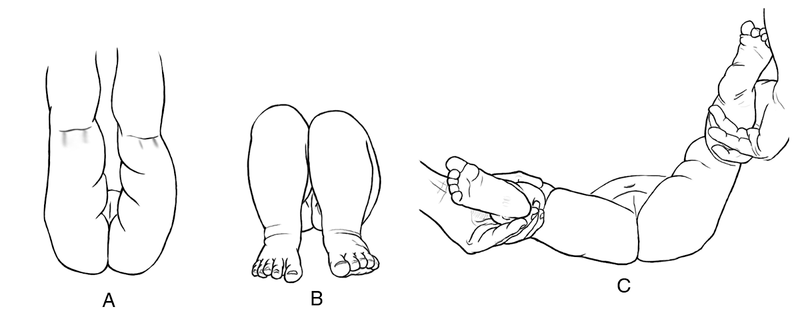
Figure 7 Positive signs for developmental dysplasia of the left hip include increased number of thigh folds (A), decreased knee height (B), and decreased abduction (C).
). There are also two provocative tests, the Ortolani and Barlow maneuvers (Fig. 8
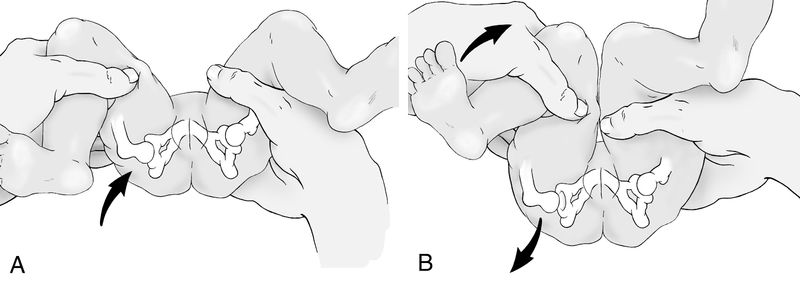
Figure 8 A, The Ortolani maneuver. B, The Barlow maneuver.
) designed to elicit clunks when the dislocated femoral head moves in and out of the acetabulum.
Both maneuvers are performed with the infant lying supine on a relatively firm surface with his or her diaper removed. The Ortolani maneuver relocates a dislocated hip and is performed by the physician placing the fingers on the greater trochanters and the thumbs on the knees, abducting the legs and pulling up on the trochanters. As the femoral head reduces into the acetabulum, a clunk will be heard and felt. The Barlow maneuver dislocates the hip and is performed by placing the hands in the same position as for the Ortolani maneuver but adducting the legs and pushing down on the knees. A similar clunk will be felt as the femoral head dislocates. Most of the screening examination for DDH is based on detecting asymmetries between the affected and nonaffected sides; thus, bilateral DDH can be particularly difficult to detect.
Because a large portion of the pelvis and hips is not ossified at birth, plain radiographs are not sensitive for the diagnosis of DDH until a child is 4 to 6 months of age. Until that time, the diagnostic imaging study of choice is an ultrasound. This is performed when the child is at least 2 weeks old; if performed before that time, retained maternal ligament relaxing hormones in the infant’s circulation may give a false-positive test result.
DDH can be difficult to diagnose, and up to 5% of cases are missed by even experienced examiners. It is therefore important not only to examine infants repeatedly during the first year of life but also to have a low threshold for using ultrasound. Note that in the absence of other disabilities, DDH does not cause significant functional impairment in children, even when the diagnosis is missed or delayed. Children with isolated DDH reach their developmental milestones on time, and they ambulate without difficulty. However, when left untreated, DDH leads to severe early osteoarthritis of the hip. Therefore, the goal of early definitive treatment is the prevention of future degenerative changes.
Slipped Capital Femoral Epiphysis
Slipped capital femoral epiphysis(SCFE) is a displacement (or slipping) of part of the femoral head (the epiphysis) through the growth plate. It occurs when the growth plate is highly active, that is, during a period of rapid growth during adolescence (Fig. 9
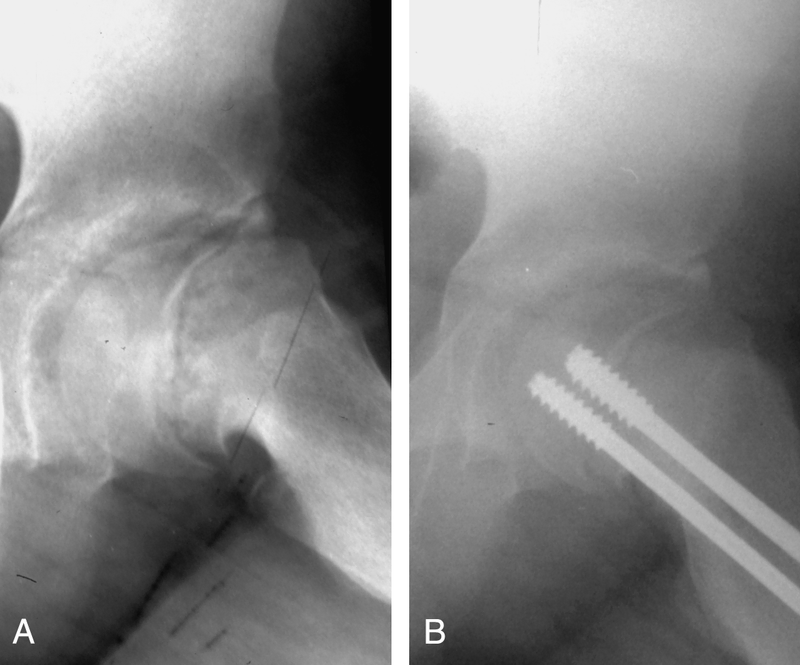
Figure 9 A, Radiograph of a slipped capital femoral epiphysis. B, Radiograph of a slipped capital femoral epiphysis after pinning.
). Although children with SCFE usually have a history of insidious pain or a limp, the onset can also be acute. The typical patient is seen in early adolescence, with the average age at diagnosis being 11 to 13 years for girls and 13 to 15 years for boys. SCFE can be related to hormonal disorders; therefore, children younger than 10 years at diagnosis or those who are in the lowest 10th percentile for height should undergo an endocrine workup.6,7
SCFE occurs more commonly among African-Americans than Caucasians; and although the typical patient body habitus of those with SCFE is obese, up to one third of patients are not. The child with SCFE will localize the pain to the groin in less than 50% of cases; of the remainder, most will report pain in the knee or thigh because a branch of the obturator nerve originating in the hip joint ends in the knee joint capsule. Accordingly, hip pathology should be ruled out in any child reporting knee or thigh pain.
The physical examination will reveal a limp, external rotation of the hip, and limited or painful internal hip rotation. The diagnosis of SCFE is generally made with bilateral AP and lateral radiographs of the pelvis. It is imperative to obtain bilateral views of both sides because in 20% of patients SCFE is found on both sides, although one side is often asymptomatic. An additional 30% of patients will present with a SCFE on the opposite side within 1 year of the initial presentation.
The treatment for SCFE is surgical.8 Many surgeons advocate that the pinning is done in situ, meaning that no attempt is made to reduce the epiphysis back into its original position. The rationale is that such maneuvers may damage the blood supply to the femoral head, which can lead to osteonecrosis. Prophylactic pinning of the opposite side in patients with unilateral SCFE remains controversial.
Legg-Calvé-Perthes Disease
Legg-Calvé-Perthes (LCP) disease, which is also typically known as Perthes disease,is idiopathic osteonecrosis of the femoral head (Fig. 10
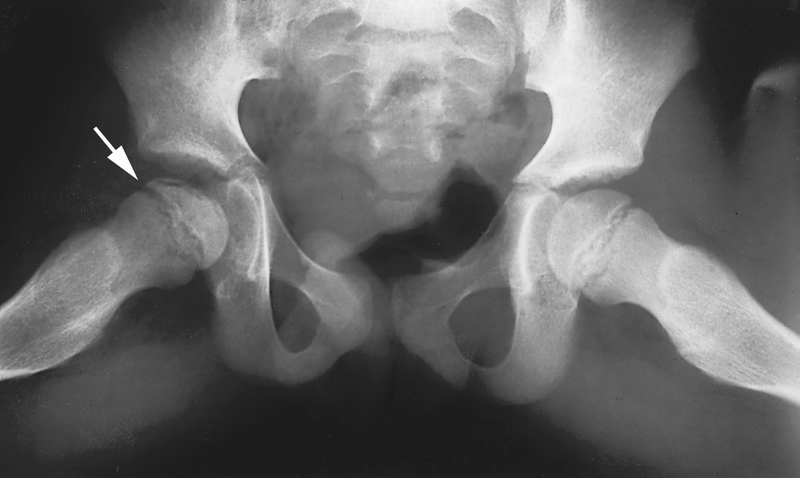
Figure 10 Radiograph showing Legg-Calvé-Perthes disease in a 7-year-old boy with a 2-month history of right hip pain. Note the subchondral fracture (arrow) through the femoral head.
(Reproduced from Beaty JH: Legg-Calvé-Perthes disease: Diagnostic and prognostic techniques, in Barr JS (ed): Instructional Course Lectures 38. Park Ridge, IL, American Academy of Orthopaedic Surgeons, 1989, pp 291-296.)
). The etiology of LCP disease is probably multifactorial, with an underlying genetic or hormonal predisposition and an external catalytic (often traumatic) event.9 The typical patient is a 4- to 8-year-old boy, who is somewhat small for his age, very active, and has had an insidious onset of pain and limp.
The findings on physical examination of the affected extremity include limited abduction and internal rotation of the hip. AP and lateral radiographs of the pelvis are usually diagnostic. Typically, the affected side shows sclerosis, flattening, and fragmentation of the femoral head. The disease runs a course of about 2 years from the time of diagnosis, during which time the femoral head fragments, subsides, and then slowly reforms.
Treatment includes physical therapy, bracing, and various types of surgery.9 At present, the underlying disease process cannot be changed; all treatments are aimed at maintaining the femoral head position in the acetabulum, range of motion, and roundness of the head during the period of regrowth. Because reshaping and remodeling of the femoral head will continue throughout patient growth, the prognosis for LCP disease is better the younger the age of the patient at diagnosis.
LCP disease is rarely bilateral; and in such cases, the two hips are affected asymmetrically. Patients with a radiographic appearance of bilateral, symmetric osteonecrosis should be evaluated for possible hemoglobinopathy or skeletal dysplasia.
Growth Plate Fractures
Long bone fractures in children may involve the physis, or growth plate. Injury to the growth plate may impede future growth of the bone. Unlike adults, children rarely experience ligamentous sprains because the physis is weaker than the surrounding ligaments. When stressed, the physis will break before the ligament ruptures.
Salter and Harris10 devised a classification system for fractures of the growth plate (Fig. 11
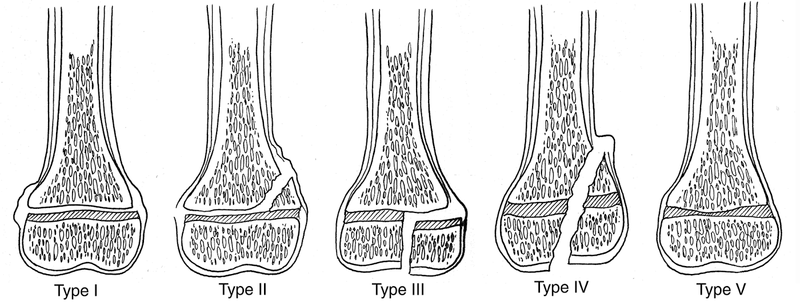
Figure 11 Salter-Harris classification of growth plate fractures.
(Reproduced from Kay RM, Matthys GA: Pediatric ankle fractures: Evaluation and treatment. J Am Acad Orthop Surg 2001;9:268-278.)
). A Salter-Harris type I fracture goes directly through the physis. Because the physis is composed of cartilage and is radiolucent, patients with nondisplaced Salter-Harris type I fractures frequently have normal radiographs. In such a situation, if the clinical suspicion is high, the child is treated with immobilization as for a fracture, and a radiograph is rechecked 2 to 3 weeks later, at which time visible periosteal reaction will indicate fracture healing.
Salter-Harris type II fractures go through the physis and metaphysis, leaving a wedge-shaped metaphyseal fragment, connected to the epiphysis. Salter-Harris type II fractures are the most of the common physeal fractures and generally have a good prognosis.
Salter-Harris type III fractures go through the physis and the epiphysis and are therefore intra-articular. Because the contours of the joint must be lined up anatomically to prevent posttraumatic osteoarthritis, Salter-Harris type III fractures generally require surgical correction. They can also lead to growth arrest at the injured area of the physis, resulting in angular or longitudinal deformities of the bone.
Salter-Harris type IV fractures cross both the epiphysis and metaphysis. These fractures almost always must be treated surgically, and they have a high incidence of subsequent growth arrest. Finally, Salter-Harris type V fractures are compression injuries that crush the growth plate across its entire surface. These are quite rare and inevitably result in growth arrest. After acute treatment of a Salter-Harris fracture, patients are generally followed with radiographs for about 1 year to confirm that the physis is functioning properly.
Neuromuscular Disorders
Cerebral Palsy
Cerebral palsy (CP) is a nonprogressive neurologic condition caused by a brain lesion, with a continuum of involvement from mild to severe. The term static encephalopathyis also used to describe CP because the underlying brain injury does not change over time. The hallmark of CP is abnormal muscle control, but decreased sensory function or intellectual development is common as well.
The onset of CP usually occurs in the perinatal period, and there are a wide variety of possible etiologies, including brain malformation, vascular insult, trauma, toxins, fetal or maternal metabolic disease, and infection. CP is associated with prematurity, low birth weight, and perinatal hypoxia. The incidence of CP is about 3.5 in every 1,000 live births.11
The anatomic classification of CP describes the areas of the body affected, and the functional classification describes the manner in which the involvement is expressed. Anatomically, patients are described as quadriplegic, meaning that all four extremities are involved; diplegic, indicating that the lower extremities are involved more than the upper; or hemiplegic, in which one side of the body is more involved, typically with the upper extremity on the side most affected. Functionally, most patients exhibit spasticity, ie, increased muscle tone.
For patients with CP, the goals of treatment are to maintain a functional level for activities of daily living, mobility, and ambulation.12 Treatment may include physical, occupational, and speech therapies; medications; bracing; and surgery. Patients with severe CP may have seizure disorders or nutritional problems. Therefore, a variety of modalities are needed to optimize functional outcome.13
Spina Bifida
Spina bifida describes a variety of neural tube defects. The clinical presentation depends on the severity of the defect and on the vertebral level at which it occurs. The incidence is 0.7 to 2 in every 1,000 live births, and the male-to-female ratio is 1:1.15.14 The etiology is multifactorial; genetic, environmental, and nutritional factors all play a role.
Early in embryonic development, a dorsal thickening of the ectoderm forms. Within that thickening, the neural groove develops. The groove then deepens, and the lateral neural folds develop. By 21 days of gestation, the neural folds fuse to form the neural tube. Spina bifida appears either when there is a failure of fusion of the neural folds or, less commonly, when a rupture occurs after fusion. Clinically, neural tube defects may take the form of a meningocele, in which the vertebral arches are unfused and the meningeal sac is visible at birth; a myelomeningocele, in which neural elements are visible within the sac; or a rachischisis, in which the neural elements are exposed without a sac.
Because fusion of the neural tube occurs early in embryologic development, women must have adequate amounts of folate (400 to 800 µg/day) and avoid hot baths, saunas, and steam rooms, which have been associated with neural tube defects even before pregnancy is confirmed.15,16
Spina bifida can be diagnosed prenatally by 16 weeks of gestation. Diagnostic modalities include ultrasound, in which the vertebral defect and sac are usually readily visible; measurement of maternal serum levels of alpha fetoprotein, which are elevated in cases of spina bifida; and amniocentesis, which is used to confirm the diagnosis in patients with a persistently elevated serum alpha fetoprotein level.14
Initial treatment is immediate closure of the defect. This is a neurosurgical procedure that can often be scheduled electively in conjunction with a delivery via cesarean section in patients diagnosed prenatally. Immediate closure greatly decreases the incidence of perinatal central nervous system infection.
Clinically, patients with spina bifida manifest a wide range of central nervous system, urologic, anorectal, and musculoskeletal abnormalities. These vary depending on the vertebral level of the defect. Generally, the higher the level, the more severe the clinical problems. Patients with spina bifida often have low to midnormal intelligence and little or no sensory or motor function below the level of the neurosegmental defect.
From a musculoskeletal standpoint, patients with thoracic-level defects typically manifest spine and hip problems, whereas patients with lumbar- and sacral-level defects usually have more knee and foot problems. To ambulate effectively, patients must have quadriceps function, the loss of which corresponds to a defect at or below the L4 nerve root level.17 Other factors affecting the patient’s ability to ambulate include motivation, age, and size. Patients with spina bifida rely on upper body strength to propel themselves, which typically becomes more difficult as their weight increases. Because sensation is impaired, these patients are extremely prone to lower extremity wounds, skin breakdown, and fractures, and they must be carefully monitored for these problems.
Scoliosis
Scoliosis is a three-dimensional curvature of the spine (Fig. 12
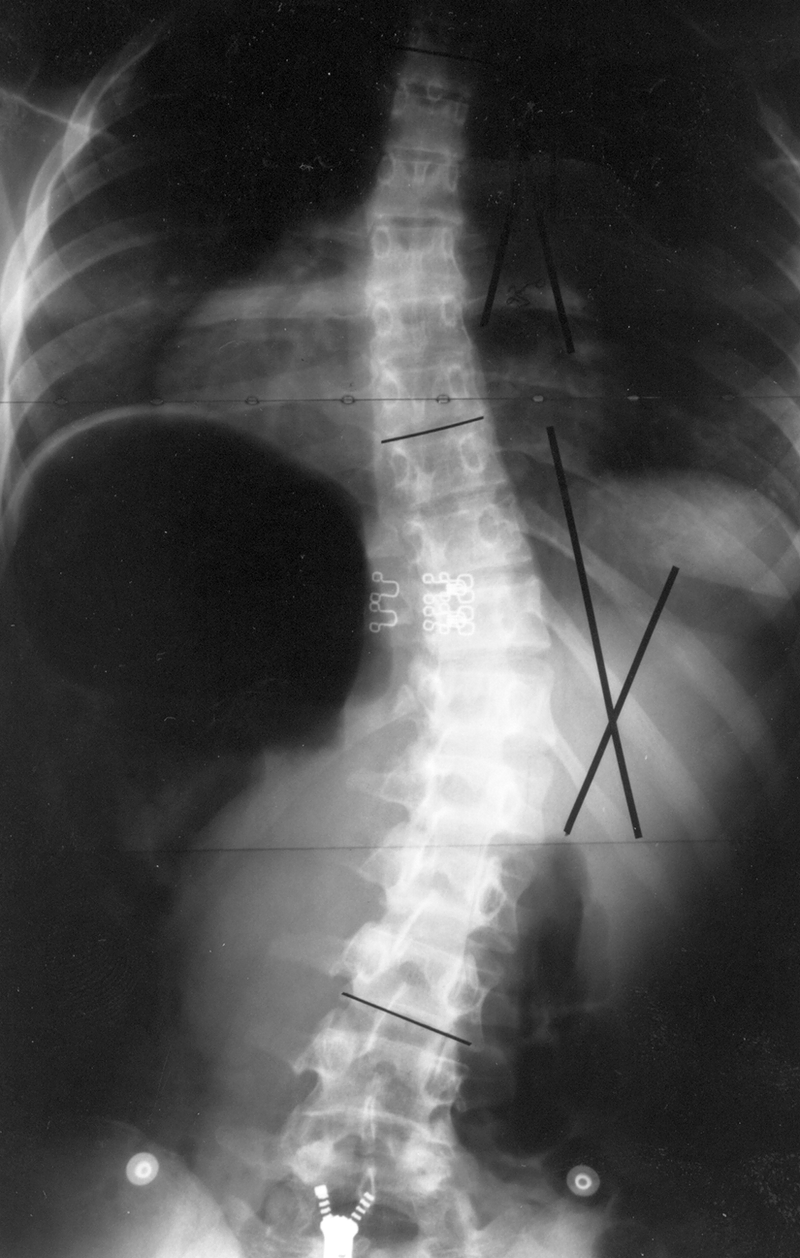
Figure 12 AP radiograph of the spine demonstrating a scoliotic deformity. There is a rotational component to scoliosis that is not necessarily apparent on the AP view.
(Reproduced from Sullivan JA, Anderson SJ (eds): Care of the Young Athlete. Rosemont, IL, American Academy of Orthopaedic Surgeons and American Academy of Pediatrics, 2000, p 303.)
). Although most pronounced in the frontal plane and thus best viewed on an AP radiograph, scoliosis also includes a rotational component and is therefore three dimensional. There are three categories of scoliosis: idiopathic, congenital, and neuromuscular.
Idiopathic Scoliosis
Idiopathic curvature of the spine can occur at any age but typically is detected between the ages of 10 and 12 years. Its etiology is uncertain, but there seems to be a genetic component. Idiopathic scoliosis is relatively common, with a prevalence in adolescents of about 2%. However, only 10% of these patients will have a curve severe enough to warrant treatment. Girls are more likely than boys to have a progressive deformity.
Idiopathic scoliosis is generally asymptomatic and is usually diagnosed through a screening examination administered at school or by a pediatrician, using the forward bend test (see chapter 26 for a description of this test).Because the patient’s rib cage rotates along with the spine as it curves, the ribs will appear asymmetric when viewed from behind with the child bending forward. This rib hump is the clinical hallmark of scoliosis. An AP radiograph will confirm the diagnosis and allows for measurement of the degree of spinal curvature.
Generally, the curvature continues to progress as long as a child is growing; therefore, early-onset scoliosis carries a poorer prognosis than late-onset scoliosis. Treatment depends on the age of the patient and the degree of curvature. Experts believe that curves of less than 25° should be simply observed for further progression. Curves of 25° to 45° should be braced. The goal of brace treatment is to halt progression of the curve, not to reverse it. Curves greater than 45° are thought to benefit from surgery because they will continue to worsen even after the child stops growing. Surgical treatment involves inserting metal rods and then fusing the spine in position.18
Congenital Scoliosis
Congenital scoliosis is a curvature of the spine that occurs because of abnormalities in the vertebrae themselves. In about 50% of patients, congenital scoliosis is progressive and may require surgery. Congenital scoliosis may be a part of a syndrome with other congenital anomalies. Because the embryologic development of the kidneys and heart occurs at approximately the same time as that of the spine, these organs are affected in 15% to 20% of patients with congenital scoliosis. If such an abnormality is suspected, screening can be performed with ultrasound.19
Neuromuscular Scoliosis
Neuromuscular scoliosis occurs in patients with a wide variety of disorders, including cerebral palsy, spina bifida, muscular dystrophy, and spinal cord injuries. Scoliosis can develop in any patient whose trunk musculature is weak, unbalanced, or denervated. These curves tend to worsen with time. In nonambulatory patients, a severe curve can adversely affect pulmonary function and the ability to sit in a wheelchair. Bracing and custom-made adaptive seating can play a limited role in the management of these curves, but most curves ultimately require surgical fusion.
Child Abuse
Child abuse, the nonaccidental injuring of a child, is a common problem, but the diagnosis can be difficult. Moreover, there are serious adverse consequences to both underdiagnosis and overdiagnosis of child abuse, which may explain why physicians are uncomfortable with the topic.
The battered child syndrome was first described by Kempe and associates20 in 1962. They estimated that 25% of fractures in children younger than 1 year and 10% to 15% of fractures in children younger than 3 years are the result of abuse. By 1967, all 50 states had adopted mandatory reporting laws for physicians. In 1968, Haggerty21 estimated that an abused child who is returned to an unsafe home environment is at 50% risk for additional injury and 10% risk of death over 5 years. These figures are now widely quoted, although Haggerty’s estimates were made on the basis of his experience with a sample of only 50 patients.
The National Committee on Prevention of Child Abuse stated in 1998 that there are 3.5 million reports of child abuse per year and that 33% of the reports were substantiated. These figures give a nationwide incidence of approximately 15 for every 1,000 children. According to data collected by the Child Welfare League in the same year, about 1,000 deaths annually result from child abuse. Child abuse is an affliction of young children: 33% are younger than 1 year and 50% are younger than 2 years. Of the victims, 10% to 70% sustain a skeletal injury and 30% to 50% require the care of an orthopaedist.22
Many types of abuse exist, including emotional, medical neglect (which typically is manifested as malnutrition or failure to thrive), sexual, and physical. Victims of physical abuse may have soft-tissue injuries, burns, head trauma, internal injuries, or fractures. Fifty percent of fractures secondary to child abuse occur in children younger than 1 year, and the incidence of nonaccidental fractures decreases with increasing patient age.
There is no particular fracture pattern, location, or morphology that is pathognomonic (ie, perfectly diagnostic) of child abuse. However, some fracture findings are more suggestive of abuse than others. Multiple fractures in various stages of healing, posterior rib fractures, bilateral acute long bone fractures, complex skull fractures, and long bone fractures in nonambulatory children are highly suggestive of abuse.23 Spiral fractures of long bones are not pathognomonic of child abuse. Numerous studies of large series of fractures in abused children have shown that a single, transverse fracture is the most common long bone fracture pattern seen in cases of abuse, although it is not a specific finding.22,24,25 The most frequently involved bone has been variously reported to be the humerus, tibia, or femur.
In cases of suspected abuse, a careful history and a full physical examination are necessary. Radiographs of areas of suspected fracture should be obtained as well. A skeletal survey (screening radiographs of the entire skeleton) is indicated in all children younger than 2 years with any evidence of physical abuse, all children younger than 1 year with evidence of medical neglect, and possibly all children younger than 5 years with a suspicious acute fracture. A variety of metabolic, genetic, and congenital disorders can mimic child abuse, and all must be considered in the differential diagnosis of a child with a suspicious fracture.
Infection
Musculoskeletal infections in children typically take the form of osteomyelitis, which is infection of the bone, and septic arthritis, which is infection of the joint. These infections are typically acute and caused by the spread of bacteria in the blood. They are also more common in children than in adults. Both osteomyelitis and septic arthritis can cause serious long-term damage to the bone or joint; thus, a timely diagnosis and initiation of appropriate treatment are crucial in their management.
Osteomyelitis
Pediatric osteomyelitis is relatively common, with a reported annual incidence of 1 in 250.26 This figure represents a significant decrease since the advent of antibiotics. The incidence may now be rising slightly, however, because of increased antibiotic resistance and the increasing number of immunocompromised patients.
Osteomyelitis is generally spread hematogenously (via the dissemination of bacteria in the blood). Even healthy people become bacteremic several times a day; ordinarily, however, the bacteria are easily cleared out of the circulation. In children, the structure of the blood vessels of the metaphyseal regions of the long bones predisposes them to infection. In this region, there is a series of vascular loops with such sharp angles of curvature and small diameters that circulation through them is sluggish, allowing them to become clogged with bacteria. This thereby initiates infection. The role of trauma in this process is not fully understood. Although patients often report a recent injury and experimental models have shown that injury to the circulation may further predispose patients to osteomyelitis, trauma is probably not a necessary condition for the onset of infection.27
Because bone is relatively rigid, the pus that forms becomes rapidly pressurized and spreads down the paths of least resistance—down the medullary canal, out through the outer cortex of the bone, and into the subperiosteal space. The physis itself acts as a barrier to pus; therefore, only rarely (typically in neonates) does infection cross it and invade the epiphysis. Once pus has breached the cortex, the infection is described as a subperiosteal abscess. In joints such as the hip and shoulder, in which the metaphysis is essentially intra-articular, a subperiosteal metaphyseal abscess is, in effect, a septic joint.
Left untreated, acute osteomyelitis leads to bone necrosis and resorption. Radiolucent patches in bone and periosteal reaction are typically visible about 2 weeks after the onset of osteomyelitis. Chronic osteomyelitis usually represents either a delay or failure of diagnosis or treatment. In this case, necrotic infected bone is walled off by fibrotic tissue, forming a sequestrum. Because antibiotics typically cannot penetrate the involucrum surrounding the sequestrum, treatment of chronic osteomyelitis usually involves surgical débridement.
The bacteriology of osteomyelitis varies widely, depending on geographic location and patient age. In general, Staphylococcus aureus is the most common causative organism in all age groups. Streptococcus species are also a common cause of infection in children younger than 4 years, and osteomyelitis caused by enteric organisms (ie, those native to the gastrointestinal tract) commonly occur in neonates. Haemophilus influenzae has historically been a common osteomyelitic pathogen, but widespread use of a vaccine against it has greatly diminished its incidence.
Osteomyelitis is relatively common in patients with sickle cell disease. Staphylococcus aureus is still the most common pathogen in those with sickle cell disease; however, people with sickle cell disease are far more likely than any other group of patients to have a Salmonella infection. Pseudomonas aeruginosa may be the causative organism in osteomyelitis that results from stepping on a nail while wearing a shoe, especially a sneaker. The history of footwear is critical because the infectious organism is found in the shoe, not on the nail. These infections can be quite aggressive and may warrant combined antibiotic therapy or early surgical débridement.
The clinical features of acute osteomyelitis in a child include bone pain that restricts activity, tenderness to palpation, and possible swelling. Often, children show few systemic signs of osteomyelitis acutely, such as fever, malaise, or anorexia. Osteomyelitis in neonates may manifest only as generalized irritability or failure to thrive; therefore, it is easy to miss the diagnosis of infection in these patients.
Initial evaluation should include a history and physical examination, complete blood cell count, erythrocyte sedimentation rate (ESR) or C-reactive protein (CRP) level, blood cultures, radiographs, and possibly an aspiration of the bone. The white blood cell count and radiographs are usually normal early in the course of the illness, but they are useful to obtain as a baseline or if there is a question of the duration of illness. The ESR and CRP level are typically elevated, even early in the course of the infection. The CRP level rises and falls more rapidly in response to treatment than does the ESR; thus, it is useful for monitoring the efficacy of the treatment course. Blood cultures will identify the responsible organism in 50% of patients with infection, so it is important to obtain them prior to initiating treatment. Aspirating the bone in addition to obtaining blood cultures increases organism identification from 50% to 70%.
Imaging studies can be useful diagnostic aids when the clinical picture and laboratory study results are equivocal, the site of involvement is in question, the patient cannot cooperate with the examiner, or multifocal disease is suspected. Three-phase technetium 99m bone scanning is both sensitive and specific for osteomyelitis and is usually the initial study of choice. Ultrasound can be used for localizing a subperiosteal abscess. MRI is extremely sensitive for diagnosing and visualizing the extent of a bony infection, but it requires more patient cooperation and a more narrowly defined study area than bone scanning and is, therefore, sometimes less useful in children.
The recommended treatment for acute hematogenously spread osteomyelitis in children is 6 weeks of treatment with antibiotics, usually initially administered intravenously. Treatment begins with empiric coverage for S aureus, and antibiotic therapy is subsequently adjusted based on blood culture results and clinical response. Surgical drainage is rarely necessary for acute infections.
Septic Arthritis
Joint infections in children are usually caused by the spread of bacteria hematogenously, but they may also be caused by direct penetration of the joint or extension of an adjacent osteomyelitis, particularly in the hip or shoulder. Septic arthritis occurs when bacteria invade the joint synovium, which is a good medium for bacterial growth. The presence of pus in the joint causes damage to the hyaline cartilage on the joint surface. Changes to the cartilage start to occur between 8 and 12 hours after infection. Hyaline cartilage does not regenerate well; consequently, the damage that occurs is permanent. Septic arthritis is, therefore, a medical emergency, and immediate surgical drainage is often required.
The bacteriology of septic arthritis is similar to that of osteomyelitis, with S aureus being the most common pathogen. Streptococcus species are also frequently cultured in children with septic arthritis. The prevalence of H influenzae is decreasing with the widespread use of a vaccine against it. In sexually active adolescents, the possibility of Neisseria gonorrhoeae infection should be considered.
Clinically, children with joint sepsis tend to be slightly sicker than those with osteomyelitis. They are more likely to have a fever and to be lethargic and irritable. They are also more likely to have a history of recent illness, such as an ear or throat infection, or report a recent injury. The involved joint is often warm, tender, and swollen; however, the hallmark of septic arthritis is resistance to both active and passive motion. Because joint pain is mediated via stretch receptors in the joint capsule, the most comfortable position for the patient will be that which increases the volume of the joint. For most joints, this will be a position of flexion; for joints that rotate, it will be a position of flexion and external rotation.
As with children with suspected osteomyelitis, a complete blood cell count, ESR, CRP level, radiographs, and blood cultures should be obtained for children with a suspected septic joint. Aspiration of the suspicious joint is imperative because the gold standard for diagnosis is analysis of the synovial fluid. Aspiration can be performed blindly for accessible large joints like the knee, but it is best performed with ultrasound or fluoroscopy guidance for deeper, smaller joints, particularly the hip. The retrieved fluid should be sent for Gram stain, culture, and cell count. A white blood cell count of more than 50,000/mm3 almost always indicates sepsis. Inflammatory processes, such as juvenile rheumatoid arthritis, can also present with a white blood cell count as high as 80,000/mm3; thus, this clinical-decision rule threshold of 50,000/ mm3 is not perfectly specific. But because the sequalae of missed septic arthritis can be severe, it is best to use a low threshold in equivocal cases.
Toxic synovitis, which is an acute nonbacterial joint inflammation, may appear clinically similar to bacterial sepsis. It can be differentiated, however, on the basis of a normal ESR or CRP level, lack of joint effusion, or low white blood cell count in the joint fluid.
Surgical decompression and drainage of the affected joint is the most important aspect of treatment of septic arthritis, particularly for infections of the hip. Surgical drainage should be performed as soon as possible to minimize damage to the joint surfaces. For accessible joints such as the knee, arthroscopic drainage may be used, but it may not clean the joint as completely as surgical drainage. Antibiotics should be administered after initial joint aspiration and should continue for 1 to 6 weeks after decompression.
Gonococcal septic arthritis is the one exception to the early drainage rule. For gonococcal infection, aspiration and administration of appropriate antibiotics to both the patient and recent partners is usually sufficient.28,29
Key Terms
Blount’s disease A condition of unknown etiology in which the medial proximal tibial physis ceases to function well, leading to relative overgrowth of the lateral side of the tibia and genu varum
Clubfoot A complex foot disorder that includes three separate deformities: metatarsus adductus, ankle equinus, and heel varus
Developmental dysplasia of the hip (DDH) A spectrum of abnormalities of the developing hip joint that can include shallowness of the acetabulum, capsular laxity and instability, or frank dislocation
Equinus Plantar flexion deformity (so named because horses walk on their toes)
Genu valgum Angular deformity of the lower extremities known as knock-knees
Genu varum Angular deformity of the lower extremities known as bowlegs
Legg-Calvé-Perthes (LCP) disease An idiopathic osteonecrosis of the femoral head
Meningocele A neural tube defect in which the vertebral arches are unfused and the meningeal sac is visible at birth
Metatarsus adductus A condition in which the forefoot is angled toward the midline of the body
Myelomeningocele A neural tube defect in which neural elements are visible within the meningeal sac at birth
Packaging defect A deformity that is a direct result of the positioning of the baby inside the mother’s womb
Rachischisis A neural tube defect in which the neural elements are exposed without a sac at birth
Scoliosis Three-dimensional curvature of the spine
Skeletal survey Screening radiographs of the entire skeleton
Slipped capital femoral epiphysis (SCFE) A displacement (or slipping) of part of the epiphysis through the growth plate at the head (“capital”) of the femur
Spasticity The condition of having increased muscle tone that results in sudden or involuntary muscle contractions
Tarsal coalition Congenital fusion of the tarsal bones
References
1. Jacobs JE: Metatarsus varus and hip dysplasia. Clin Orthop 1960;16:203-213.
2. Kumar SJ, MacEwen GD: The incidence of hip dysplasia with metatarsus adductus. Clin Orthop 1982;164:234-235.
3. Salenius P, Vankka E: The development of the tibiofemoral angle in children. J Bone Joint Surg Am 1975;57:259-261.
4. Irani RN, Sherman MS: The pathological anatomy of idiopathic clubfoot. Clin Orthop 1972;84:14-20.
5. Staheli LT: Footwear for children. Instr Course Lect 1994;43:193-197.
6. Burrow SR, Alman B, Wright JG: Short stature as a screening test for endocrinopathy in slipped capital femoral epiphysis. J Bone Joint Surg Br 2001;83:263-268.
7. Loder RT, Wittenberg B, DeSilva G: Slipped capital femoral epiphysis associated with endocrine disorders. J Pediatr Orthop 1995;15:349-356.
8. Loder RT, Richards BS, Shapiro PS, et al: Acute slipped capital femoral epiphysis: The importance of physeal stability. J Bone Joint Surg Am 1993;75:1134-1140.
9. Skaggs DL, Tolo VT: Legg-Calvé-Perthes disease. J Am Acad Orthop Surg 1996;4:9-16.
10. Salter RB, Harris WR: Injuries involving the epiphyseal plate. J Bone Joint Surg Am 1963;45:587-622.
11. Ellenberg JH, Nelson KB: Birth weight and gestational age in children with cerebral palsy or seizure disorders. Am J Dis Child 1979;133:1044-1048.
12. Bleck EE: (ed): Orthopaedic Management in Cerebral Palsy. London, England, Mac Keith Press, 1987, pp 142-143.
13. Renshaw TS, Green NE, Griffin PP, et al: Cerebral palsy: Orthopaedic management. J Bone Joint Surg Am 1995;77:1590-1606.
14. Tachdjian MO: (ed): Myelomeningocele, in Pediatric Orthopaedics, ed 2. Philadelphia PA, WB Saunders, 1990, vol 2, pp 1774-1776.
15. Czeizel AE, Dudas I: Prevention of the first occurrence of neural-tube defects by periconceptional vitamin supplementation. N Engl J Med 1992;327:1832-1835.
16. Milunsky A, Ulcickas M, Rothman KJ, et al: Maternal heat exposure and neural tube defects. JAMA 1992;268:882-885.
17. Asher M, Olson J: Factors affecting the ambulatory status of patients with spina bifida cystica. J Bone Joint Surg Am 1983;65:350-356.
18. Pizzutillo PD: Idiopathic scoliosis and kyphosis. Instr Course Lect 1994;43:185-191.
19. Winter RB, Lonstein JE, Boachie-Adjei O: Congenital spinal deformity. J Bone Joint Surg Am 1996;8:300-311.
20. Kempe CH, Silverman FN, Steele BF, et al: The battered-child syndrome. JAMA 1962;181:17-24.
21. Haggerty RJ: Physically abused children, in Green M, Haggerty RJ(eds): Ambulatory Pediatrics. Philadelphia, PA, WB Saunders, 1968, pp 285-290.
22. Scherl SA, Miller L, Lively N, et al: Accidental and nonaccidental femur fractures in children. Clin Orthop 2000;376:96-105.
23. Cramer KE: Orthopaedic aspects of child abuse. Pediatr Clin North Am 1996;43:1035-1051.
24. Galleno H, Oppenheim WL: The battered child syndrome revisited. Clin Orthop 1982;162:11-19.
25. King J, Diefendorf D, Apthorp J, et al: Analysis of 429 fractures in 189 battered children. J Pediatr Orthop 1988;8:585-589.
26. Craigen MA, Watters J, Hackett JS: The changing epidemiology of osteomyelitis in children. J Bone Joint Surg Br 1992;74:541-545.
27. Morrissy RT, Haynes DW: Acute hematogenous osteomyelitis: A model with trauma as an etiology. J Pediatr Orthop 1989;9:447-456.
28. Green NE, Edwards K: Bone and joint infections in children. Orthop Clin North Am 1987;18:555-576.
29. Jackson MA, Nelson JD: Etiology and medical management of acute suppurative bone and joint infections in pediatric patients. J Pediatr Orthop 1982;2:313-323.
