

For the initial evaluation of many pathologic conditions involving the musculoskeletal system, radiography remains the mainstay.1,2 However, special imaging studies such as MRI, CT, and ultrasonography are essential components of the diagnostic workup of patients with both complex disease processes such as bone tumors and simple ones such as cartilage tears.3,4 Special imaging is also valuable for the evaluation of infections and comminuted fractures. Cross-sectional imaging studies may supplement radiography, providing moredetailed information regarding the identification,localization, and characterization of abnormalities.5-12 Bone scanning, ultrasonography, and interventional procedures can provide diagnostic information thatmay help evaluate bone and joint disorders or postoperative complications.13,14 Many types of diagnostic imaging tools are available, but the capabilities, limitations, and potential pitfalls of the different imaging methods vary among them.
The purpose of this chapter is to present the basic concepts and principles of different special diagnostic imaging methods to help physicians select the appropriate imaging studies for their patients. To this end, a sample of imaging studies for common musculoskeletal conditions is presented and described to provide practical information regarding diagnosis and treatment of these problems.
Magnetic Resonance Imaging
MRI is a useful tool for evaluating neoplastic, traumatic, and inflammatory disorders of the musculoskeletal system, and it is exquisitely sensitive to the detection of abnormalities in bone marrow.8-10 For example, MRI can detect subtle changes in osteonecrosis, early infections, and occult fractures.10 Because MRI most clearly delineates the cartilage, menisci, ligaments, and soft tissues, it has become the standard method to evaluate these structures.15-17 MRI can also assess the spinal canal and nerve roots.18-21 In addition, because MRI detects water easily, blood flow in the major blood vessels can be clearly visualized without the administration of contrast agents.4
The advantages of MRI include its high sensitivity and superior contrast resolution, which, together with its multiplanar imaging capabilities, make it the method of choice for the precise delineation of anatomy and the characterization of a wide array of pathologic conditions (Figs. 1 through 15).4-12 Advances in surface-coil technology have improved the spatial resolution of MRI and increased considerably its usefulness in the diagnosis of the internal derangements of joints.6,11,22 Furthermore, the injection of contrast agents at the time of obtaining the MRI images—magnetic resonance (MR) arthrography—has significantly enhanced physicians’ ability to visualize the joint capsule and small intra-articular structures.5,23 Although MRI provides clear visualization of the various osseous and musculotendinous structures, its diagnostic utility may be diminished following internal fixation or joint replacement: metal produces artifacts that corrupt the image. The high cost and limited capability of MRI to detect small calcifications may also be considered among its drawbacks.4
Although analysis of the technical aspects of MRI is beyond the scope of this chapter, the general principles that apply in musculoskeletal imaging will be briefly discussed. The first idea is that MRI, unlike radiography or CT, does not use ionizing radiation. Rather, the machine detects electromagnetic signals released from a body part placed within a magnet and subjected to radio waves. MRI scans thus reflect the chemical properties of tissue. The signal characteristics of a tissue (which affect how bright the tissue appears) depend on both the nature of the tissue and the settings of the machine. Tissue parameters include hydrogen (water) density and two magnetic relaxation constants: the longitudinal constant (T1) and the transverse constant (T2). Each tissue is characterized by its own hydrogen density and T1-weighted and T2-weighted constants and therefore has its own unique fingerprint (Table 1). Instrument parameters that are varied by the technician include the pulse-repetition time (TR) and the echo-delay time (TE). Spin-echo sequences with short TR and TE are said to be T1-weighted. These can be obtained quickly, providing excellent anatomic detail. Sequences with long TR and TE are said to be T2-weighted and are helpful in the assessment of hemorrhages and changes in water content of the muscles, tendons, ligaments, and other soft tissues. As a rule, fatty marrow shows high signal intensity on T1-weighted sequences, and hematopoietic marrow shows much lower signal intensity on T1-weighted sequences.4
T1- and T2-weighted spin-echo sequences are widely used for imaging of the musculoskeletal system. Other combinations such as the gradient echo, short tau inversion recovery (STIR), and fast spin-echo sequences have increased the sensitivity of MRI for demonstrating alterations in bone marrow.4 Because the STIR sequence does not report the signal derived from fat and highlights any abnormal signal derived from other sources, marrow edema is readily depicted on the STIR sequence. Fat suppression techniques and the use of intravascular contrast agents can increase tissue contrast, improve image quality, and enhance the sensitivity of MRI in the detection of abnormalities affecting bones and soft tissues.4
Computed Tomography
CT is a planar, transaxial imaging method that can provide useful diagnostic information regarding a variety of disorders of the musculoskeletal system.3 CT scanning involves a highly focused (collimated) x-ray source, efficient detectors, and a data processing system.24 The x-ray source and detectors are mounted on a frame (gantry) that is positioned around the patient who moves through the unit. The x-ray tube, in turn, moves in spiral fashion around the patient during the acquisition of a single CT slice. As the tube rotates, the x-ray beams are emitted from the source, and the amount of radiation transmitted through the tissue is detected. Data are processed by a computer, which uses an algorithm to reconstruct the image. A description of technical details of CT is beyond the scope of this chapter, but a nice summary appears at http://www.nobel.se/medicine/laureates/1979/press.html, the press release announcing the 1979 Nobel Prize awarded to Cormack and Hounsfield for the development of CT.
In a CT image, each picture element (pixel), or square, represents a piece of tissue—specifically that tissue’s ability to attenuate the x-ray beam’s passage through it. Each square is assigned a CT number (Hounsfield unit) that corresponds to the attenuation coefficient. CT numbers provide characterization of the nature of the tissues imaged3 (Table 2).
Because of its cross-sectional display, excellent contrast resolution, and ability to measure specific attenuation values, CT can define alterations in soft tissue and bone that may not be visualized on radiographs. The inherent high resolution of CT allows fine discrimination of subtle changes in cortical bone. Because CT can detect density so well, it is considered superior to MRI in the assessment of calcification, ossification, cortical destruction, and endosteal or periosteal reaction (Table 3).
Because CT images are produced in computers, it is possible to reformat the transaxial data into coronal, sagittal, or even three-dimensional images.3 In the musculoskeletal system, three-dimensional display is particularly useful in imaging regions of complex anatomy, such as the pelvis, spine, shoulder, wrist, knee, midfoot, and hindfoot.25 Detailed delineation of anatomy aids in surgical planning. CT is also a valuable diagnostic tool for evaluating fractures and dislocations; intra-articular bodies; infection, such as osteomyelitis and septic arthritis; neoplasms; joint disease; vascular lesions, such as aneurysms and arterial entrapment syndromes; congenital or metabolic disease; low back pain; and complex fractures and dislocations of the spine3,25,26 (Figs. 16 through 19). In patients with dislocation of the sternoclavicular and glenohumeral joints, for instance, CT can provide a perspective that cannot be obtained using standard radiography.27 In patients with musculoskeletal neoplasms, CT is used in surgical planning.3
The intravenous, intraspinal, or intradiskal administration of a radiopaque contrast agent or the injection of a radiopaque contrast agent or air into a joint coupled with CT can be helpful in the assessment of the vascularity of soft tissue or osseous lesions; the identification of degenerative or recurrent herniated intervertebral disks; and the evaluation of the glenoid labrum, patellar cartilage, synovial plicae, and cruciate ligaments of the knee.3 In the postoperative setting, the quality of CT images may be compromised because of the artifacts created by metal components, screws, and other orthopaedic implants.28 However, valuable information can still be obtained regarding bone stock, marrow, and soft tissue. CT scanners can also generate digital radiographs by sampling at intervals from the x-ray detectors. From these digital images, accurate measurements can be obtained that are useful in the assessment of conditions such as leg-length discrepancy.29,30 CT is also capable of performing quantitative measurements of bone mineral content, a test used for the evaluation of metabolic bone diseases.31,32
Nuclear Medicine
Radionuclide bone scanning is an imaging method in which bone scans are produced using radiopharmaceutical agents that accumulate in areas of pathology. After intravenous injection of a radionuclide agent, imaging data are collected with a gamma camera. Bone scanning is based on accumulation of the radioactive tracer at the sites of abnormalities.13 The increased concentration of tracer can be seen in a variety of conditions that lead to bone production and resorption, such as bone tumors, infections, neuropathic osteoarthropathies, fractures, and postoperative changes.13,33 In this regard, bone scanning is considered highly sensitive but relatively nonspecific for evaluating a multitude of pathologic processes.
In the musculoskeletal system, radionuclide bone scanning is particularly useful for detecting and localizing metastatic disease, diagnosing osteomyelitis in its early stages (when it may be confused with cellulitis), assessing whether joint prostheses are loose or infected, evaluating peripheral vascular disease, and defining the age of fractures.13 Chronic fractures, such as osteoporosis-related compression fractures, do not need aggressive treatment and thus the age of the fracture—acute versus chronic—is important. In addition, bone scanning can assist in the diagnosis of conditions such as child abuse, metabolic bone disease (eg, osteomalacia and renal osteodystrophy), Paget’sdisease, osteonecrosis, arthritis, complex regional pain syndrome, heterotopic ossification, and various soft-tissue lesions.10 Other uses of radionuclide bone scanning include the evaluation of stress fractures and theassessment of fracture healing and nonunion13 (Figs. 20 and 21).
In most patients with metastatic bone disease, foci of increased accumulation of the radionuclide (“hot” lesions) are observed on radionuclide bone scans. In whole-body imaging of these patients, the scintigraphic pattern of a “superscan” is seen when the metastatic bone disease is widespread; marked increased radionuclide uptake by all the bones in the body is evident.13,33 In some instances, however, skeletal metastases may appear as “cold” (ie, photon-deficient) areas on radionuclide bone scans.13
A more recent advance in radionuclide bone imaging is the single-photon emission computed tomography (SPECT) camera, which displays tomographic slice images. The camera rotates 360° around the patient, acquiring data from which images are generated. Images can then be viewed in coronal, sagittal, and transaxial projections.13 SPECT has been shown to provide useful diagnostic information in the evaluation of regions with complex anatomy, such as the spine, knee, and facial bones.
Arthrography and Magnetic Resonance Arthrography
Arthrography is the broad category of medical imaging in which radiography is performed after the injection of opaque contrast material into the joint cavities. It comprises not only radiography but also fluoroscopy, conventional tomography and CT (arthrotomography), and digital radiography and MRI. During single-contrast technique, either radiopaque (dye) or radiolucent (air) contrast material can be used. Double-contrast technique refers to imaging obtained after using both radiopaque and radiolucent contrast materials.5
Arthrography is used to evaluate the shoulder, hip, knee, ankle, and wrist. In the glenohumeral joint, arthrography is useful in diagnosing rotator cuff tears, adhesive capsulitis, bicipital tendon abnormalities, and ligament disruption from previous dislocation.5 In the hip, arthrography is used to assess developmental dysplasia of the hip, septic arthritis in infants, Legg-Calvé-Perthes disease, trauma, pigmented villonodular synovitis, and synovial osteochondromatosis.34 In the knee, arthrography is used to evaluate meniscal abnormalities, ligamentous injuries, osteochondral fractures (osteochondritis dissecans), synovial plicae and cysts, different types of arthritis, and synovial osteochondromatosis. In the ankle, arthrography is used to detect ligamentous injuries, transchondral fractures, and adhesive capsulitis.23 Arthrography of the wrist is used to demonstrate degenerative changes and tears of the triangular fibrocartilage, detect osteocartilaginous fragments and ganglion cysts, evaluate the changes of rheumatoid arthritis, and determine intercompartmental communications.
MR arthrography combines the direct intra-articular injection of a gadolinium compound with MRI. MR arthrography has been used in the glenohumeral joint for identifying rotator cuff tears. Other potential diagnostic applications of MR arthrography of the shoulder include diagnosing impingement syndrome, analyzing the articular cartilage of the glenohumeral joint, and evaluating labral abnormalities and postoperative changes.5 Although the role for MR arthrography of the elbow is not defined, the technique allows full distention of the joint, thereby facilitating the delineation of anatomy.35 MR arthrography also may be useful in the identification of intra-articular osteocartilaginous bodies, chondral defects, and partial deep ligamentous tears. The main advantages of MR arthrography of the wrist consist of distention of the joint capsule and delineation of the joint space. MR arthrography has been used for investigating chronic wrist pain and showing the intrinsic and extrinsic ligaments of the wrist. In the hip, MR arthrography is useful in the assessment of acetabular labral tears and loose bodies.36 In the knee, MR arthrography may be helpful in detecting and characterizing meniscal tears, showing articular cartilage abnormalities, and evaluating the postoperative menisci for recurrent lesions37 (Fig. 22). In the ankle, MR arthrography is used for delineating ligamentous injuries, assessing abnormalities of the tarsal sinus, and evaluating cartilage abnormalities.23
Diskography and Magnetic Resonance Diskography
Diskography is a diagnostic imaging technique in which an iodinated contrast agent is injected in the intervertebral disk while the physician or technician views the injection by fluoroscopy (dynamic, real time radiography) (Fig. 23). Because diskography allows for morphologic assessment of the intervertebral disk, it has been used for the evaluation of cervical or lumbar diskogenic pain, especially after other examinations have yielded questionable results.14,38 Diskography also can be used as a provocative test, to determine if the patient’s pain is reproduced when the seemingly abnormal spinal level is injected.14,39-42 Detractors of this technique argue that diskography is painful,invasive, relatively expensive, and time-consuming.41,43 MRI following the intradiskal injection of gadolinium-based contrast material (MR diskography) reportedly has proved helpful in the detection of tears of the anulus fibrosus of the spinal disk.44
Ultrasonography
Musculoskeletal ultrasonography is a rapidly evolving imaging method that has proved helpful in the diagnosis of joint and soft-tissue disorders. New developments in technology with higher frequency transducers and power Doppler ultrasonographic machines have improved the diagnostic capabilities of this imaging method. Advantages of ultrasonography over existing imaging methods include accessibility and ease of application, noninvasiveness, quick scan time, low cost, absence of ionizing radiation, and the ability to perform dynamic imaging with contralateral comparison. With real-time ultrasonography, anatomic structures such as tendons can be followed in motion. In addition, power Doppler ultrasonography may allow detection of active inflammatory disease and tumor growth. Furthermore, ultrasound-guided procedures, such as aspiration of fluid collections, are commonly used in clinical practice.45 Ultrasonography can be used to study patients with metallic pacemakers or cochlear implants or patients for whom MRI is contraindicated. Sound waves are also not distorted by ferromagnetic implants. Diagnostic power is limited by the talent of the examiner.
In the shoulder, the primary indication for sonography is assessment of the integrity and abnormalities of the rotator cuff tendons. Ultrasonography is useful in the detection of joint effusion and loose bodies in the elbow. In the hand and wrist, ultrasonography is used to demonstrate ganglion cysts, evaluate tenosynovitis around the wrist, and determine compression of the median nerve in carpal tunnel syndrome. Ultrasonography allows evaluation of developmental dysplasia of the hip in the neonate and permits rapid detection of a joint effusion or bursitis.46 In the knee, meniscal and synovial cysts, joint effusion, and bursitis are easily evaluated on the ultrasonographic images. In addition, ultrasonography may identify tears of the patellar retinacula and abnormalities of the patellar tendon.46 With regard to the ankle and foot, ultrasonography has proved useful in the assessment of joint effusion, tenosynovitis, tendinosis, and plantar fasciitis.6,8,46
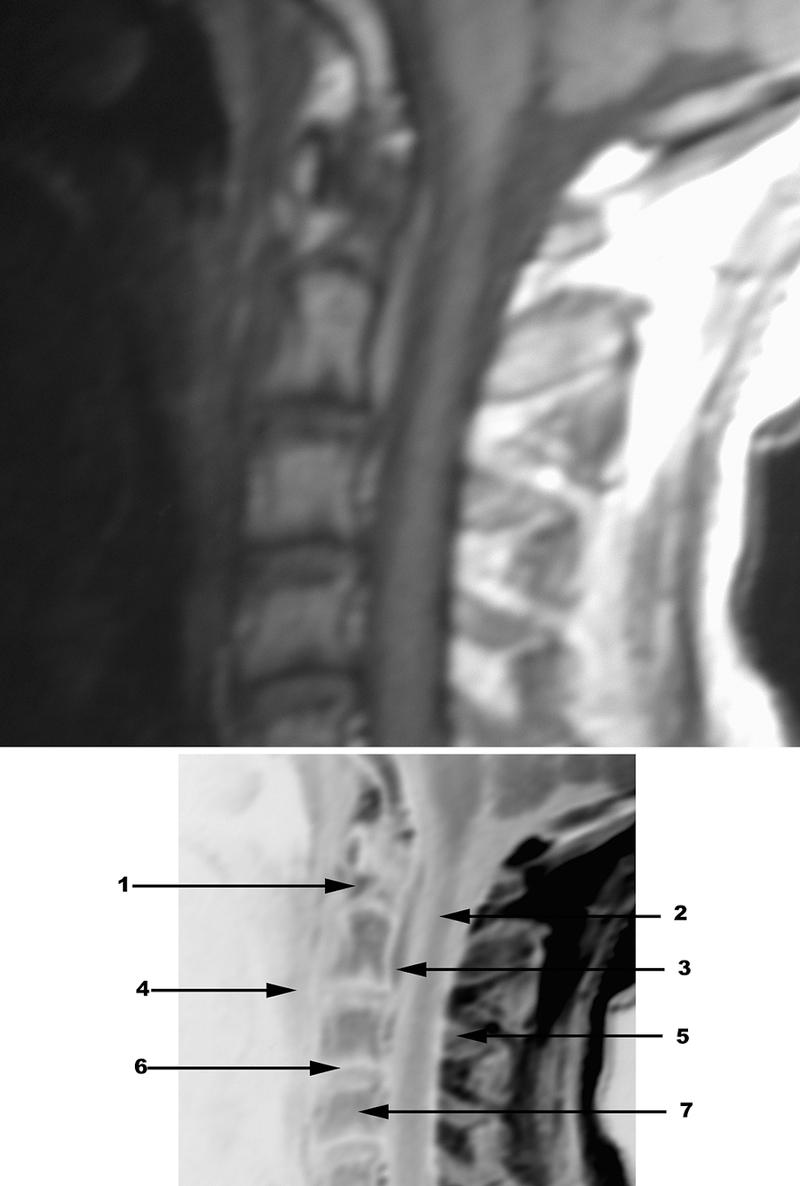
Figure 1 Sagittal plane T1-weighted MRI of the cervical spine. 1 = Axis, 2 = Spinal cord, 3 = Posterior longitudinal ligament, 4 = Anterior longitudinal ligament, 5 = Spinous process, 6 = Intervertebral disk, 7 = Vertebral body.
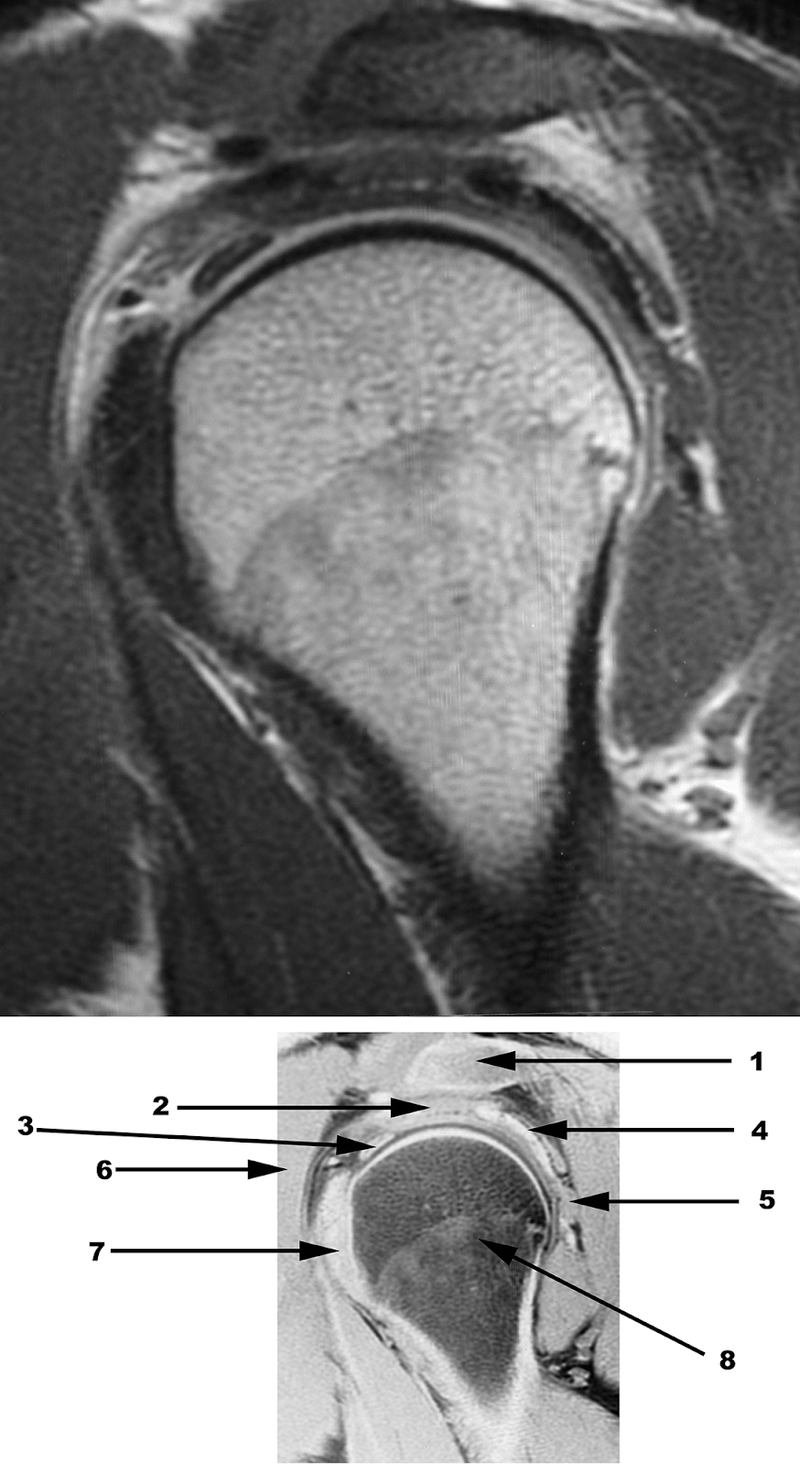
Figure 2 Sagittal plane T1-weighted MRI of the shoulder. 1 = Acromion, 2 = Supraspinatus, 3 = Biceps tendon, 4 = Infraspinatus, 5 = Teres minor, 6 = Deltoid, 7 = Subscapularis, 8 = Humerus.
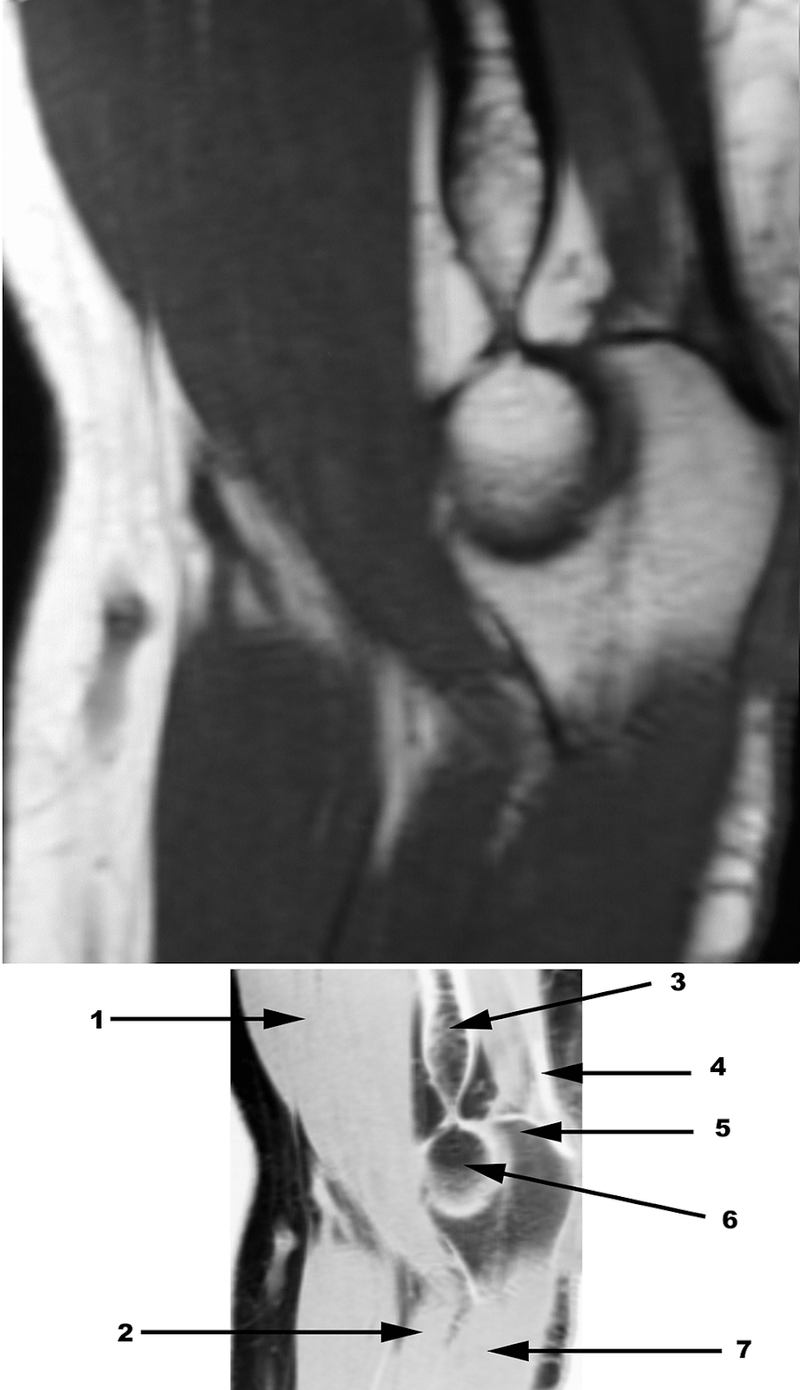
Figure 3 Sagittal plane T1-weighted MRI of the elbow. 1 = Brachialis, 2 = Flexor digitorum superficialis, 3 = Humerus, 4 = Triceps, 5 = Olecranon, 6 = Trochlea of humerus, 7 = Flexor digitorum profundus.
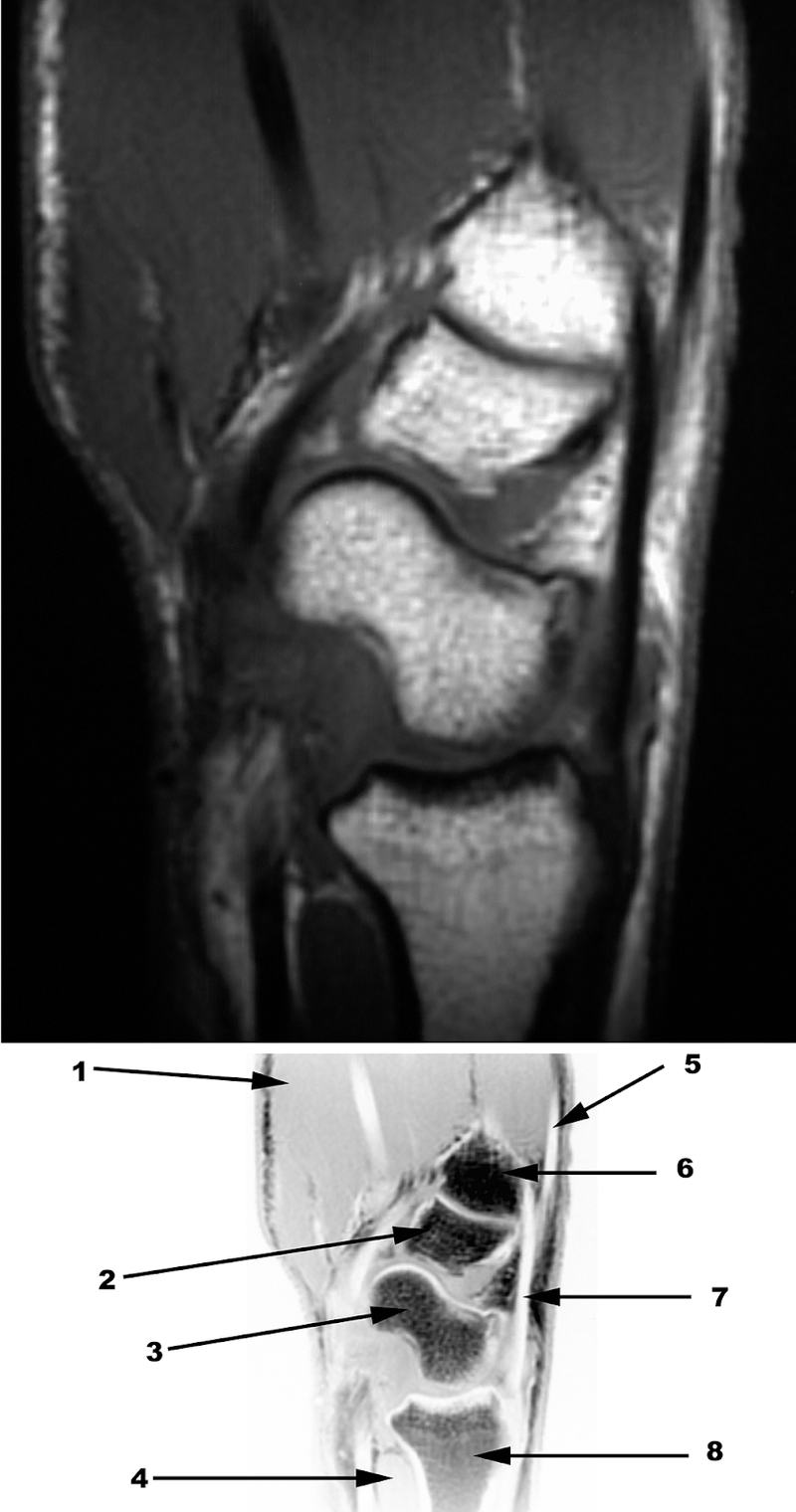
Figure 4 Sagittal plane T1-weighted MRI of the wrist. 1 = Thenar muscles, 2 = Trapezoid, 3 = Scaphoid, 4 = Pronator quadratus, 5 = Tendon of extensor digitorum, 6 = Second metacarpal, 7 = Tendon of extensor carpi radialis brevis, 8 = Radius.
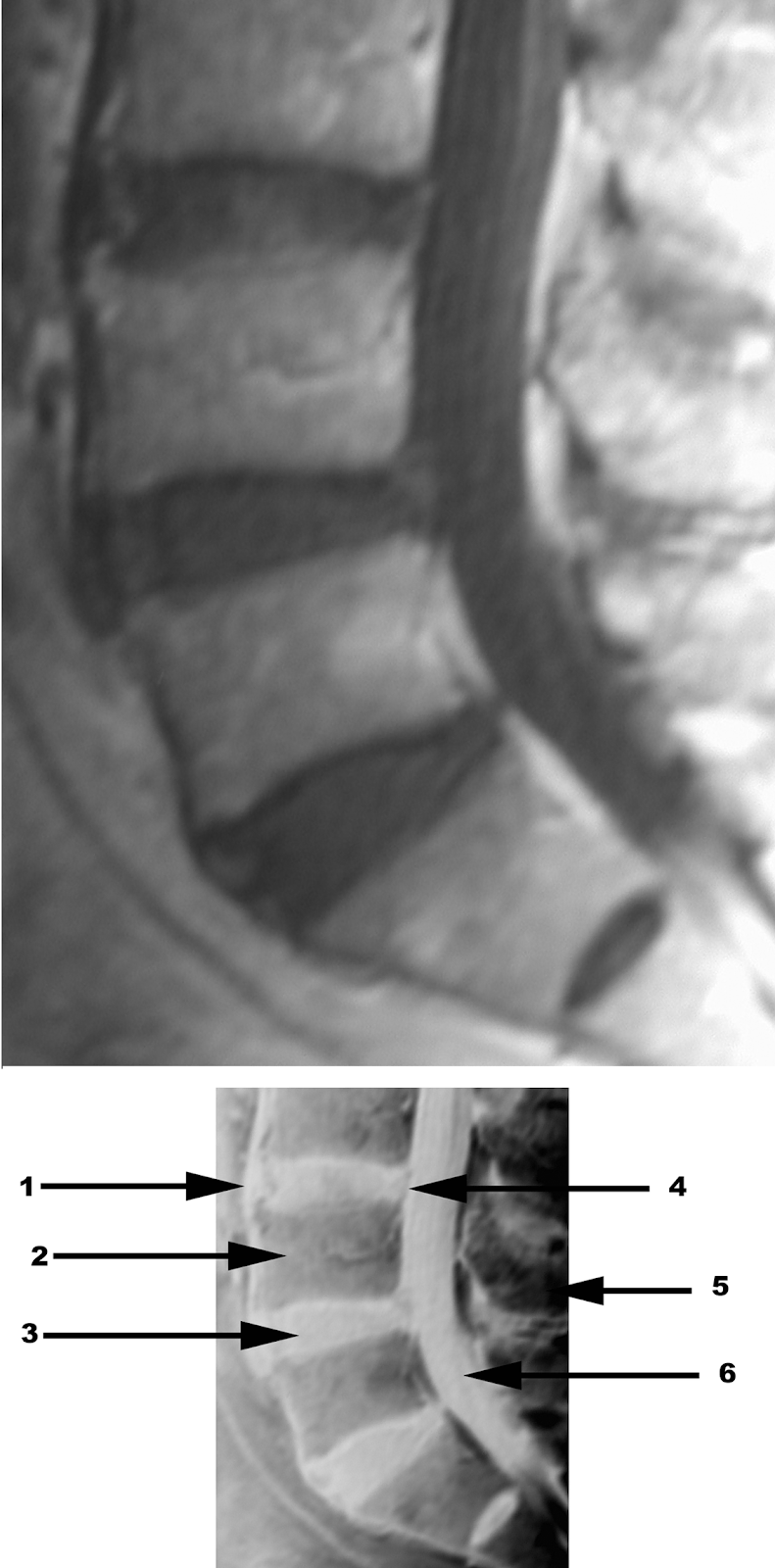
Figure 5 Sagittal plane T1-weighted MRI of the lumbar spine. 1 = Anterior longitudinal ligament, 2 = Vertebral body, 3 = Invertebral disk, 4 = Posterior longitudinal ligament, 5 = Spinous process, 6 = Cauda equina.
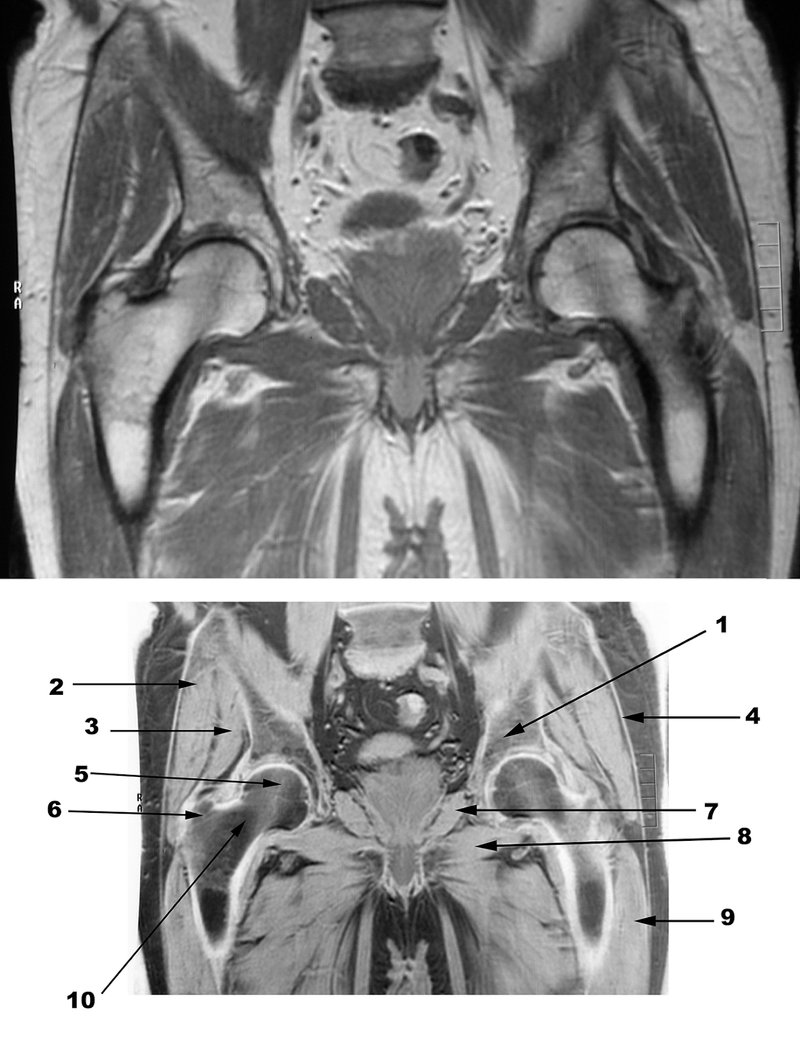
Figure 6 Coronal plane T1-weighted MRI of the pelvis. 1 = Acetabulum, 2 = Gluteus medius, 3 = Gluteus minimus, 4 = Iliotibial band, 5 = Femoral head, 6 = Greater trochanter, 7 = Obturator internus, 8 = Obturator externus, 9 = Vastus lateralis, 10 = Femoral neck.
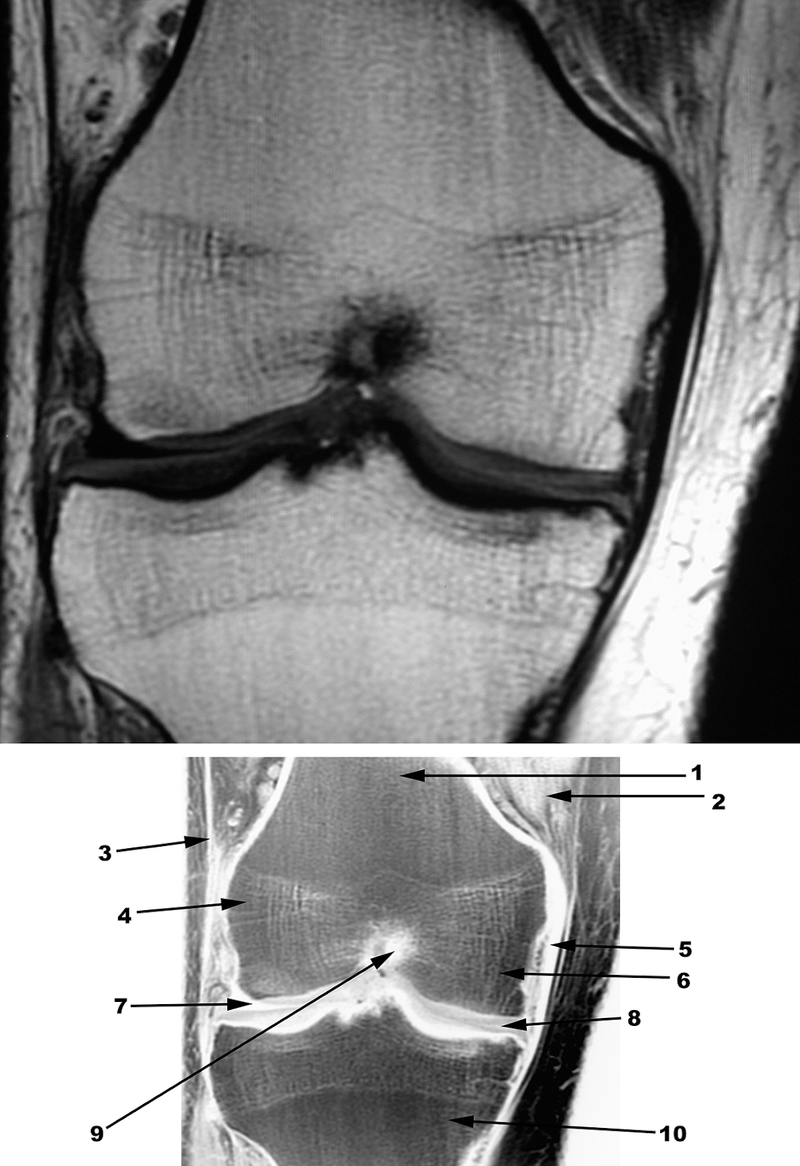
Figure 7 Coronal plane T1-weighted MRI of the knee. 1 = Femur, 2 = Vastus medialis, 3 = Iliotibial band, 4 = Lateral femoral condyle, 5 = Medial collateral ligament, 6 = Medial femoral condyle, 7 = Lateral meniscus, 8 = Medial meniscus, 9 = Posterior cruciate ligament, 10 = Tibia.
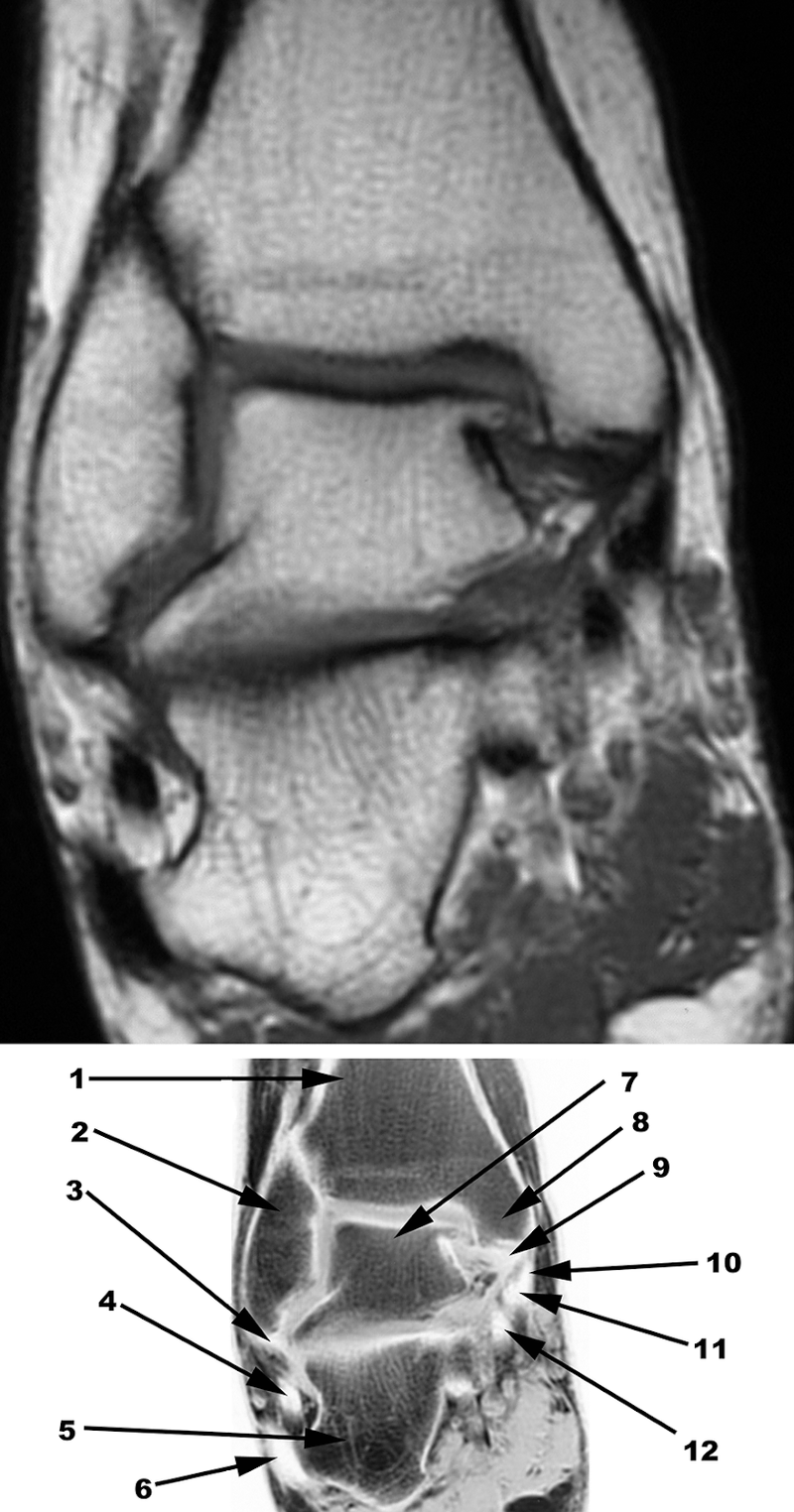
Figure 8 Coronal plane T1-weighted MRI of the ankle. 1 = Tibia, 2 = Fibula, 3 = Calcaneofibular ligament, 4 = Tendon of peroneus brevis, 5 = Calcaneus, 6 = Tendon of peroneus longus, 7 = Talus, 8 = Medial malleolus, 9 = Deltoid ligament, 10 = Tendon of tibialis posterior, 11 = Tendon of flexor digitorum longus, 12 = Tendon of flexor hallucis longus.
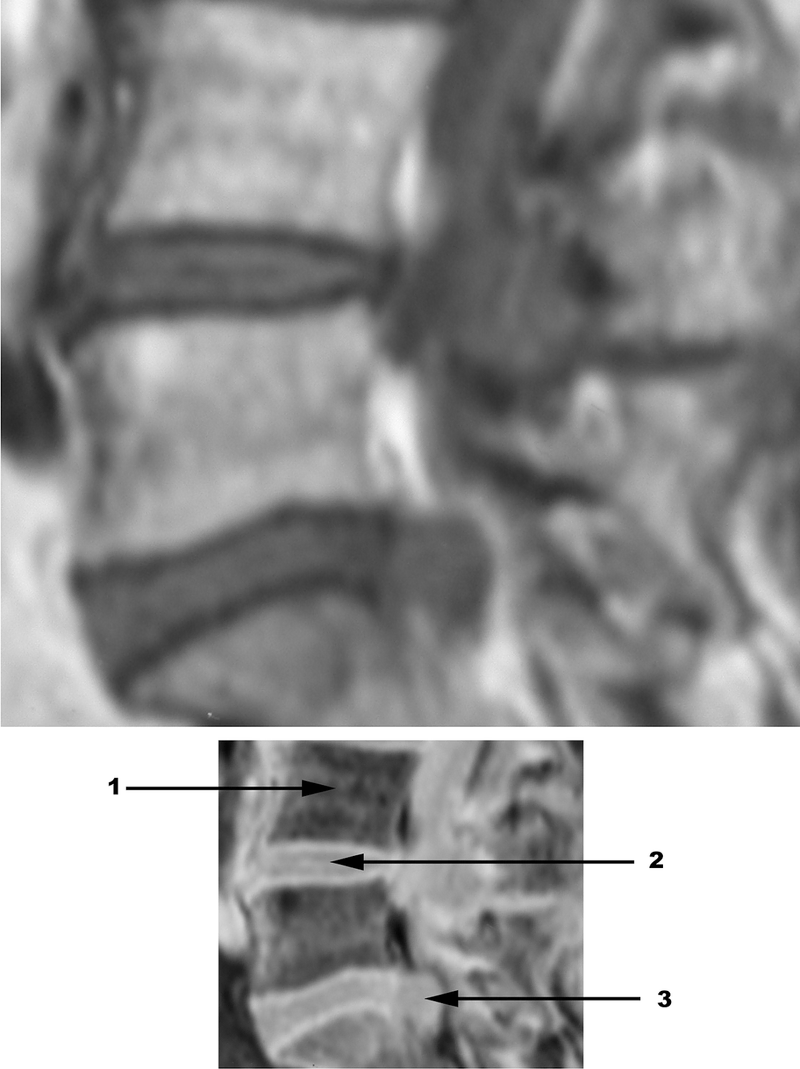
Figure 9 Sagittal T1-weighted, spin-echo MRI of the lumbar spine shows a large posterior herniated L5-S1 intervertebral disk. 1 = Vertebral body, 2 = Normal intervertebral disk, 3 = Herniated nucleus pulposus.
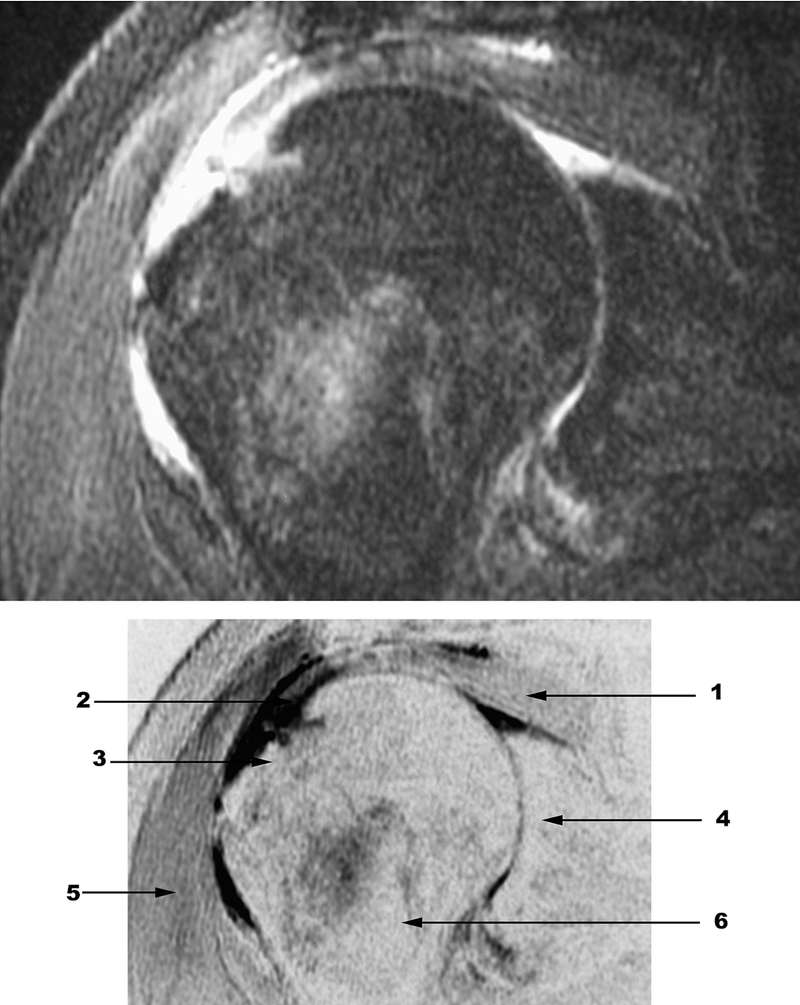
Figure 10 Coronal oblique T2-weighted, spin-echo MRI of the shoulder shows a tear of the supraspinatus muscle-tendon unit from its normal attachment on the greater tuberosity. 1 = Supraspinatus, 2 = Torn edge of the supraspinatus tendon, 3 = Greater tuberosity, 4 = Glenoid, 5 = Deltoid, 6 = Humerus.
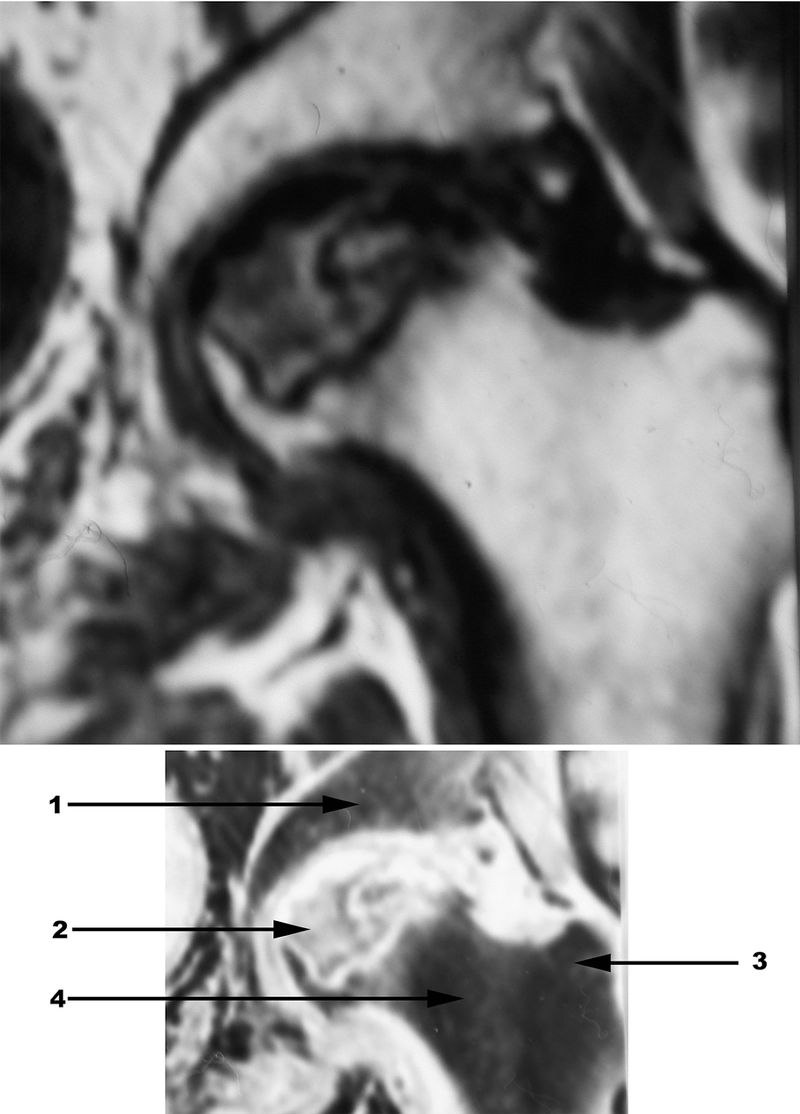
Figure 11 Coronal T1-weighted, spin-echo MRI of the hip reveals a large area of osteonecrosis in the femoral head. 1 = Acetabulum, 2 = Osteonecrosis, 3 = Greater trochanter, 4 = Femoral neck.
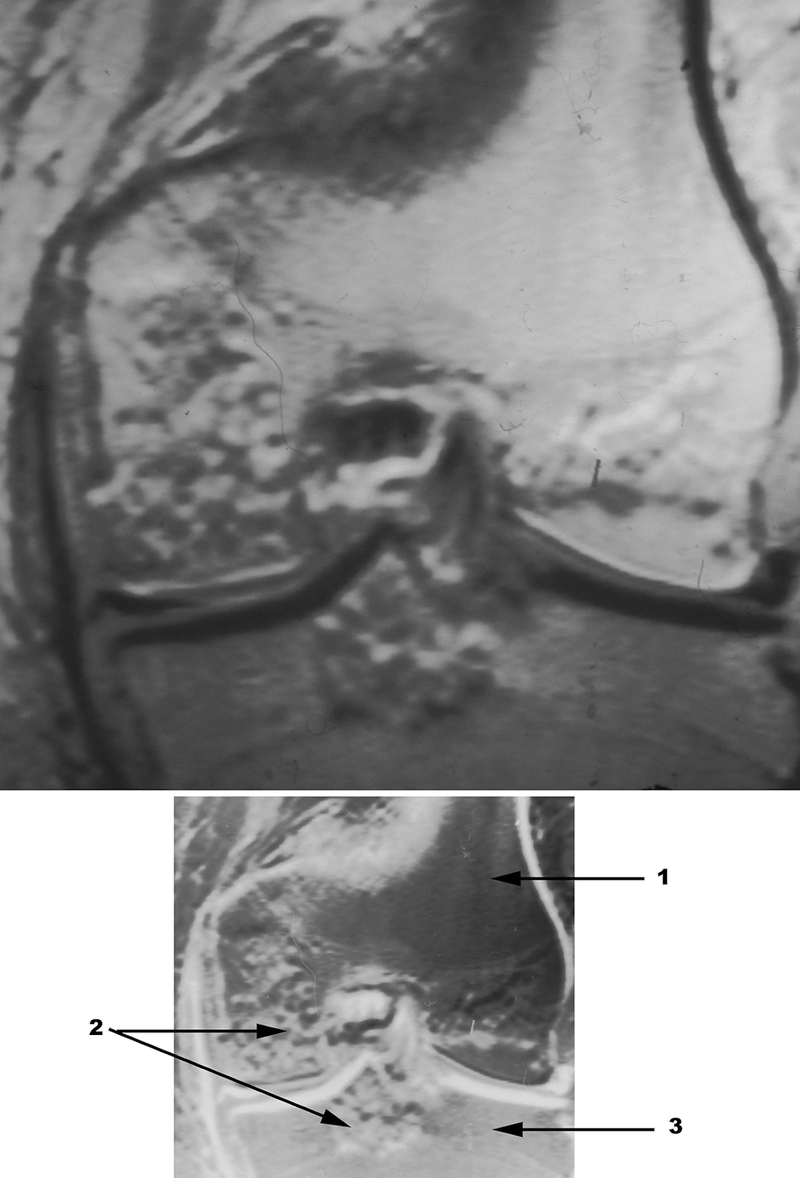
Figure 12 Coronal intermediate-weighted spin-echo MRI of the knee shows diffusely abnormal signal intensity of bone marrow related to osteomyelitis. (Courtesy of C. Beaulieu, Stanford, CA.) 1 = Femur, 2 = Osteomyelitis, 3 = Tibia.
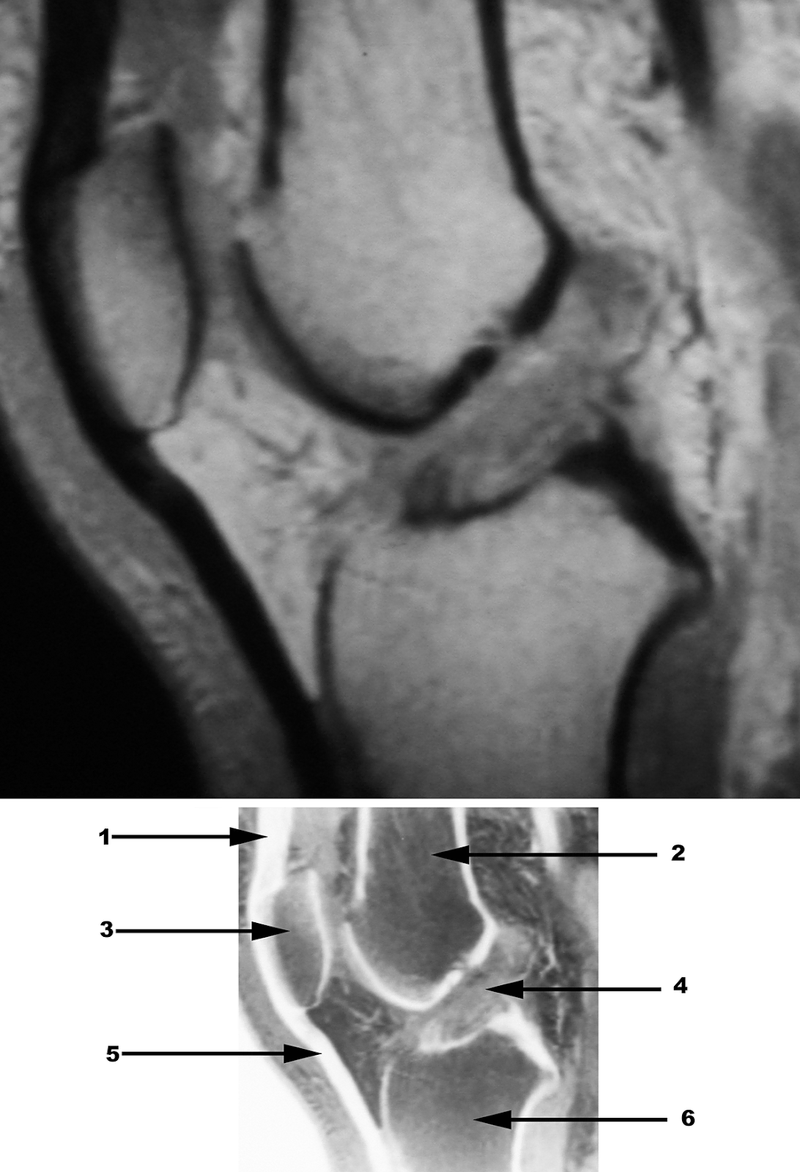
Figure 13 Sagittal intermediate-weighted, spin-echo MRI of the knee shows an acute tear of the anterior cruciate ligament. A normal anterior cruciate ligament should appear as discrete line of low-signal intensity (similar to the patellar and quadriceps tendons). 1 = Quadriceps tendon, 2 = Femur, 3 = Patella, 4 = Torn anterior cruciate ligament, 5 = Patellar tendon, 6 = Tibia.
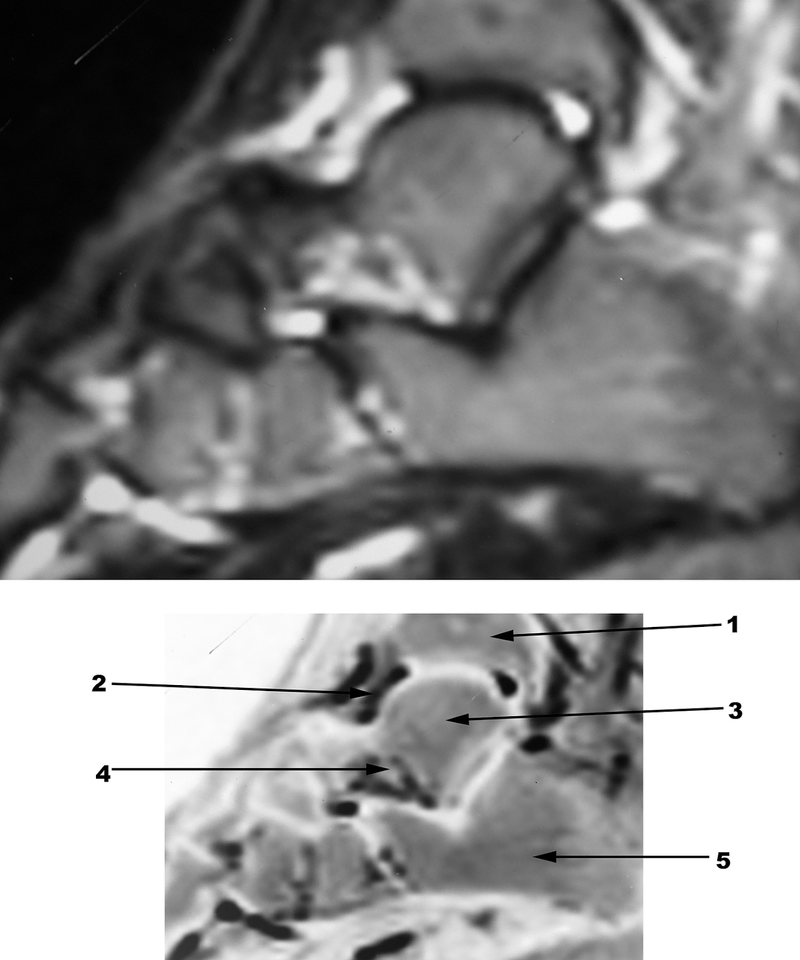
Figure 14 Sagittal T2-weighted, spin-echo MRI of the ankle reveals an osteoid osteoma in the neck of the talus. The nidus within the tumor is of low-signal intensity. A joint effusion is also present. 1 = Tibia, 2 = Effusion, 3 = Talus, 4 = Nidus within osteoid osteoma, 5 = Calcaneus.
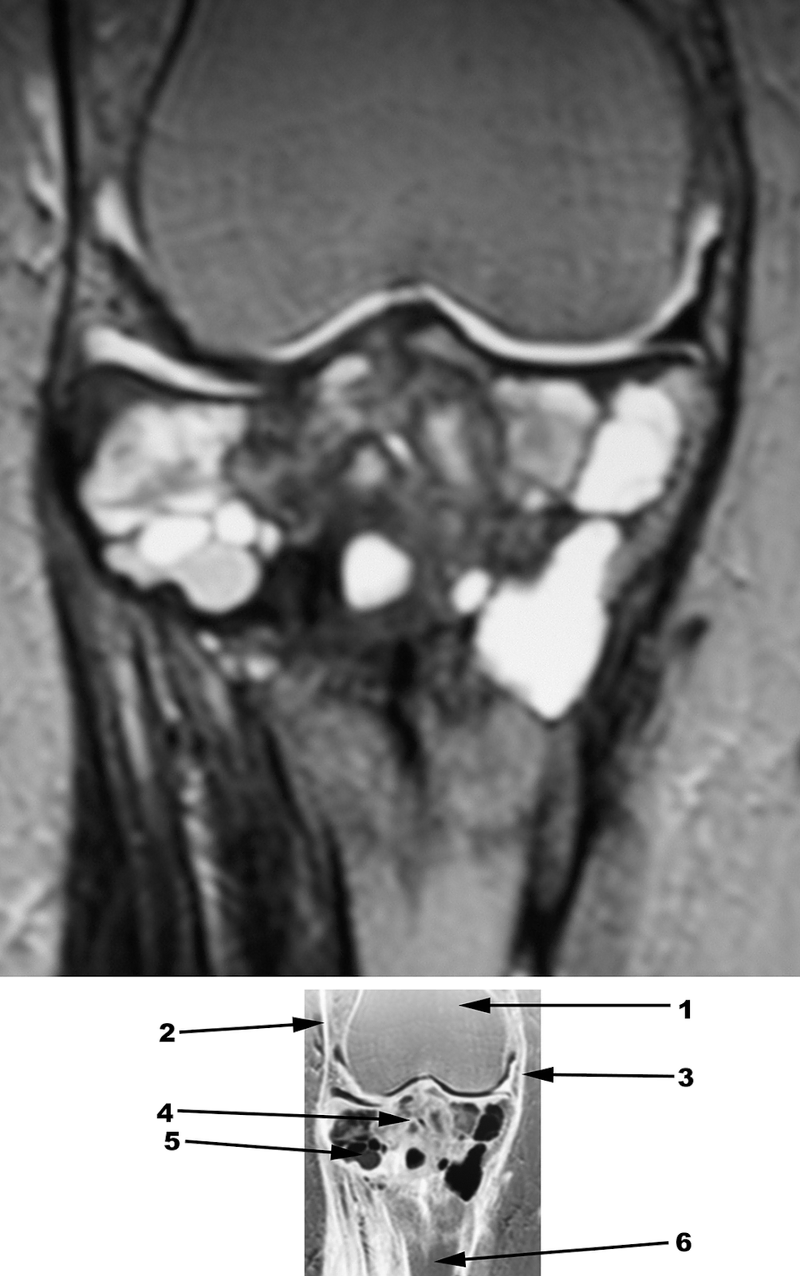
Figure 15 Coronal T2-weighted, spin-echo MRI of the knee shows a giant cell tumor involving the proximal tibia. The tumor lacks homogeneous signal intensity; there is high-signal intensity peripherally and mainly low-signal intensity centrally. 1 = Femur, 2 = Iliotibial band, 3 = Medial collateral ligament, 4 = Giant cell tumor (area of low-signal intensity), 5 = Giant cell tumor (area of high-signal intensity), 6 = Tibia.
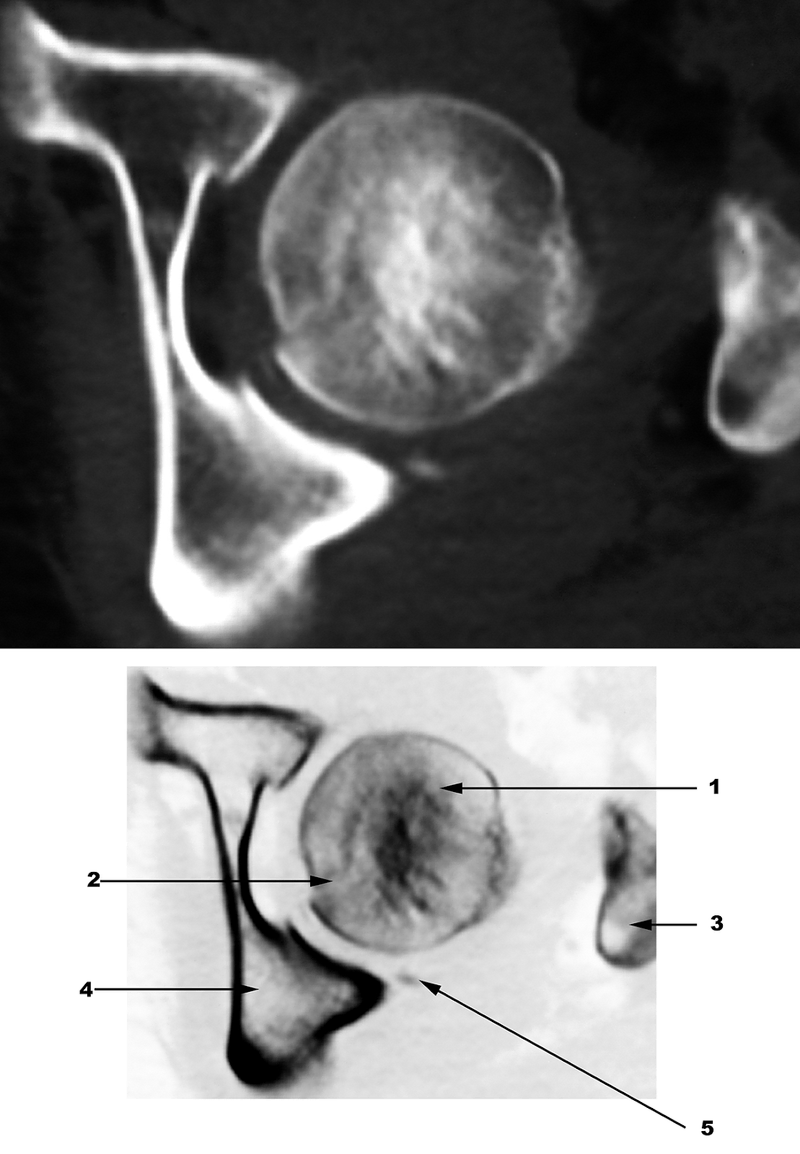
Figure 16 Transaxial CT scan of the hip shows fracture of the femoral head and intra-articular fracture fragments. 1 = Femoral head, 2 = Fracture, 3 = Greater trochanter, 4 = Acetabulum, 5 = Loose body.
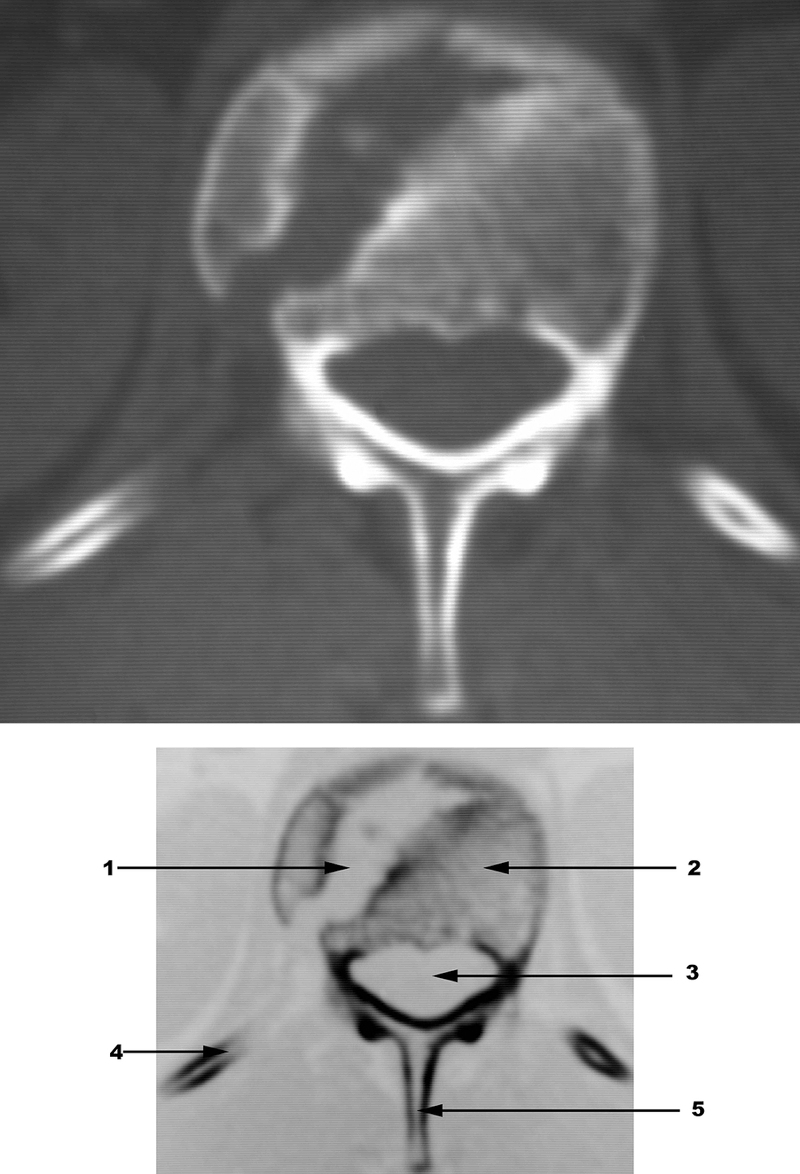
Figure 17 Transaxial CT scan of T12 shows a comminuted fracture of the vertebral body. No fragments within the spinal canal are identified. 1 = Fracture, 2 = Vertebral body, 3 = Spinal canal, 4 = Transverse process, 5 = Spinous process.
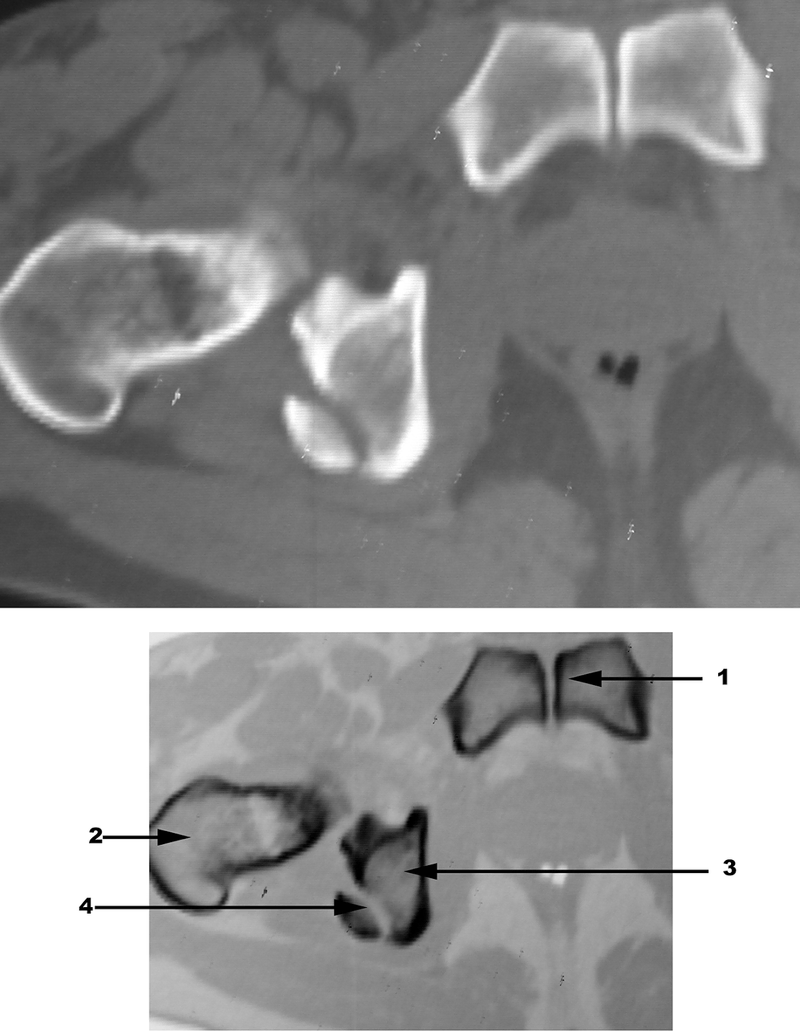
Figure 18 Transaxial CT scan of the pelvis reveals a fracture of the ischial tuberosity. 1 = Pubic symphysis, 2 = Femur, 3 = Ischial tuberosity, 4 = Fracture.
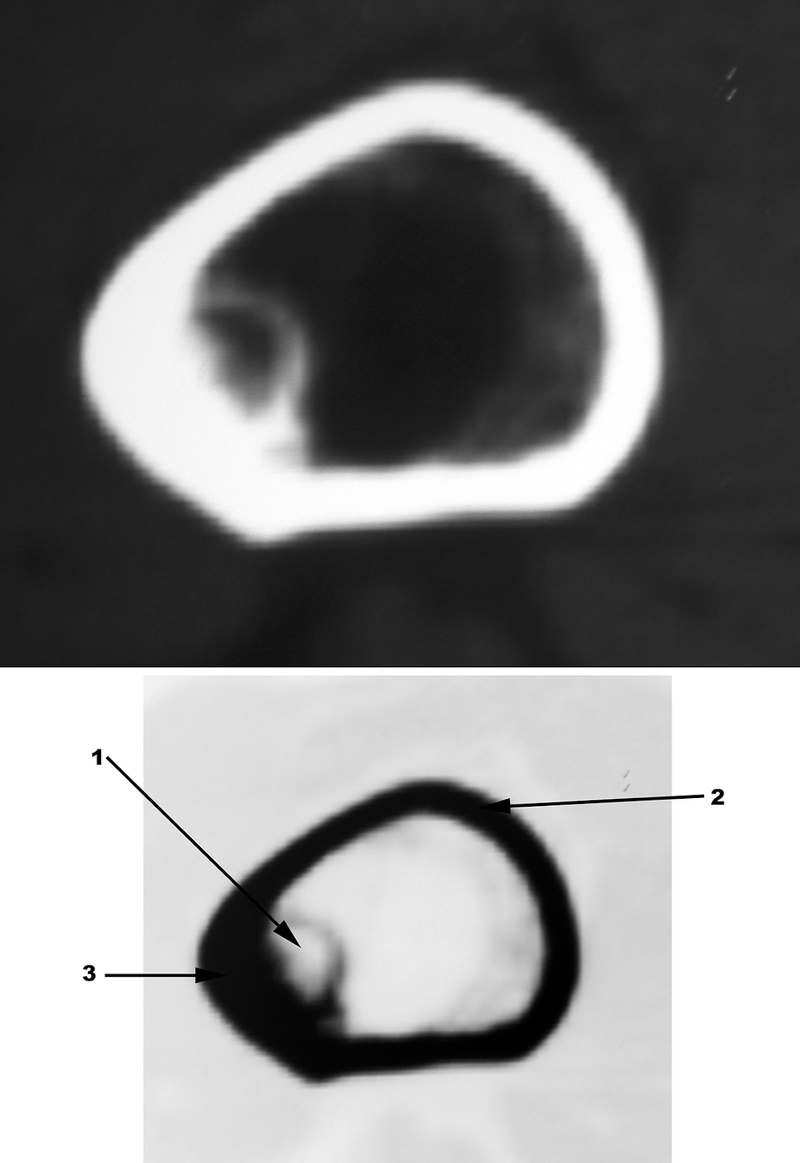
Figure 19 Transaxial CT scan of the femoral diaphysis reveals the radiolucent nidus of an osteoid osteoma. Note thickening of adjacent cortical bone. 1 = Nidus of osteoid osteoma, 2 = Normal femoral cortex, 3 = Thickened femoral cortex.
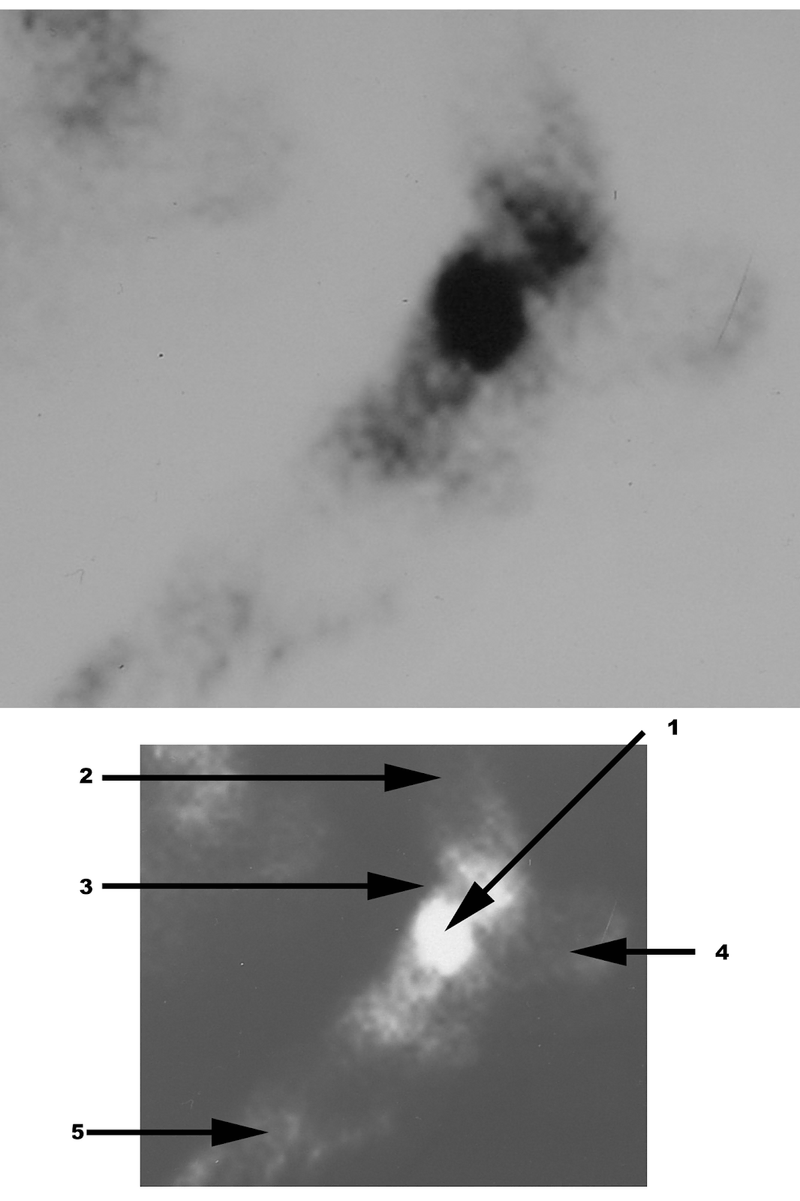
Figure 20 Bone scan of the foot shows accumulation of the radionuclide in the talar neck, consistent with an occult fracture. 1 = Increased signal (fracture), 2 = Tibia, 3 = Talus, 4 = Calcaneus, 5 = Metatarsals.
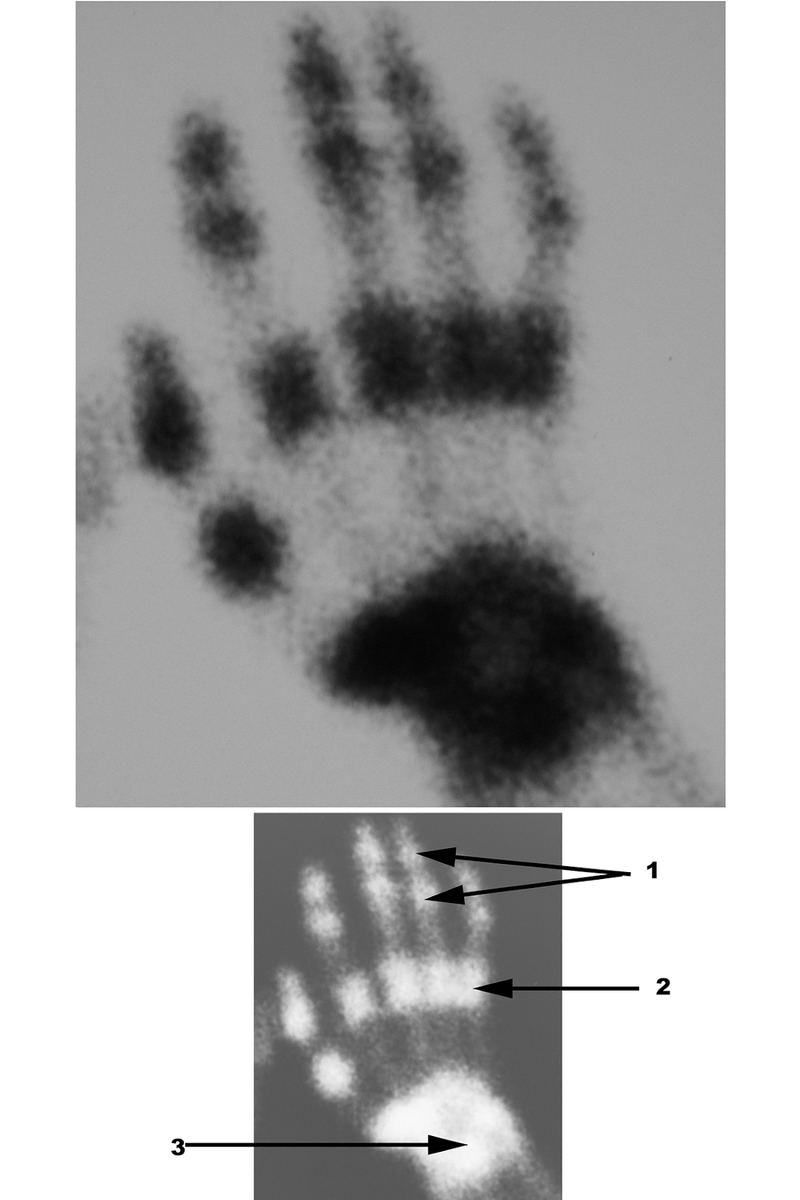
Figure 21 This patient had severe pain following a Colles’ fracture that healed. The bone scan shows abnormal radionuclide accumulation in the bones about the wrist and in the hand, suggestive of complex regional pain syndrome. 1 = Interphalangeal joints, 2 = Metacarpophalangeal joint, 3 = Midcarpal and radiocarpal joints (wrist).
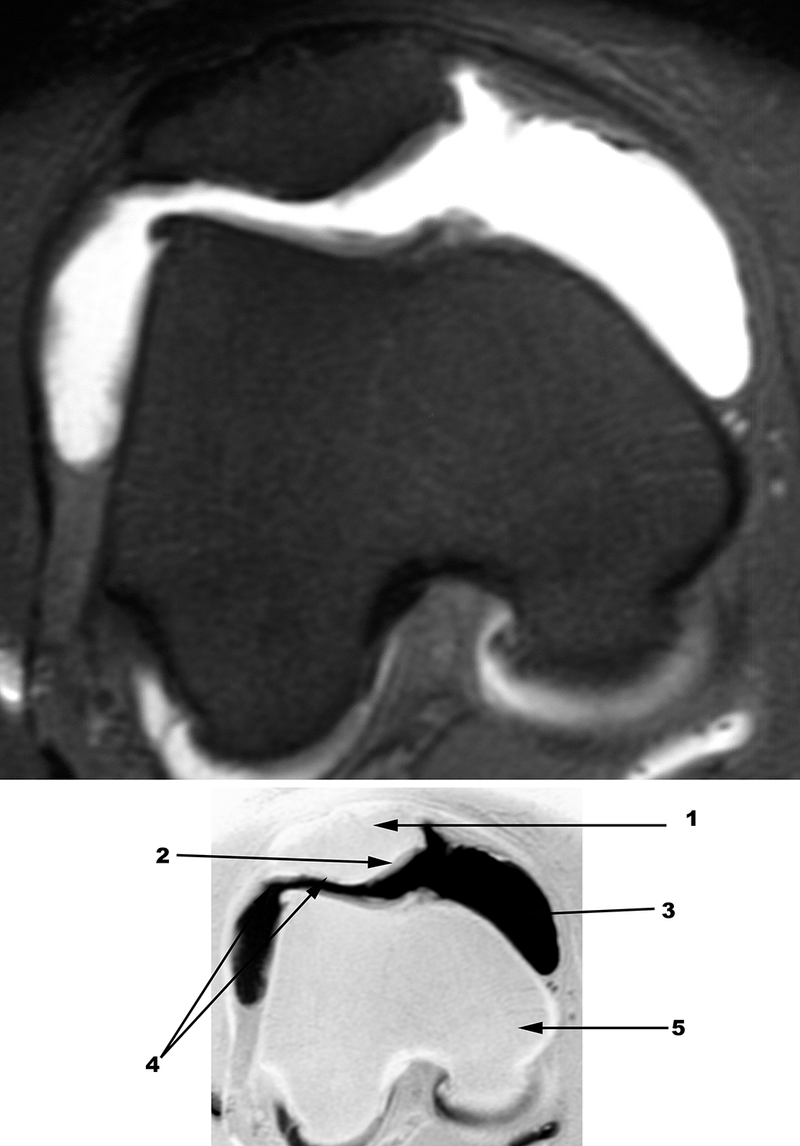
Figure 22 MR arthrography of the knee. An axial fat suppressed T1-weighted spin-echo MRI obtained following the intra-articular injection of a gadolinium compound shows surface irregularity of the patellar articular cartilage. The articular cartilage of the patella should appear as a gray band. On the lateral side of the patella (left of figure), this cartilage is focally absent or severely thinned. 1 = Patella, 2 = Normal articular cartilage, 3 = Effusion, 4 = Articular lesion, 5 = Femur.
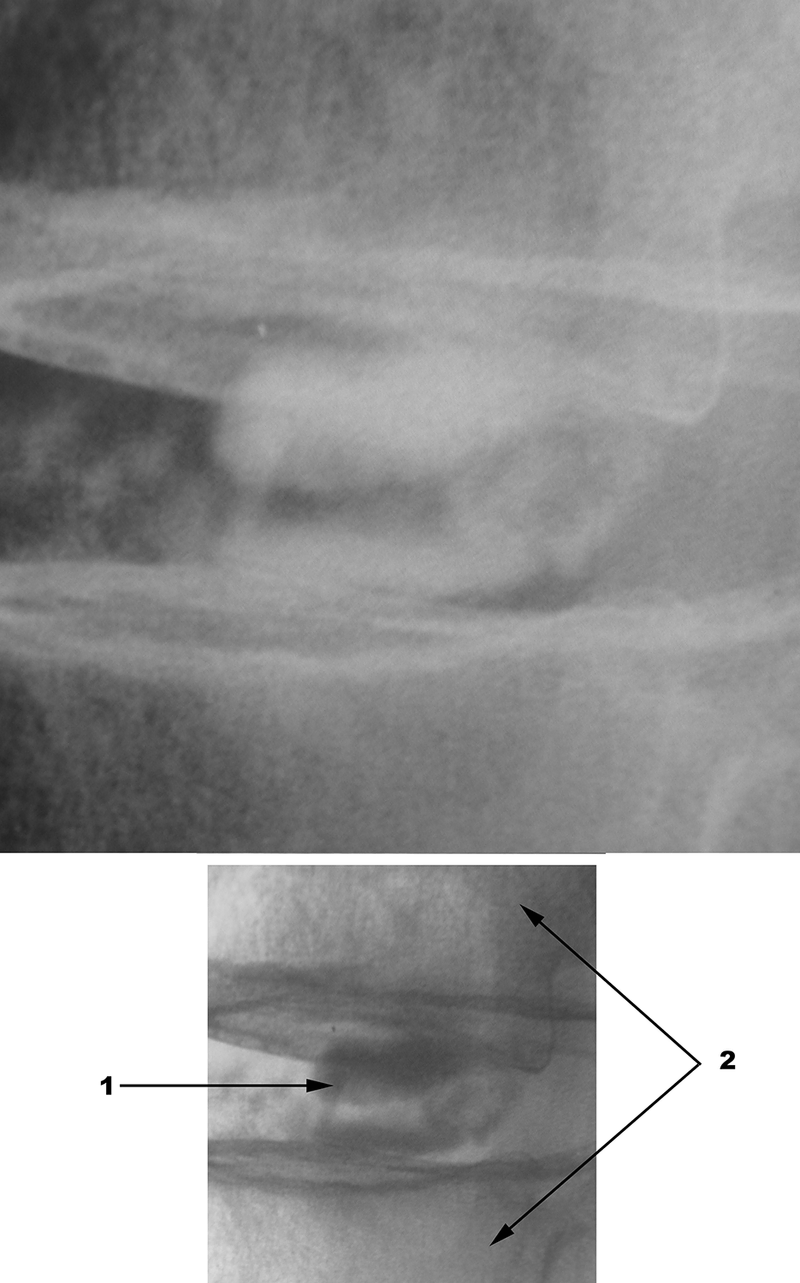
Figure 23 Diskogram displays a normal pattern (bilobular) of contrast opacification of the intervertebral disk at the L4-5 spinal level. 1 = Intervertebral disk, 2 = Vertebral body.
Table 1 Relative MR Signal Intensity of Normal Tissues and FluidsTissueT1-WeightedT2-Weighted Yellow marrowHighIntermediate Red marrowLowIntermediate Cortical bone/calcificationVery lowVery low Muscle IntermediateLow Tendon/ligamentLowLow Anulus fibrosusLowLow Nucleus pulposusIntermediateHigh Articular cartilageIntermediateLow NerveLowLow Vessels/cerebrospinal fluidLowHigh FatHighIntermediate
Table 2 CT Numbers for Various Tissues TissueCT Number (HU)* Bone1,000 Blood40 Muscle10 to 40 Cerebrospinal fluid15 Water0 Fat−50 to −100 Air−1,000 *HU = Hounsfield Units
Table 3 Comparison of MRI and CT Sensitivity MRI more sensitive Bone marrow disease Disk disease Extent of bone tumors Extent of soft-tissue tumors Ligament and tendon injuries Articular cartilage lesions Metastatic disease Osteomyelitis Septic arthritis Soft-tissue infection Joint effusion Pigmented villonodular synovitis Postoperative scarring Spinal metastases Subacute/chronic hematoma Osteonecrosis Occult fracture Compression neuropathy Compartment syndrome Brachial plexopathy CT more sensitive Osteolysis Small calcified lesions Degenerative bony abnormalities Complex fracture Intra-articular bodies MRI and CT approximately equivalent Advanced lumbar disk disease Spinal stenosis
References
1. Weissman BN, Pathria MN, Garfin SR: Imaging after bone and spine surgery, in Resnick D (ed): Bone and Joint Imaging, ed 2. Philadelphia, PA, WB Saunders, 1996; pp 165-182.
2. Weissman BN: Imaging of joint replacement, in Resnick D (ed): Bone and Joint Imaging, ed 2. Philadelphia, PA, WB Saunders, 1996; pp 183-193.
3. André M, Resnick D: Computed tomography, in Resnick D (ed): Bone and Joint Imaging, ed 2. Philadelphia, PA, WB Saunders, 1996; pp 70-83.
4. McEnery KW, Murphy WA Jr: Magnetic resonance imaging, in Resnick D (ed): Bone and Joint Imaging, ed 2. Philadelphia, PA, WB Saunders, 1996; pp 84-93.
5. Rafii M, Minkoff J: Advanced arthrography of the shoulder with CT and MR imaging. Radiol Clin North Am 1998;36:609-633.
6. Theodorou DJ, Theodorou SJ, Kakitsubata Y, et al: Plantar fasciitis and fascial rupture: MR imaging findings in 26 patients supplemented with anatomic data in cadavers. Radiographics 2000;20:S181-S197.
7. de la Puente R, Boutin RD, Theodorou DJ, Hooper A, Schweitzer M, Resnick D: Post-traumatic and stress-induced osteolysis of the distal clavicle: MR imaging findings in 17 patients. Skeletal Radiol 1999;28:202-208.
8. Theodorou DJ, Theodorou SJ, Farooki S, Kakitsubata Y, Resnick D: Disorders of the plantar aponeurosis: AJR Am J Roentgenol 2001;176:97-104.
9. Kakitsubata Y, Boutin RD, Theodorou DJ, et al: Calcium pyrophosphate dihydrate crystal deposition in and around the atlantoaxial joint: Association with type 2 odontoid fractures in nine patients. Radiology 2000;216:213-219.
10. Theodorou DJ, Malizos KN, Beris AE, Theodorou SJ, Soucacos PN: Multimodal imaging quantitation of the lesion size in osteonecrosis of the femoral head. Clin Orthop 2001;386:54-63.
11. Farooki S, Sokoloff RM, Theodorou DJ, Trudell D, Resnick D: MR imaging of the midfoot: Normal anatomy with cadaveric correlation. Magn Reson Imaging Clin N Am 2001;9:419-434.
12. Theodorou DJ: The intravertebral vacuum cleft sign. Radiology 2001;221:787-788.
13. Alazraki N: Radionuclide techniques, in Resnick D (ed): Bone and Joint Imaging, ed 2. Philadelphia, PA, WB Saunders, 1996; pp 141-150.
14. Haughton V: Imaging techniques in intraspinal diseases, in Resnick D (ed): Bone and Joint Imaging, ed 2. Philadelphia, PA, WB Saunders, 1996; pp 100-112.
15. Byers GE, Berquist TH: MR imaging techniques for soft-tissue lesions. Magn Reson Imaging Clin N Am 1995;3:563-576.
16. Sims RE, Genant HK: Magnetic resonance imaging of joint disease. Radiol Clin North Am 1986;24:179-188.
17. Li DK, Adams ME, McConkey JP: Magnetic resonance imaging of the ligaments and menisci of the knee. Radiol Clin North Am 1986;24:209-227.
18. Bates D, Ruggieri P: Imaging modalities for evaluation of the spine. Radiol Clin North Am 1991;29:675-690.
19. Modic MT, Masaryk TJ, Ross JS, Carter JR: Imaging of degenerative disk disease. Radiology 1988;168:177-186.
20. Pech P, Haughton VM: Lumbar intervertebral disk: Correlative MR and anatomic study. Radiology 1985;156:699-701.
21. Schiebler ML, Grenier N, Fallon M, Camerino V, Zlatkin M, Kressel HY: Normal and degenerated intervertebral disk: In vivo and in vitro MR imaging with histopathologic correlation. AJR Am J Roentgenol 1991;157:93-97.
22. Peterfy CG, Roberts T, Genant HK: Dedicated extremity MR imaging: An emerging technology. Radiol Clin North Am 1997;35:1-20.
23. Helgason JW, Chandnani VP: MR arthrography of the ankle. Radiol Clin North Am 1998;36:729-738.
24. Parker DL: Computed tomography (CT), in von Schulthess GK, Smith HJ (eds): The Encyclopaedia of Medical Imaging: Vol. I: Physics, Techniques and Procedures. Oslo, Norway, the NICER Institute, 1998; pp 82-83.
25. Hunter JC, Brandser EA, Tran KA: Pelvic and acetabular trauma. Radiol Clin North Am 1997;35:559-590.
26. Rabassa AE, Guinto FC Jr, Crow WN, Chaljub G, Wright GD, Storey GS: CT of the spine: Value of reformatted images. AJR Am J Roentgenol 1993;161:1223-1227.
27. Burnstein MI, Pozniak MA: Computed tomography with stress maneuver to demonstrate sternoclavicular joint dislocation. J Comput Assist Tomogr 1990;14:159-160.
28. Young SW, Muller HH, Marshall WH: Computed tomography: Beam hardening and environmental density artifact. Radiology 1983;148:279-283.
29. Aaron A, Weinstein D, Thickman D, Eilert R: Comparison of orthoroentgenography and computed tomography in the measurement of limb-length discrepancy. J Bone Joint Surg Am 1992;74:897-902.
30. Helms CA, McCarthy S: CT scanograms for measuring leg length discrepancy. Radiology 1984;151:802.
31. Liu CC, Theodorou DJ, Theodorou SJ, et al: Quantitative computed tomography in the evaluation of spinal osteoporosis following spinal cord injury. Osteoporos Int 2000;11:889-896.
