

Pain is one of the most common complaints in clinical medicine. Pain, however, has a purpose. Acute pain alerts us to the many hazards in our environment and motivates us to withdraw from danger. People who are not able to feel pain are prone to injury. This is seen, for example, in the joints of patients with neuropathy caused by diabetes mellitus, in which the lack of protective sensation leads to rapid joint destruction. Pain is a basic part of normal life and serves as an important factor in our cognitive development. Our experiences, culture, personality, and a host of psychosocial factors influence our perception of pain. Pain is a source of information and should be appreciated for its purpose.
Problems arise when pain is no longer protective and assumes a persistent pathologic state. Because of the subjective nature of pain, definitions of chronic pain syndromes may be vague. In its most general form, chronic pain refers to pain that endures after the time normally required to heal the underlying injury. Chronic pain has been defined as lasting anywhere from 6 weeks to 6 months or more. Although pain may be an indication of a serious underlying condition, chronic pain itself can become a disease state.1
Chronic pain has been redefined over the past 20 years, with more attention being given to states in which pain is the predominant symptom but for which no underlying organic condition can be identified. Patients with chronic pain syndromes can be undertreated because physicians may attribute the pain to abnormal mental processes. Chronic pain often has a significant impact on a patient’s relationship with family, friends, and employers. The disruption in their lives may leave patients angry and afraid that they are no longer able to continue their role as partner, friend, or employee. A significant proportion of patients with chronic pain syndromes have an associated psychiatric diagnosis; however, it is difficult to determine whether psychologic symptoms are effects or causes of pain syndromes. After all, living with chronic pain is apt to induce mental anguish.
Chronic pain syndromes are often classified as diffuse or regional pain syndromes. This chapter describes the most common of each of these types of chronic pain: fibromyalgia and complex regional pain syndrome, respectively. Each condition includes a descriptive example. When treating patients with chronic pain, physicians are professionally obligated to determine whether there is an underlying disorder. Thus, patients with chronic pain are best approached in a systematic manner. Questions concerning how the pain began, how the pain is described, the intensity of the pain, known aggravators and alleviators of the pain, and how symptoms impact the patient’s life can help to identify the cause. The descriptions of these conditions illustrate many of the features common to most chronic pain syndromes.
When examining a patient whose sole complaint is pain, two caveats are in order. The first is that there may be no structural disease present. If this is the case, then the patient may be malingering (feigning illness). Physicians treating musculoskeletal disease must be aware of the possibility of malingering, although the patient should be given the benefit of the doubt, as there is no objective way to verify symptoms. The second caveat is that patients with chronic pain can have objective but unrelated musculoskeletal abnormalities. Herniated spinal disks and tears of the menisci and rotator cuff are common MRI findings, but these may not be the source of the patient’s complaints. Careful correlation of data obtained from the history, physical examination, and imagining studies is essential, particularly in patients with chronic pain syndromes.
Fibromyalgia
Fibromyalgia is a syndrome of diffuse musculoskeletal pain, sleep disturbances, and exhaustion. Fibromyalgia is now recognized as the most common cause of generalized musculoskeletal pain in women 20 to 55 years of age, yet because it defies objective identification, it remains a controversial diagnosis. The physical examination findings of patients with fibromyalgia are typically normal beyond disproportionate tenderness to palpation. Because results of laboratory tests and imaging studies are also usually normal, an organic cause of fibromyalgia has been questioned. Whether the physical symptoms found in fibromyalgia are a manifestation of psychological processes or whether the organic abnormalities that give rise to this condition are too subtle to be detected continues to be debated.
Definition
Before the term fibromyalgia was coined, similar syndromes were described as fibrositis. Despite the connotation of a term ending in “itis,” histologic evidence of inflammation of either muscle or connective tissue has never been reproducibly reported. In the late 1980s, the Fibromyalgia Multicenter Criteria Committee was formed under the sponsorship of the American College of Rheumatology (ACR) to create a standardized approach to the clinical diagnosis and treatment of fibromyalgia. In 1990, the ACR published diagnostic criteria for fibromyalgia, foremost among them being a history of chronic widespread pain.2 Widespread pain is defined as pain on both sides of the body, above and below the waist, as well as pain in the cervical spine, anterior chest, thoracic spine, and/or lower back. According to the ACR criteria, fibromyalgia can be diagnosed only if patients also report pain on palpation in 11 of 18 tender point sites2 (
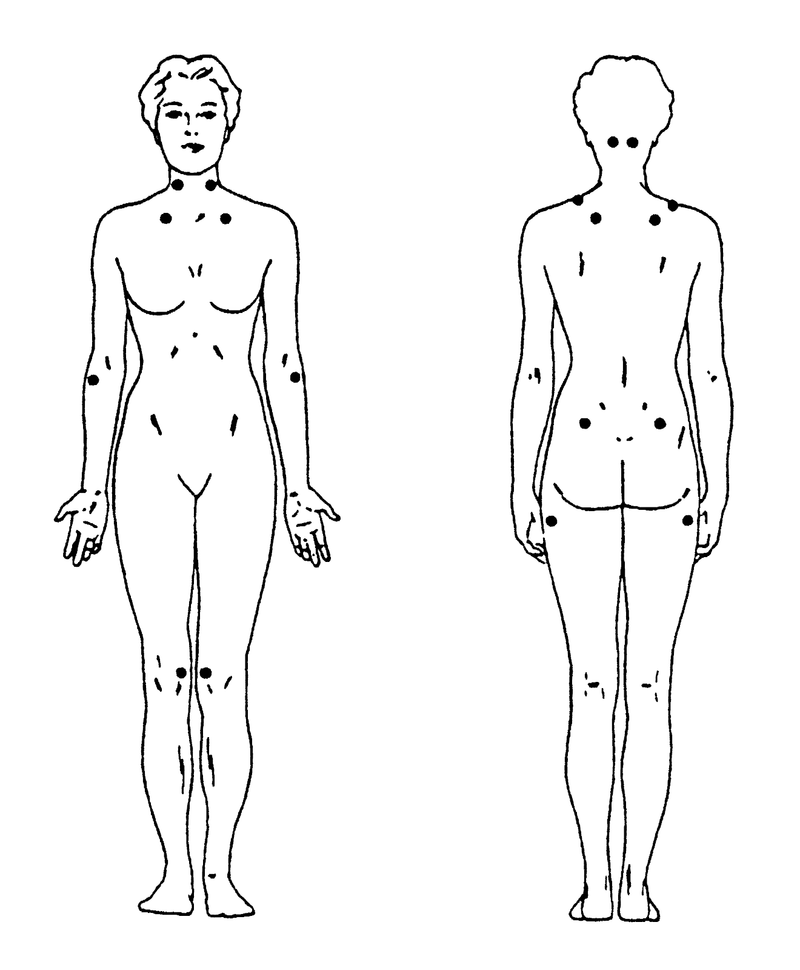
Figure 1 Anterior and posterior tender points associated with fibromyalgia.
(Reproduced with permission from the Arthritis Foundation, Atlanta, GA.)
)
The ACR classification criteria for fibromyalgia and the reproducibility of symptoms by different observers have been validated in several international studies.2 Many symptoms are known to be associated with fibromyalgia, including fatigue (81%), stiffness (77%), sleep disturbance (75%), fluctuating symptoms with changes in the weather (67%), paresthesias (63%), headaches (53%), and anxiety (48%). Moreover, ACR classification criteria have been shown to be 88% sensitive and 81% specific in distinguishing fibromyalgia from other chronic pain syndromes.2
It is essential to note that the ACR criteria for diagnosing fibromyalgia were developed in order to define a reproducible population of patients to be studied. That is, the ACR did not prove that fibromyalgia exists; rather, it provided classification guidelines that allow physicians to communicate. This is the rationale of the Diagnostic and Statistical Manual used by psychiatrists, for example, and it is an accepted approach to the description of disease. Without criteria to define a disease, it is difficult, if not impossible, to conduct the research needed to validate it.
Epidemiology
Fibromyalgia consists of two cardinal features: diffuse musculoskeletal pain and a heightened sense of tenderness in certain areas of the body. There are no known objective markers of the disease. Several other features are associated with this condition, including sleep disruption, stiffness, and fatigue. For reasons not understood, this condition affects women 10 times more often than men. The estimated prevalence is 3.4% among women and 0.5% among men.3 Although fibromyalgia most often affects women who are 20 to 55 years of age, it has been reported in patients up to 79 years of age as well. No genetic predisposition has ever been proven. Over 75% of patients with this diagnosis were examined by a physician in the preceding 6 months, and 66% were taking pain medications for their symptoms. Almost 20% had applied for disability benefits, and approximately 7% had actually received such benefits.4
Clinical Presentation
A typical patient with fibromyalgia is a 20- to 55-year-old woman who reports chronic aching pain and stiffness. These pains frequently involve the entire body, but most of the pain occurs around the neck, shoulders, low back, and hips. The intensity of the pain may vary from day to day. The patients may have difficulty distinguishing joint pain from muscle pain and may report a sense of swelling in the affected areas. Poor sleep, numbness, and a persistent headache also are common complaints. Patient may associate the onset of their symptoms with a traumatic event or flulike illness. They may have changed employers or stopped work altogether as a result of their symptoms. Other than excessive pain to palpation in the characteristic distributions, physical examination findings and laboratory and radiograph test results are essentially normal.
Several conditions are commonly confused with fibromyalgia. Some of these include depression, irritable bowel syndrome, migraine, and chronic fatigue syndrome; a psychiatric diagnosis was found in 16.9% of patients with chronic widespread pain.5,6 Most patients with chronic fatigue syndrome meet the tender point criteria for fibromyalgia, and 70% of patients with fibromyalgia meet the criteria for chronic fatigue syndrome.7 Fibromyalgia has clinical similarities to other, better-defined, rheumatologic conditions, such as rheumatoid arthritis, Sjögren’s syndrome, and systemic lupus erythematosus, with 22% of patients with systemic lupus erythematosus meeting the ACR criteria for fibromyalgia.8
Potential Etiologic Mechanisms
As many as 50% of patients with fibromyalgia can cite an event that triggered the onset of symptoms. Because of this pattern, some have suggested that fibromyalgia may occur as a result of trauma, surgery, or a medical illness. Although the etiology remains unknown, several pathophysiologic models have been proposed and are supported by studies used to explain this condition. The proposed mechanisms can be categorized as follows: sleep, muscle, neuroendocrine, neurotransmitter, and cerebral blood flow.
More than 75% of patients with fibromyalgia report a nonrestorative sleep pattern. Sleep abnormalities have been investigated as both a primary cause and a secondary finding for the past 20 years. It has been shown in normal subjects that disruption of non–rapid-eye-movement (REM) sleep can result in symptoms similar to fibromyalgia.9 Alpha-wave intrusion into deeper, non-REM stages of sleep have been demonstrated in patients with fibromyalgia. However, these findings lack both sensitivity and specificity.
Many studies have suggested histologic and histochemical markers for fibromyalgia. Some have reported abnormalities in muscle fiber specimens obtained from biopsies of tender point areas in patients with fibromyalgia. Others reported evidence of local hypoxia and decreased high-energy phosphate levels in the muscle tissue of patients with fibromyalgia; however, these findings have not been reproduced by researchers looking for biochemical and histologic markers of fibromyalgia. It has been suggested that biopsy specimen abnormalities may be the result of deconditioned muscles, which is common in patients with fibromyalgia because abnormal pain leads to inactivity.
Although there is no known etiologic role for some of the viruses associated with chronic fatigue syndrome and other chronic conditions, such as Epstein-Barr virus and parvovirus, some infections have been associated with triggering fibromyalgia. One study found 8% of patients with Lyme disease later had fibromyalgia that lasted months to years despite adequate treatment of the infection.10
One subjective finding that has been reproducibly demonstrated is a qualitatively altered sense of nociception (pain sensing). Patients with fibromyalgia are usually noted to be overly sensitive to both pain and auditory stimuli. Whether this process is a central or peripheral abnormality is unknown, but studies have suggested that the increased pain noted on tender points examination may result as a manifestation of a central nervous system alteration in the processing of nocioceptive stimuli.
Depression is more prevalent in patients with fibromyalgia than in the general population. Although it is often difficult to distinguish depression as a comorbidity versus a secondary complication of living with chronic pain, there is little disagreement that the psychologic state of the patient plays a large role in both the development and treatment of fibromyalgia. One study demonstrated increased rates of lifetime sexual abuse (17% versus 6%), physical abuse (18% versus 4%), and drug abuse (16% versus 3%) in women with fibromyalgia who were compared with controls.11 The authors of this study suggest that these factors may affect the expression and persistence of fibromyalgia in adult life. Patients who attribute their pain to a traumatic or inciting event are less likely to show clinical improvement. This may be a consequence of the belief that people who are in pain need to find meaning for their suffering or the observation that people who are in pain may better recall traumatic events.
Treatment and Prevention
General Approaches
Treating fibromyalgia can be difficult and unsatisfying for both the patient and the physician, and no known methods of preventing fibromyalgia exist. One study reported that less than 50% of patients with fibromyalgia reported adequate relief of their symptoms after treatment.12 One 3-year study found that only 3% of patients reported complete remission of all pain symptoms after treatment.13 As a general rule, when a given medical condition is treated in many different ways, it is likely that no single treatment is highly effective. This is the case with fibromyalgia; many different therapies have been tried and none have demonstrated a dramatic clinical effect.
A supportive attitude is essential in treating patients with fibromyalgia. Physicians should emphasize the benign nature of the disorder, stressing that fibromyalgia is neither life threatening nor a deforming disease. Educating the patient about the natural history of the disorder and the current understanding of possible pathologic mechanisms can help patients understand and develop reasonable expectations about their treatment and prognosis. As when treating any disease, relating possible mechanisms to the proposed treatments may put patients more at ease. Physical therapy and exercise, for example, can be supported by discussions concerning evidence of decreased blood flow and changes in muscles that are found with deconditioning.
Pharmacologic Approaches
Although no drugs are currently indicated specifically for the treatment of fibromyalgia, antidepressants and analgesics are commonly prescribed. Studies report that about 25% of patients with fibromyalgia demonstrated significant improvement in their symptoms with use of tricyclic antidepressants (TCAs), such as amitriptyline.14 Amitriptyline is usually taken a few hours before the patient goes to bed in order to take advantage of its sedating properties. Physicians should prescribe the lowest possible dose to avoid adverse effects.
It is unclear whether selective serotonin reuptake inhibitors (SSRIs) provide any clinical benefit. Some studies have found little benefit, whereas others have found the effects of SSRIs to be similar to those of TCAs. SSRIs have also been shown to be effective when used in conjunction with a TCA taken at night, but their effectiveness may be limited to the treatment of the comorbid depression that is so common in fibromyalgia.
Analgesics have been used in the treatment of fibromyalgia for many years. Although nonsteroidal anti-inflammatory drugs are prescribed by physicians for almost all patients with fibromyalgia, they are probably no more effective than a placebo. Acetaminophen and tramadol hydrochloride, however, have been shown to be of some benefit. There are no clinical data available concerning the effectiveness of narcotics for the treatment of fibromyalgia, but consensus suggests that prolonged use of narcotics should be avoided. Injections of lidocaine into tender points has been shown to improve symptoms; however, because this improvement can also be demonstrated with an injection of saline solution, it is thought that the efficacy of this therapy may be the result of a placebo effect or from a reaction that takes place after inserting a needle into the affected area.
Nonpharmacologic Approaches
Several nonpharmacologic approaches have been studied in the treatment of fibromyalgia. Randomized, clinical trials have shown that cardiovascular fitness training, regional sympathetic blocks, electromyographic biofeedback, hypnotherapy, and electroacupuncture provide some benefit. Lifestyle and behavior modification is also commonly used to improve outcomes.15 Since prognosis has been shown to improve with the development of favorable coping strategies, physical therapy and exercise are often used to treat fibromyalgia, as are cognitive behavioral therapy and stress management programs. Aerobic exercise performed three times weekly has been shown to reduce symptoms at tender points. Two thirds of patients have tried at least one form of alternative medicine in their search for an effective treatment. In one study, 42% of patients receiving acupuncture noted no significant benefit; 39% had a satisfactory benefit; and 19% had a greater benefit than expected.16 There are no trials available that have compared alternative therapies with more traditional approaches.
Complex Regional Pain Syndrome
Complex regional pain syndrome, occasionally still referred to as reflex sympathetic dystrophy or RSD, is a disorder of the extremities characterized by severe and continuous pain, decreased range of motion, and demineralization of adjacent bony structures. Vasomotor instability also occurs, resulting in swelling and changes in skin color and temperature. The symptoms are typically not confined to the distribution of a single peripheral nerve or nerve root.
The presentation of complex regional pain syndrome changes over time. Warmth of the skin characterizes the early stages. Thereafter, a relative coolness and, as more trophic changes begin to occur, decreased mobility, contractures, and chronic pain develop. The affected area typically enlarges after onset, beginning focally but often spreading to the entire distal limb.
Historically, complex regional pain syndrome has had many synonyms, including algodystrophy, causalgia, shoulder-hand syndrome, Sudeck’s atrophy, and reflex sympathetic dystrophy. In 1994, the International Association for the Study of Pain proposed diagnostic criteria for this disorder, and the World Health Organization renamed it complex regional pain syndrome. It was subdivided into two types, depending on whether a definable nerve lesion was present. As a result, complex regional pain syndrome type 2 is diagnosed when symptoms are attributable to a nerve lesion. Complex regional pain syndrome type 1 is diagnosed when comparable symptoms are present but there is no nerve lesion present.
Even with this attempt to precisely characterize complex regional pain syndrome, no unequivocal diagnostic criteria have been established. As with fibromyalgia, no specific pathologic mechanism has been identified as the source. The role of the autonomic nervous system in the development of this characteristic pain remains unproven. Moreover, psychiatric disease is also found in patients with complex regional pain syndrome.
Complex regional pain syndrome is difficult to diagnose because of its many variations and its evolution. In one study, the median time for diagnosis after presentation was 12 weeks, with 15% of patients waiting as long as 12 months before a diagnosis was made. Even with increased attention accorded to complex regional pain syndrome, this condition is not often recognized or diagnosed, especially among children. Children are less likely to provide a history of trauma associated with the onset of this condition, and their functional outcomes are better than those of the adult population.17
The scarcity of objective findings in some patients with complex regional pain syndrome makes the clinical history even more important. Characteristic descriptions of the pain and its distribution can provide helpful clues. Laboratory test results of patients with complex regional pain syndrome are usually normal. Autonomic and radiographic test results and response to therapies thought to be specific to this condition all reinforce the diagnosis.
Epidemiology
Mitchell and associates18 first described a form of complex regional pain syndrome during the Civil War. As the disorder began to be recognized, it was noted that the symptoms tended to develop out of proportion to the magnitude of the inciting trauma. It has been shown to occur in about 1 of every 2,000 instances of fracture, blunt trauma, or surgery involving an extremity.19 Complex regional pain syndrome has also been recognized in patients who have had myocardial infarction or a cerebrovascular accident or stroke. It may affect both sexes, but it usually affects women more frequently than men.
Clinical Presentation
A typical patient with complex regional pain syndrome is a 20- to 55-year-old woman who seeks medical attention after sustaining a wrist fracture in a fall. There are no other detectable injuries and no evidence of a peripheral nerve injury. Approximately 1 week later, the patient may report a change in symptoms, describing relief of the acute pains of the fracture but onset of a constant, diffuse, burning pain. The patient may note swelling and a sensation of increased warmth in the affected arm, along with changes in her fingernails and increased hair growth on the affected side. She may report that pressure applied to the affected extremity aggravates the pain, whereas resting and cooling reduces the symptoms. The fingers of the affected extremity may feel weak and be difficult to move. The affected extremity is warmer than the opposite extremity, and some swelling is apparent. Results of the physical examination will not correspond with those of a patient with a single nerve lesion. Complex regional pain syndrome can eventually be diagnosed after combining information from this patient’s clinical presentation with the results of bone scanning that demonstrate diffuse uptake of tracer around the distal joints on the affected side (
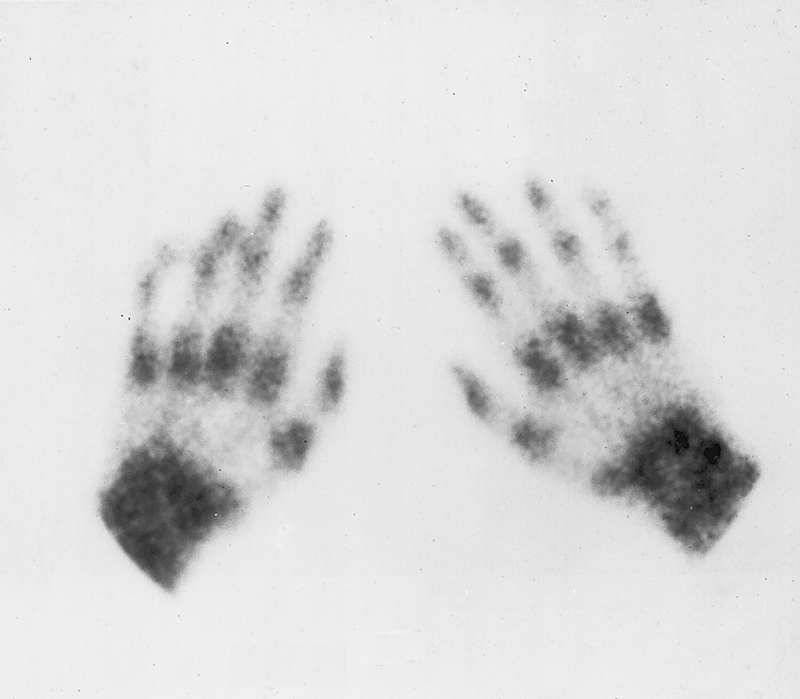
Figure 2 A positive delayed-phase bone scan of a patient with bilateral complex regional pain syndrome. Note the uptake of tracer near the joints.
(Reproduced from Gellman H, Nichols D: Reflex sympathetic dystrophy in the upper extremity. J Am Acad Orthop Surg 1997;5:313-322.)
).
Complex regional pain syndrome may affect either the upper or lower extremities; however, a patient in whom both arms and legs are affected would be unusual. Three stages of this disease have been described, but not all patients progress through all three stages (
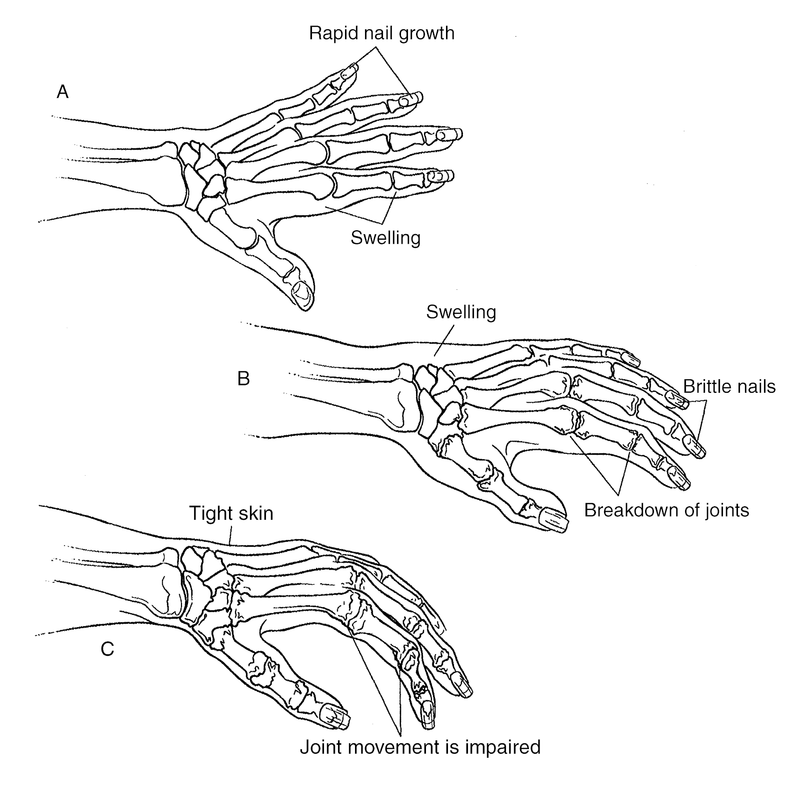
Figure 3 Clinical presentation of complex regional pain syndrome. A, Early (acute) stage 1. B, Middle (dystrophic) stage 2. C, Late (atrophic) stage 3.
(Reproduced from Greene WB (ed): Essentials of Musculoskeletal Care, ed 2. Rosemont, IL, American Academy of Orthopaedic Surgeons, 2001, p 66.)
).
Pain in the limb, edema, and vasomotor changes characterize the early (acute) stage, which may last for several months. Some patients describe the pain as a burning or throbbing sensation, others describe more of a chronic aching feeling. The extremity may be sensitive to touch or cold during this period. It also may differ in color or temperature compared with the unaffected side. Some patients report a difference in sweating as well as increased nail and hair growth on the affected side. Radiographs of the extremity are usually normal during this stage.
The middle (dystrophic) stage of complex regional pain syndrome usually develops 3 to 6 months after the onset of symptoms. This stage is characterized by soft-tissue edema, which likely results from increased regional sympathetic activity. Burning pain typically persists during this period. Changes in skin temperature in the affected extremity may be noted. Unusual nail and hair growth ceases, and hair loss may occur during this period. A thickening of the skin and articular soft tissues may also begin at this time, resulting in the limited movement of involved joints. Some patients with this syndrome have described the skin as undergoing brawny changes. Early atrophy of the surrounding muscles has also been described during this period.
The late (atrophic) stage of complex regional pain syndrome is the most severe. Continued changes in hair growth and nail formation may worsen as hair falls out and nails may become rigid and brittle. Some patients report improvements in their symptoms of pain, but they begin to note significant limitations in their ability to move the extremity as fibrosis and contractures develop. Capsular retractions have been described that may leave a joint immobilized and dysfunctional. These contractures may involve the fingers as well. Radiographs may show severe demineralization.
Diagnostic Imaging
Radiographs can assist in making the diagnosis of complex regional pain syndrome. A characteristic demineralization takes place during the later stages. A patchy demineralization has been described in the early stages but is not always observed. Later radiographs may reveal severe osteoporosis in the bones of the affected limb. Radiographs may also demonstrate destruction of joints and adjacent bones, as well as subluxation and evidence of new bone formation. Because no diagnostic gold standard exists, sensitivity and specificity of imaging studies cannot be stated.
MRI may be useful in all stages of complex regional pain syndrome, but especially in the acute and dystrophic stages. Soft-tissue edema, contrast enhancement of the involved tissues, and muscle atrophy may be seen. CT may show focal osteopenia.20 Bone scanning can provide additional useful information. After the onset of symptoms, it may reveal decreased perfusion in the affected areas. Bone scanning is thought to be most useful in the early stages of this disorder.
Other Testing
Autonomic testing has been shown to be useful in the diagnosis of complex regional pain syndrome and may help identify patients who will respond to some therapies directed at the autonomic nervous system. Examples of autonomic findings that can be measured are the resting sweat output and the quantitative sudomotor axon reflex test.
A final consideration that many physicians incorporate into their diagnosis is how the patient responds to therapy. If the role of the autonomic nervous system in the pathophysiology of complex regional pain syndrome is accepted, then it follows that treatments directed at blocking sympathetic nerve transmission should improve symptoms. As a result, regional sympathetic nerve blocks can be used both to alleviate symptoms and support the diagnosis of complex regional pain syndrome.
Potential Etiologic Mechanisms
The pathophysiology of complex regional pain syndrome is not completely understood. Most episodes occur after some provoking event, although some studies suggest that as many as 35% of patients have no such event identified.21 Some common precipitating events include soft-tissue injuries (40%), fractures (25%) (
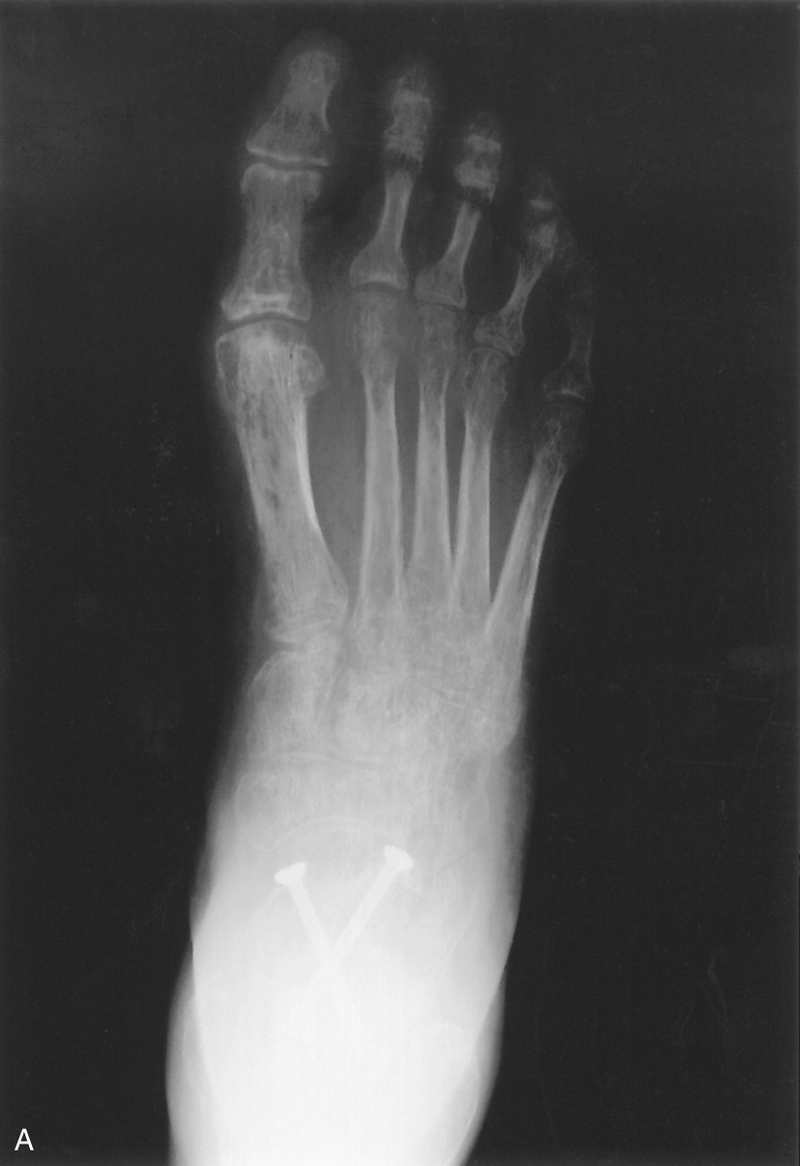
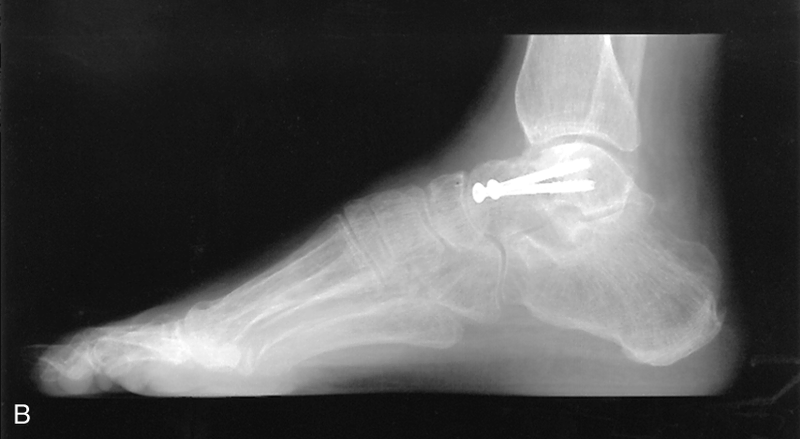
Figure 4 AP (A) and lateral (B) radiographs of the right foot of a middle-aged woman 3 months after open reduction and fixation for a talar neck fracture. She had pain in the entire foot and stiffness of the ankle and all joints. She could not tolerate bearing weight or wearing shoes. The amount of osteopenia seen is more than can be expected from disuse, a finding typical of the middle (dystrophic) stage of complex regional pain syndrome.
(Reproduced from Hogan CJ, Hurwitz SR: Treatment of complex regional pain syndrome of the lower extremity. J Am Acad Orthop Surg 2002;10:281-289.)
), myocardial infarction (12%), and cerebrovascular accident or stroke (3%).22 The relationship of myocardial infarction and stroke with complex regional pain syndrome has been further illuminated by the decreased rate of complex regional pain syndrome among patients with these conditions who receive early ambulation and passive arm stretching during prolonged treatment with intravenous medications.
The role of the autonomic nervous system in the pathophysiology of complex regional pain syndrome continues to be debated. Many of the clinical findings, such as temperature changes of an extremity, cyanosis, mottling, hyperhydrosis, and abnormal hair growth, can be caused by derangements of the autonomic nervous system. The skin changes that occur may result from an increase in the sensitivity of skin microvessels to circulating catecholamines, a mechanism that has been supported by studies of patients with complex regional pain syndrome who have patterns of microcirculatory blood flow that differ from controls.23
It is important to note that not all of the regional vascular changes found in patients with complex regional pain syndrome can be explained by a simple disruption of sympathetic nerve fibers nor the denervation of blood vessels. Additionally, some experts believe that the muscle weakness found in patients with complex regional pain syndrome is better characterized clinically as a disuse syndrome. Some clinicians have suggested that the inciting trauma may result in injury to the nocioceptive nerves of the surrounding area, thereby increasing their sensitivity. Another suggested mechanism is that a reflex arc is established after the inciting event. This arc follows the route of the sympathetic nervous system and is modulated by areas within the cerebral cortex. The presence of this reflex arc has been supported by the findings of abnormal somatosensory evoked potentials in patients with complex regional pain syndrome.24
Treatment and Prevention
General Approaches
Although there may be no practical means of preventing most injuries, it may be possible to decrease the incidence of complex regional pain syndrome after trauma by initiating early mobilization of injured extremities. Even if this syndrome is not preventable, this approach appears to be an important factor for achieving a good outcome after musculoskeletal injury in general.
Pharmacologic Approaches
The most commonly used, but nonspecific, therapies are nonsteroidal anti-inflammatory drugs and corticosteroids. Patients whose bone scans suggest active inflammation are more apt to respond to corticosteroid treatments. Daily use of prednisone (30 to 60 mg) has been shown to be effective in treating patients with complex regional pain syndrome.25 In general, efforts should be directed at tapering steroids as soon as the patient shows a clinical response because these medications can cause many adverse effects; however, some patients have shown benefit from a prolonged course of low-dose corticosteroids.
Regional nerve blocks are the most commonly used specific therapy. The rationale of this approach is that overactivity of the sympathetic nervous system contributes to the development of complex regional pain syndrome. Injections near neural ganglia or regional intravenous infusions of anesthetics (Bier blocks) are the most commonly used methods. It has been estimated that two thirds of patients with this syndrome will respond to regional sympathetic blocks.26 Blocks can be repeated every few days for six to 12 treatments; they are usually stopped if there is no significant response following the first or second treatment. Complete surgical or chemical sympathectomies have been performed in patients who have responded to regional nerve blocks but for whom complex regional pain syndrome progressed despite treatments.
Nonpharmacologic Approaches
The cornerstone of nonpharmacologic treatment is aggressive physical therapy. It has been shown that passive shoulder movement in patients receiving prolonged intravenous treatment decreases the risk of complex regional pain syndrome. In addition, early mobilization of patients after injury or myocardial infarction also decreased the risk of complex regional pain syndrome.27 It is best to start therapy as soon as the patient can tolerate it because the best results occur when therapy begins before radiographic changes are seen or movement disorders become manifest.
Innovative Therapies
Spinal cord stimulation and intrathecal baclofen are two new therapies that have been considered in the treatment of complex regional pain syndrome. In spinal cord stimulation, an electrode is positioned on the dorsal aspect of the spinal cord in the epidural space at the level of the nerve roots that correlate with the patient’s symptoms. The goal is to produce paresthesias that interrupt the sensations of pain. The safety and efficacy of spinal cord stimulation has been documented in the treatment of other chronic pain syndromes. Baclofen is a specific gamma-aminobutyric acid-receptor agonist that inhibits sensory input to the neurons of the spinal cord. Intrathecal baclofen has been shown to improve symptoms of dystonia in patients with complex regional pain syndrome.28
Key Terms
Autonomic nervous system The set of nerves not under conscious control that regulates key bodily functions, including activity of the heart, smooth muscles (especially within blood vessels), and the gut
Nociception Pain sensing
Tender points A set of 18 characteristic locations on the surface of the body at which patients with fibromyalgia report discomfort when palpated
Vasomotor instability Abnormal constriction or dilation of blood vessels owing to dysfunction of the autonomic nervous system
References
1. National Institutes of Health: Chronic Pain: Hope Through Research. Bethesda, MD, US Dept Health Human Services, 1982;DHHS publication 82-2406.
2. Wolfe F, Smythe HA, Yunus MB, et al: The American College of Rheumatology 1990 criteria for the classification of fibromyalgia: Report of the Multicenter Criteria Committee. Arthritis Rheum 1990;33:160-172.
3. Wolfe F, Ross K, Anderson J, et al: The prevalence and characteristics of fibromyalgia in the general population. Arthritis Rheum 1995;38:19-28.
4. White KP, Speechley M, Harth M, et al: Fibromyalgia in rheumatology practice: A survey of Canadian rheumatologists. J Rheumatol 1995;22:722-726.
5. Benjamin S, Morris S, McBeth J, et al: The association between chronic widespread pain and mental disorder: A population-based study. Arthritis Rheum 2000;43:561-567.
6. Hudson JI, Goldenberg DL, Pope HG Jr., et al: Comorbidity of fibromyalgia with medical and psychiatric disorders. Am J Med 1992;92:363-367.
7. Buchwald D, Garrity D: Comparison of patients with chronic fatigue syndrome, fibromyalgia, and multiple chemical sensitivities. Arch Intern Med 1994;154:2049-2053.
8. Middleton GD, McFarlin JE, Lipsky PE: The prevalence and clinical impact of fibromyalgia in systemic lupus erythematosus. Arthritis Rheum 1994;37:1181-1188.
9. Moldofsky H, Scarisbrick P, England R, et al: Musculoskeletal symptoms and non-REM sleep disturbance in patients with “fibrositis syndrome” and healthy subjects. Psychosom Med 1975;37:341-351.
10. Dinerman H, Steere AC: Lyme disease associated with fibromyalgia. Ann Intern Med 1992;117:281-285.
11. Boisset-Pioro MH, Esdaile JM, Fitzcharles MA: Sexual and physical abuse in women with fibromyalgia syndrome. Arthritis Rheum 1995;38:235-241.
12. Goldenberg DL: Treatment of fibromyalgia syndrome. Rheum Dis Clin North Am 1989;15:61-71.
13. Felson DT, Goldenberg DL: The natural history of fibromyalgia. Arthritis Rheum 1986;29:1522-1526.
14. Carette S, Bell MJ, Reynolds WJ, et al: Comparison of amitriptyline, cyclobenzaprine, and placebo in the treatment of fibromyalgia: A randomized, double-blind clinical trial. Arthritis Rheum 1994;37:32-40.
15. Godfrey RG: A guide to the understanding and use of tricyclic antidepressants in the overall management of fibromyalgia and other chronic pain syndromes. Arch Intern Med 1996;156:1047-1052.
16. Deluze C, Bosia L, Zirbs A, et al: Electroacupuncture in fibromyalgia: Results of a controlled trial. BMJ 1992;305:1249-1252.
17. Murray CS, Cohen A, Perkins T, et al: Morbidity in reflex sympathetic dystrophy. Arch Dis Child 2000;82:231-233.
18. Mitchell SW, Morehouse GR, Keen WW: (eds): Gunshot Wounds and Other Injuries of Nerves. Philadelphia, PA, JB Lippincott, 1864.
19. Plewes LW: Sudeck’s atrophy in the hand. JBone Joint Surg Br 1956;38:195-203.
20. Schweitzer ME, Mandel S, Schwartzman RJ, et al: Reflex sympathetic dystrophy revisited: MR imaging findings before and after infusion of contrast material. Radiology 1995;195:211-214.
21. van Laere M, Claessens M: The treatment of reflex sympathetic dystrophy syndrome: Current concepts. Acta Orthop Belg 1992;58(suppl 1):259-261.
22. Pak TJ, Martin GM, Magness JL, et al: Reflex sympathetic dystrophy: Review of 140 cases. Minn Med 1970;53:507-512.
23. Schwartzman RJ: Editorial: Explaining reflex sympathetic dystrophy. Arch Neurol 1999;56:521-522.
24. Ritchlin C, Chabot R, Kates S, et al: Abstract: Cortical abnormalities in patients with reflex sympathetic dystrophy. Arthritis Rheum 1994;37(suppl):S275.
25. Kozin F, McCarty DJ, Sims J, et al: The reflex sympathetic dystrophy syndrome: I. Clinical and histologic studies: Evidence of bilaterality, response to corticosteroids and articular involvement. Am J Med 1976;60:321-331.
26. Chelimsky TC, Low PA, Naessens JM, et al: Value of autonomic testing in reflex sympathetic dystrophy. Mayo Clin Proc 1995;70:1029-1040.
27. Sheon RP: Reflex sympathetic dystrophy (complex regional pain syndrome). UpToDate Web site. Available at: http://www.uptodate.com/.
28. van Hilten BJ, van de Beek WJ, Hoff JI, et al: Intrathecal baclofen for the treatment of dystonia in patients with reflex sympathetic dystrophy. N Engl J Med 2000;343:625-630.
