

Plain radiographs are medical images that are obtained by transmitting high-energy electromagnetic radiation through a subject onto a radiographic plate or film. The rays that strike the film blacken it.1,2 In the human body, differences in tissue density affect the degree to which the radiation is able to pass through the tissue. On the radiographic film, the parts of the body that are dense or thick appear bright because less radiation is able to pass through and blacken the film.1,3 A dark or black region indicates tissues of low density or slight thickness.2
Radiolucency refers to matter that is easily penetrated by x-rays, whereas radiopacity indicates matter that absorbs x-rays.2 Anatomic tissues and substances can be arranged in a scale ranging from the most radiolucent to the most radiopaque. According to this classification, gas is very radiolucent; fatty tissue is moderately radiolucent; and connective tissue, muscle, blood, and cartilage are intermediately radiolucent. Bones and calcium salts are moderately radiopaque, and heavy metals are very radiopaque.2
Because plain radiography offers excellent spatial resolution, it is typically the imaging modality of choice for patients with suspected bone lesions, such as fractures, dislocations, arthritis, and neoplasms.Readily available and relatively inexpensive, radiography may be used in screening and follow-up, and radiographs often serve as a guide for the correct interpretation of advanced imaging studies. For example, oblique radiographs of the cervical spine may reveal osteophytes that cannot be seen using MRI.
Radiography, however, does have limitations. For example, it cannot assess the loss of bone mineral content very well: loss of even 50% of the bone mass can elude detection on radiographs.4,5 Radiography is also of limited value in the evaluation of soft-tissue abnormalities such as rotator cuff tears and intervertebral disk displacement. Radiography cannot accurately differentiate among edema, cellulitis, and soft-tissue abscesses. Moreover, radiography cannot detect osteomyelitis with sensitivity because its earliest radiographic signs (ie, soft-tissue swelling and mild bone mineral loss) may be too subtle to be seen. The permeative destruction caused by infection may be mistakenly attributed to a malignancy. The late osseous changes of osteomyelitis may simulate radiographic findings of neuropathic osteoarthropathy or healing fractures.4,6 Given these limitations, the specificity of radiography in the diagnosis of infection is likewise far from perfect.7,8
Another limitation of plain radiography is that it provides a two-dimensional view of a three-dimensional structure. The radiographic image of an object is a composite of multiple sections of the object superimposed over one another.2 As a projectional method, radiography can be of limited value in the diagnosis and precise localization of musculoskeletal abnormalities. On a single radiographic view, it is impossible to define which structures are located toward the front and which are located toward the back. For instance, an AP view of a dislocated shoulder does not identify whether the humeral head is posterior or anterior to the glenoid.
A particular anatomic part must be imaged from at least two sides to provide a three-dimensional perspective.2 For routine radiographic examination, AP and lateral views are obtained. Occasionally, oblique views are needed to help visually separate overlapping structures.2 CT and MRI may complement radiography when a three-dimensional perspective is needed.
Regional Radiographic Anatomy
The following section introduces the radiographic anatomy by region. The radiographs shown are not an exhaustive set. Instead, they are offered to provide an introduction to radiographic anatomy. Correlation of these images with surface anatomy and deep soft-tissue structures will be helpful.
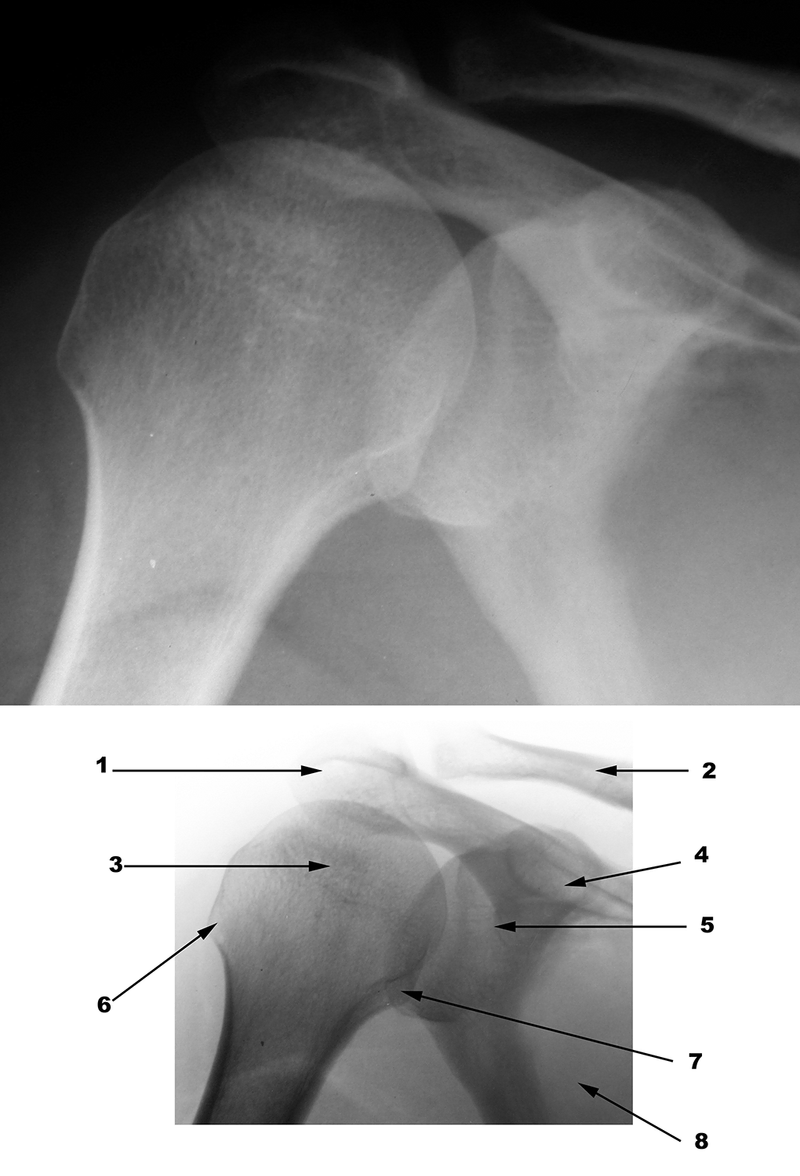
Shoulder and Arm
Figure 1
Adequate radiographic evaluation of the glenohumeral joint requires AP and lateral views. Images obtained with internal and external rotation of the arm are needed for complete evaluation of suspected calcification in the rotator cuff. A radiographic series for a suspected dislocation must include an axillary view. Stress radiographs, obtained with a weight placed in the patient’s hand, are used for evaluating acromioclavicular (AC) joint separation.
Elbow and Forearm
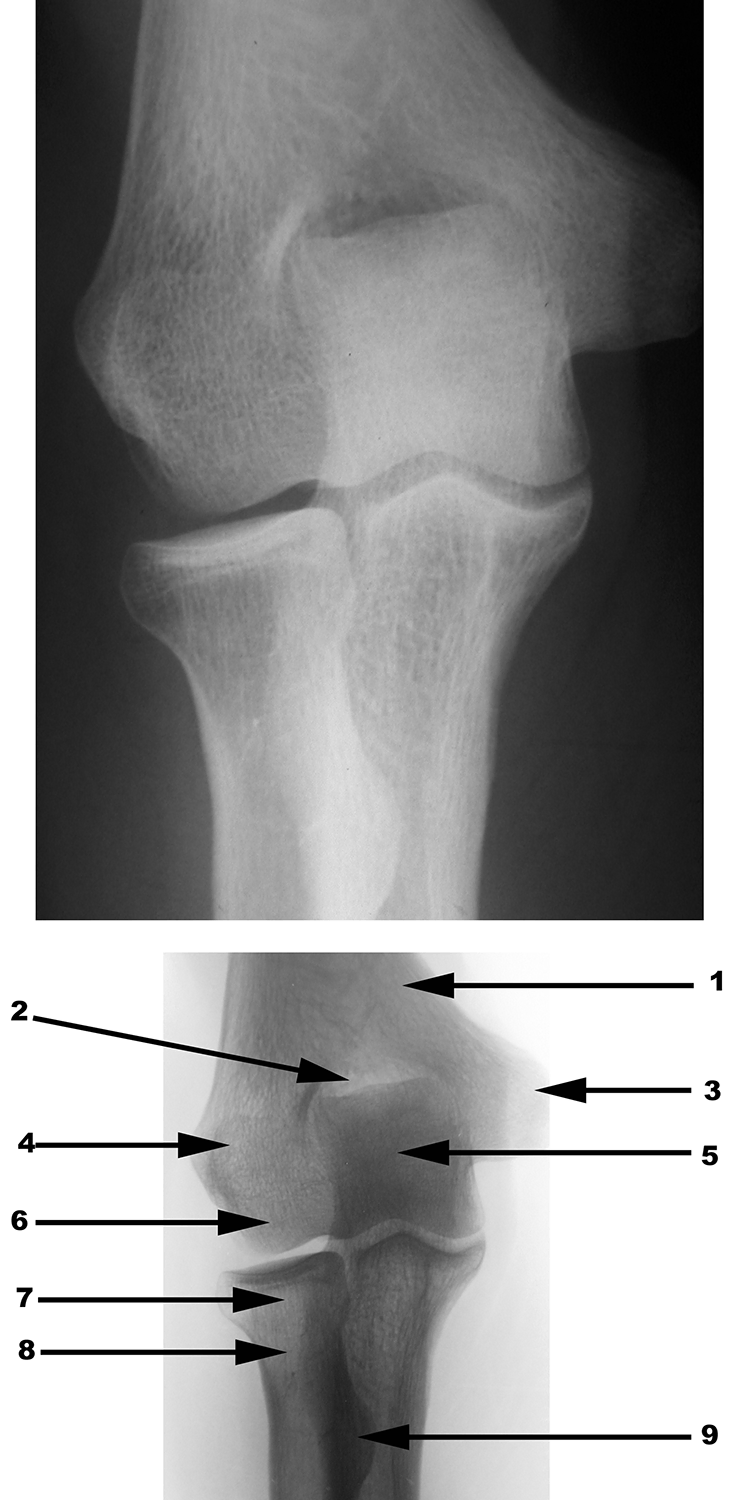
Figure 2
AP and lateral radiographs are routinely obtained to evaluate the elbow. Oblique views may provide additional information. The lateral view obtained with the elbow in flexion allows for visualization of the fat pads about the elbow, which may help detect an occult fracture. In the case of fracture, blood from the fracture will elevate the fat pad from the bone and will be seen as a distinct shadow.
Hand and Wrist
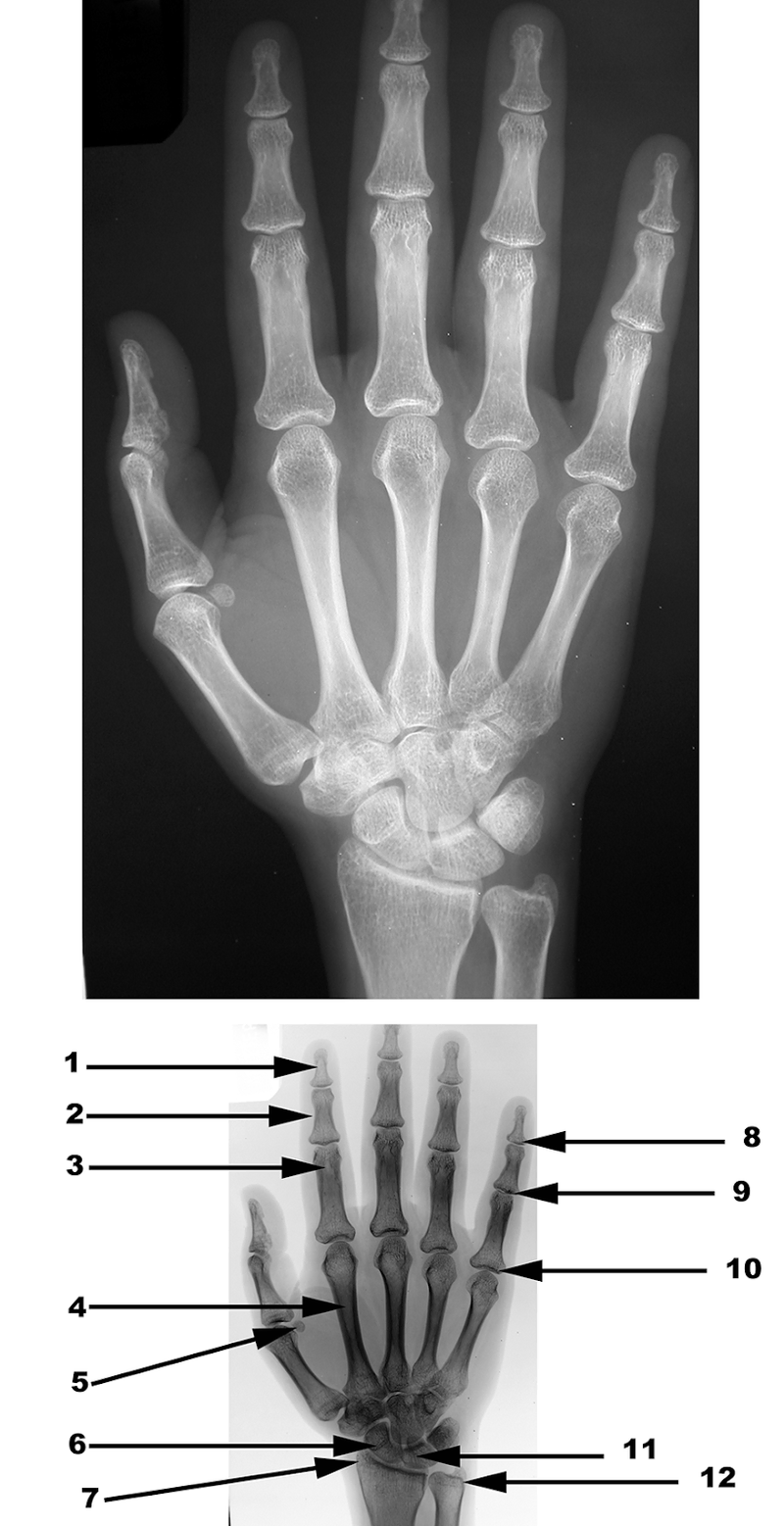
Figure 3
The radiographic examination of the hand includes AP, lateral, and oblique views. Special AP and lateral views obtained with the metacarpophalangeal (MCP) joints flexed may be required to evaluate injuries of these joints and the dorsum of the hand.9 AP and lateral views of the wrist are considered routine. Oblique radiographs are useful for identifying arthritic changes of the wrist. Specialized views of the scaphoid may be required to detect a fracture; however, fractures can still be missed even with specialized views. Thus, MRI or bone scans may be needed. The carpal tunnel view is best for depicting the osseous structures and soft tissues of the carpal canal.
Pelvis
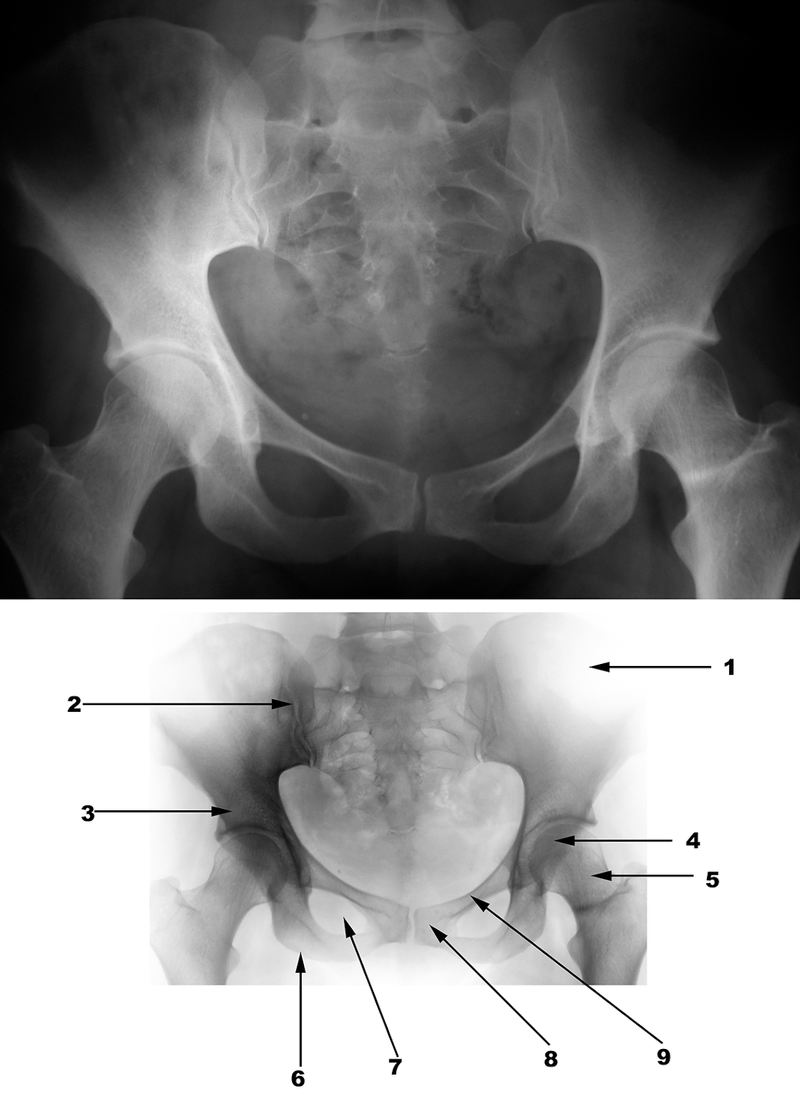
Figure 4
AP radiographs of the pelvis are obtained with the patient supine. Because of the normal anteversion of the hip, the feet are placed in 15° of internal rotation to show a true AP view of the femoral neck.9
Knee and Leg
Figure 5
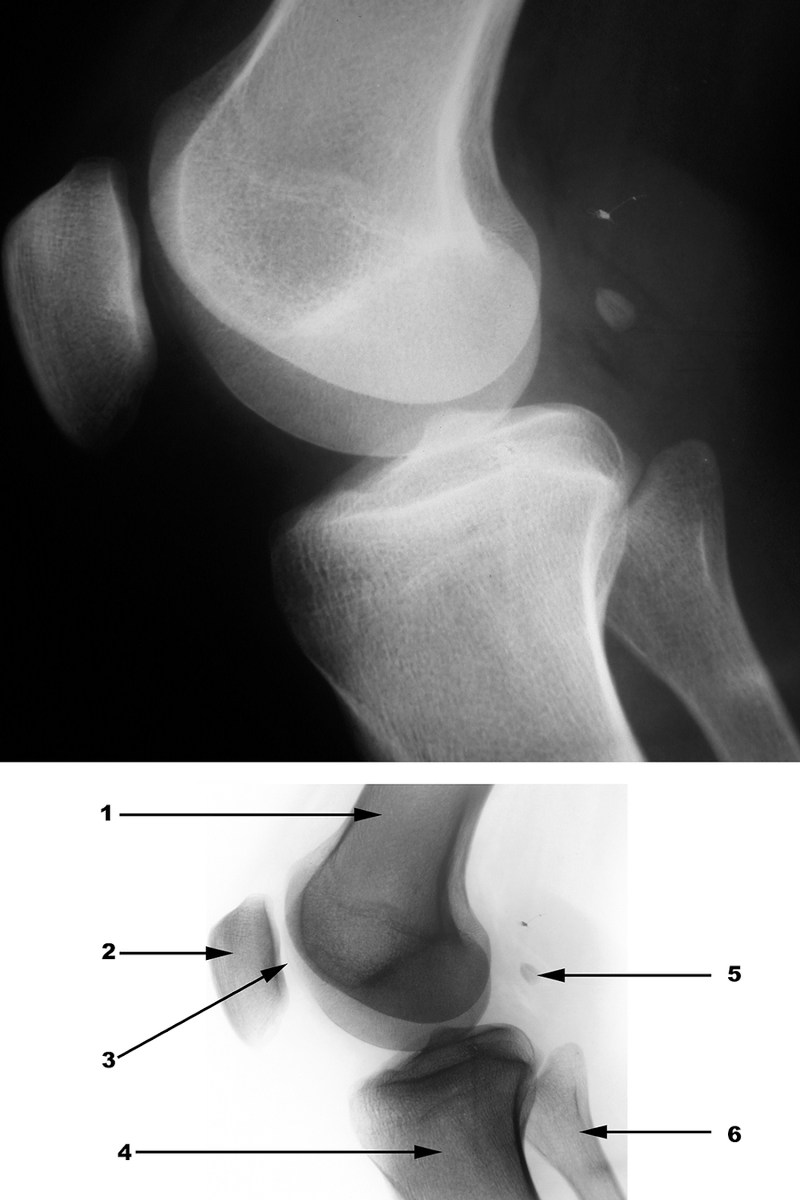
Several radiographic views, including the AP and lateral views, are used to evaluate the knee joint. Weight-bearing radiographs permit assessment of the articular space and are particularly useful in the evaluation of degenerative joint disease; when cartilage is lost, the bones can touch each other. Radiographs obtained with side-to-side stress applied to the knee can help diagnose instability of the joint. A sunrise view to visualize the patellofemoral joint can be obtained with the knee flexed and the beam aimed parallel to the direction of the leg.
Foot and Ankle
Figures 6 and 7
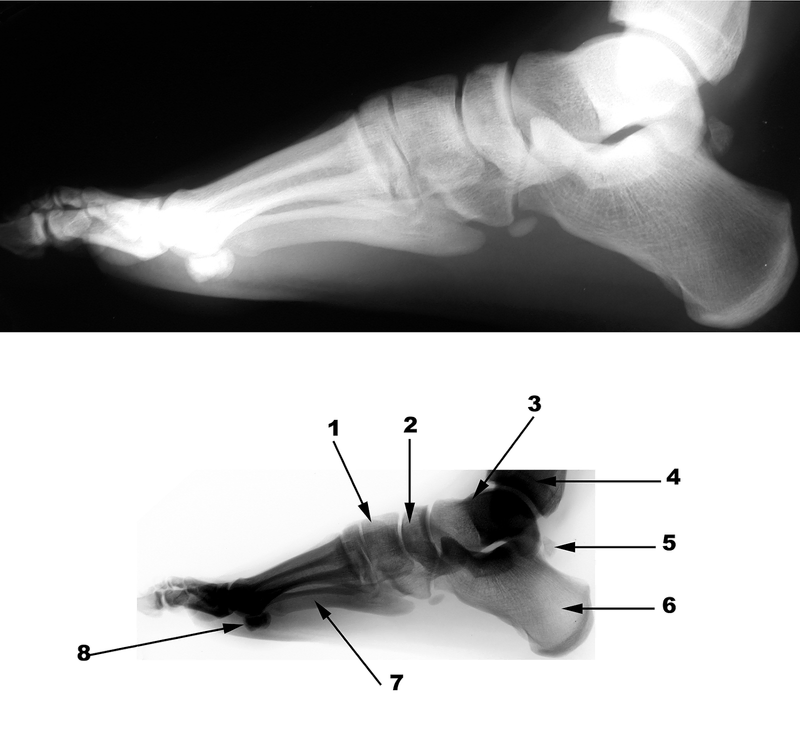
AP, lateral, and medial oblique views are obtained in the routine evaluation of the foot. An axial radiograph provides visualization of the posterior subtalar joint and part of the anterior talocalcaneonavicular joint. Oblique views also provide visualization of these joints. A lateral view as well as an angulated AP view offers optimal visualization of the calcaneus.
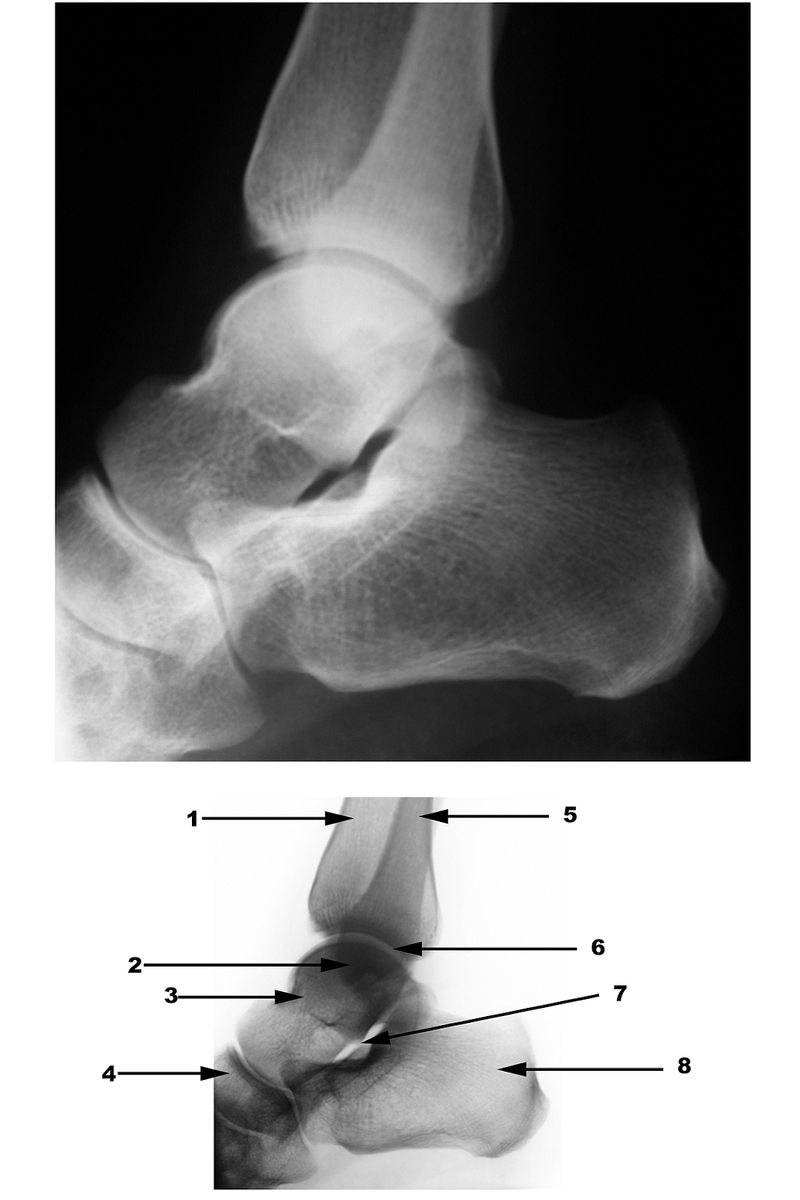
The radiographic evaluation of the ankle requires AP and lateral views. An AP radiograph obtained with 15° to 20° of internal rotation of the foot (the mortise view) allows better delineation of the ankle joint because the fibula is slightly behind the center of the joint and would overlap with the tibia on a straight AP view if this rotation is not made.9
Spine
Cervical Spine
Figure 8
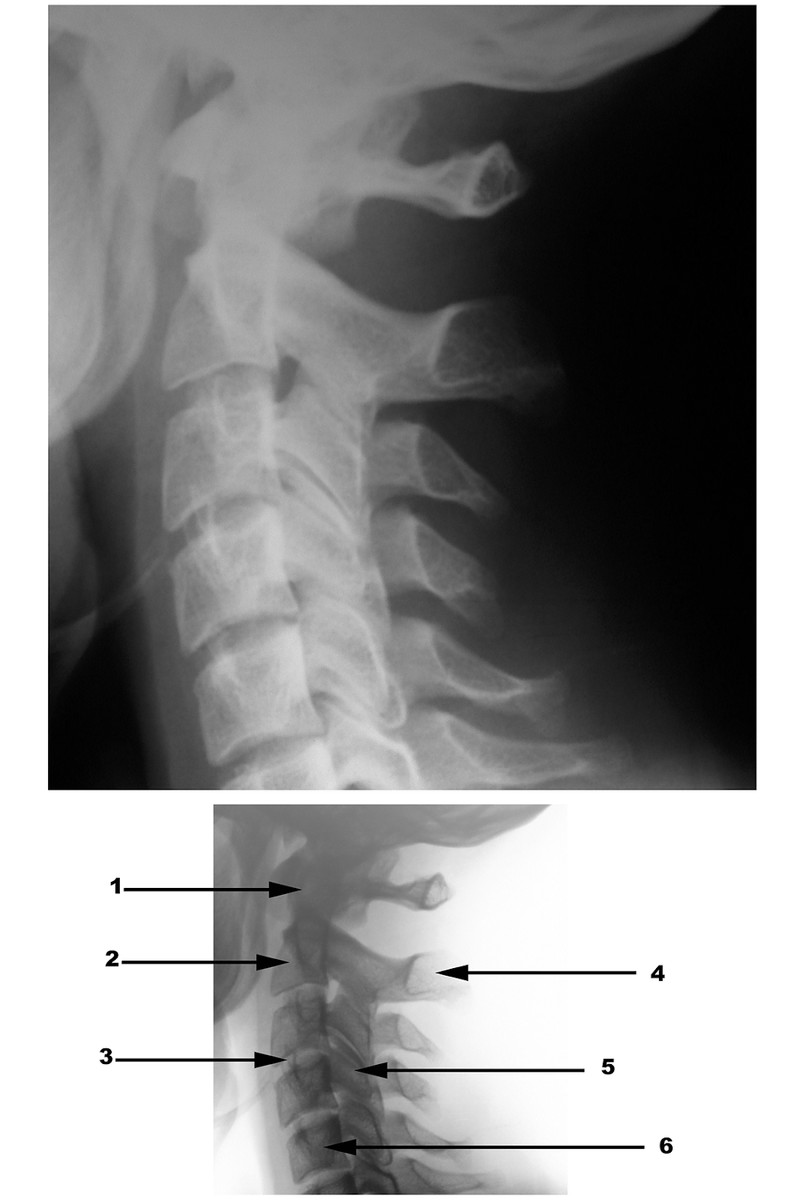
Plain radiographs are useful for assessing abnormalities of the cervical spine. The standard radiographic examination consists of multiple views, including AP and lateral views. The lateral view, however, may be supplemented with flexion-extension radiographs. Right and left 45° oblique views are helpful in the evaluation of the intervertebral foramina. Because the cervical apophyseal joints are oriented in a horizontal articular plane of about 30° to 45°, AP views obtained with neck extension (pillar views) are useful in examining the articular processes and the vertebral arches.9 Open-mouth odontoid views provide visualization of the atlas and axis. For patients with significant neck trauma, the screening examination of the cervical spine should include cross-table AP and lateral views. (Note that the radiograph in Figure 8 does not include the complete cervical spine—the junction between C7 and T1 is not shown; therefore, this particular radiograph would be inadequate for a trauma evaluation.)
Thoracic Spine
Figure 9
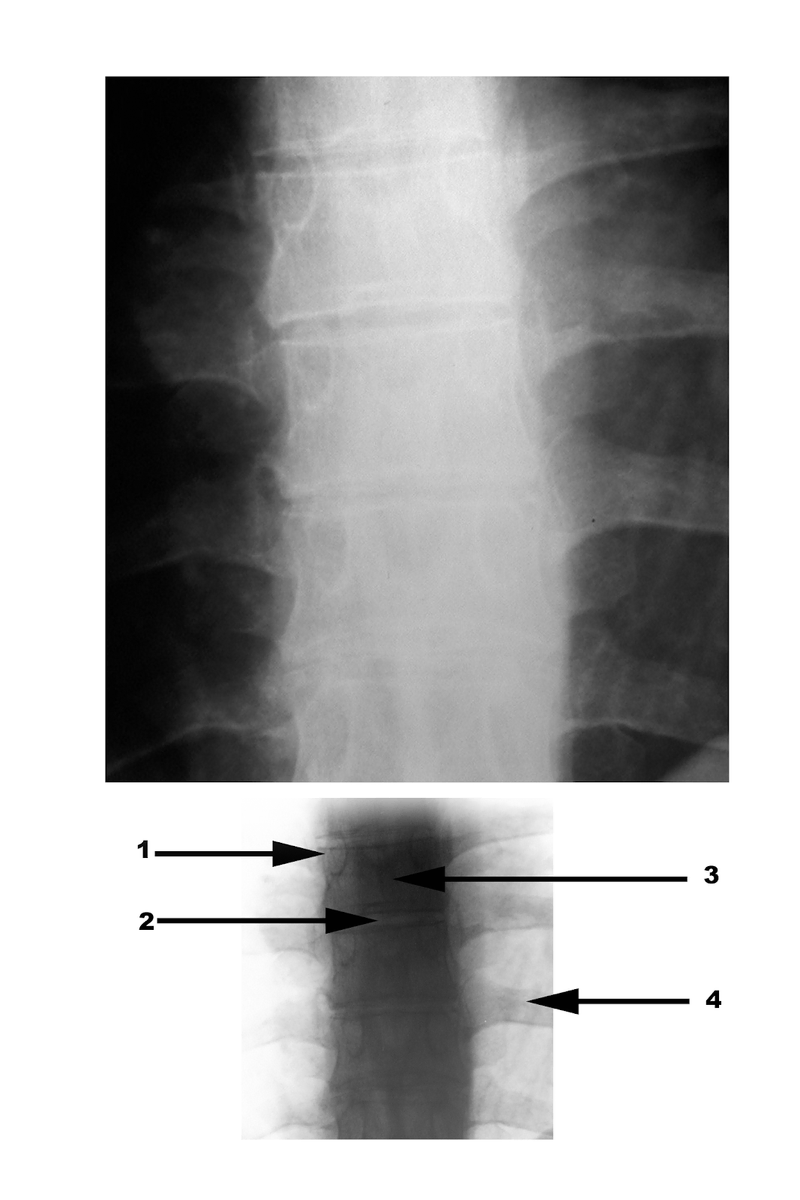
The standard radiographic series for assessing abnormalities of the thoracic spine includes AP and lateral radiographs. The swimmer’s view (so named because the patient is positioned as if swimming the crawl stroke, with one arm up and one arm down) allows visualization of the cervicothoracic region.9 In patients with scoliosis, AP and PA views are used to measure the angle of curvature.
Lumbar Spine
Figure 10
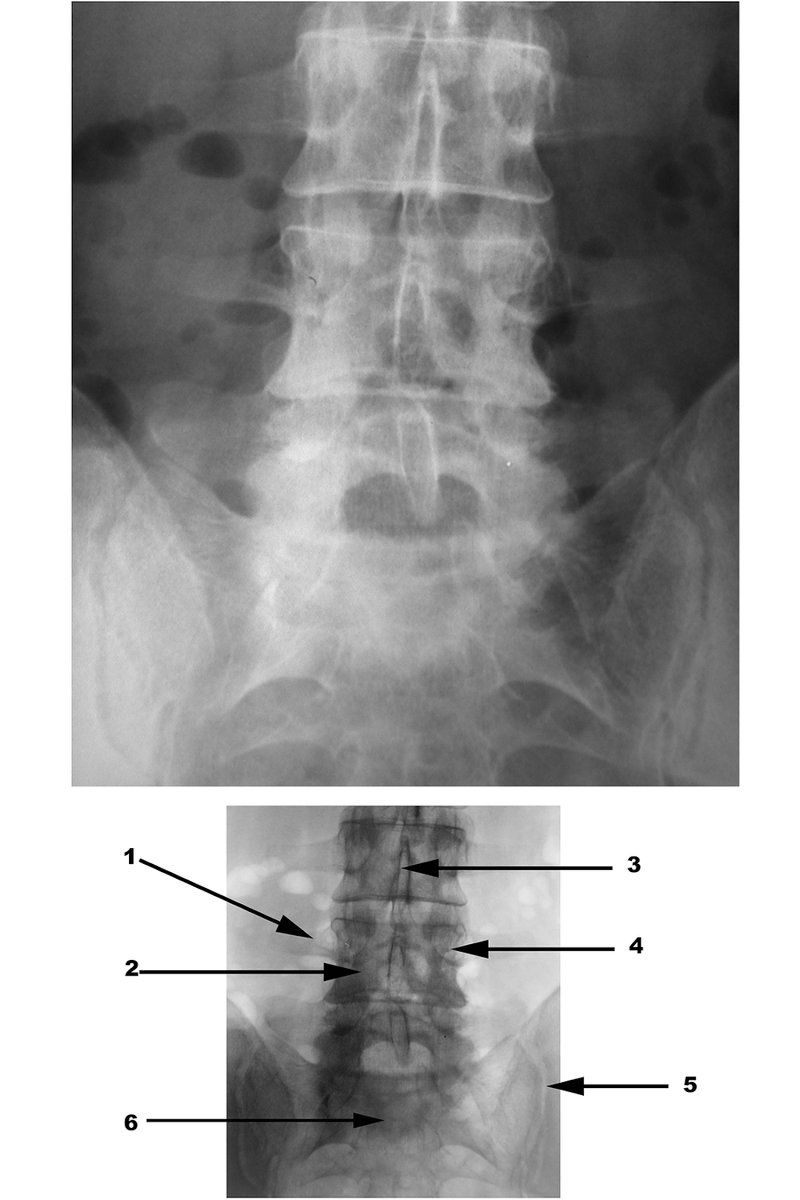
A radiographic series of the lumbar spine includes AP, lateral, and oblique views. The AP radiograph is obtained with the patient standing or supine. For the supine AP radiograph, the hips and knees are flexed, which reduces the lumbar lordosis and improves visualization of the vertebral bodies and intervertebral disks.9 The lateral radiograph is taken with slight flexion of the hips and knees. Oblique radiographs are useful in the evaluation of the posterior elements of the lumbar spine.
Common Pathologies
This section presents a sampling of musculoskeletal conditions that are clearly delineated on radiographs. Most radiographs seen in clinical practice will be normal and are taken as part of a screening examination. Other radiographs may demonstrate pathology, but this pathology will not always be clinically significant. Imaging studies, therefore, must be considered as a complement to the patient’s history and physical examination.
Fracture
Figures 11, 12, and 13
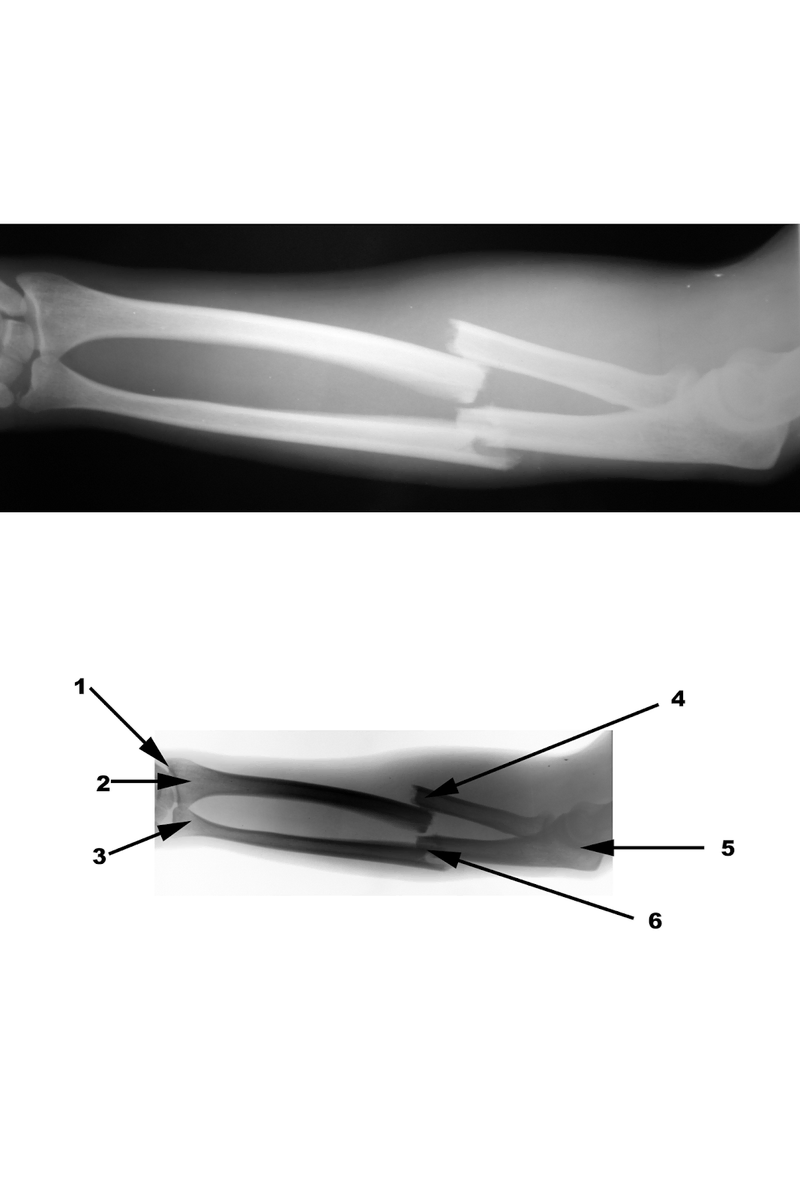
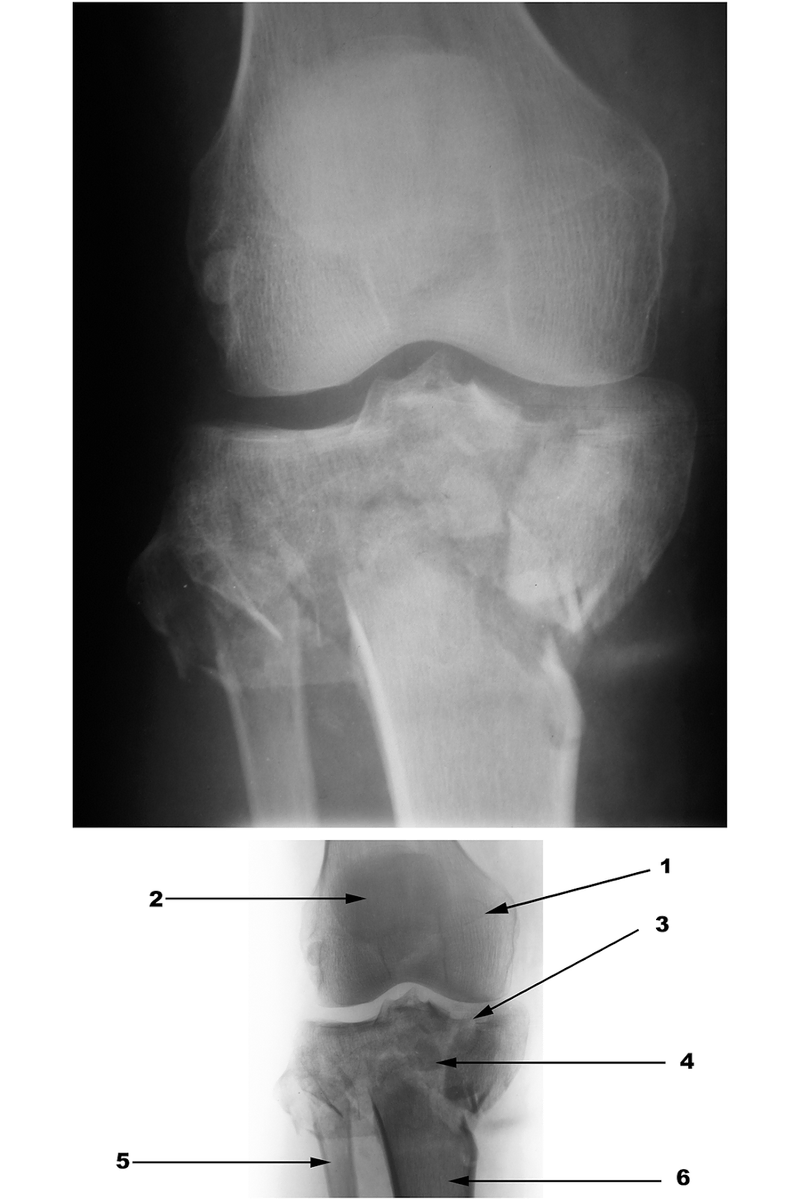
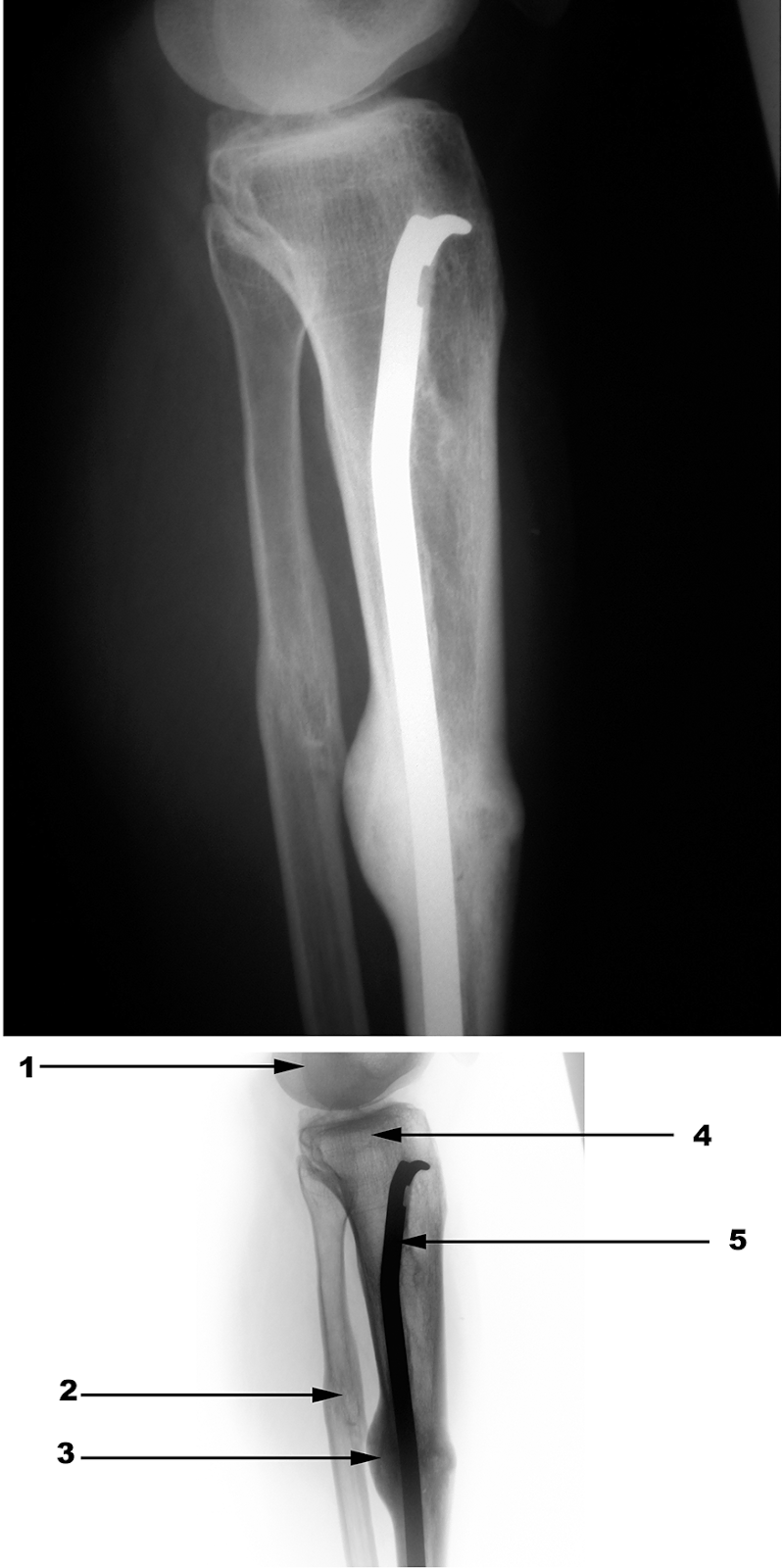
Characterization of the location and type of fracture—its position, alignment, and presence or absence of rotation between fragments—is necessary in the evaluation and treatment of injury.10 The radiographic examination of extremity fractures should include, at the minimum, AP and lateral views. In the case of a possible midshaft fracture, the joints above and below the suspected fracture site must be included on the radiograph to help identify any associated joint injuries (Fig. 11). Radiographic evaluation of suspected metaphyseal or epiphyseal fractures usually includes imaging of only the joint adjacent to the fracture site. Comminuted fractures involve more than two fracture fragments (Fig. 12). In most instances, a callus develops as the fracture heals (Fig. 13).
Dislocations
Figure 14
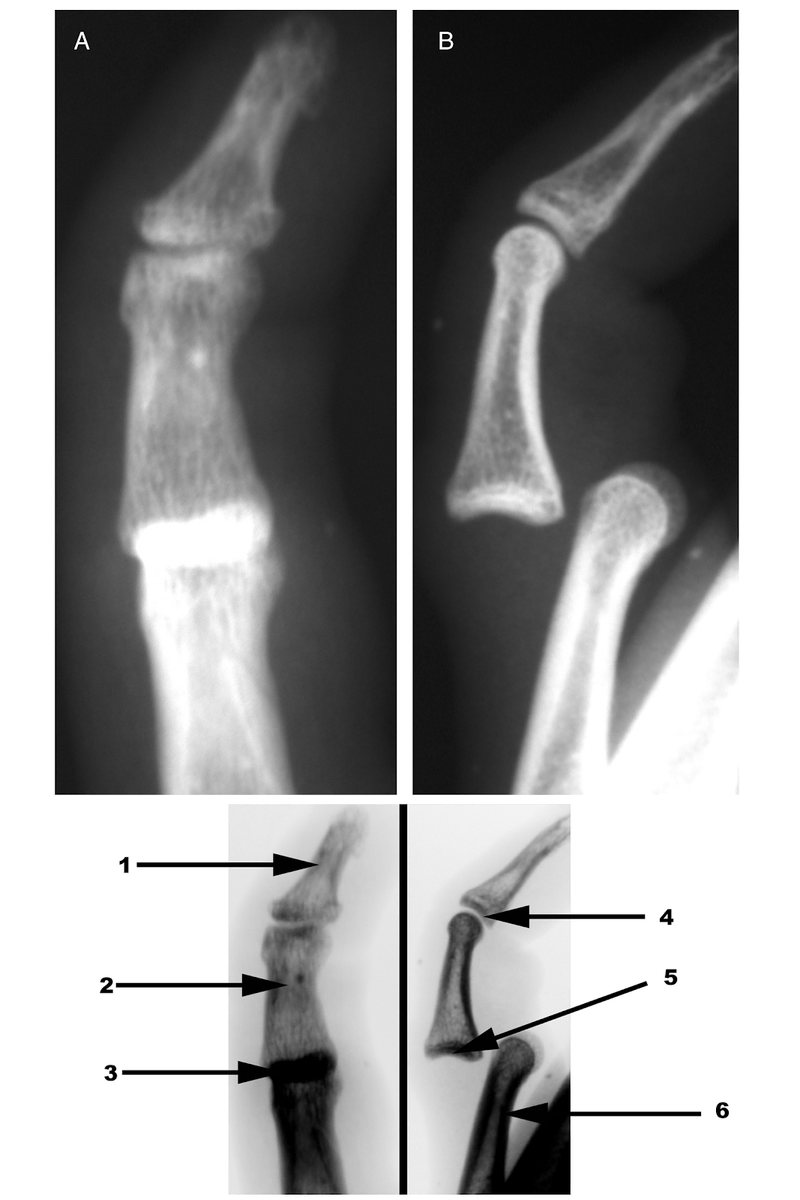
In a joint dislocation, complete loss of contact between the articular surfaces occurs; in a subluxation, the loss of contact is only partial. Dislocations caused by trauma also may be associated with the fracture of an adjacent bone (fracture-dislocation). Diastasis refers to separation of a joint that is normally only slightly moveable (eg, the sacroiliac joint and the symphysis pubis).
Dislocations and subluxations result from shifting of a bone from the normal anatomic position. Imaging methods useful for assessing these injuries include conventional radiography, CT scanning, and MRI. The evaluation of a patient with possible dislocation requires multiple radiographic projections (Fig. 14). Stress radiographs with or without weight bearing frequently are necessary to diagnose dislocation. Additionally, comparison of radiographs of the side with the suspected dislocation with radiographs showing the unaffected side may be needed.
Cervical Spine Trauma
Figure 15
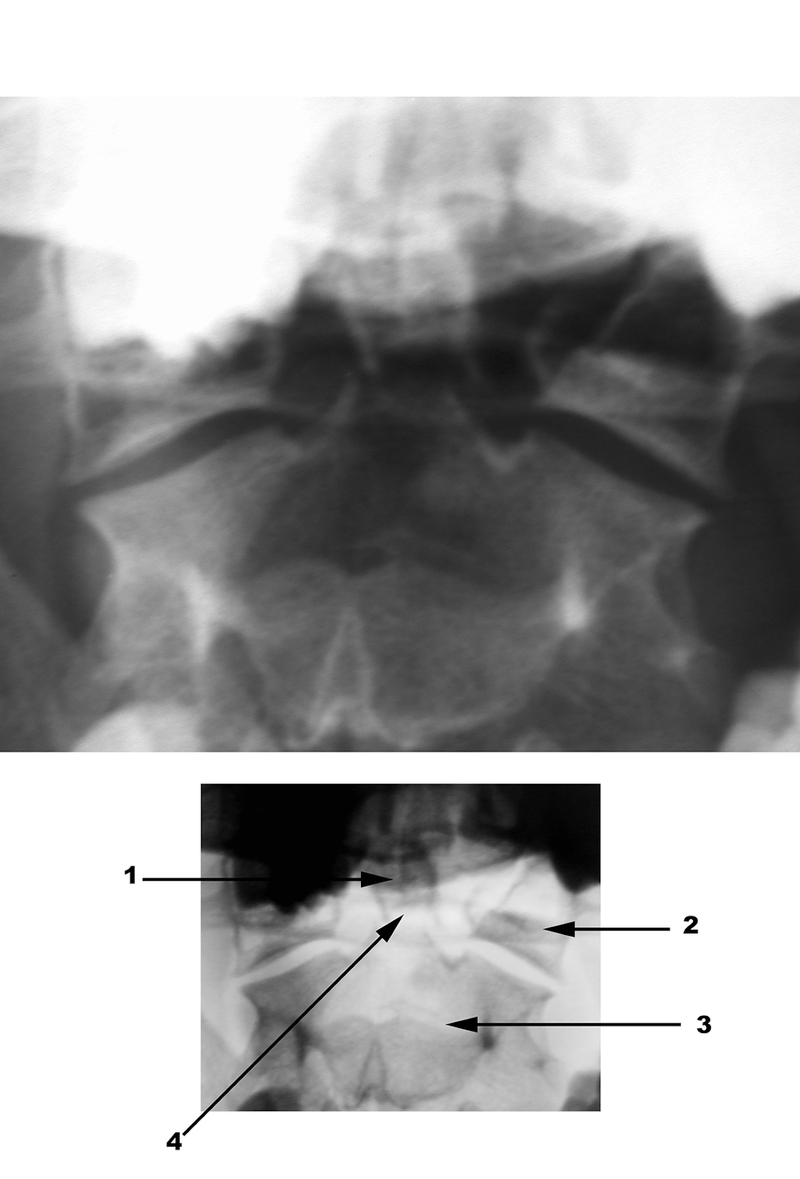
Radiographic evaluation of the cervical spine is mandatory in all instances of suspected trauma. The objectives of the initial radiographic evaluation of the injured cervical spine include the identification of all injuries, detection of neural canal compromise, and assessment of potential mechanical instability. Because the shoulders obscure the lower cervical vertebrae, traction on the arms may be necessary to visualize the entire cervical spine. An AP open-mouth odontoid view allows visualization of the atlas and axis. CT is often needed to fully visualize the injury.
Degenerative Changes of the Cervical Spine
Figure 16
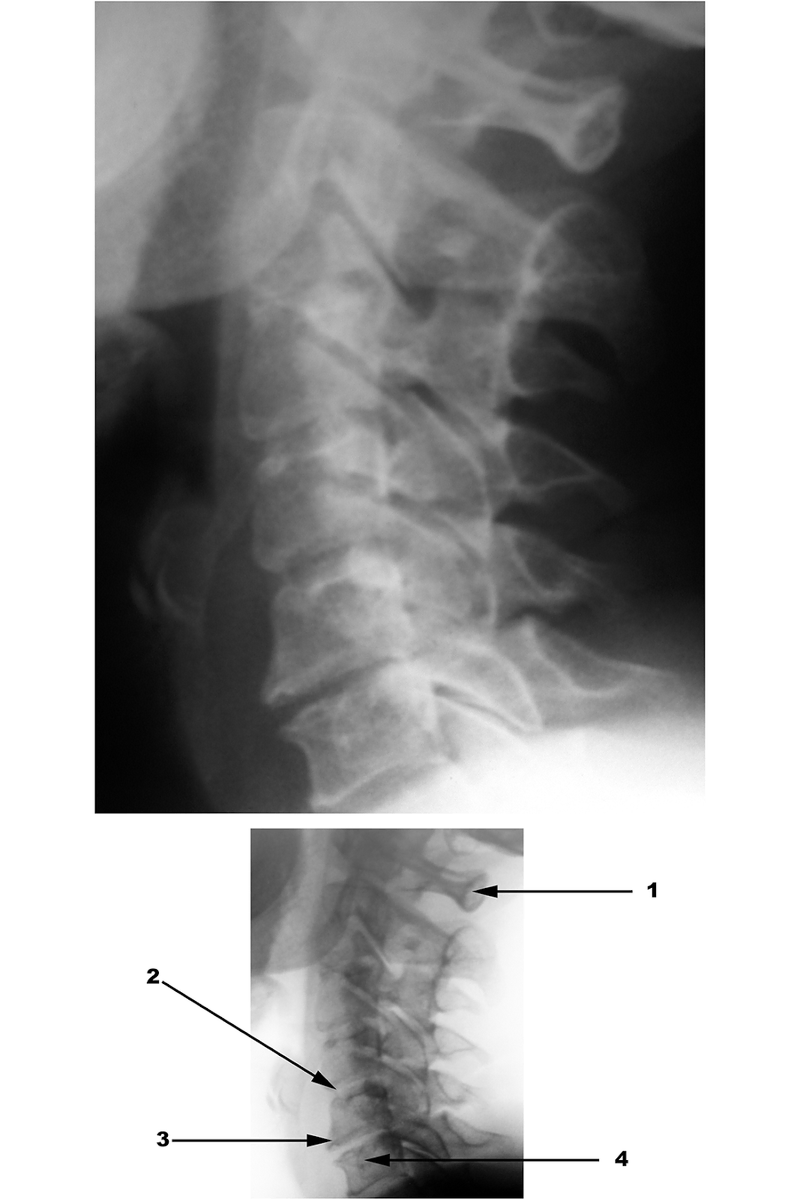
Degenerative processes in the cervical spine are common in adults. Degenerative changes usually become evident in multiple spinal levels and predominate in the lower cervical spine. Degenerative alterations of the intervertebral disks most frequently occur at the C5-C6 and C6-C7 levels. Osteoarthritis shows a predilection for the middle and lower cervical spine. With increasing degeneration of the intervertebral disks, progressive loss of height of the disk space occurs. Exuberant osteophytosis may cause narrowing of the intervertebral foramina, most frequently affecting the C3-C6 levels. Compromise of the adjacent nerve roots may develop. However, the relationship of radiographic abnormalities of degeneration in the cervical spine to clinical symptoms and signs is not clear.11
Osteoarthritis of the Hand
Figure 17
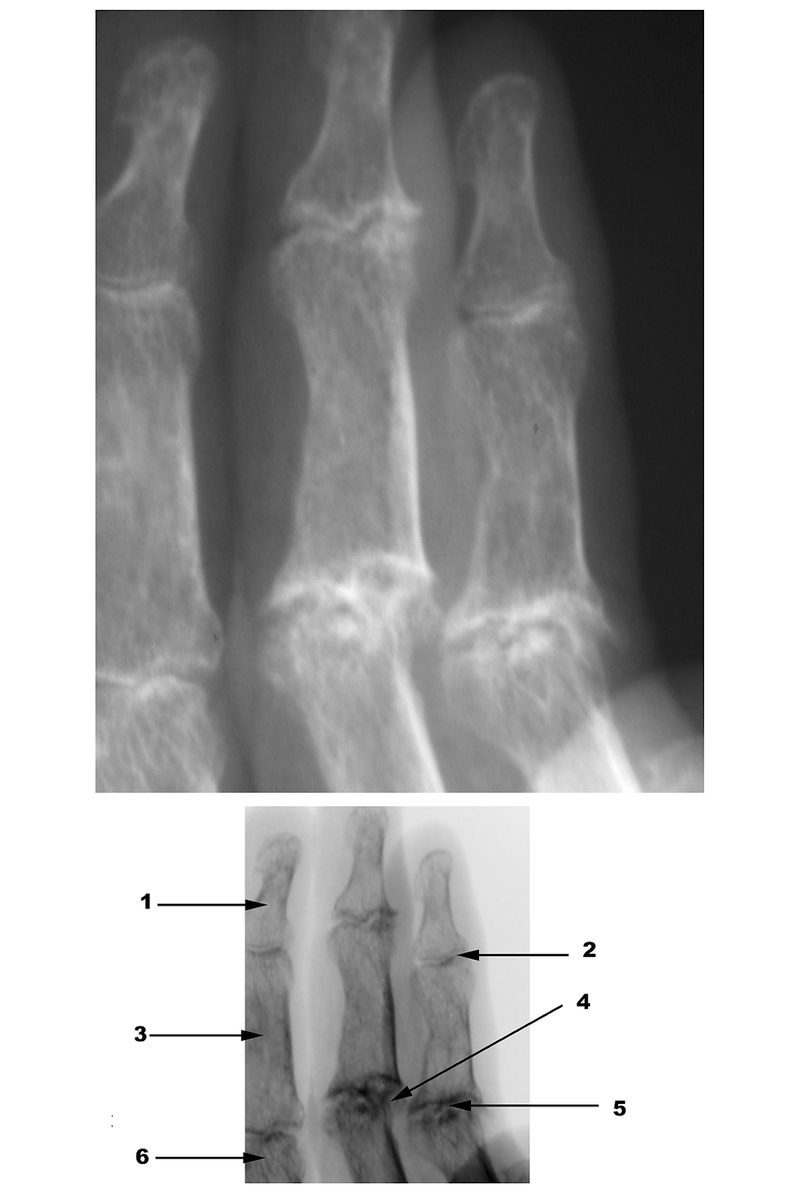
In the hand, primary osteoarthritis is manifested as bony enlargements about the finger joints. Those affecting the distal interphalangeal (DIP) joints are termed Heberden’s nodes; similar enlargement about the proximal interphalangeal (PIP) joints are termed Bouchard’s nodes. Typically, abnormalities in the DIP and PIP joints are more prominent than changes in the MCP joints. Radiographs of involved interphalangeal joints reveal loss of joint space and prominent osteophytes, causing close apposition of adjacent articular surfaces.12
Rheumatoid Arthritis of the Hand
Figure 18
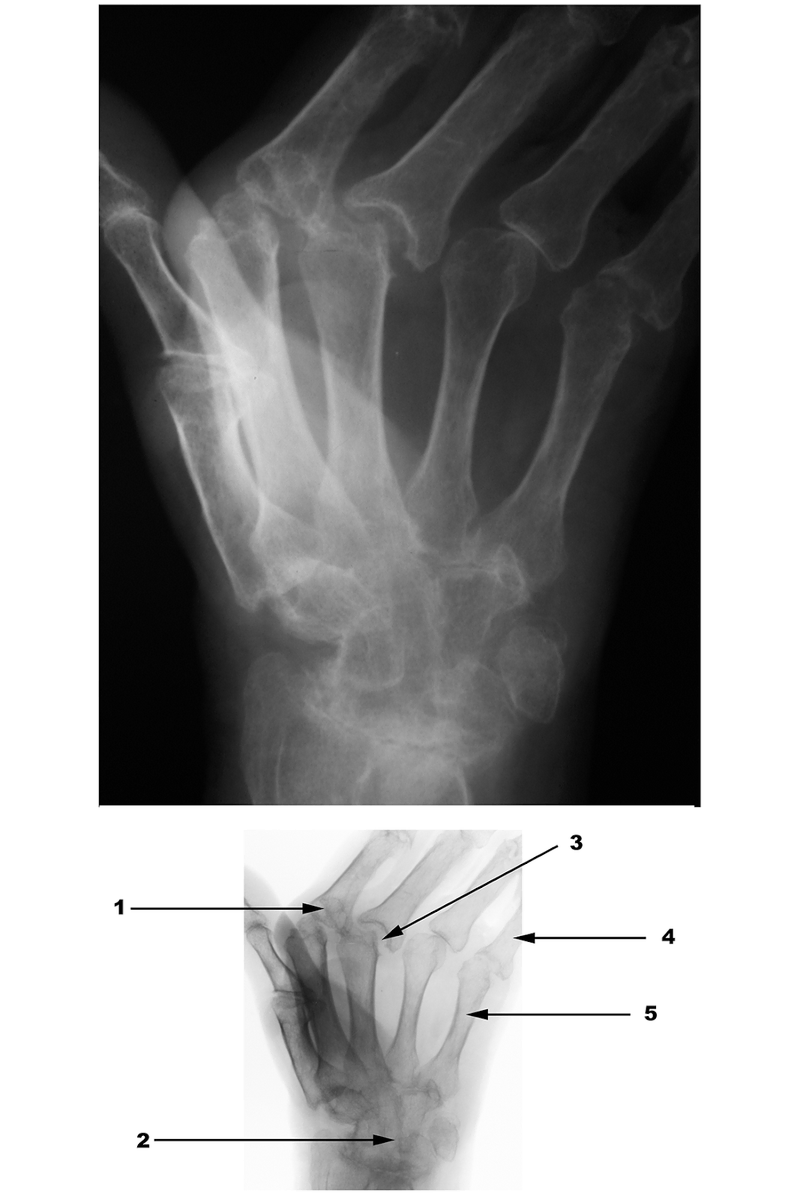
In rheumatoid arthritis of the hand, the MCP and PIP joints are most commonly affected; the DIP joints are less frequently affected.13 Characteristic radiographic findings include symmetric soft-tissue swelling, periarticular osteoporosis, concentric joint space loss, and marginal erosions.14-18 Superficial surface-bone resorption may become apparent in the diaphyses and metaphyses of the phalanges.
In advanced stages of disease, severe narrowing or obliteration of the joint space occurs. Subluxation of the small joints of the hand, producing boutonnière and swan-neck deformities, are common complications.13,19 Malalignment of the MCP joints may result in ulnar deviation of the fingers and volar subluxation and flexion of the MCP joint.
Osteonecrosis of the Hip
Figure 19
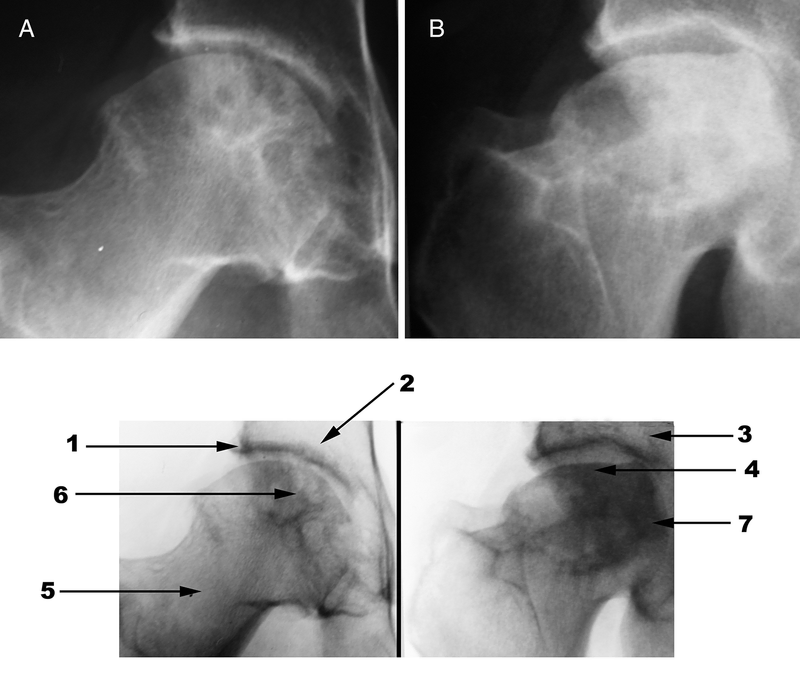
Osteonecrosis of the femoral head can lead to the collapse of the articular surface and severe structural joint deformity.20-22 The radiographic findings associated with osteonecrosis of the hip vary with the stage of the disease.23 Initial findings may be subtle and include mottled, poorly defined, radiolucent lesions or scattered, patchy, radiodense areas. Patchy, radiolucent areas may be surrounded by a peripheral rim of sclerosis (Fig. 19, A). With progression of disease, arc-like, subchondral, radiolucent lesions and flattening of the femoral head become apparent. In advanced stages, the articular surface collapses and osteoarthritis develops23 (Fig. 19, B).
Knee Osteoarthritis
Figure 20
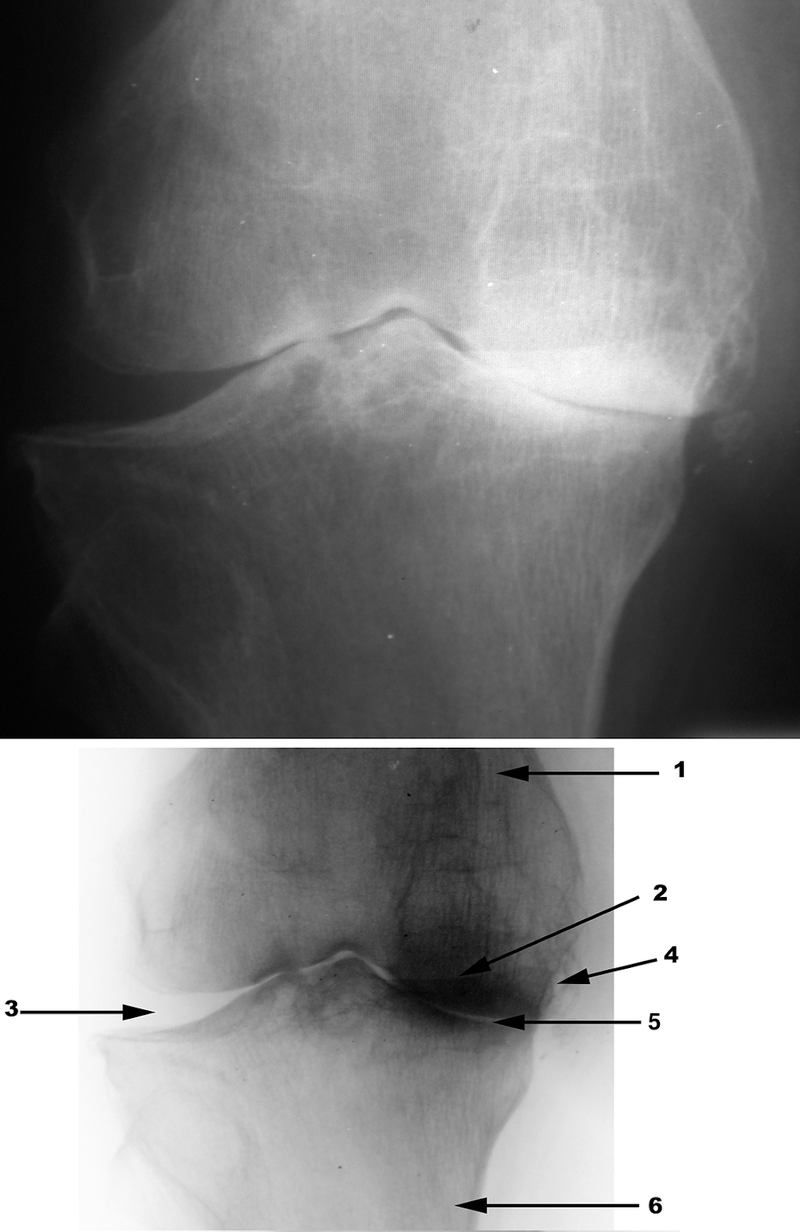
Osteoarthritis most commonly affects the knee joint. Radiographic changes usually predominate in the medial femorotibial compartment.24 In patients with knee osteoarthritis, radiographs may reveal joint space narrowing, sclerosis of subchondral bone, subchondral cysts, and osteophytes, particularly at the margins of the joint. In patients with patellofemoral osteoarthritis, radiographic abnormalities may include joint space narrowing, sclerosis, and osteophytes, particularly on the patellar side of the space. Other findings include angulation and subluxation, joint malalignment, and the presence of intra-articular bodies, joint effusions, and synovial cysts. Varus deformity is more common than valgus deformity.12
Osteomyelitis
Figure 21
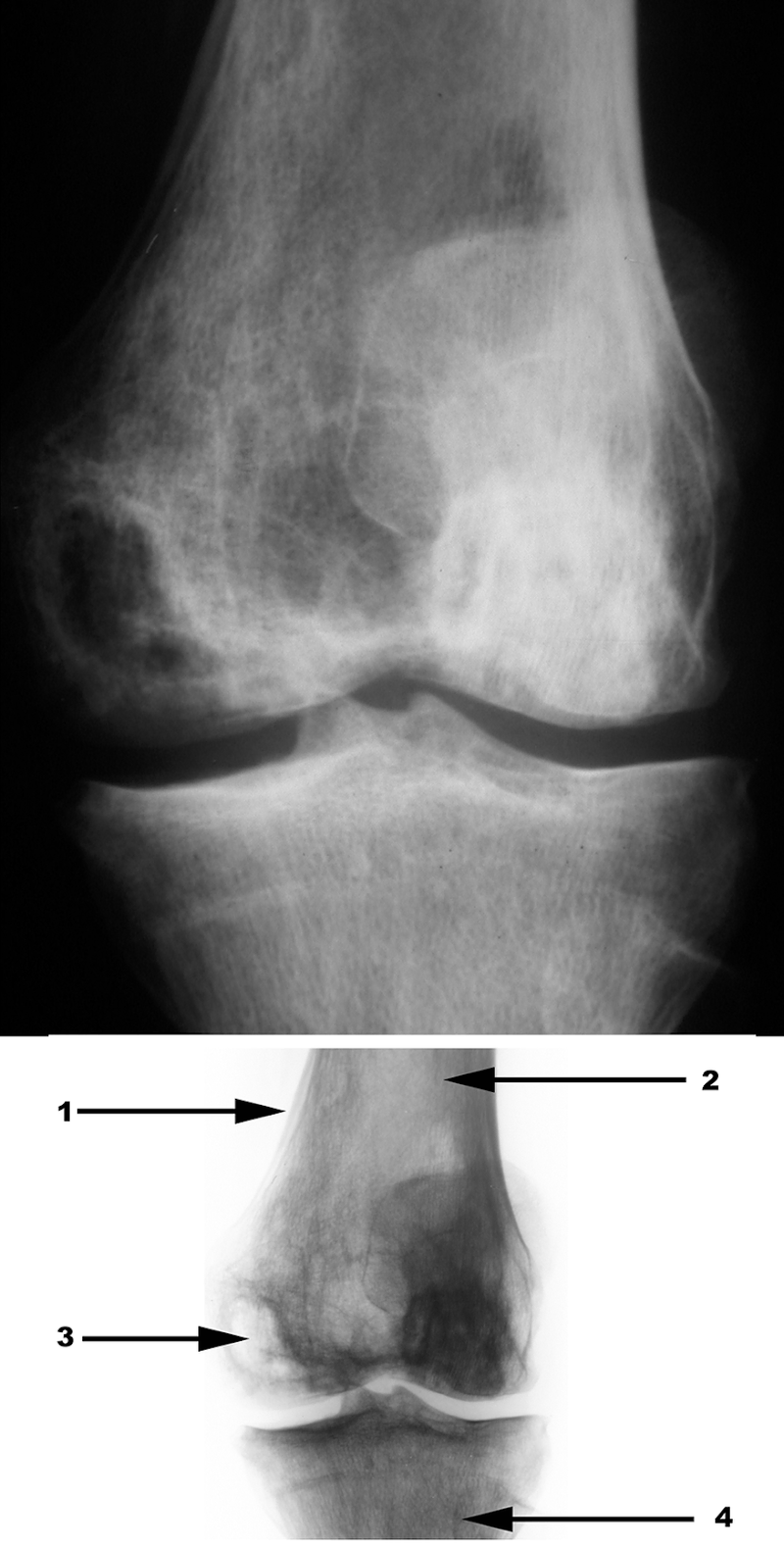
Osteomyelitis is an infection of bone and marrow that is generally characterized by acute, subacute, and chronic clinical stages. In patients with osteomyelitis, the earliest radiographic abnormalities may be subtle, consisting of soft-tissue swelling. Chronic infection, however, results in bone resorption. Therefore, as the infection progresses, poorly defined, radiolucent lesions develop in the metaphysis of tubular bones and, in children, may extend to the growth plate. Cortical resorption and periostitis also may be present. In the subacute and chronic stages of hematogenous osteomyelitis, bone abscesses (Brodie’s abscesses) may appear in the metaphyseal region of the long bones (Fig. 21). On radiographs, a Brodie’s abscess appears as a sharply delineated, elongated, radiolucent lesion surrounded by bone sclerosis. In patients with subacute and chronic osteomyelitis, characteristic radiographic findings include a sequestrum (necrotic bone fragmentation) and an involucrum (a zone of living bone surrounding sequestered bone).4,5
Osteoporosis
Figure 22
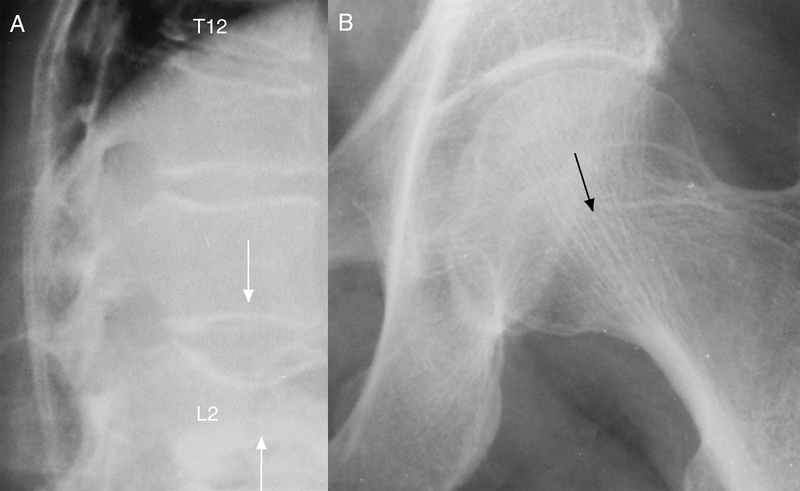
Osteoporosis most commonly affects the axial skeleton and proximal portions of the long bones. In the diagnosis of early bone loss, radiographs are ineffective because even significant loss of bone mass may elude detection.25 Therefore, other imaging modalities (eg, dual-energy x-ray absorptiometry) are used to better assess osteoporosis.26-32 Radiographic findings in patients with osteoporosis include increased radiolucency of the bones, changes in the trabecular pattern and shape of vertebral bodies (eg, wedge-shaped vertebrae, compressed vertebrae, and fish vertebrae), and acute and insufficiency fractures33,34 (Fig. 22, A). The Singh index characterizes the severity of osteoporosis on radiographs according to patterns of trabecular loss and cortical thinning in the hip.35 As osteoporosis progresses, trabecular groups become obliterated in sequence; with severe disease, only the compressive trabeculae remain (Fig. 22, B). (This process may be appreciated better by contrasting the appearance of the femoral neck shown in Figure 22, B with that shown in Figure 4.)
Osteomalacia and Rickets
Figure 23
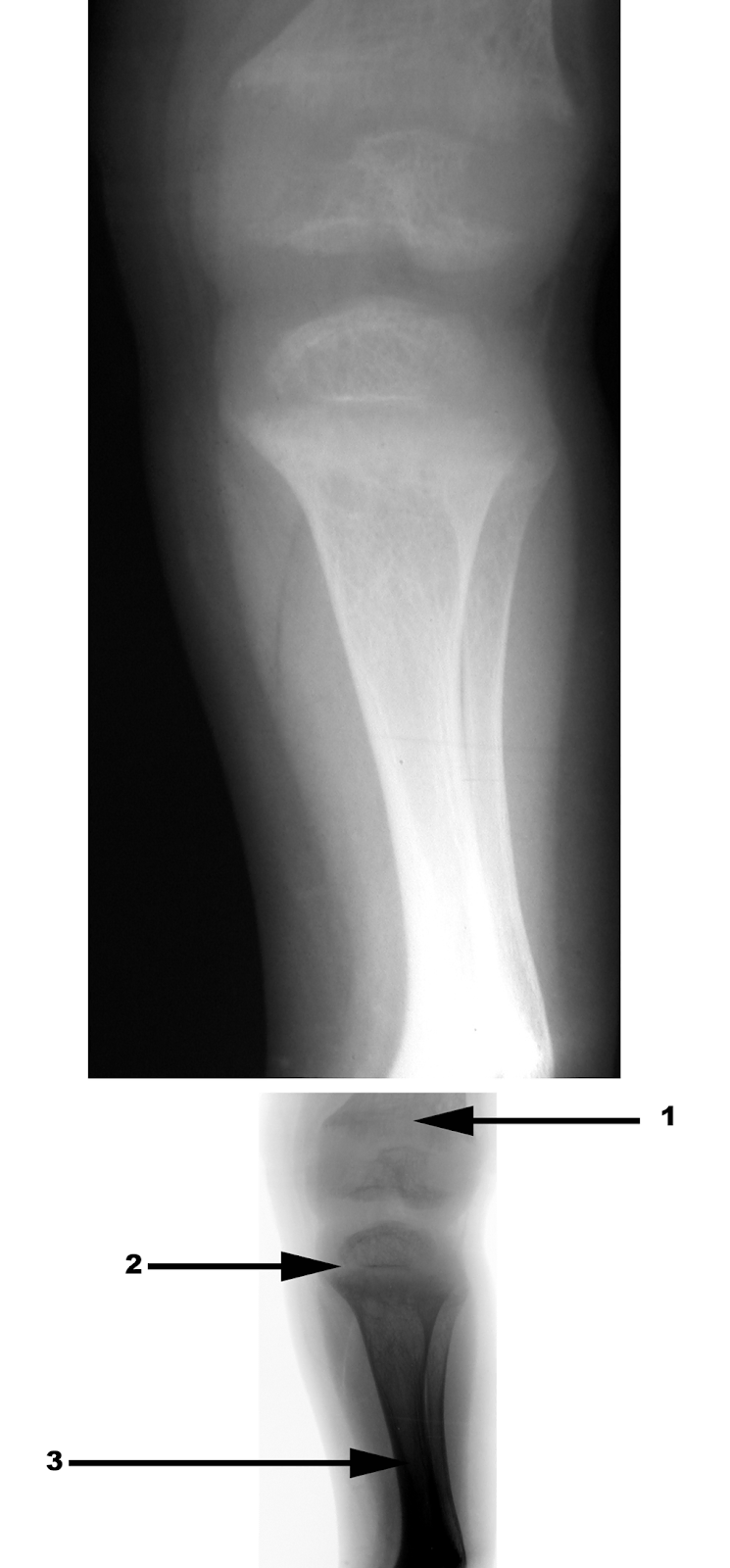
Defective mineralization of the adult skeleton is termed osteomalacia; it is called rickets when found in the immature skeleton.36 Radiographic manifestations of rickets include retarded bone growth and osteopenia.37,38 Alterations of the growth plate are characteristic of the disease, and widening at the physis represents the earliest specific radiographic finding.39 Decreased bone density on the metaphyseal side of the growth plate becomes evident as the disease progresses, and progressive widening and irregularity of the growth plate also may be observed. In the metaphyseal region, disorganization and “fraying” of the spongy bone occurs, with widening and cupping of the metaphysis.37,38 In the epiphysis, changes consist of deossification andblunting of the ossified periphery.40 In the long bones, bulky growth plates and bowing deformities are typical manifestations of rickets.
Tumors
Hemangioma
Figure 24
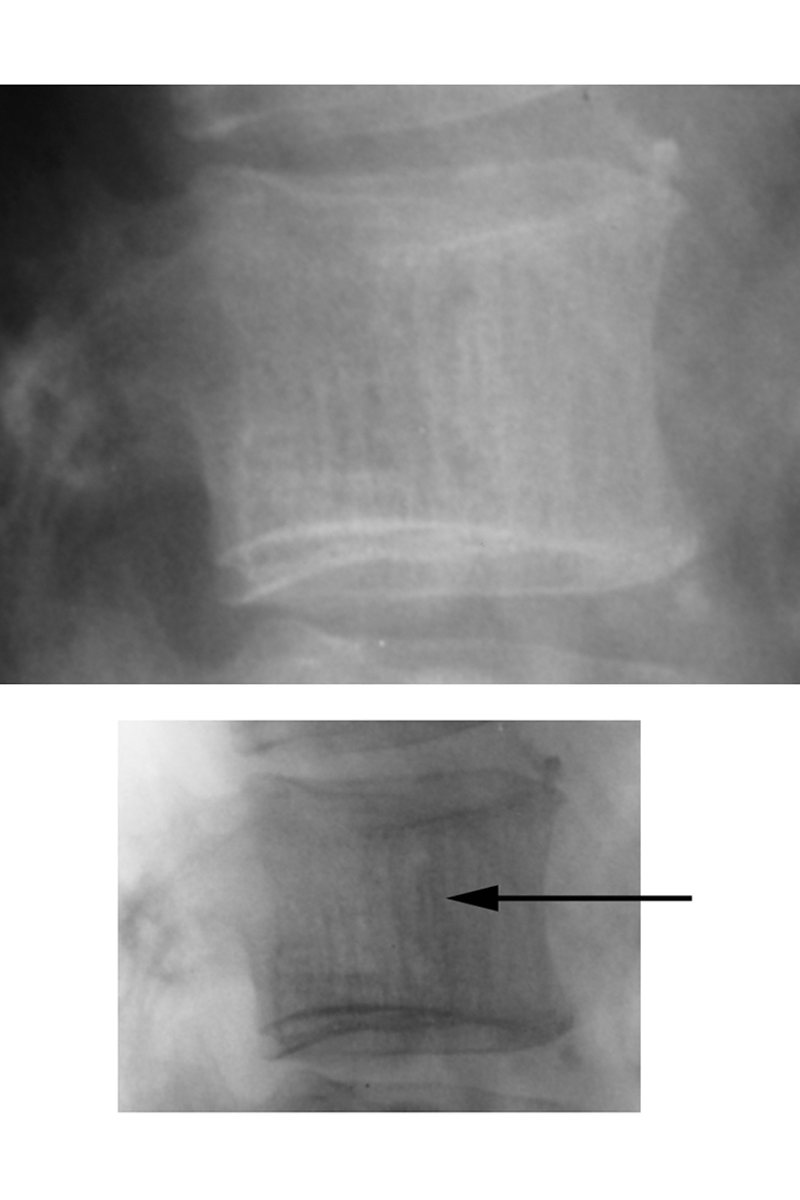
Hemangioma of bone is a benign lesion composed of newly formed capillary, cavernous, or venous blood vessels.41 Vertebral hemangiomas are usually asymptomatic lesions that can be incidental findings on radiographs. Although these tumors involve primarily the vertebral body, the pedicles, laminae, and transverse or spinous processes also can be affected. Spinal hemangiomas assume a characteristic coarse, vertical trabecular pattern; a honeycomb or cartwheel configuration also may be seen.42 Bone scans can be useful in the diagnosis of hemangiomas. CT and MRI, particularly when used with contrast material, can provide additional information regarding the characterization of osseous hemangiomas.
Osteosarcoma
Figure 25
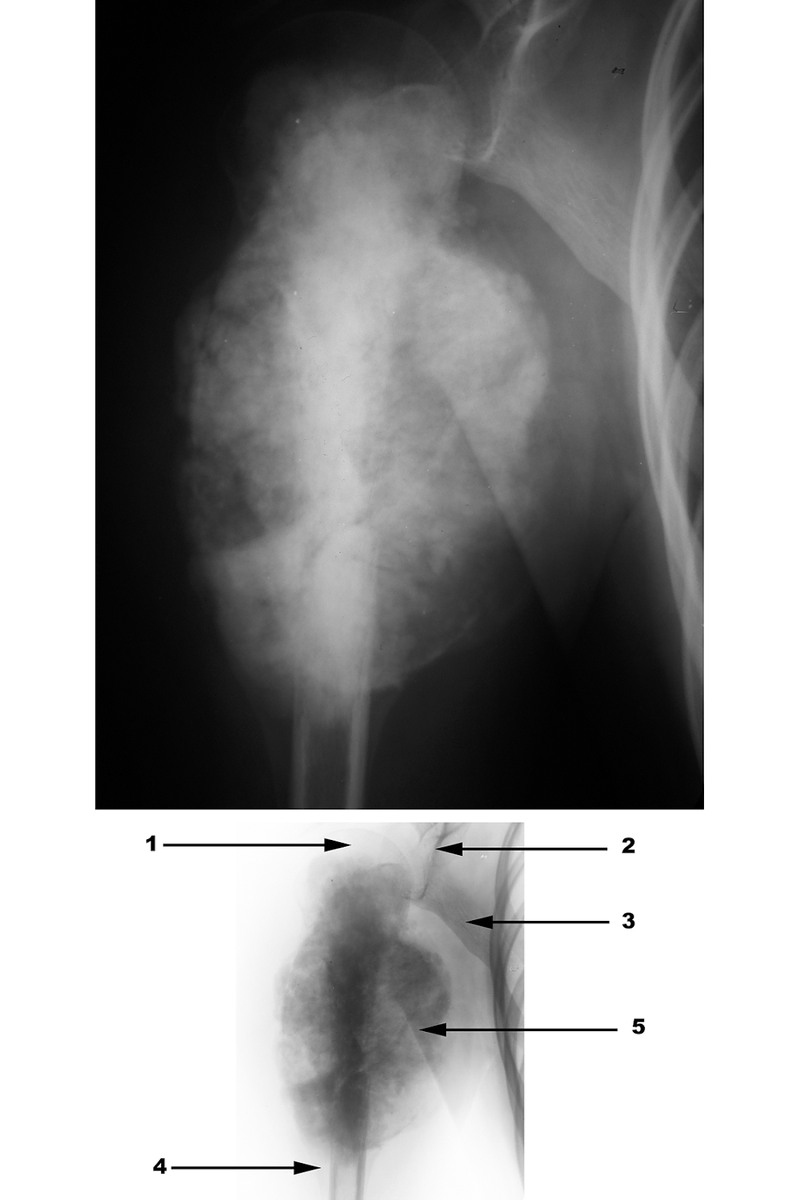
Osteosarcoma is a malignant tumor of bone in which the proliferating tumor cells produce osteoid.43 In general, the radiographic appearance of osteosarcomas depends on three parameters: (1) the degree of destruction of cortical or medullary bone (osteolysis), (2) the amount of bone production and calcification (osteosclerosis), and (3) the presence of periosteal bone formation.43 In tubular bones, conventional osteosarcomas appear as poorly defined, destructive, intramedullary lesions that violate the cortex and extend to soft tissue.
Skeletal Metastases
Figure 26
One of the basic characteristics of all malignant tumors is the capacity to metastasize. The primary tumors involved in skeletal metastases most frequently are carcinoma of the breast, prostate, and lung. The most common sites of metastasis are the spine, pelvis, ribs, sternum, femoral and humeral diaphyses, and skull. In general, metastatic lesions demonstrate either bone resorption (Fig. 26, A) or bone formation (Fig. 26, B). These patterns are termed osteolytic and osteoblastic, respectively. Mixed osteolytic-osteoblastic patterns can be seen as well. Findings associated with skeletal metastases include soft-tissue masses, soft-tissue ossification, and pathologic fractures.44
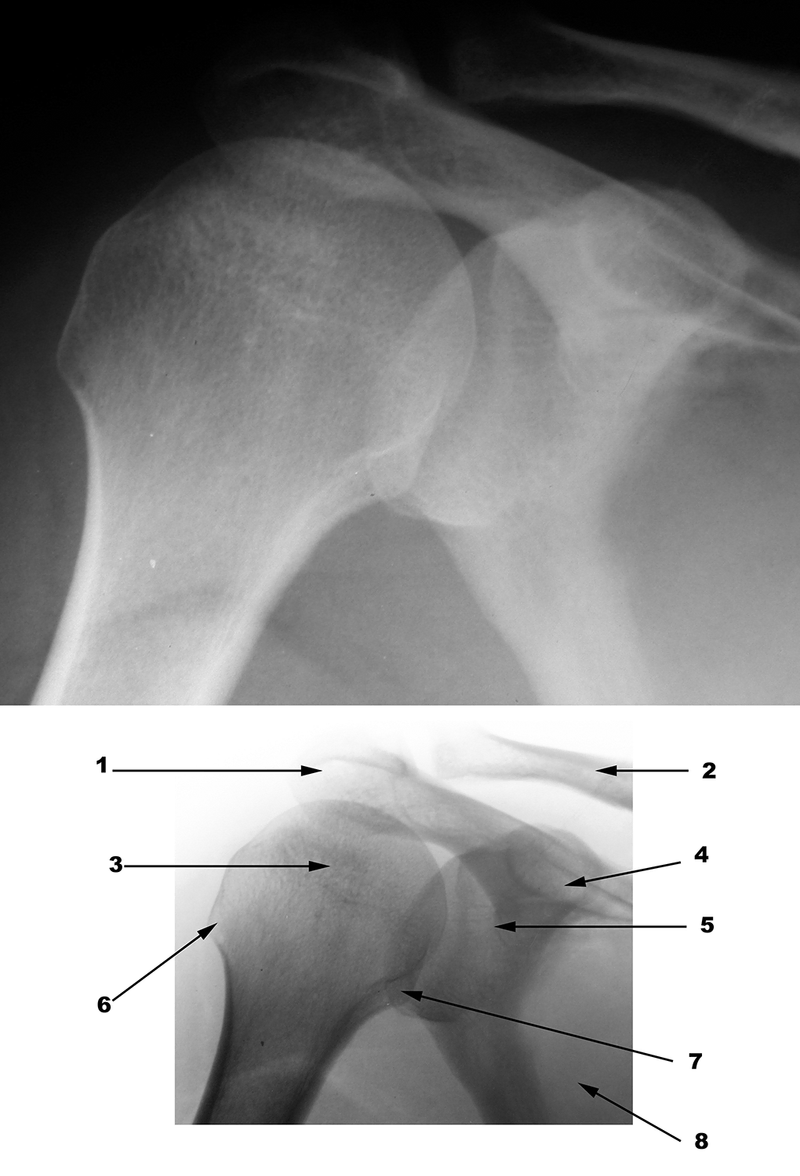
Figure 1 AP view of the shoulder (internal rotation). 1 = Acromion, 2 = Clavicle, 3 = Humeral head, 4 = Coracoid, 5 = Glenoid, 6 = Greater tuberosity, 7 = Lesser tuberosity, 8 = Scapula.
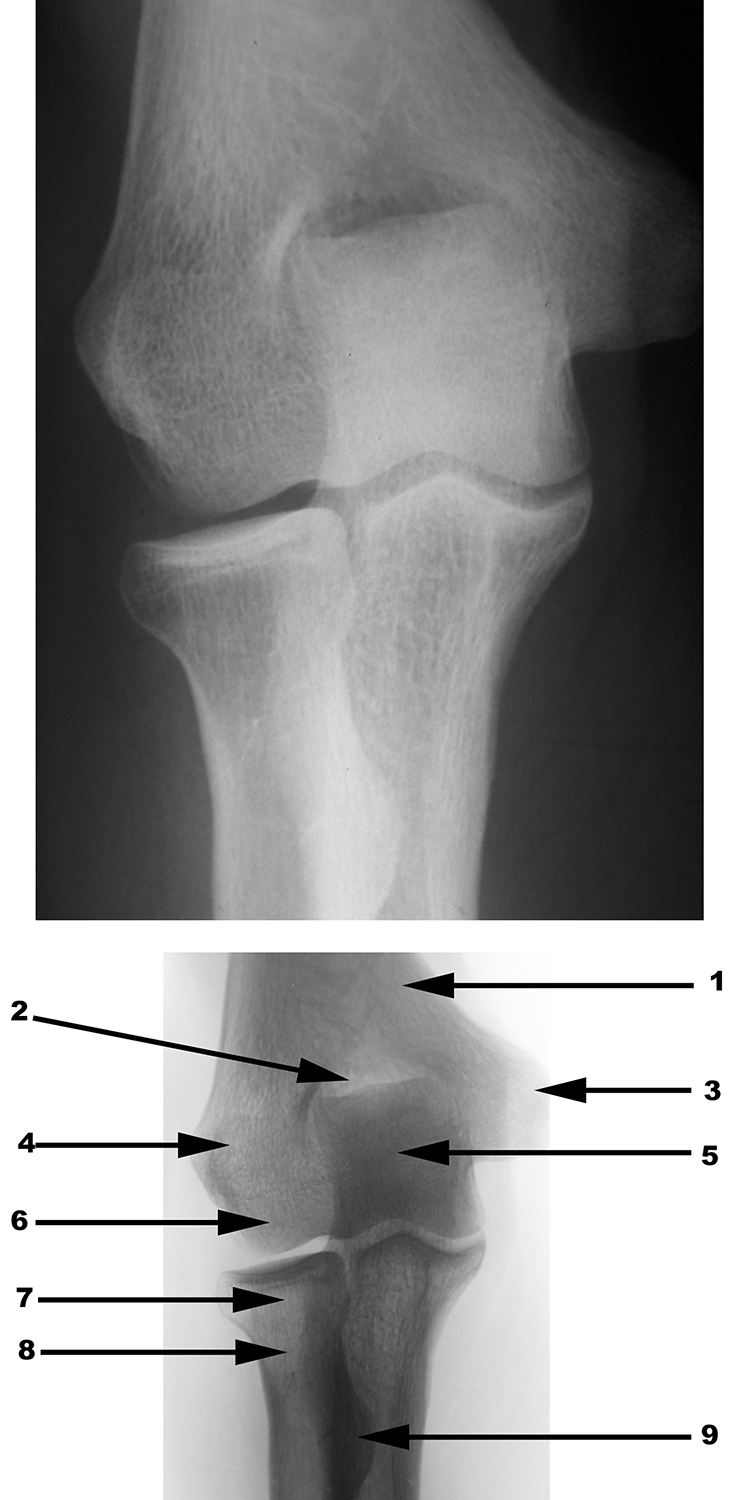
Figure 2 AP view of the elbow. 1 = Humerus, 2 = Olecranon fossa, 3 = Medial epicondyle, 4 = Lateral epicondyle , 5 = Olecranon, 6 = Capitulum of humerus, 7 = Radial head, 8 = Radial neck, 9 = Radial tuberosity.
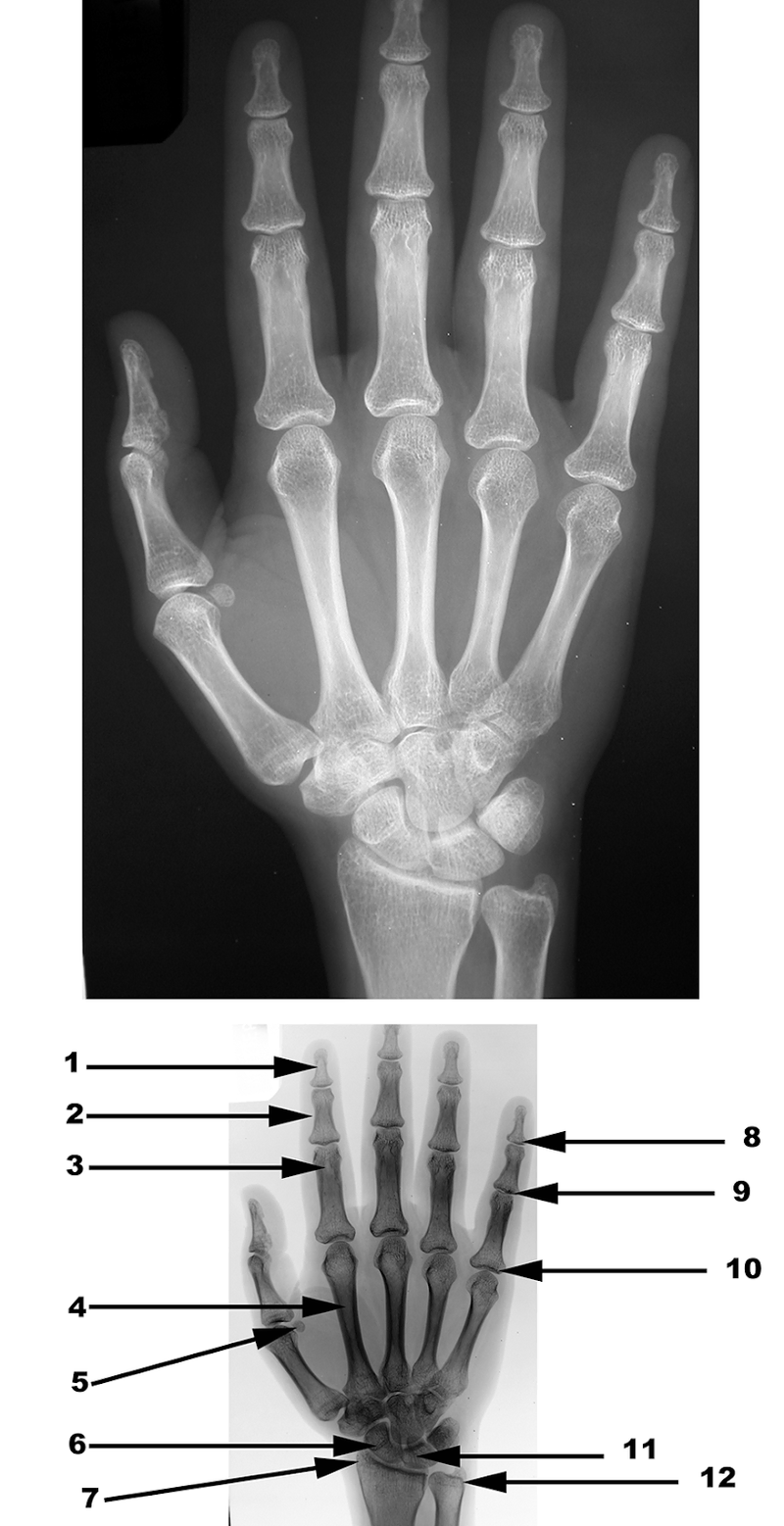
Figure 3 AP view of the hand.1 = Distal phalanx, 2 = Middle phalanx,3 = Proximal phalanx, 4 = Metacarpal bone, 5 = Sesamoid, 6 = Scaphoid, 7 = Styloid process of radius, 8 = Distal interphalangeal joint, 9 = Proximal interphalangeal joint, 10 = Metacarpophalangeal joint, 11 = Lunate, 12 = Styloid process of ulna.
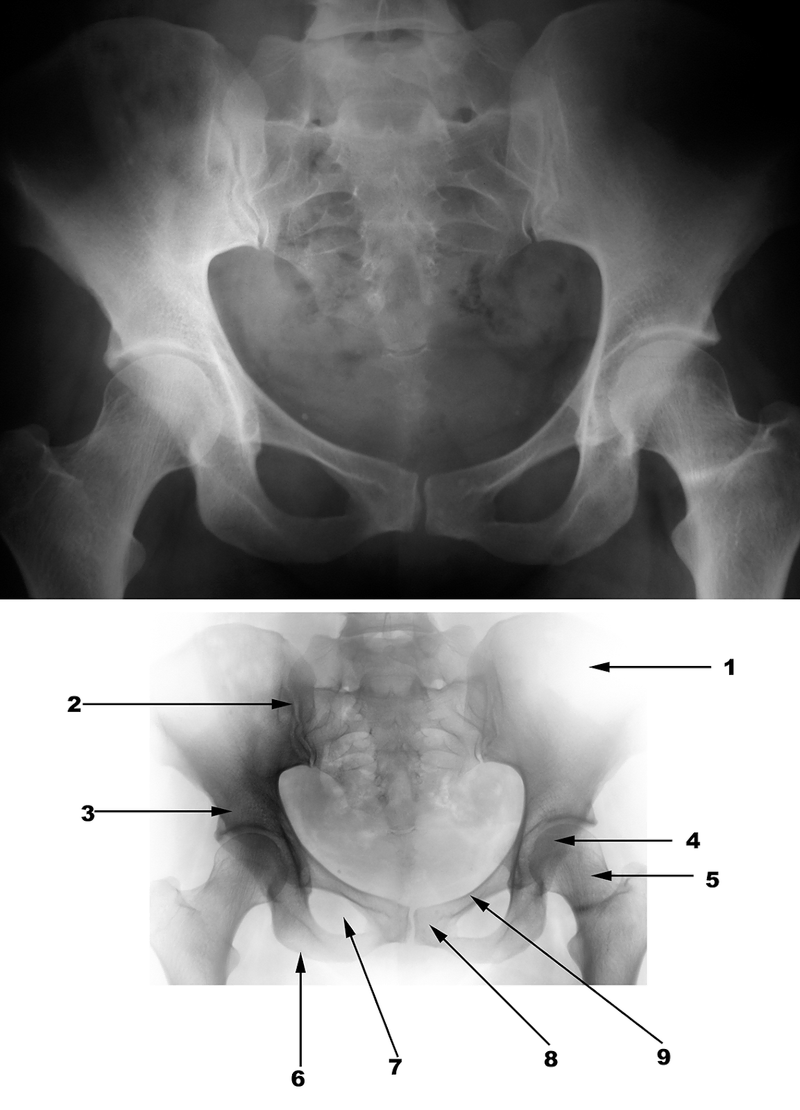
Figure 4 AP view of the pelvis. 1 = Ilium, 2 = Sacroiliac joint, 3 = Acetabulum, 4 = Femoral head, 5 = Femoral neck, 6 = Inferior pubic ramus, 7 = Obturator foramen, 8 = Pubis, 9 = Superior pubic ramus.
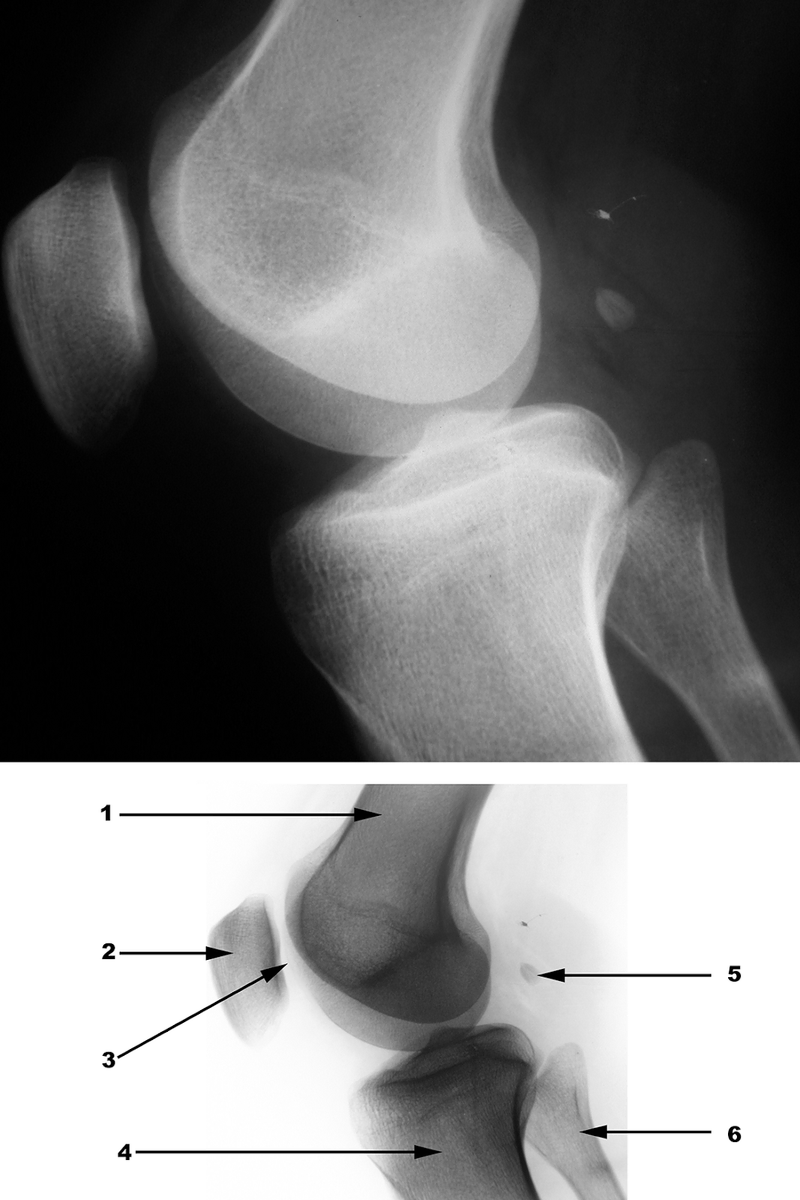
Figure 5 Lateral view of the knee. 1 = Femur, 2 = Patella, 3 = Patellofemoral joint, 4 = Tibia, 5 = Fabella, 6 = Fibula.
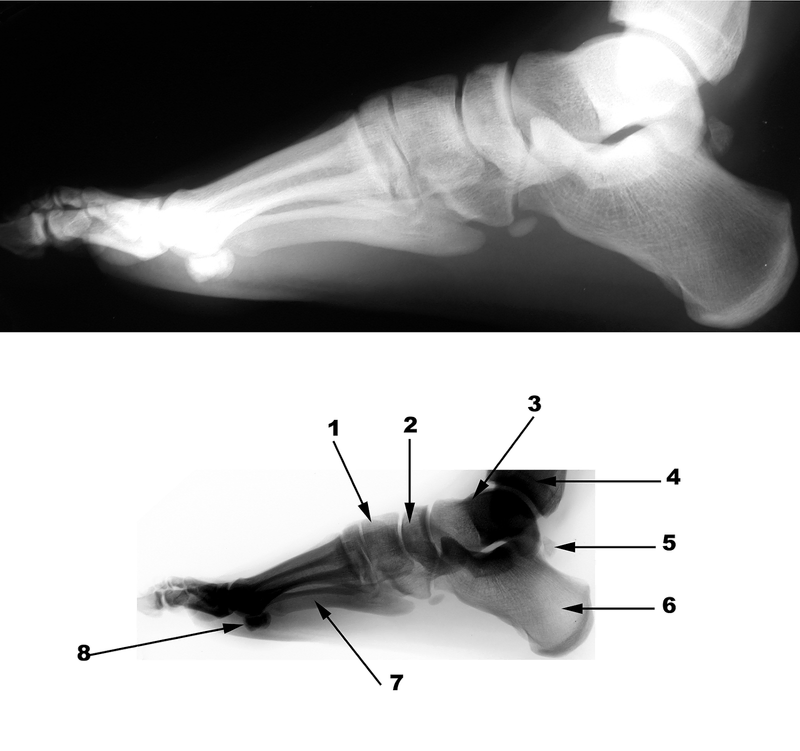
Figure 6 Lateral view of the foot. 1 = Cuneiform bones, 2 = Navicular, 3 = Talus, 4 = Tibia, 5 = Os trigonum, 6 = Calcaneus, 7 = Metatarsal bone, 8 = Sesamoid.
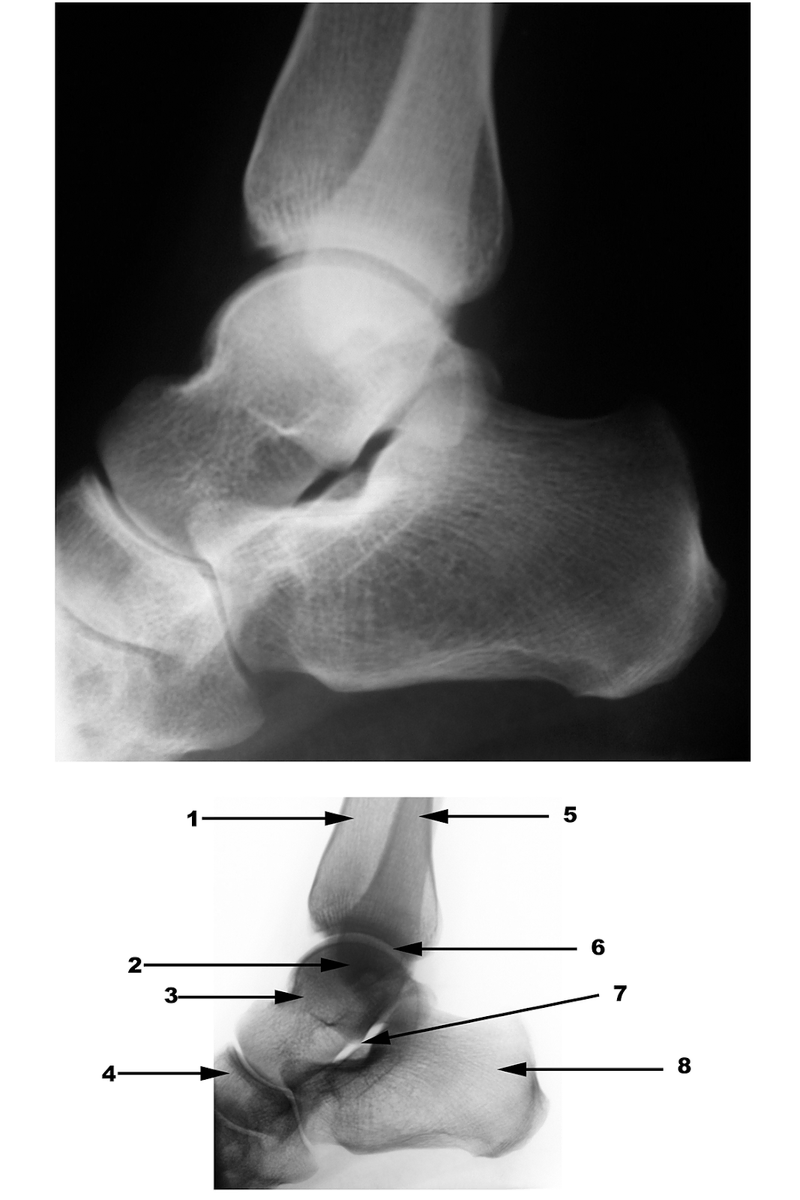
Figure 7 Lateral view of the ankle. 1 = Tibia, 2 = Talus, 3 = Talar neck, 4 = Navicular, 5 = Fibula, 6 = Tibiotalar joint, 7 = Subtalar joint, 8 = Calcaneus.
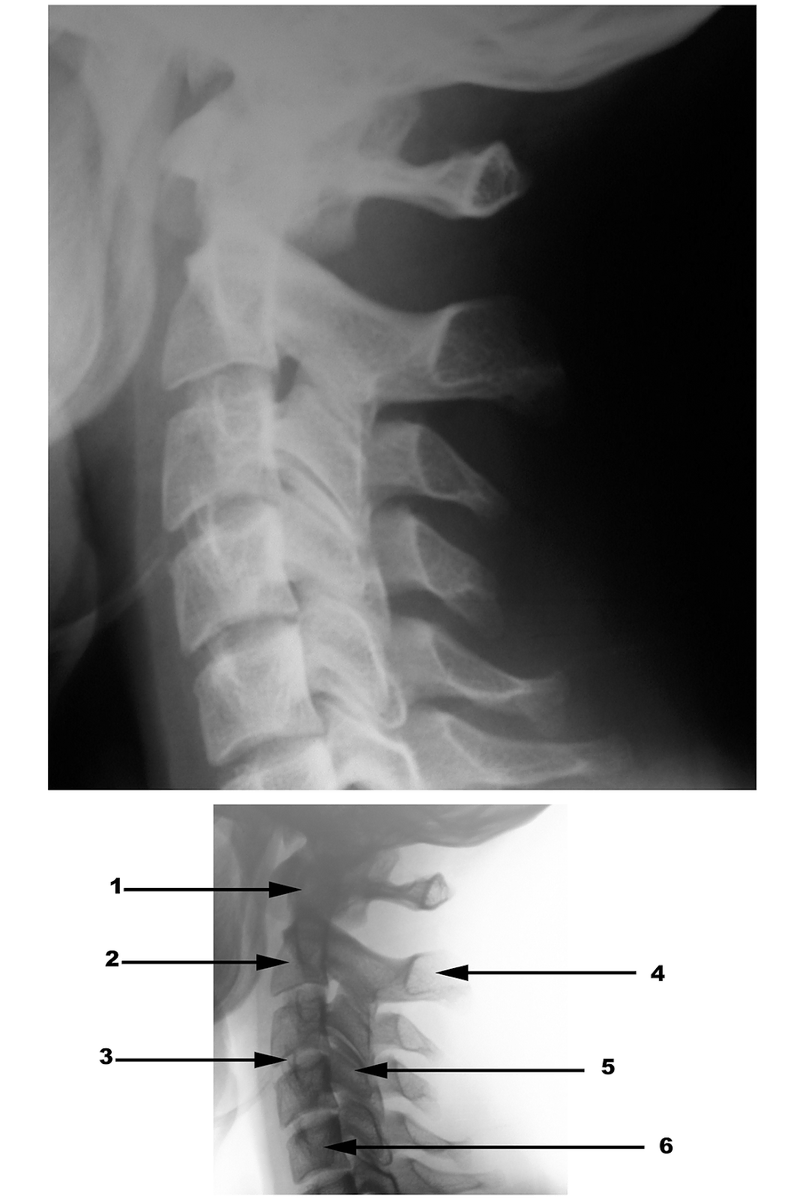
Figure 8
Lateral view of cervical spine. 1 = Dens of axis, 2 = Axis, 3 = Intervertebral disk, 4 = Spinous process, 5 = Posterior elements, 6 = Vertebral body.
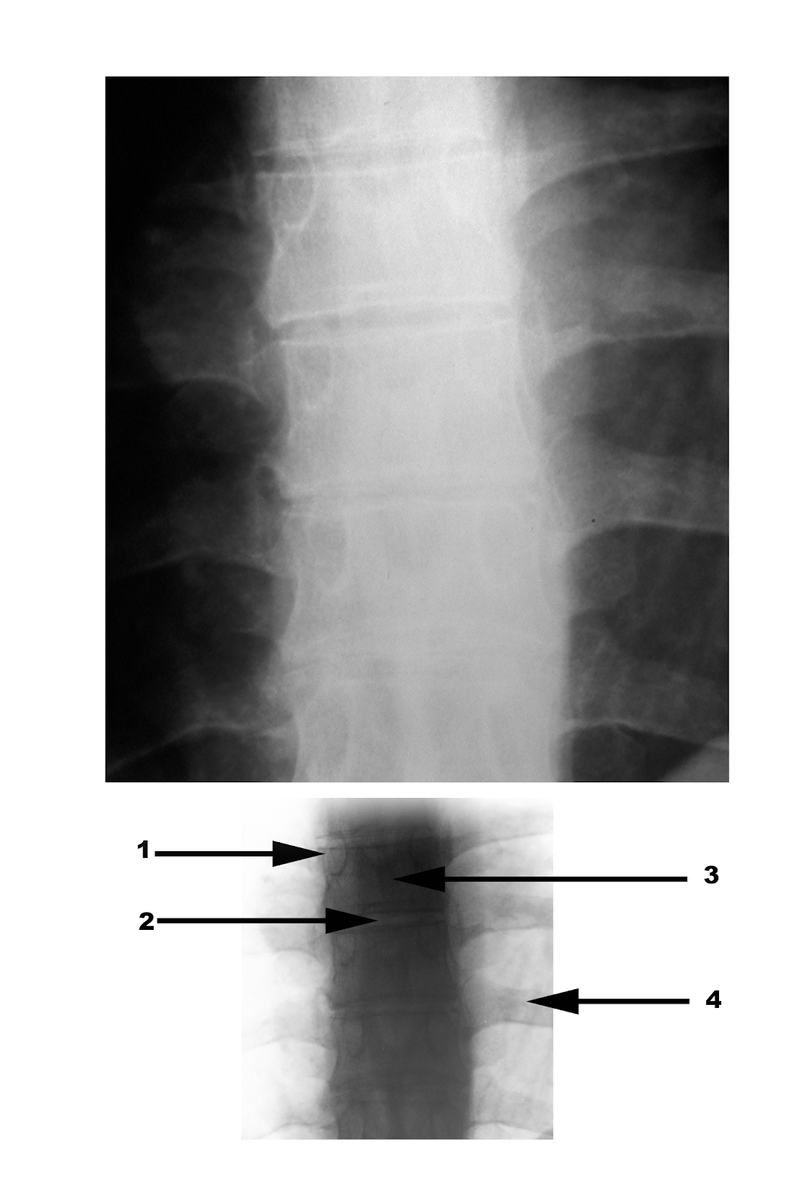
Figure 9
AP view of the thoracic spine. 1 = Pedicle, 2 = Intervertebral disk, 3 = Vertebral body, 4 = Rib.
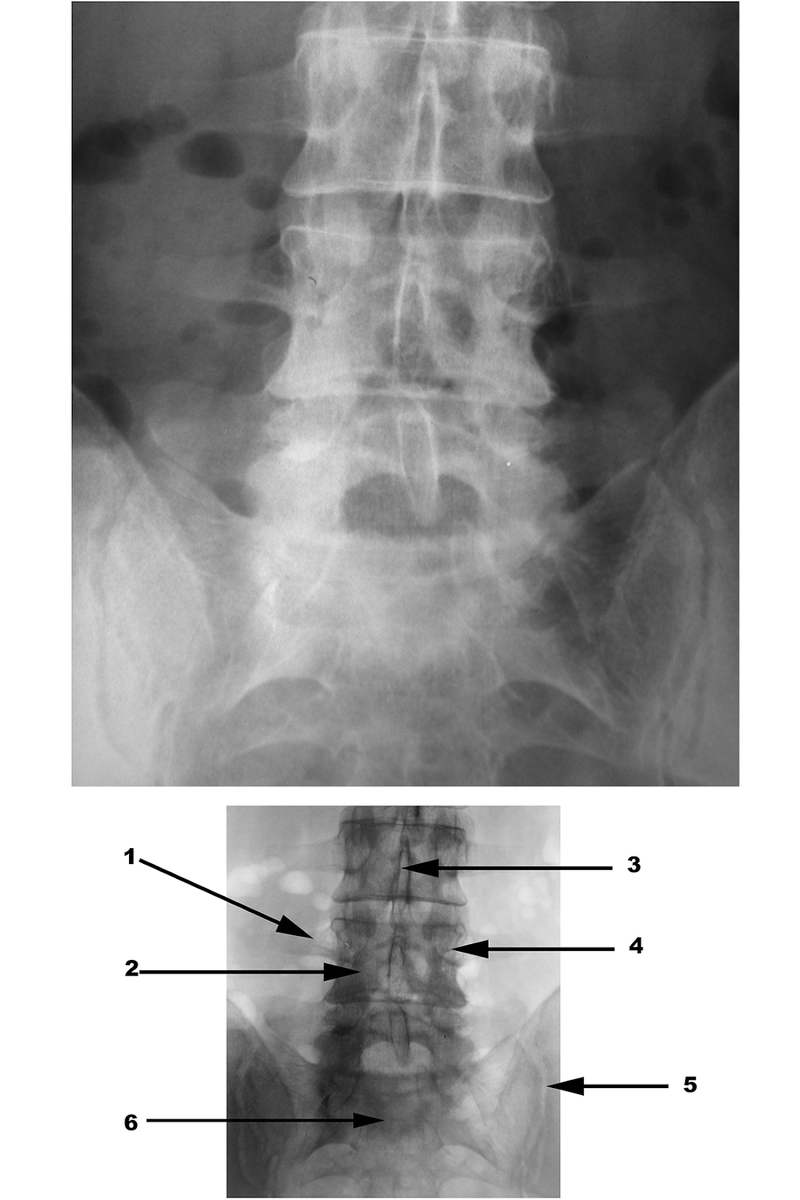
Figure 10
AP view of the lumbar spine. 1 = Transverse process, 2 = Vertebral body, 3 = Spinous process, 4 = Pedicle, 5 = Sacroiliac joint, 6 = Sacrum.
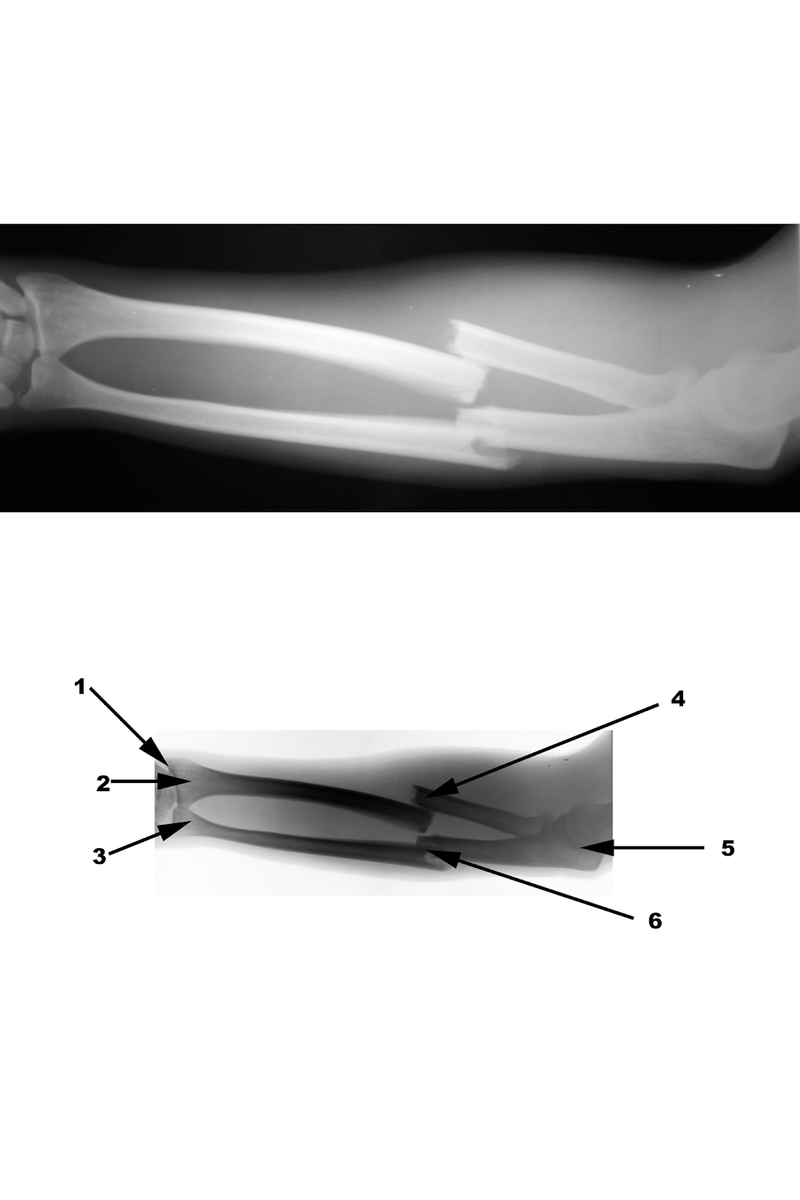
Figure 11
AP view of the forearm demonstrates midshaft radial and ulnar fractures with overriding and displaced fragments. 1 = Radiocarpal joint, 2 = Radius, 3 = Ulna, 4 = Radial fracture, 5 = Elbow joint, 6 = Ulnar fracture.
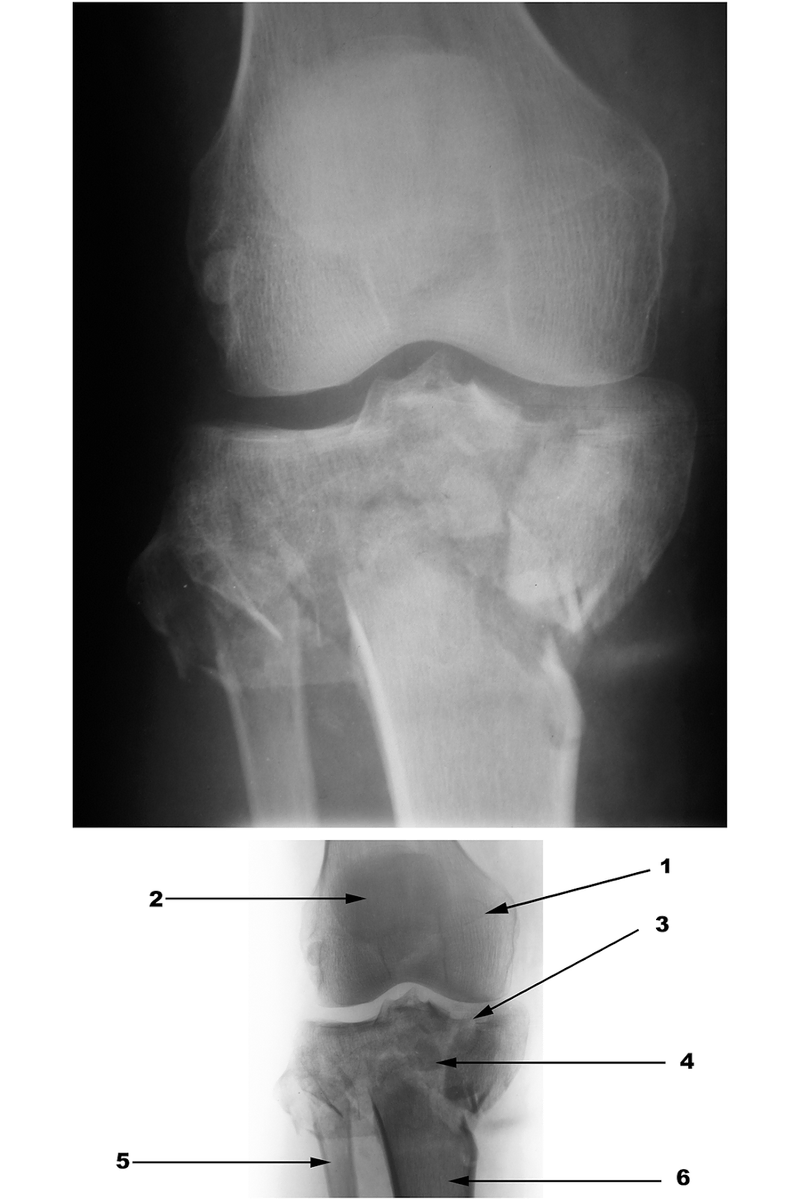
Figure 12
AP view of the knee shows a highly comminuted fracture of the proximal portion of the tibia (tibial plateau). The fracture involves the articular surface on both the medial and lateral sides of the tibia. A portion of the medial tibial articular surface is depressed. There is also a proximal fibular fracture. 1 = Femur, 2 = Patella, 3 = Intra-articular extension of fracture, 4 = Comminuted fracture, 5 = Fibula, 6 = Tibia.
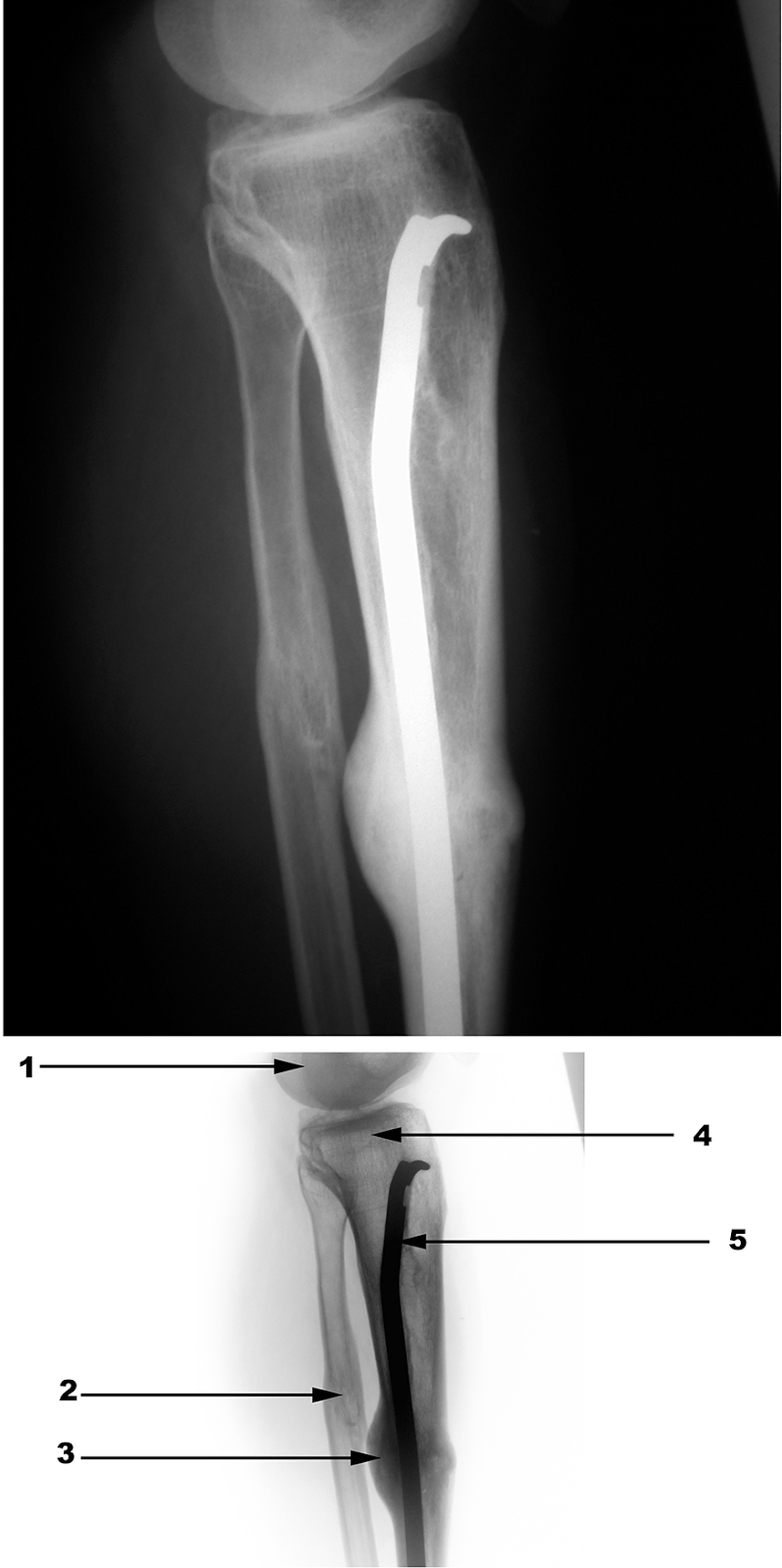
Figure 13
Lateral view of the leg in a patient with fractures of the tibia and fibula. An intramedullary rod was placed in the tibia. Callus at the fracture site is seen. 1 = Femur, 2 = Healed fibula fracture with callus, 3 = Healed tibia fracture with callus, 4 = Tibia, 5 = Intramedullary rod.
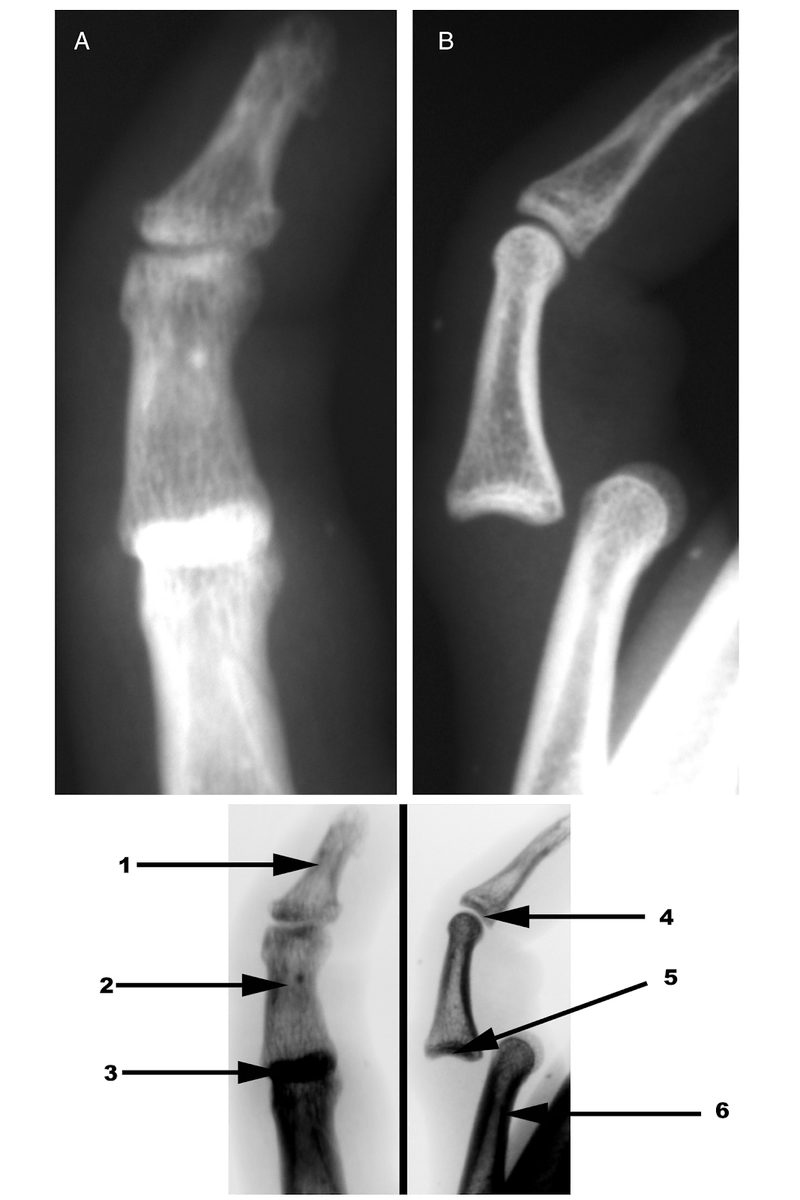
Figure 14 AP (A) and oblique (B) views of the little finger demonstrate dorsal dislocation of the fifth MCP joint. Although an abnormality may be inferred by the position of the bones on the AP view, the presence of the dislocation and its direction is best appreciated on the oblique view. This pair of radiographs demonstrates the need for two views. 1 = Distal phalanx, 2 = Middle phalanx,3 = Abnormal proximal interphalangeal joint, 4 = Distal interphalangeal joint, 5 = Dislocated proximal interphalangeal joint,6 = Proximal phalanx.
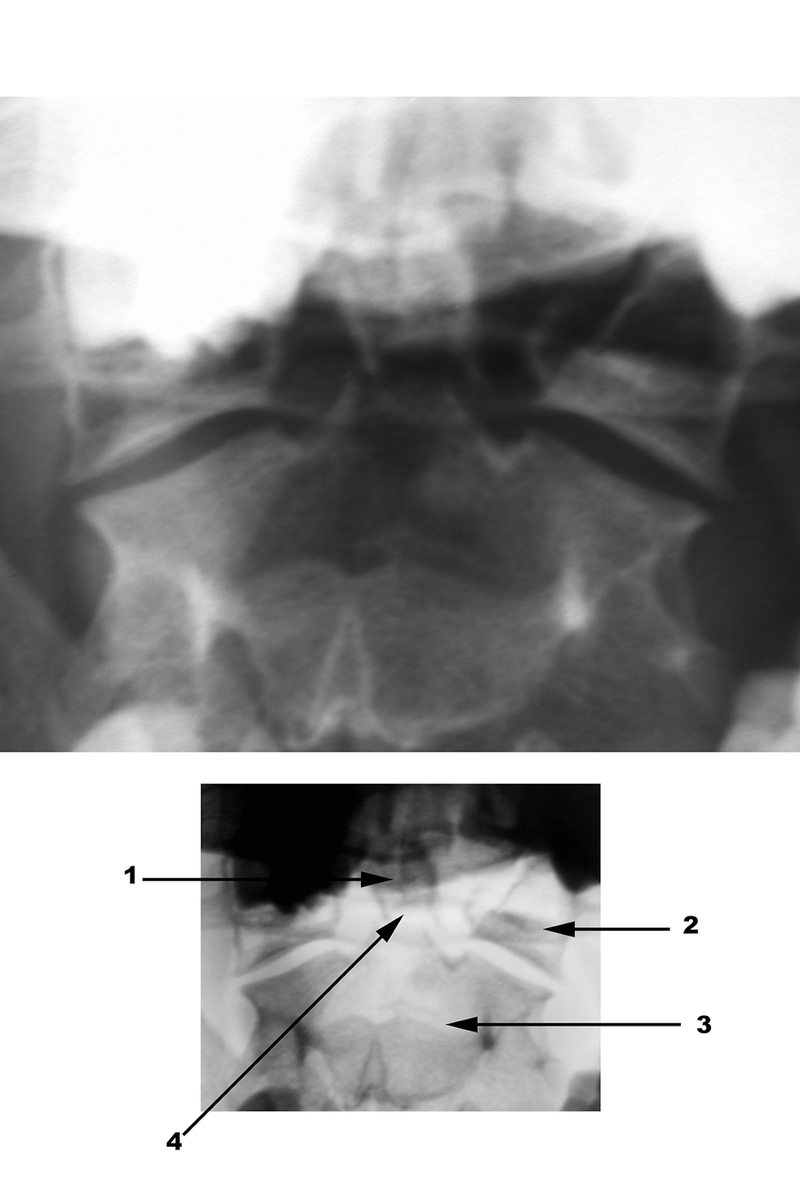
Figure 15 AP open-mouth view of the odontoid process (dens) shows a transverse fracture at the base of the dens at the same level as the joints of the C1-C2lateral masses. 1 = Dens, 2 = Lateral mass,3 = Vertebral body, 4 = Fracture.
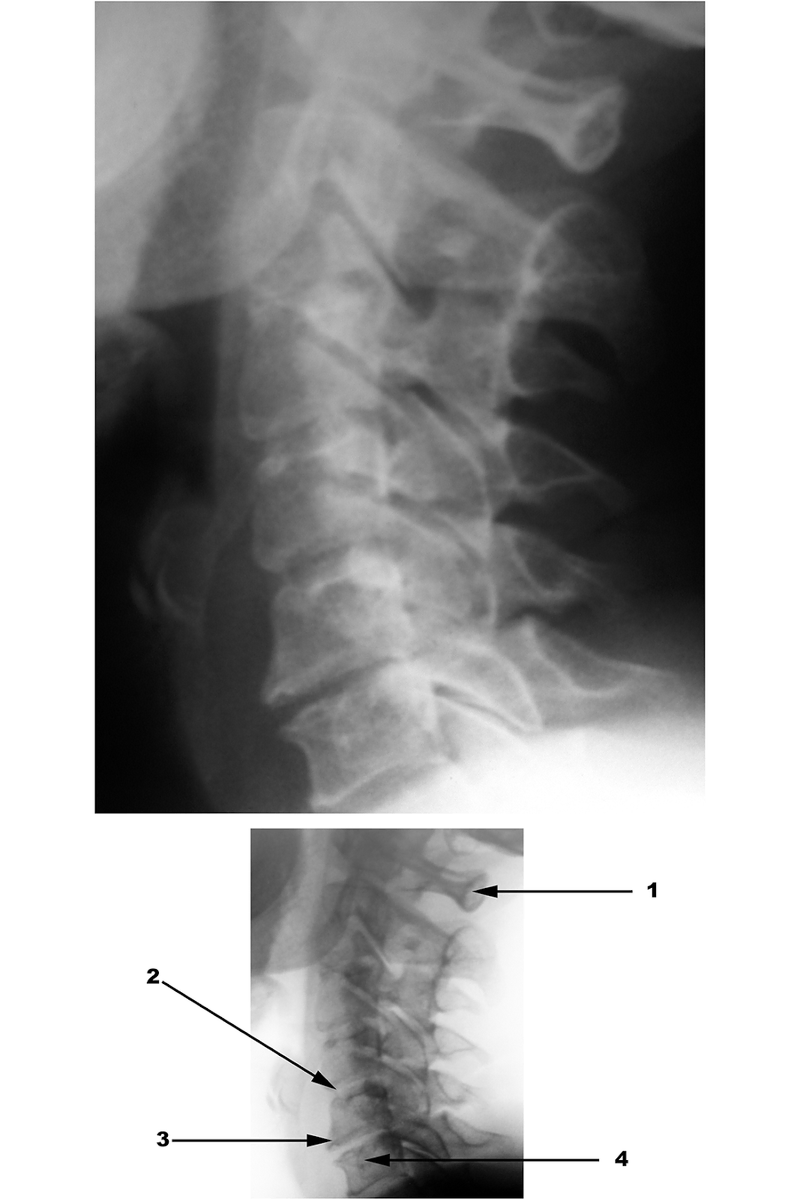
Figure 16
Lateral view of the cervical spine shows degenerative changes that include disk space narrowing, bone sclerosis of adjacent vertebral surfaces, and osteophytes. 1 = Spinous process, 2 = Intervertebral disk space narrowing, 3 = Osteophyte, 4 = Vertebral body.
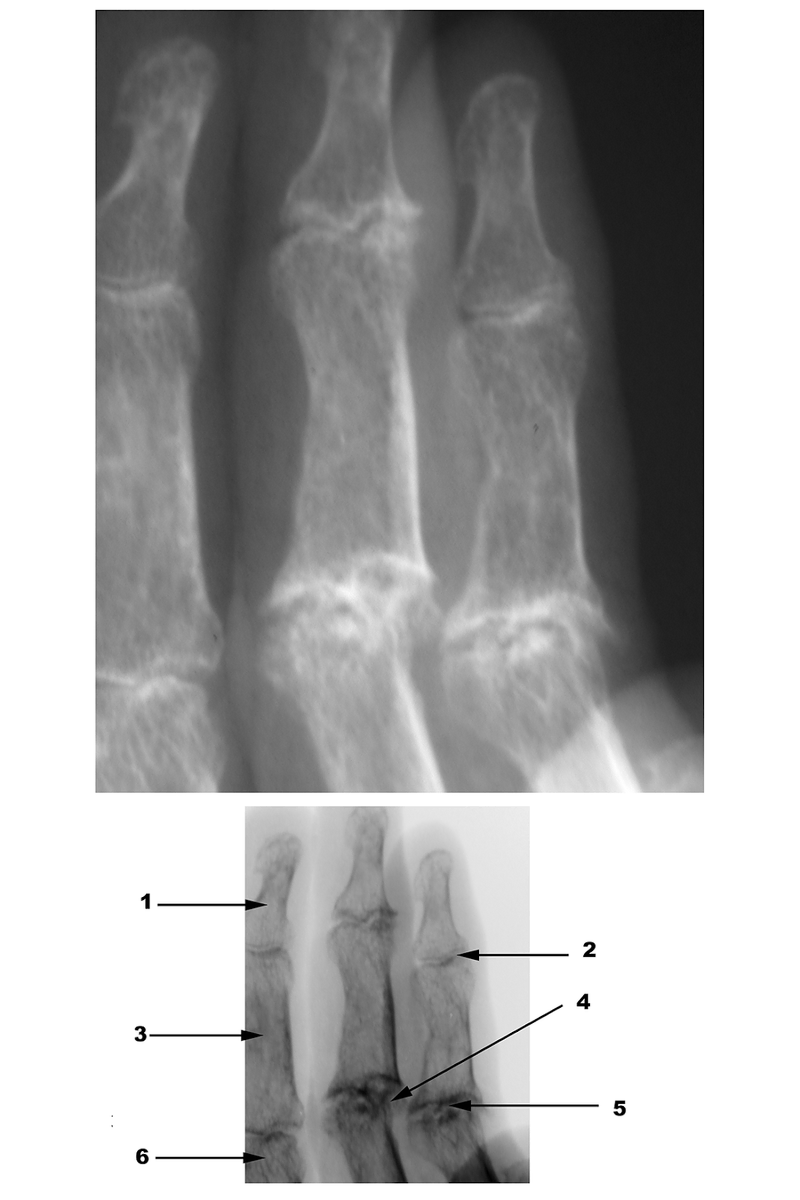
Figure 17
Oblique view of the fingers shows degenerative changes of the proximal interphalangeal and distal interphalangeal joints, including loss of joint space, subchondral sclerosis, and marginal osteophytes. 1 = Distal phalanx, 2 = Joint space narrowing, 3 = Middle phalanx, 4 = Osteophytes, 5 = Subchondral sclerosis, 6 = Proximal phalanx.
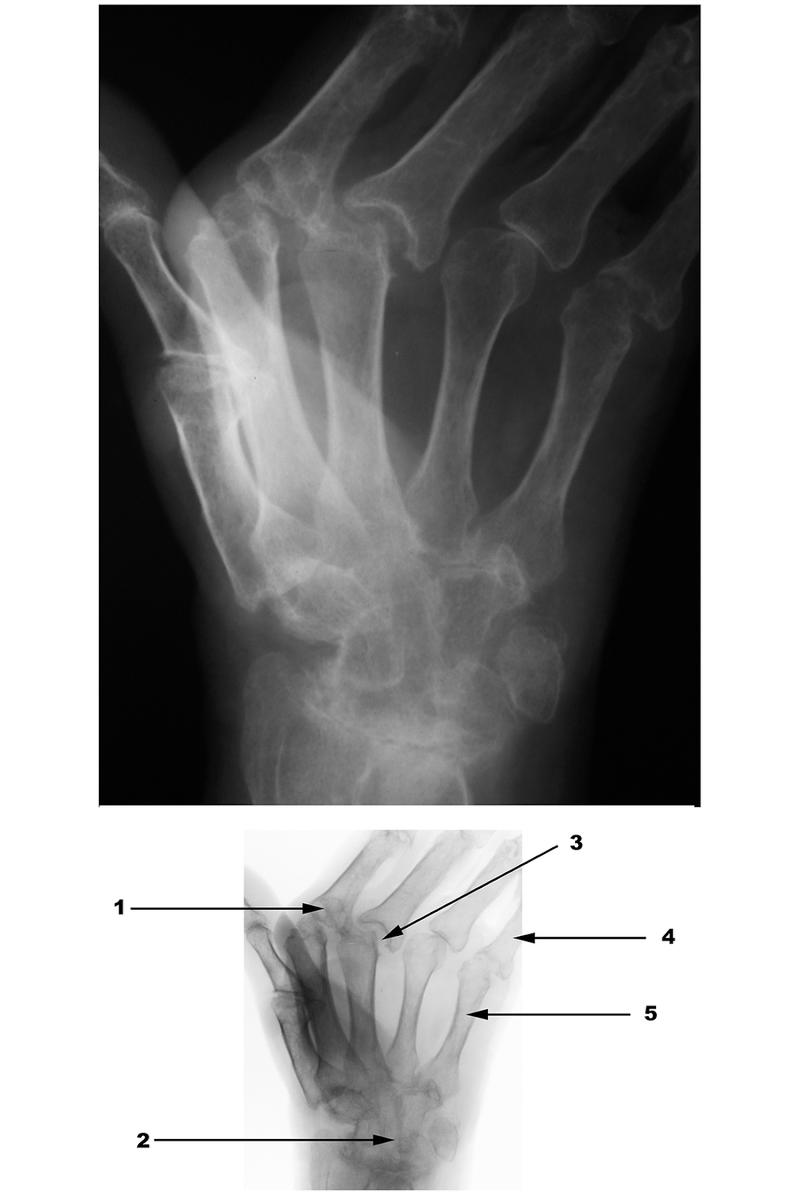
Figure 18
AP view of the hand demonstrates abnormalities of advanced rheumatoid arthritis characterized by obliteration of articular space at the metacarpophalangeal (MCP), carpometacarpal, midcarpal, and radiocarpal joints. Large osseous erosions and osseous defects are predominant at the MCP joints. Ulnar deviation and flexion at the MCP joints is seen. The thumb also is subluxated. Widespread abnormalities of rheumatoid arthritis assuming pancompartmental distribution are apparent in the wrist. Changes in the distal ulna include bony resorption and sclerosis. 1 = Subchondral cysts, 2 = Carpal arthritis and osteopenia, 3 = Subluxated MCP joint, 4 = Proximal phalanx, 5 = Metacarpal bone.
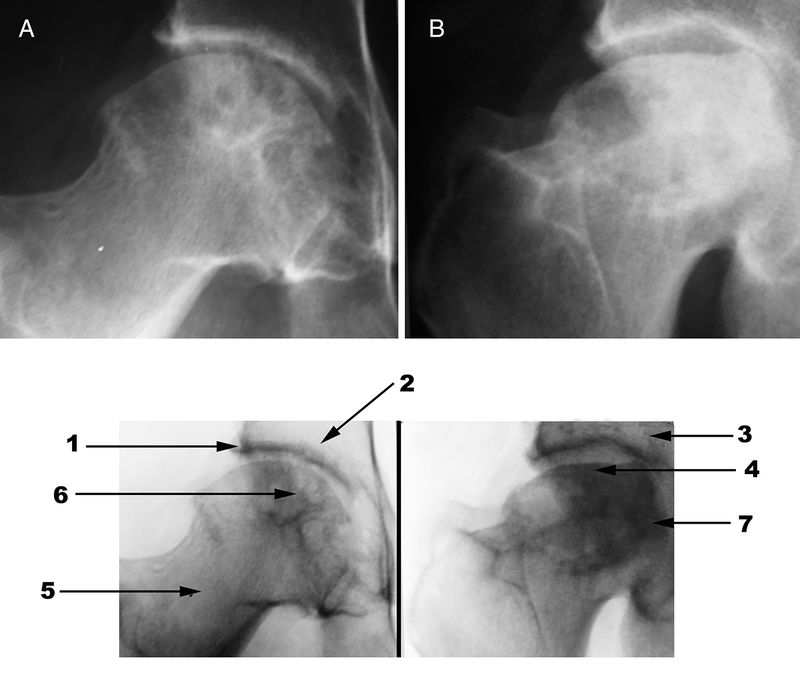
Figure 19A, AP view of the hip shows changes of osteonecrosis that consist of cystic lucent areas and patchy sclerosis. No collapse of the articular surface is seen. The changes of osteoarthritis are apparent as well and include symmetric loss of joint space, osteophytosis in the femoral head and acetabular region, and sclerosis in the acetabular rim. B, In a different patient with more advanced disease, significant collapse of the superolateral aspect of the femoral head is seen. The joint space is not yet narrowed. 1 = Osteophyte, 2 = Sclerosis (acetabulum), 3 = Acetabulum, 4 = Collapse of femoral head, 5 = Femoral neck, 6 = Cyst in femoral head, 7 = Sclerosis (femoral head).
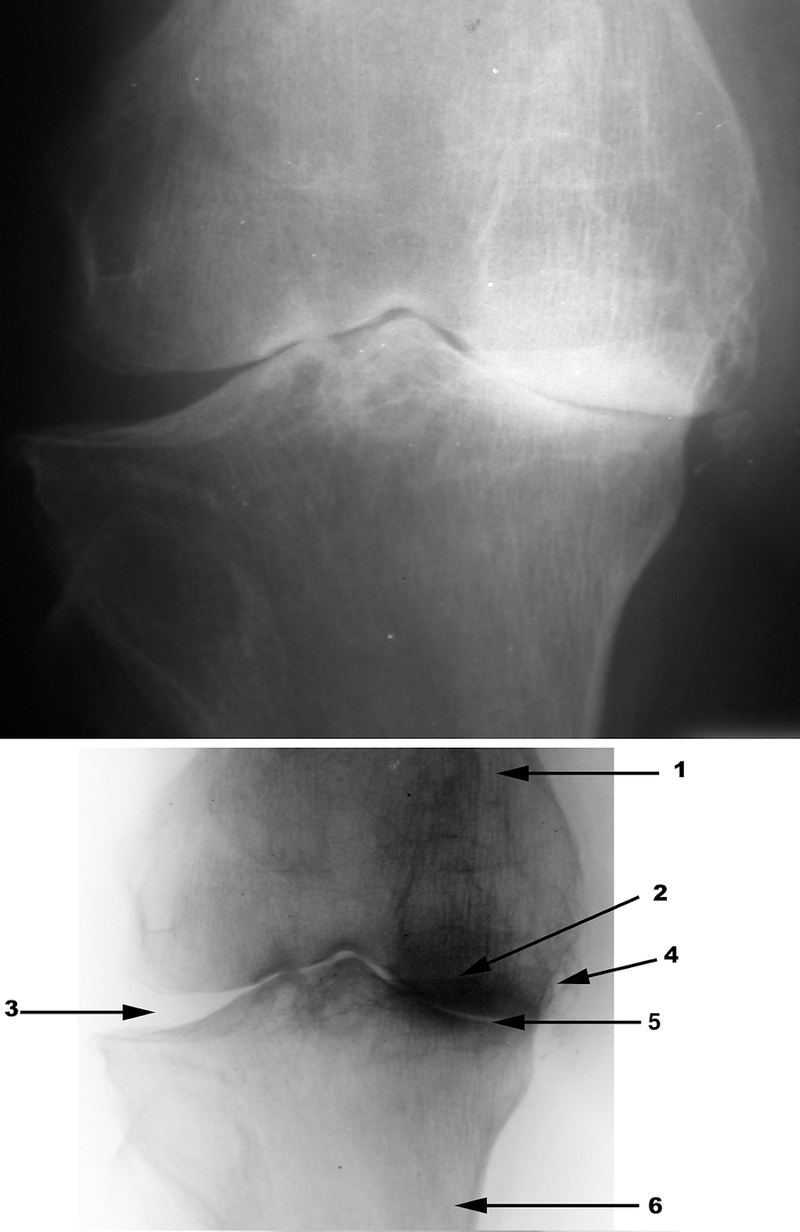
Figure 20 AP view of the knee reveals obliteration of joint space in the medial compartment. Additional findings of osteoarthritis include bone sclerosis and osteophytosis. The fourth cardinal sign of osteoarthritis, subchondral cyst formation, is not seen well on this radiograph. 1 = Femur, 2 = Subchondral sclerosis, 3 = Lateral joint space widening, 4 = Osteophytes, 5 = Medial joint space narrowing, 6 = Tibia.
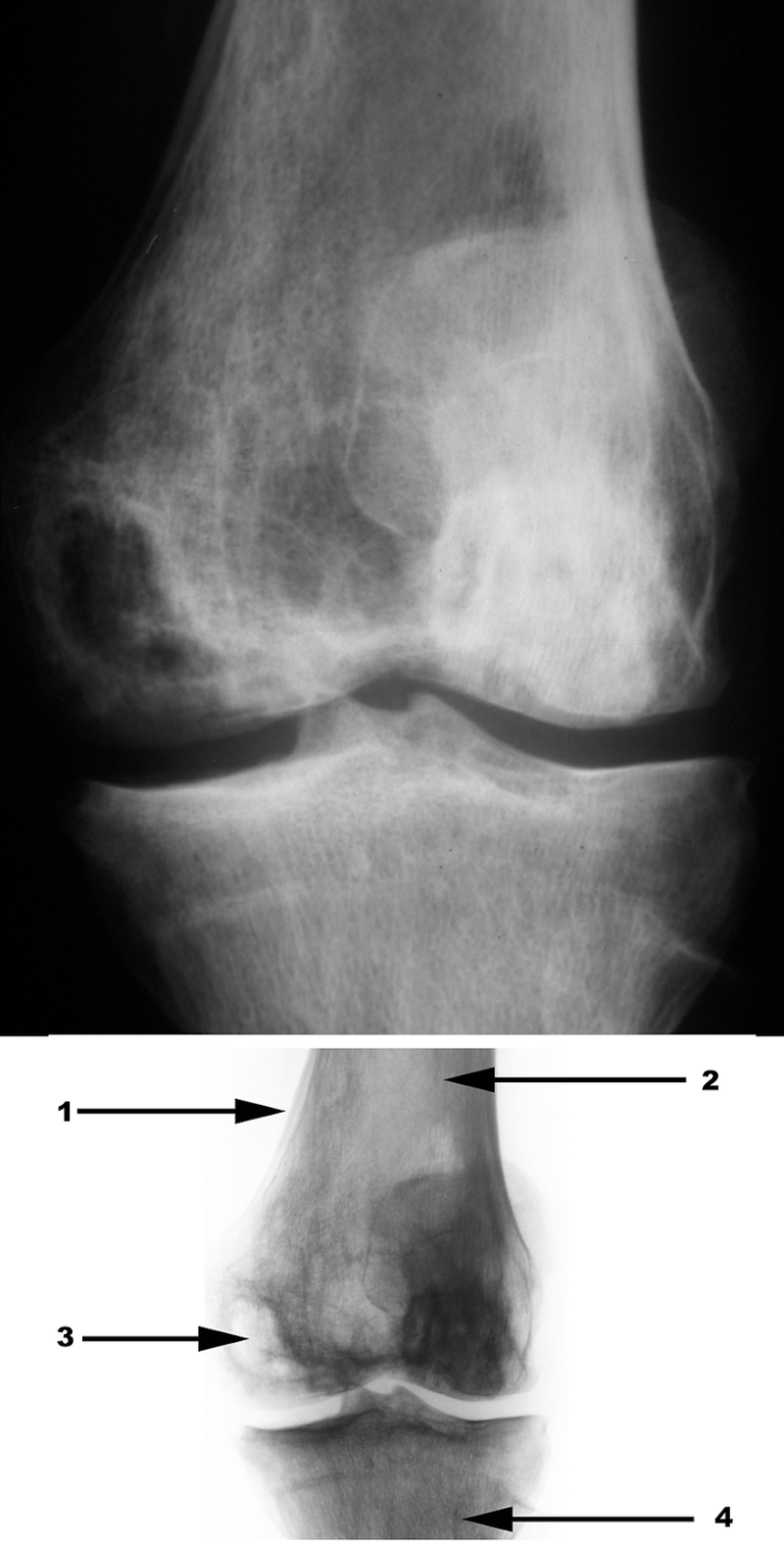
Figure 21
AP view of the knee in a patient with chronic osteomyelitis shows a Brodie’s abscess of the medial femoral condyle. A metaphyseal, well-defined radiolucent lesion surrounded by a sclerotic margin with periosteal reaction is seen. 1 = Periosteal reaction, 2 = Femur, 3 = Abscess, 4 = Tibia.
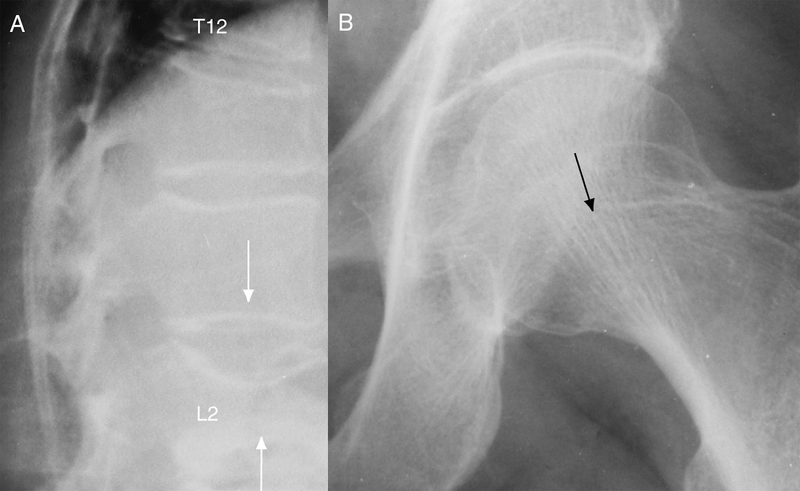
Figure 22A, A wedge-shaped deformity associated with collapse of the anterior aspect of the vertebral body is seen in the T12 vertebra. 1 = Collapsed vertebral body, 2 = Comparatively normal vertebral body. B, AP view of the hip shows osteopenia of the femoral head and neck. The principal compressive trabecular group appears accentuated because all others are lost. 1 = Acetabulum, 2 = Femoral head, 3 = Compressive trabecular group.
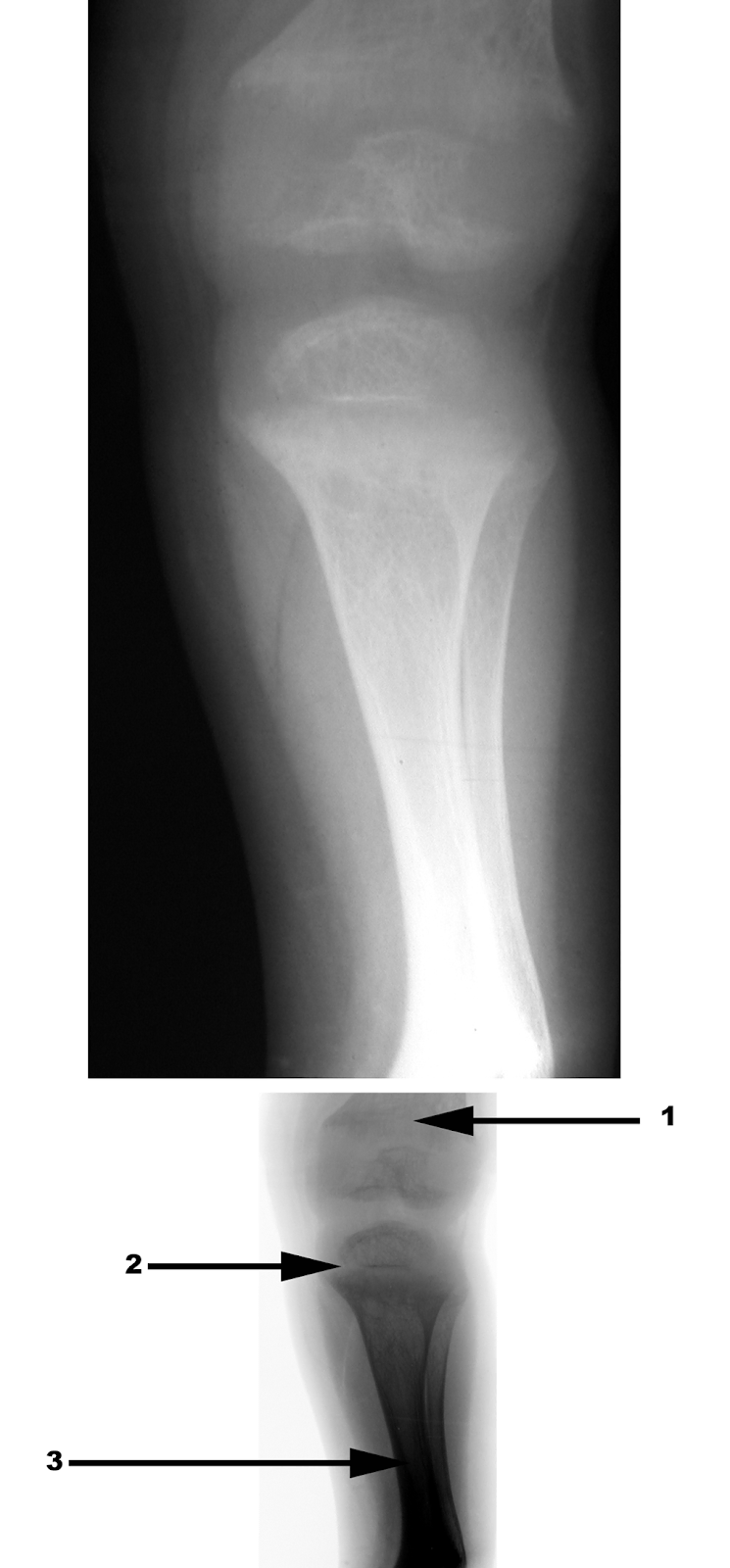
Figure 23
AP view displays bowing deformity in the lower extremity as a result of rickets. Additional findings include widening and cupping of the metaphyses, widening of growth plates, and osteopenia.1 = Femoral physis, 2 = Abnormal tibial growth plate, 3 = Bowed tibia.
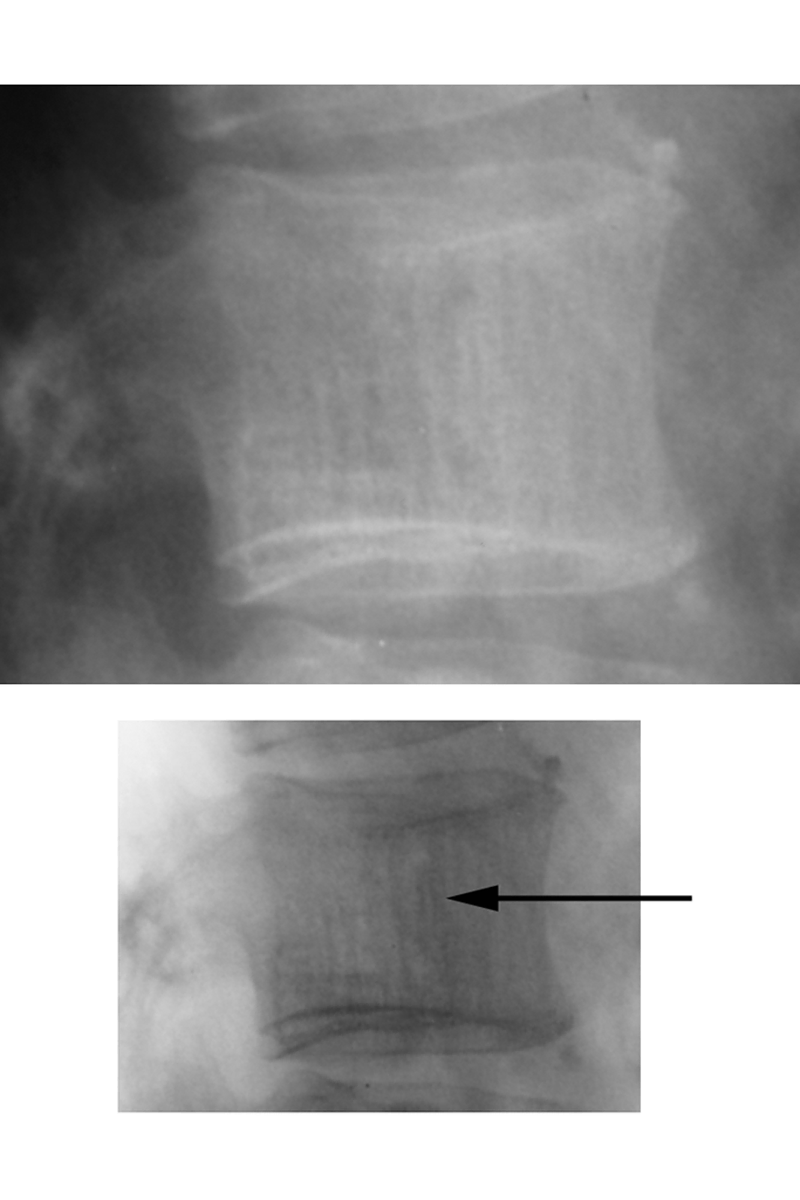
Figure 24
Lateral view shows osteopenia of the second lumbar vertebral body and the coarse trabecular pattern (arrow) characteristic of hemangioma.
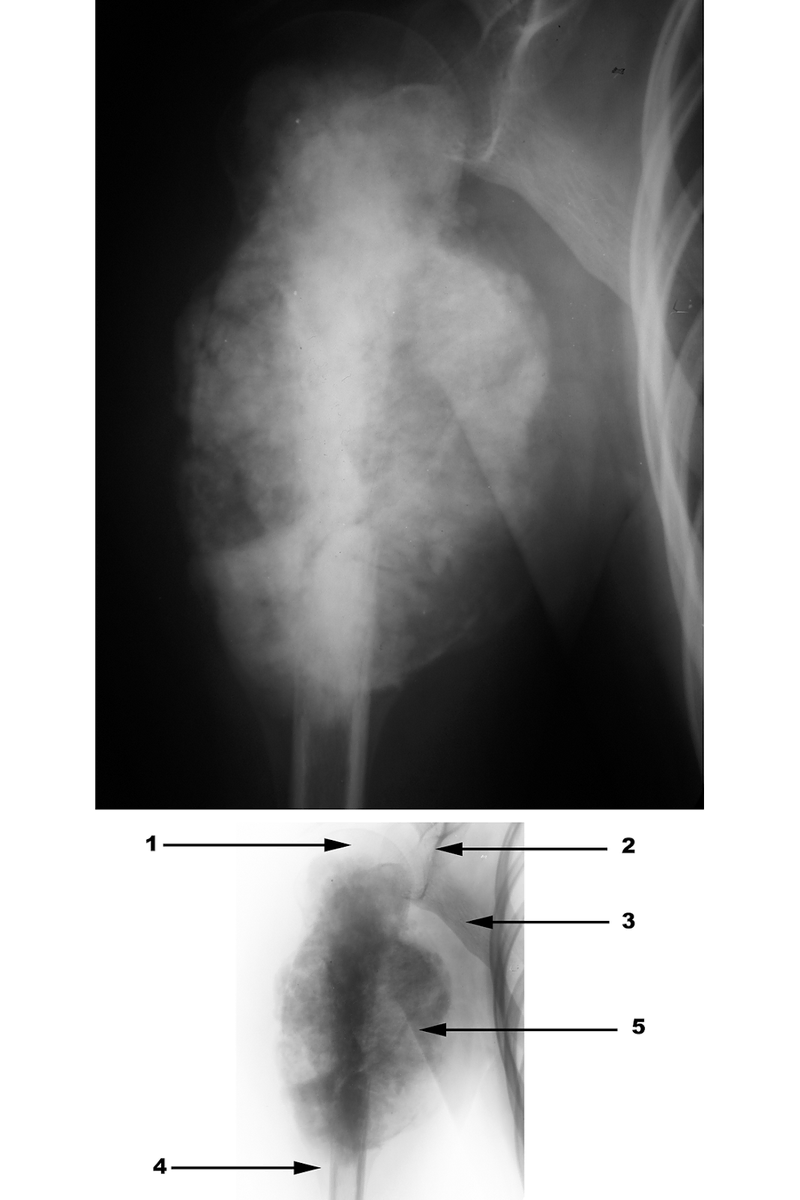
Figure 25
Osteosarcoma. AP view shows a large, mixed osteolytic and osteosclerotic lesion involving the proximal metaphysis and diaphysis of the humerus. 1 = Humeral head, 2 = Glenoid, 3 = Scapula, 4 = Periosteal reaction, 5 = Mass.
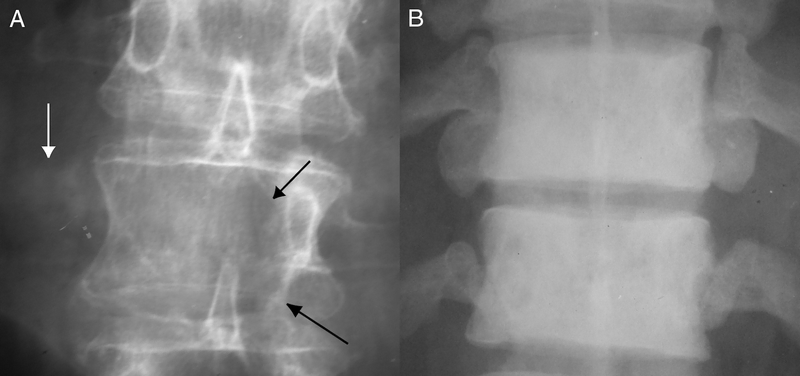
Figure 26A, AP view reveals osteolytic lesion involving the pedicle, transverse process, lamina, and inferior articulating processes of L2. 1 = Right pedicle, 2 = Left pedicle, 3 = Absent right pedicle, 4 = Left pedicle, 5 = Vertebral body.
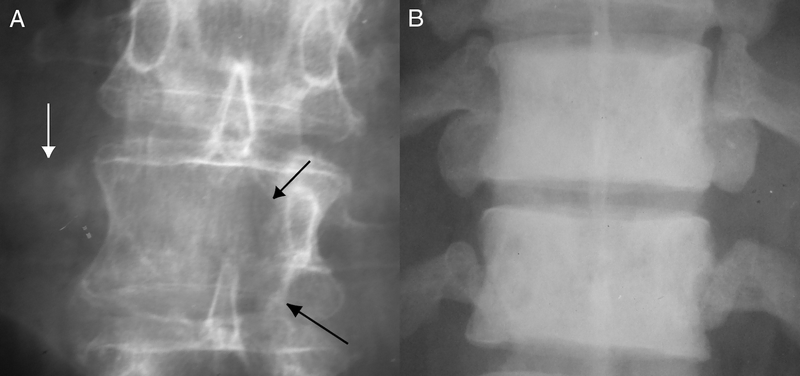
Figure 26B, AP view shows uniformly increased radiodensity (arrows) of T10 and T11 related to metastases from carcinoma of the prostate. This appearance is known as the “ivory vertebral body.”
References
1. Parker DL: X-ray: X-ray attenuation: X-ray contrast: X-ray image: X-ray interaction with matter, in von Schulthess GK, Smith HJ (eds): The Encyclopaedia of Medical Imaging Vol. I: Physics, Techniques and Procedures. Oslo, Norway, the NICER Institute, 1998;pp 454-459.
2. Meschan I: Fundamental background for radiologic anatomy, in Meschan I (ed): An Atlas of Anatomy Basic to Radiology. Philadelphia, PA, WB Saunders, 1975;pp 1-23.
3. Kiuru A: Radiographic contrast, in von Schulthess GK, Smith HJ (eds): The Encyclopaedia of Medical Imaging Vol. I: Physics, Techniques and Procedures. Oslo, Norway, the NICER Institute, 1998;p 394.
4. Resnick D, Niwayama G: Osteomyelitis, septic arthritis, and soft tissue infection: Mechanisms and situations, in Resnick D (ed): Diagnosis of Bone and Joint Disorders, ed 3. Philadelphia, PA, WB Saunders, 1995;vol 4:pp 2325-2418.
5. Theodorou DJ, Theodorou SJ, Kakitsubata Y, Sartoris DJ, Resnick D: Imaging characteristics and epidemiologic features of atypical mycobacterial infections involving the musculoskeletal system. AJR Am J Roentgenol 2001;176:341-349.
6. Resnick D, Niwayama G: Osteomyelitis, septic arthritis, and soft tissue infection: Organisms, in Resnick D (ed): Diagnosis of Bone and Joint Disorders, ed 3. Philadelphia, PA, WB Saunders, 1995;vol 4:pp 2448-2558.
7. Larcos G, Brown ML, Sutton RT: Diagnosis of osteomyelitis of the foot in diabetic patients: Value of 111In-leukocyte scintigraphy. AJR Am J Roentgenol 1991;157:527-531.
8. Tehranzadeh J, Wang F, Mesqarzadeh M: Magnetic resonance imaging of osteomyelitis. Crit Rev Diagn Imaging 1992;33:495-534.
9. Sartoris DJ, Resnick D: Plain film radiography: Routine techniques, in Resnick D (ed) Bone and Joint Imaging: ed 2. Philadelphia, PA, WB Saunders, 1996;pp 19-41.
10. Weissman B: General principles, in Weissman BN, Sledge CB (eds): Orthopedic Radiology. Philadelphia, PA, WB Saunders, 1986;pp 1-69.
11. Lestini WF, Wiesel SW: The pathogenesis of cervical spondylosis. Clin Orthop 1989;239:69-93.
12. Resnick D: Degenerative disease of extraspinal locations, in Resnick D (ed): Bone and Joint Imaging, ed 2. Philadelphia, PA, WB Saunders, 1996;pp 321-354.
13. Resnick D, Niwayama G: Rheumatoid arthritis, in Resnick D (ed): Diagnosis of Bone and Joint Disorders, ed 3. Philadelphia, PA, WB Saunders, 1995;vol 2:pp 866-970.
14. Alenfeld FE, Diessel E, Brezger M, Sieper J, Felsenberg D, Braun J: Detailed analyses of periarticular osteoporosis in rheumatoid arthritis. Osteoporos Int 2000;11:400-407.
15. Winalski CS, Palmer WE, Rosenthal DI, Weissman BN: Magnetic resonance imaging of rheumatoid arthritis. Radiol Clin North Am 1996;34:243-258.
16. Sharp JT, Gardner JC, Bennett EM: Computer-based methods for measuring joint space and estimating erosion volume in the finger and wrist joints of patients with rheumatoid arthritis. Arthritis Rheum 2000;43:1378-1386.
17. van der Heijde D, Boers M, Lassere M: Methodological issues in radiographic scoring methods in rheumatoid arthritis. J Rheumatol 1999;26:726-730.
18. Theodorou DJ, Theodorou SJ, Resnick D: Imaging of rheumatoid arthritis, in Hochberg M, Silman A, Smolen J, Weinblatt M, Weisman M (eds): Rheumatology, ed 3. London, England, Harcourt, 2003;pp 51-60.
19. Rosen A, Weiland AJ: Rheumatoid arthritis of the wrist and hand. Rheum Dis Clin North Am 1998;24:101-128.
20. Ohzono K, Saito M, Takaoka K, et al: Natural history of nontraumatic avascular necrosis of the femoral head. J Bone Joint Surg Br 1991;73:68-72.
21. Taktori Y, Kokubo T, Ninomiya S, Nakamura S, Morimoto S, Kusaba I: Avascular necrosis of the femoral head: Natural history and magnetic resonance imaging. J Bone Joint Surg Br 1993;75:217-221.
22. Koo KH, Kim R, Ko GH, Song HR, Jeong ST, Cho SH: Preventing collapse in early osteonecrosis of the femoral head: A randomised clinical trial of core decompression. J Bone Joint Surg Br 1995;77:870-874.
23. Resnick D, Niwayama G: Osteonecrosis: Diagnostic techniques, specific situations, and complications, in Resnick D (ed): Diagnosis of Bone and Joint Disorders, ed 3. Philadelphia, PA, WB Saunders, 1995;vol 5:pp 3495-3558.
24. Barrett JP Jr, Rashkoff E, Sirna EC, Wilson A: Correlation of roentgenographic patterns and clinical manifestations of symptomatic idiopathic osteoarthritis of the knee. Clin Orthop 1990;253:179-183.
25. Finsen V, Anda S: Accuracy of visually estimated bone mineralization in routine radiographs of the lower extremity. Skeletal Radiol 1988;17:270-275.
