

The successful management of musculoskeletal injuries begins with an initial evaluation and ends with the return to normal activities. For many injuries, there are several important steps along the way to achieving a positive outcome. The goals of management include: (1) protecting damaged tissues, (2) controlling swelling,(3) reducing pain, and (4) limiting loss of function. Meeting these initial goals can be facilitated using a combination of protection, rest, ice, compression, and elevation, better known as the RICE method.
The healing process will be delayed if the injured structure is not rested initially. Rest or restricted activityfollowing injury is very important if the healing process is to begin in a timely fashion. The duration of rest depends on the severity of the injury and the amount of tissue damage; in most cases, at least 48 hours is needed before rehabilitation is begun. Protecting the injured area using a splint, crutches, or sling or by taping or wrapping also should be considered during this period of rest.
Types of Nonsurgical Therapy
Cryotherapy
Cryotherapy, the therapeutic use of cold, should be the initial treatment of choice for musculoskeletal injuries because it minimizes secondary cell death from hypoxia. It also reduces pain.1 Cooling of tissues decreases metabolic activity, thereby reducing oxygen demand and allowing injured cells in the area to survive. Pain relief is most likely the result of slowed nerve conduction velocity and reduction of the reflex muscle spasm. Following musculoskeletal injury, the application of ice is most effective at 20- to 30-minute intervals three to four times within the first several hours of injury, followed by at least three applications daily thereafter. Cold can be applied in many ways, including wrapping a bag of crushed ice to the injury site, massaging the area with an ice cup, or submerging the body part into a cold whirlpool. Cryotherapy should continue until the signs and symptoms of inflammation have disappeared or no further benefits of applying cold are evident.
Compression and Elevation
Compression and elevation are arguably more helpful in reducing initial swelling than is applying ice. Compression reduces swelling by mechanically reducing the amount of space available for fluid to accumulate.1-3 The best compression technique involves applying an elastic bandage directly over the injury. The bandage should be wrapped in a distal to proximal direction, with pressure greatest at the most distal point and gradually decreasing as it moves proximally (Fig. 1
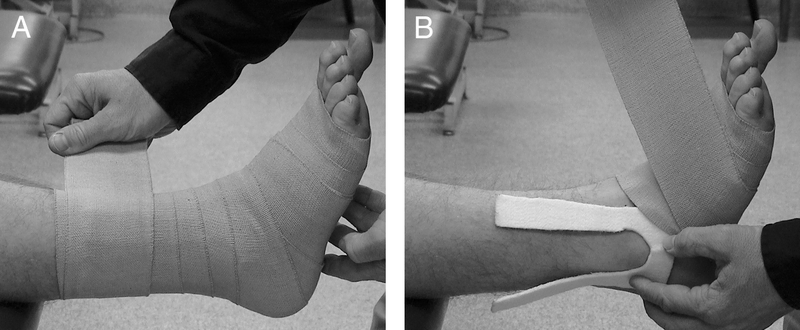
Figure 1A, Elastic wrap using graduated compression from distal to proximal. B, Elastic wrap using a felt horseshoe for focal compression.
). In some regions, especially around bony structures such as the ankle, horseshoes and donuts made with felt padding can increase the effectiveness of external compression. Elevating the injured body part will eliminate the effects of gravity and assist in returning the body’s fluids back to the central circulatory system. When combined, compression and elevation decrease the intravascular hydrostatic pressure and increase the extravascular hydrostatic pressure, thus promoting lymphatic drainage.1
Thermotherapy
Other therapeutic modalities, such as superficial heating, ultrasound, and electrical stimulation are also effective tools that can be used in the rehabilitation process. Thermotherapy, whether using a hydroculator pack or warm whirlpool, is a universal treatment for pain and discomfort. Externally applied heat penetrates to a tissue depth of approximately 2 cm.2 However, heat must not be introduced too soon after injury, as it increases capillary blood pressure and cellular permeability, which can result in additional swelling and edema.2 Heat modalities should not be introduced until signs and symptoms associated with the inflammatory phase have resolved. The following questions should be asked to help determine when to move from cryotherapy to thermotherapy: (1) Is the swelling controlled? (2) Is range of motion limited by stiffness rather than swelling?(3) Is skin temperature normal? (4) Has progress with cold treatments reached a plateau?
The primary goals of thermotherapy include increasing blood flow and muscle temperature to stimulate analgesia; stimulating cellular metabolism to increase the elasticity of muscle, tendon, and ligamentous tissue; increasing nutrition to the cellular level; and increasing lymphatic drainage for the removal of metabolites and other products of the inflammatory process.2
Therapeutic Ultrasound
Therapeutic ultrasound, which delivers inaudible, high-frequency acoustic vibrations to a tissue depth of up to 5 cm, is classified as a deep-heating modality.4,5The clinical effects of ultrasound are similar to those of superficial heating modalities; however, ultrasound can be used for either thermal or nonthermal therapy. Thermal effects include increasing collagen extensibility and blood flow, while decreasing pain, muscle spasm, and joint stiffness. Nonthermal effects of ultrasound include increasing interstitial fluid flow around an area (cavitation) and altering the permeability of cell membranes to sodium and calcium ions (microstreaming), both of which can help during the healing process. Ultrasound is especially effective in muscle tissue because of muscle’s high concentration of protein, which allows for an increased absorption rate. Thus, ultrasound is very effective in the treatment of strains and contusions (Fig. 2
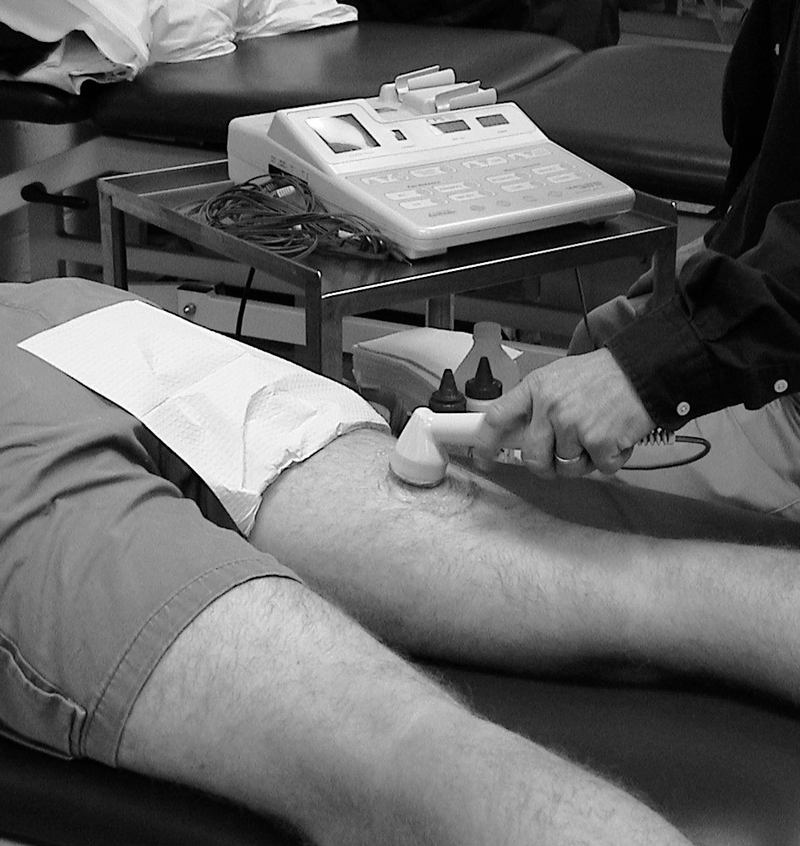
Figure 2Phonophoresis
). Phonophoresis is the transdermal introduction of a topically applied medication, usually either an anti-inflammatory or analgesic, into soft tissue using the ultrasound’s acoustic waves. Although ultrasound can be used for many purposes, it is used most often to enhance soft-tissue healing, to release scar tissue and joint contractures, and to reduce chronic inflammation.
Electrical Stimulation
Electrical stimulation is one of the most frequently used treatment modalities for musculoskeletal injuries because the electrical current passing through tissue can trigger physiologic, chemical, or thermal effects. The type and extent of the response to electrical stimulation depend on the type of tissue and its physiologic response characteristics and the parameters of the electrical current applied. The parameters of electrical stimulation include waveform, current intensity, current duration, current frequency, and polarity. Perhaps the most common indication for electrical stimulation is pain modulation, whereby the sensory nerves are stimulated to alter a patient’s perception of a painful stimulus.
Various types of stimulators and electrode configurations are available for administering electrical stimulation. Standard units offer a variety of waveforms and treatment combinations, including an electrical stimulation and ultrasound treatment option (Fig. 3
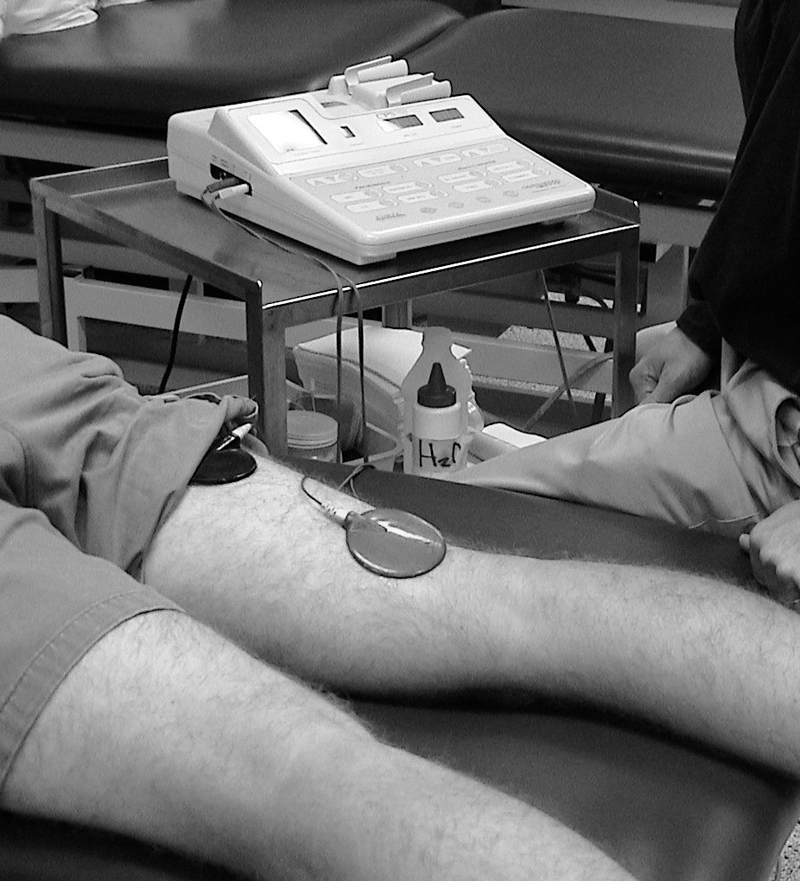
Figure 3Portable transcutaneous electrical nerve stimulation (TENS) unit
). Another commonly used treatment option is a portable transcutaneous electrical nerve stimulation (TENS) unit (Fig. 4
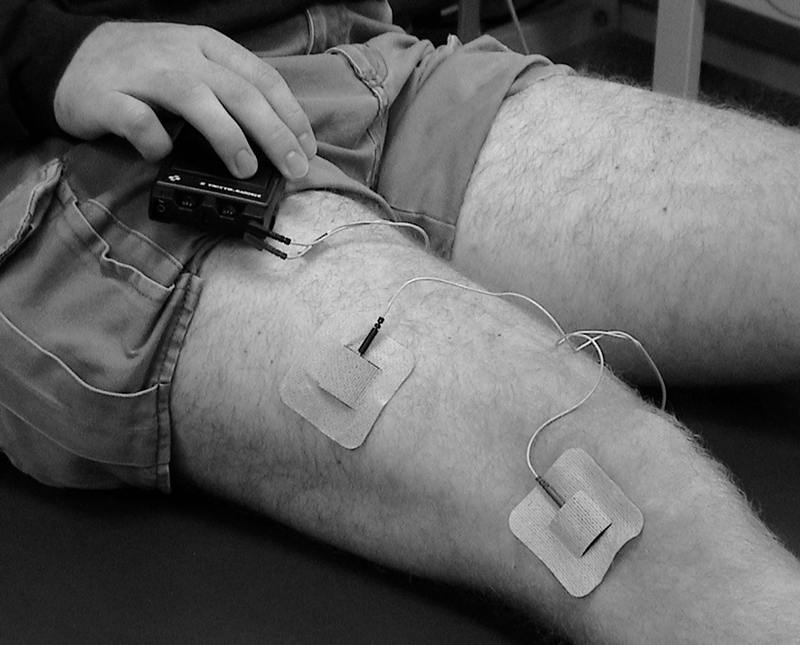
Figure 4Portable transcutaneous electrical nerve stimulation (TENS) unit
), which is useful for home treatments because patients can easily be trained in its use. Various pain modulation techniques can be administered using these units, and in some instances, patients can exercise while using them.
Joint Mobilization
Joint mobilization is a manually administered treatment modality that is useful for improving flexibility and decreasing pain. Other goals of joint mobilization include decreasing muscle guarding, stretching or lengthening tissue surrounding a joint (especially capsular and ligamentous tissue), stimulating reflexogenic effects that can inhibit or facilitate the stretch reflex, and improving proprioceptive awareness about a joint. Appropriately administered joint mobilization requires a clinician with an understanding of joint anatomy and the types of movement that govern the motion of each joint. Joint movement is categorized by physiologic motion and accessory motion. Physiologic motion refers to traditional cardinal plane movement as a result of contracting muscles, whereas accessory motion refers to the manner in which one articulating joint surface moves relative to another. Accessory motions are also known as joint arthrokinematics, which include spin, roll, and glide.3
In a contracted joint, there is an abnormal point of limitation. This point is short of the anatomic limit because of pain, spasm, or tissue resistance. In such instances, joint mobilization can improve accessory movement, but the clinician using this type of therapy must have a clear understanding of the convex/concave rules for joint mobilization. In the case of shoulder capsulitis, the convex surface of the humeral head can be oscillated with gentle pushing and pulling in an inferior direction on the concave surface of the glenoid fossa (Fig. 5
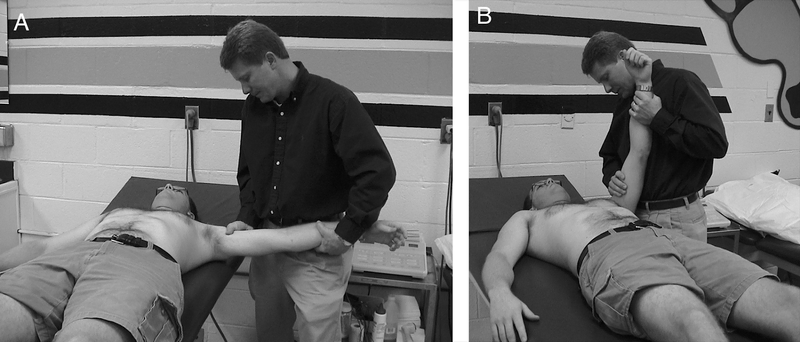
Figure 5 Inferior glide of the humerus in the frontal plane (A) and the sagittal plane (B).
). This movement will improve shoulder abduction when performed in the coronal plane and will improve shoulder flexion when performed in the sagittal plane. Joints that are hypomobile and have restricted movement should be treated three to four times per week, with motion exercises performed at home on the other days. Typical mobilization of a joint may involve a series of three to six sets of oscillations lasting between 20 and 60 seconds each, with one to three oscillations per second.3 Mobilizations can be performed on any joint with range-of-motion restrictions in the subacute and chronic injury phases. However, the clinician must avoid aggressive movement of joints that still show signs of increased pain and/or inflammation following the initial treatments.
Bracing, Taping, and Orthotics
Bracing
With ligamentous injuries to the knee, full or partial immobilization of the joint following the injury or subsequent surgery is often required. A knee immobilizer, which locks the knee in 0° extension, should be applied initially, followed by a rehabilitative or functional knee brace that can be set to various ranges of motion (Fig. 6
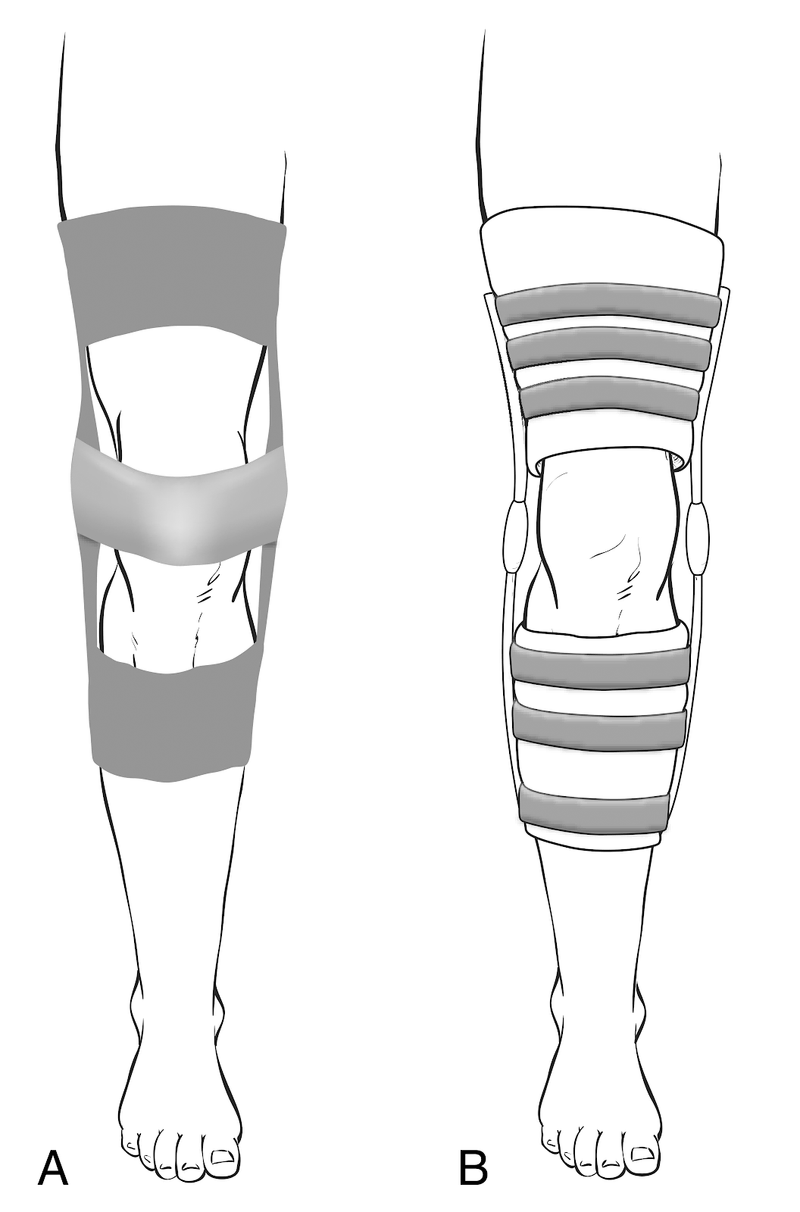
Figure 6A, Knee immobilizer. B, Rehabilitative hinged knee brace.
(Adapted from France EP, Paulos LE: Knee bracing. J Am Acad Orthop Surg 1994;2:281-287.)
). When range of motion is tightly restricted, crutches are necessary for ambulation. As pain subsides and range of motion improves, the rehabilitative brace is most effective for allowing joint movement within a safe range of motion, thereby limiting the potential for disuse atrophy while protecting the joint from further injury. These braces are important for rehabilitating the joint while progressing to strengthening exercises. Although not as popular as those used to treat lower extremity injuries, immobilizers and rehabilitative braces are also available for the treatment of elbow and wrist injuries.
Taping
Protective taping and wrapping can be effective for increasing stability, especially if the patient intends to be physically active. The purpose of taping a joint is to limit excessive motion. Taping should be done as an adjunct to other therapeutic modalities and rehabilitation strengthening techniques. Relying on protective taping alone may lead to inherent muscle and ligament weakness. Ankle taping is commonly used, but ankle bracing is becoming more popular because of logistical and cost considerations.
Orthotics
Orthotic devices can be used to correct certain lower extremity malalignments, such as pes planus, pes cavus, or hypermobility at the subtalar joint.3 Secondary injuries resulting from these malalignments, including stress fracture, tibial stress reaction, plantar fasciitis, and patellofemoral pain, can often be successfully managed using orthotics because small modifications in the subtalar joint position can affect the stresses placed at the ankle, knee, hip, lumbar spine, or any of various points along the kinetic chain. Orthotic devices are available as pads or felt supports (soft and flexible, semirigid, or rigid) and may be either custom-molded or premolded.3 Because many different materials and methods are used to fabricate orthotic devices, clinicians should thoroughly investigate which style and brand is best for each patient.
Functional Progression in Rehabilitation
Range of Motion
Range of motion is defined as the amount of movement available at a joint. After an injury, loss of range of motion may occur as a result of contracture of connective tissue or resistance of the musculotendinous unit to stretch. The amount of range of motion available at an injured joint often determines how well the patient can move the joint following an injury. If the injured body part cannot move through the normal range of motion, then use of the injured part will be limited, resulting in alterations in movement strategies (eg, altered gait). Reestablishing complete, pain-free range of motion is crucial in the functional progression of injury rehabilitation.6 The clinical evaluation of range of motion can be conducted objectively by assessing muscle tension. Postoperatively, a goniometer is often used to measure the precise amount of joint motion that can be obtained by a patient both actively and passively. To track progress in the rehabilitation plan, the amount of motion available at a joint should be assessed during the early, intermediate, and late stages of injury.
Injury prevention and rehabilitation is dependent on the ability of a joint to complete a nonrestricted, pain-free motion while a person performs an intended movement.6,7 Therefore, aggressive rehabilitation must be deferred until motion is normal. Certain physical activities require increased levels of flexibility to achieve desired motion patterns. Flexibility or range-of-motion exercises can be active, active-assistive, or passive. Active range-of-motion exercises are those in which the patient moves a joint through a range of motion via muscle contraction. Active-assistive range-of-motion exercises are those in which the injured individual performs a muscle contraction to move a joint and the clinician assists the injured individual to move the joint further through the range of motion. Passive range-of-motion exercises are those in which the injured limb is moved through a range of motion by the clinician without any muscle contraction elicited from the injured individual.
Flexibility
Flexibility can be increased using various modalities and training techniques. Stretching techniques include static, ballistic, and proprioceptive neuromuscular facilitation (PNF). Static stretching, used by active individuals before exercising, is the most commonly used method of increasing flexibility. It involves passively stretching a given antagonist muscle by placing it in a maximal position of stretch and holding it there for an extended period. Static stretching is a safe technique for individuals beginning a flexibility routine or during the initial stages of injury rehabilitation. Ballistic stretching, also known as dynamic stretching, consists of repetitive (“bouncing”) contractions of the agonist muscle to stretch the antagonist muscle. An advanced form of flexibility training, ballistic stretching should be used cautiously. It should not be used for rehabilitation because the uncontrolled forces that are created when ballistically stretching a muscle may exceed the extensibility limits of the muscle fiber and cause microtears.6,7
Proprioceptive neuromuscular facilitation (PNF) color> is an advanced stretching technique that incorporates the body’s reflexes to facilitate stretching of the affected body part. A number of different PNF techniques can increase flexibility, including contract-relax, hold-relax, and slow-reversal-hold-relax. All PNF techniques are based on the underlying principle that combinations of alternating isometric or isotonic contractions and relaxations of both agonist and antagonist muscles can increase flexibility. Usually performed with a rehabilitation specialist applying resistance or assistance, PNF can also be done alone with the aid of some external force, such as a wall or doorway.6
Strength
Strength is important in the functional progression of injury rehabilitation.6,8 Restoring strength is based on the overload theory, which holds that if a muscle is forced to work harder than it is accustomed to working, then gradually it will adapt to the imposed demands. Resistive training exercises involve two different types of muscle contractions: concentric or eccentric.8 Concentric exercises are those in which the muscle shortens while contracting against resistance. Eccentric exercises are those in which the muscle lengthens despite resisting a force, as in slowly lowering a weight. For example, during a biceps curl, the concentric phase occurs while flexing the elbow, and the eccentric phase occurs while extending the elbow. Each type of muscle contraction is important in strength training and should be emphasized throughout the rehabilitation process.8
Three basic types of resistance training techniques can be used: isometric, isotonic, and isokinetic. Isometric exercise involves a muscle contraction in which the muscle length remains constant while tension develops within the muscle. Isometric exercise is useful in the early stages of rehabilitation because it activates injured body parts without placing harmful stress by moving a joint throughout a range of motion. Since isometric exercise increases blood pressure and provides beneficial effects only at isolated angles of contraction, it should be used cautiously; however, it should not be avoided entirely during the initial stages of rehabilitation.
Isotonic exercise increases strength by muscle shortening (concentric phase) and lengthening (eccentric phase) throughout the full range of motion using a constant load at a variable speed.7,8 Barbells and most manual-resistance weight machines can provide isotonic exercise.
Isokinetic exercise, performed with the aid of specially designed machines, restricts the amount of force applied against a resistance so that a muscle can be moved only at a fixed speed. In other words, the speed of movement in an isokinetic exercise will remain constant despite the amount of force that is being externally applied. Isokinetic exercise devices are costly, but they can provide objective, quantifiable data for evaluating an injured patient’s rehabilitative progress. Data regarding an individual’s force output, power, work, and endurance throughout a selected range of motion can be obtained for comparison with reciprocal muscle groups or the uninvolved side.
Balance
Musculoskeletal injuries to the lower extremity, such as sprains, result in decreased proprioception. Joint proprioceptors are believed to be damaged during both complete and incomplete rupture of the ligaments because the joint receptor fibers possess less tensile strength than the ligament fibers.9,10 The damage to the joint receptors is believed to diminish the supply of messages from the injured joint up to the brain.10 For instance, when the anterior cruciate ligament (ACL) in the knee is torn or stretched, proprioception from the knee joint is decreased, and a patient’s ability to balance on the ACL-injured leg may be decreased, even following surgical reconstruction of the knee.11-13
Rehabilitation protocols for the lower extremity should emphasize the importance of balance and proprioceptive exercises once the patient has regained range of motion and some degree of overall strength.
A close relationship exists between proprioception and balance. Therefore, many of the exercises proposed for kinesthetic training indirectly enhance balance. A variety of activities can be used to improve balance, but clinicians should ensure that the exercises are safe yet challenging; stress multiple planes of motion; incorporate a multisensory approach; begin with static, bilateral, and stable surfaces and progress to dynamic, unilateral, and unstable surfaces; and progress to more functional exercises.
Balance exercises should be performed in an open area, where the patient will not be injured in the event of a fall. It is best to perform exercises with an assistive device, such as a chair, railing, table, or wall, within reach, especially during the initial phase of rehabilitation. When considering exercise duration for balance exercises, either sets and repetitions or a time-based protocol can be recommended. The patient can perform two to three sets of 15 repetitions and progress to 30 repetitions as tolerated, or perform 10 of the exercises for a 15-second period and progress to 30-second periods later in the program. Figure 7
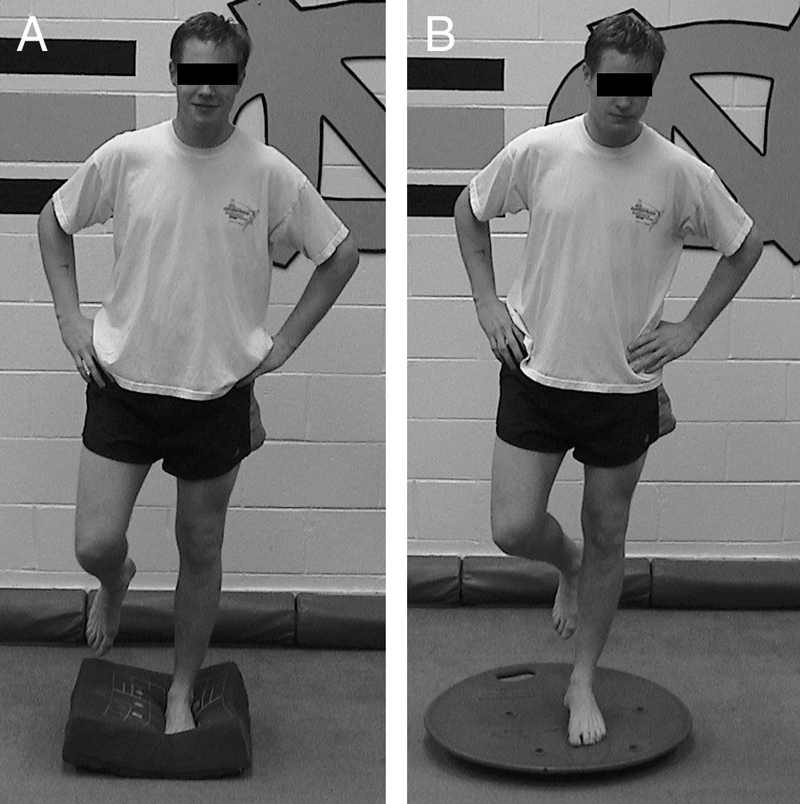
Figure 7 Balance training on medium-density foam (A) and a BAPS board (B).
represents single-leg balance activities performed on foam and a biomedical ankle platform system, or BAPS board.14
Aquatic Therapy
Aquatic therapy is gaining popularity within the musculoskeletal rehabilitation setting because gravitational forces are reduced in water due to the buoyancy of the human body. Thus, patients with lower extremity injuries can resume walking or running while reducing the amount of load placed on the affected body part. Water also provides resistance to movement.15 With an overload program designed to strengthen certain muscles, movements that oppose buoyancy (such as an upward thrust of the legs) will be resisted by the water and help strengthen the affected body part. Safe range-of-motion and strengthening exercises can be achieved by understanding the potential effects of aquatic therapy and can be manipulated according to height of water level, speed of movement, and direction of movement.15 Aquatic therapy can be particularly helpful for obese patients for whom land-based exercise is painful because of overload.
Occupational Therapy
Occupational therapy, as defined by the American Occupational Therapy Association, is the discipline that helps people “regain, develop, and build skills that are essential for independent functioning, health, and well being.” Occupational therapy is particularly useful after injuries to the hand. The details of occupational therapy are beyond the scope of this book but may be found at http://www.aota.org.
Prescription Procedures
A physical therapist first evaluates a patient’s condition by reading the physician’s prescription. It is important, therefore, that each particular diagnosis and condition is clearly written and followed by the words “evaluate and treat.” Although prescriptions often specify the frequency and duration of therapy, the optimal duration is best determined by the patient’s response to therapy and the ongoing communication between the physician and the physical therapist. Physicians can specify particular treatments by listing protocols or procedures for a particular condition. There are also many textbooks with protocols listed for specific conditions.16-18
Key Terms
Ballistic stretching Repetitive, bouncing contractions of an agonist muscle to stretch its antagonist muscle
Concentric exercises Exercises in which the muscle shortens while contracting against resistance
Cryotherapy The therapeutic use of cold
Eccentric exercises Exercises in which the muscle lengthens despite resisting a force, as in slowly lowering a weight
Isokinetic Literally “same speed”; when applied to muscle action, it implies constant velocity of shortening
Isometric Literally “same length”; when applied to muscle action, it implies that the muscle length is held constant
Isotonic When applied to muscle action, it implies that the load is constant
Joint mobilization A manually administered treatment modality in which joints are manipulated to improve flexibility and decrease pain
Phonophoresis The transdermal introduction of a topically applied medication (usually either an anti-inflammatory or analgesic) into soft tissue using ultrasound
Physiologic motion Traditional cardinal plane movement as a result of contracting muscles
Portable transcutaneous electrical nerve stimulation (TENS) unit A portable therapeutic modality that uses electrical stimulation to attempt to modulate pain, strengthen muscles, and enhance soft-tissue healing
Proprioceptive neuromuscular facilitation (PNF) An advanced stretching technique that incorporates the body’s reflexes to facilitate stretching of the affected body part
Range of motion The amount of movement available at a joint
RICE method A method of treatment of acute injury that is used to counteract the body’s initial response to injury; RICE is an acronym for rest, ice, compression, and elevation
Static stretching The passive stretching of a given antagonist muscle by placing it in a position of maximal stretch and holding it there for an extended period
Therapeutic ultrasound The therapeutic use of mechanical radiant energy
Thermotherapy The therapeutic use of heat
References
1. Knight KL: (ed): Cryotherapy in Sport Injury Management. Champaign, IL, Human Kinetics, 1995.
2. Bell GW, Prentice WE: Chapter 9: Infrared modalities: Therapeutic heat and cold, in Prentice WE (ed), Therapeutic Modalities in Sports Medicine, ed 4. Boston, MA, WCB/McGraw-Hill, 1999; pp 173-206.
3. Prentice WE: Principles of rehabilitation, in, Almekinders LC (ed): Soft Tissue Injuries in Sports Medicine. Cambridge, MA, Blackwell Science, 1996; pp 62-106.
4. Castel C, Draper D, Castel D: Rate of temperature increase during ultrasound treatments: Are traditional times long enough? J Athletic Training 1994;29:156-161.
5. Draper DO, Castel JC, Castel D: Rate of temperature increase in human muscle during 1 MHz and 3 MHz continuous ultrasound. J Orthop Sports Phys Ther 1995;22:142-150.
6. Tippett SR, Voight ML: (eds): Functional Progressions for Sport Rehabilitation. Champaign, IL, Human Kinetics, 1995.
7. Clark MA: (ed): Integrated Training for the New Millennium. Thousand Oaks, CA, National Academy of Sports Medicine, 2000.
8. Baechle TR: (ed): Essentials of Strength Training and Conditioning. Champaign, IL, Human Kinetics, 1994.
9. Freeman MA: Instability of the foot after injuries to the lateral ligament of the ankle. J Bone Joint Surg Br 1965;47:669-677.
10. Freeman MA, Dean MR, Hanham IW: The etiology and prevention of functional instability of the foot. J Bone Joint Surg Br 1965;47:678-685.
11. Gauffin H, Tropp H: Altered movement and muscular-activation patterns during the one-legged jump in patients with an old anterior cruciate ligament rupture. Am J Sports Med 1992;20:182-192.
12. Noyes FR, Barber SD, Mangine RE: Abnormal lower limb symmetry determined by function hop tests after anterior cruciate ligament rupture. Am J Sports Med 1991;19:513-518.
13. Barrett DS: Proprioception and function after anterior cruciate reconstruction.J Bone Joint Surg Br 1991;73:833-837.
14. Guskiewicz KM: Regaining balance and postural equilibrium, in Prentice WE (ed): Rehabilitation Techniques in Sports Medicine, ed 3. Boston, MA, WCB/McGraw-Hill, 1999; pp 107-131.
15. Koury JM: (ed): Aquatic Therapy Programming: Guidelines for Orthopedic Rehabilitation. Champaign, IL, Human Kinetics, 1996.
16. Andrews JR, Harrelson GL, Wilk KE: (eds): Physical Rehabilitation of the Injured Athlete, ed 2. Philadelphia, PA, WB Saunders 1998.
17. Brotzman SB: (ed): Clinical Orthopaedic Rehabilitation. St Louis, Mosby-Year Book, 1996.
18. Kisner C, Colby LA: (eds): Therapeutic Exercise: Foundations and Techniques, ed 2. Philadelphia, PA, FA Davis Company, 1990.
Exercise Prescription and Promotion
Prevention
In this era of health care reform, any serious attempt to control costs must include urging people to take more responsibility for their own health and urging health care professionals to focus on prevention. In the United States, only a scant amount of health care spending goes toward prevention services. This may have been appropriate at the turn of the century, when people lived only into their 40s and tuberculosis, pneumonia, and gastrointestinal infections were essentially resistant to treatment. However, health care has changed considerably since then. More years have been added to the average life expectancy in the past century than in the preceding 5,000 years. On average, people in the United States now live to age 76 years (mid-80s in Japan), and the current major causes of death, heart disease, cancer, and stroke, all have strong links to lifestyle.
To underscore the importance of prevention, the US Public Health Service published Healthy People 2000, which listed 300 objectives for our nation’s health for the year 2000, with a strong emphasis on prevention.1 In this manual for our nation’s health, exercise promotion was listed as a cornerstone of a comprehensive health promotion and disease prevention effort. The newest national objectives, published in Healthy People 2010, continue to emphasize the key role of exercise.2
Physician Involvement
Among the objectives published in Healthy People 2000 and Healthy People 2010 is a directive that physicians and other health care professionals become more involved in the promotion and prescription of exercise. Currently, fewer than 30% of physicians in the United States actually discuss exercise with their patients.3 Two national surveys, the Prevention Index-89 and a study by the President’s Council on Physical Fitness and Sports, were conducted to determine which factors influence people to become involved in regular exercise programs. Survey respondents reported that the most influential factor was their physician’s recommendation for exercise. Therefore, physicians and other health care professionals must assume a leadership role in promoting exercise.
The promotion of exercise as part of health care is not a new concept. Hippocrates, the father of medicine, routinely prescribed exercise for patients with a wide variety of ailments, and scientific data substantiate that Hippocrates was wise to do so. So why don’t physicians prescribe exercise more often?
Exercise as Medicine
Physicians should think of exercise as a medicine. The Dorland’s Illustrated Medical Dictionary, 29th Edition, defines medicine as “any drug or remedy.” Although the relationship between exercise and disease has not been fully defined, data continue to suggest that enormous benefits are derived when exercise is prescribed for health promotion and disease prevention and treatment.
As is the case with certain medications, exercise not only can be used to prevent and treat many diseases, but regular use also results in relatively predictable, specific changes in the human body. These adaptations occur both centrally and peripherally and include structural, hormonal, and biochemical changes. In addition, as is also the case with medications, a dose-response curve should be considered when developing safe, sensible, and effective exercise programs. As ongoing scientific research attempts to define the optimal dose ranges for a variety of exercise-related effects, it is becoming more apparent that the quantity and quality of exercise or activity that is required for certain health-related outcomes may actually differ from what is needed for fitness benefits. Interestingly, exercise has been linked to allergy (eg, exercise-induced urticaria and exercise-induced anaphylaxis) and addiction (eg, exercise addiction and withdrawal), making the “exercise as medicine” concept even stronger.
Exercise Prescription
Once physicians are convinced that exercise plays a significant role in the prevention and treatment of many ailments, the next step is to identify how to most effectively prescribe exercise. How much exercise should be prescribed? How often should patients exercise? What types of exercise should be prescribed?
The ideal prescription should include a specific exercise program for the individual based on his or her goals, health and/or fitness needs, level of physical conditioning, and past or present illness or injuries. The ideal prescription should also specify the frequency, intensity, duration, and type of exercise and include advice for graduated progression. Physicians also need to be prepared to modify exercise programs and routines for individuals with certain ailments.4 This is especially true for those with musculoskeletal conditions such as arthritis, tendinitis, back pain, osteoporosis, and other bone and joint problems that limit the ability to be optimally active.5
The prescription of exercise may seem complicated, but it is actually simple. The key is to individualize the program and identify activities the patient will enjoy and continue for life. For years, the American College of Sports Medicine (ACSM) has provided excellent guidelines regarding exercise prescription.6 Its 1978 position statement on exercise focused on moderate-to-vigorous aerobic exercise as it relates to fitness. In a 1990 update, the ACSM refined its aerobic exercise recommendations and added the development of muscular strength and endurance as a major objective.7 Thus, any balanced fitness program for adults should include aerobic or cardiovascular exercise and resistance or strength training.
More recent scientific data have confirmed that significant health-related benefits can be derived from exercise and activity at levels lower than those recommended for fitness purposes in the ACSM guidelines.8 These benefits, including protection against coronary artery disease, type II diabetes mellitus, hypertension, certain cancers, and osteoporosis, can be achieved with relatively moderate activity programs, such as walking, cycling, or gardening.
Studies comparing three groups of individuals with different activity levels (sedentary, moderate activity, or vigorous activity) have demonstrated reduced mortality rates in the active groups versus the sedentary group.8 Results included lower death rates not only from cardiovascular disease, but also from cancer, stroke, and all other causes of death. The most dramatic improvement was apparent when comparing the sedentary with the moderate activity group. Because of findings such as these, sedentary behavior is now considered a major coronary risk factor that, in terms of its potential damaging effects, is equal to smoking, a high total cholesterol level, and hypertension.3 As a result, a new effort is underway to shift the almost 30% of the US population that is totally sedentary into the moderate activity category. In 1993, the ACSM, in conjunction with the Centers for Disease Control and Prevention and the President’s Council on Physical Fitness and Sports, recommended that every American adult should spend 30 minutes per day or more engaged in moderately intense physical activity over the course of most days of the week. New guidelines from the Institute of Medicine recommend that people exercise for 60 minutes every day to avoid weight gain as they age.
Program Design: Health Protection Versus Fitness
In recommending exercise or activity programs for patients, identifying the lifestyles of individuals as either sedentary or active has practical applications for program design. In addition, the spectrum of activities of each person should be considered on a continuum from sedentary (no activity) to activity to exercise to fitness. If the individual’s lifestyle is sedentary, the major emphasis should be to activate that person. To do so, discussing the new information regarding the benefits of moderate activity should be motivating. People who were once intimidated by vigorous exercise or stopped because of the level of difficulty of high-intensity exercise programs or musculoskeletal ailments can now be easily activated by convincing them that even a minor increase in their activity levels can produce beneficial results.
An individual activity program can prescribe exercise sessions or recommend new daily routines, such as taking the stairs at work, parking farther away in the parking lot, or walking to the store. Individuals are more likely to make these adjustments a regular part of their lives if they are reminded to do so, if family or friends are included in their programs, if they keep activity logs, and if they receive positive support and feedback. If physicians can motivate patients to this level, they have done them a tremendous favor.
The activation phase should be seen as a hook. Once patients are activated, it is not as hard to move patients along the activity continuum into more balanced exercise and fitness programs. In addition to the health benefits, each patient can enjoy the benefits of a stronger, more fit, and more functional body. More comprehensive fitness programs should be prescribed for those who are already involved in exercise programs or, as noted above, those who can be moved further along in the fitness continuum. Every balanced fitness program should include three basic components: cardiovascular or aerobic exercise, resistance or strength training, and flexibility exercise.
Aerobic Exercise
Aerobic exercise strengthens the most important muscle in the body—the heart. In addition to improving cardiac function, the metabolic effects of aerobic exercise increase caloric consumption, which is important in weight control and fat loss. Aerobic exercises include walking, hiking, cycling, running, stair climbing, aerobic dance, and cross-country skiing. For a training effect, aerobic exercise should be performed within a target heart rate range and sustained at that level for at least 20 or 30 minutes, three times per week. To calculate their target heart rate zone, patients should be instructed to first determine their maximum heart rate by subtracting their age from 220; the target heart rate range is 50% to 75% of the maximum heart rate. Gradually increasing the intensity and duration of aerobic exercise will increase the training effect. Perceived exertion scales, such as the Borg Scale of Perceived Exertion, can also be used. These scales allow individuals to accurately determine their degree of cardiovascular effort during exercise based on their perceived subjective work effort.
Strength Training
Exercise for muscular strength and endurance involves the use of resistance exercise to build muscle tone and strength.9 This can be accomplished with free weights or weight machines. Progressively overloading muscle tissue increases strength. This structural response not only affects muscle but also bone and the surrounding ligaments and tendons. Strength training programs should include all major muscle groups of the upper and lower extremities as well as the lower back and abdomen.
Strength training is finally receiving the recognition it has long deserved. Once only used by football players and other select athletes, its indications have significantly broadened.9 Strength training is equally important to men and women. No longer synonymous with body building, it is now considered a method for making muscle and bone stronger. Although the effect of strength training on bone is often overlooked, it strengthens bone tissue and is therefore useful in osteoporosis prevention and treatment. Moreover, age is no barrier. Provided that appropriate precautions are taken, strength training exercise is as safe for children as it is for adults.
The greatest potential benefits of strength training, however, may be for older people. Studies have documented that strength training exercise resulted in improved strength and function even among frail nursing-home residents age 90 years or older.4,10 For aging adults trying to maintain functional independence, this effect is extremely important. Many of the physiologic changes often attributed to aging are, in large part, the result of inactivity rather than aging and are preventable and reversible to some degree. A60-year-old who exercises can have better functional capacity than an inactive 30-year-old. Therefore, exercise may be the closest thing to the fountain of youth that we have.
Additional strength training benefits include injury prevention, especially among athletes, and weight and fat control. Along with aerobic exercise and dietary modifications, strength-training exercises should be an integral part of any weight-control or weight-reduction program.
Flexibility
Stretching improves muscle and joint flexibility, which in turn reduces the likelihood of muscle strain and injury. In addition, stretching helps prevent muscle soreness associated with exercise or activity and helps maintain mobility and function in arthritic joints when used in conjunction with range-of-motion and strengthening exercises. When done following a brief aerobic warm-up, stretching can also improve muscle elasticity.
All of the major muscle groups of the upper and lower extremities should be stretched. Typical adult problem areas include the anterior shoulder, lower back, hamstrings, and calves. Slow, static stretches with no bouncy or ballistic movements should be used, and the stretch should be held for 15 to 20 seconds. When stretching correctly, a slight pulling sensation (not pain) should be felt. Stretches should be repeated several times per exercise session and attempts should be made to gradually improve flexibility with each session. Stretching can safely be done every day.
Before Starting
Certain individuals require medical clearance and/or exercise testing before initiating an exercise program, for which the ACSM has issued excellent guidelines.6 Variables for clinicians to consider include the presence of risk factors or known disease, the intended level of activity, and the age and sex of the individual. Most healthy, previously sedentary people can safely start a moderate activity program, such as walking. For people with musculoskeletal conditions, the American Academy of Orthopaedic Surgeons (http://www.aaos.org) has developed sample exercise programs. This concept of modified exercise programs will become increasingly important with the aging population, especially the baby boomers. Nearly all people, including pregnant women; older people; and people with chronic, degenerative, or handicapping conditions, can benefit from a well-designed, individualized exercise program.
References
1. Healthy People 2000: National Health Promotion and Disease Prevention Objectives, Full Report, With Commentary. Washington, DC, US Department of Health and Human Services, Public Health Service, 1990. DHHS Publication No. (PHS)91-50212.
2. Healthy People 2010: With Understanding and Improving Health and Objectives for Improving Health. Washington, DC, US Government Printing Office, November 2000.
3. Physical Activity and Health: A Report of the Surgeon General. Altanta, GA, US Department of Health and Human Services, Centers for Disease Control and Prevention, National Center for Chronic Disease Prevention and Health Promotion, 1996.
4. DiNubile NA: (ed): The Exercise Prescription. Philadelphia, PA, WB Saunders, 1991.
5. DiNubile NA: The role of exercise in the treatment of osteoarthritis. Am J Sports Med 1999;1:188-200.
6. Kenney WL, Humphrey RH, Bryant CX, et al: (eds): ACSM’s Guidelines for Exercise Testing and Prescription, ed 5. Baltimore, MD, Williams & Wilkins, 1995.
7. American College of Sports Medicine: Position stand: The recommended quantity and quality of exercise for developing and maintaining cardiorespiratory and muscular fitness in healthy adults. Med Sci Sports Exerc 1978;10:vii-x.
8. Blair SN, Kohn WH III, Paffenbarger RS Jr., et al: Physical fitness and all-cause mortality: A prospective study of healthy men and women. JAMA 1989;262:2395-2401.
9. DiNubile NA: Strength training. Clin Sports Med 1991;10:33-62.
10. Fiatarone MA, O’Neill EF, Ryan ND, et al: Exercise training and nutritional supplementation for physical frailty in very elderly people. N Engl J Med 1994;330:1769-1775.
