
Athletic Pubalgia (Sports Hernia): Diagnosis and Surgical Treatment
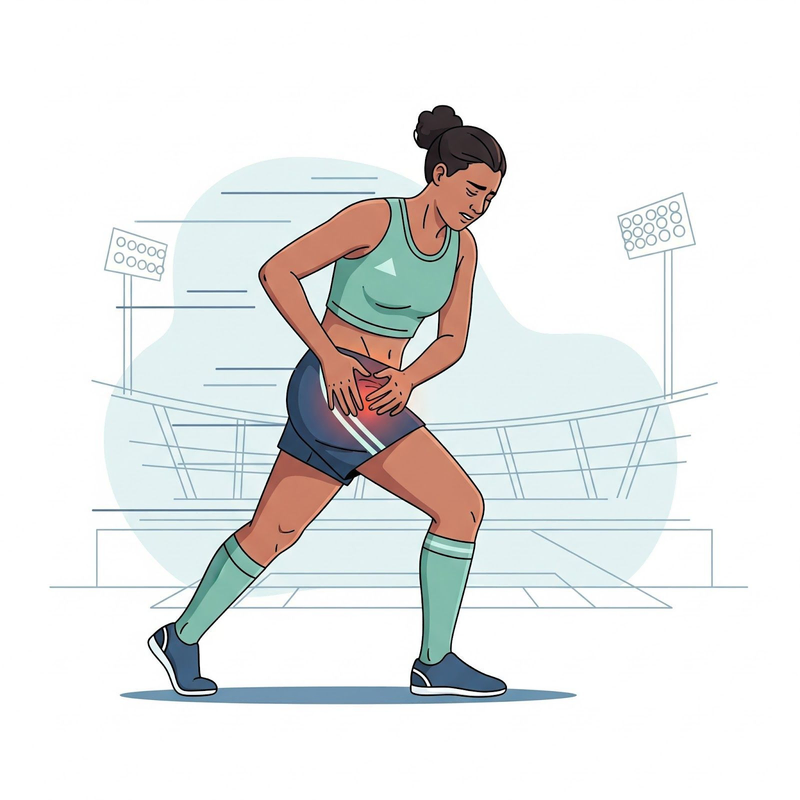
Athletic pubalgia (AP), commonly known as a sports hernia, is a painful soft tissue injury that affects the groin area. While not a true hernia, it involves a strain or tear of the soft tissues (muscles, tendons, or ligaments) in the lower abdomen or groin1. It's crucial to understand that athletic pubalgia is not a true hernia, but rather an overuse injury where the muscles and tendons are worn down or partially torn3. This condition is particularly prevalent among athletes engaged in sports that involve sudden changes of direction or intense twisting movements, such as ice hockey, soccer, wrestling, and football2. It is estimated that approximately 5% of adult athletes experience sports hernias annually4. AP is characterized by chronic groin pain in athletes and a dilated superficial ring of the inguinal canal5. Without appropriate management, athletic pubalgia can result in persistent pain and disability, hindering an athlete's ability to participate in sports1. This article aims to provide a comprehensive overview of the diagnosis and surgical treatment of athletic pubalgia, including different surgical approaches and their outcomes.
Diagnosis of Athletic Pubalgia
Diagnosing athletic pubalgia can be challenging due to the variety of conditions that can cause groin pain4. A thorough evaluation involves a detailed medical history, physical examination, and imaging studies.
Medical History
The initial step in diagnosis involves obtaining a detailed medical history. The physician will inquire about the athlete's symptoms, including:
- The onset and nature of the pain
- Any specific movements or activities that exacerbate the pain 2
Athletes typically experience gradually increasing activity-related lower abdominal and proximal adductor-related pain6. While often gradual, the onset can also be acute, particularly with a trunk hyperextension, hip hyperabduction mechanism that can cause partial or complete ruptures6. The pain is often described as a deep, aching pain in the groin that may radiate to the lower abdomen, testicles (in males), or inner thigh1. Athletes may also report pain with coughing or sneezing, and pain that radiates to the groin, thigh, and testicular regions6. It's important to note that nerve irritation from the injury can also contribute to pain and sensitivity4.
It is crucial to differentiate AP from other conditions that may present with similar symptoms, such as:
- Inguinal hernias
- Osteitis pubis (inflammation of the pubic symphysis)
- Nerve entrapment 1
Physical Examination
The physical examination focuses on assessing for tenderness and pain in the groin area2. The physician may palpate the groin, lower abdomen, and adductor muscles to identify the specific areas of tenderness8. During the physical exam, the physician may find:
- Abnormal insertion of the rectus abdominis muscle
- Conjoint tendon torn from pubic tubercle
- Deficient... source joint to rule out any underlying hip pathology, such as femoroacetabular impingement syndrome8.
Imaging Studies
Imaging studies play a crucial role in confirming the diagnosis of athletic pubalgia and ruling out other conditions2.
- Magnetic Resonance Imaging (MRI): MRI is considered the most effective imaging technique for visualizing the soft tissues in the groin and identifying tears or strains in the muscles, tendons, and ligaments10. It can also help identify other potential causes of groin pain, such as stress fractures, osteitis pubis, and nerve entrapment7. MRI has been found to be 68% sensitive and 100% specific for rectus abdominis pathology and 86% sensitive and 89% specific for adductor pathology6.
- Ultrasound: Ultrasound can be used to assess the integrity of the muscles and tendons in the groin7. It can also help identify fluid collection or inflammation in the area. Dynamic ultrasonography can be used to detect a posterior wall bulging under Valsalva's maneuver11.
- X-rays: While X-rays primarily visualize bones, they can be helpful in ruling out fractures or other bony abnormalities in the pelvis or hip joint7.
- Computed Tomography (CT) Scan: CT scans provide detailed cross-sectional images of the pelvic and groin regions, which can help identify abnormalities in the bones, muscles, and soft tissues7.
- Bone Scan: A bone scan can be used to detect stress fractures or other bone abnormalities that may be contributing to groin pain7.
Surgical Treatment of Athletic Pubalgia
Management of a sports hernia is multidisciplinary, often involving hernia specialists, general surgeons, and orthopedic surgeons10. Surgical treatment is typically considered for athletes with athletic pubalgia who have not responded to conservative management, such as rest, physical therapy, and anti-inflammatory medications2. The primary goals of surgery are to repair the damaged tissues, alleviate pain, and restore athletic function4.
Surgical Approaches
Several surgical approaches can be used to address athletic pubalgia, each with its own advantages and disadvantages. The choice of approach depends on several factors, including the severity of the injury, the surgeon's experience with different techniques, patient preference, and the potential risks and benefits of each approach10.
- Open Surgery: Open surgery involves making a larger incision in the groin to directly visualize and repair the damaged tissues2. This approach allows for a thorough exploration of the area and direct repair of the affected muscles, tendons, and ligaments4. However, it is associated with a longer recovery time and a higher risk of complications, such as infection and wound healing problems13.
- Laparoscopic Surgery: Laparoscopic surgery is a minimally invasive technique that involves making several small incisions in the abdomen2. A laparoscope, a thin tube with a camera attached, is inserted through one of the incisions to provide a magnified view of the surgical field4. Surgical instruments are then inserted through the other incisions to repair the damaged tissues. Laparoscopic surgery generally offers advantages over open surgery, such as less pain, smaller scars, and a faster recovery time. However, open techniques can also be effective and may be preferred in certain cases4.
- Robotic Hernia Surgery: Robotic surgery is an advanced minimally invasive technique that utilizes a robotic system to assist the surgeon in performing the repair12. The robotic system provides enhanced dexterity, precision, and visualization, allowing for more accurate and less invasive surgery12.
| Surgical Approach | Advantages | Disadvantages |
|---|---|---|
| Open Surgery | Direct visualization, thorough exploration | Longer recovery time, higher risk of complications |
| Laparoscopic Surgery | Less pain, smaller scars, faster recovery | May be less suitable for complex cases |
| Robotic-assisted Surgery | Enhanced dexterity and precision, minimally invasive | Higher cost, requires specialized equipment |
Surgical Techniques
The specific surgical techniques used to repair athletic pubalgia vary depending on the extent and location of the injury.
- Mesh Reinforcement: In many cases, a synthetic mesh is used to reinforce the weakened or torn tissues in the groin3. The mesh provides additional support to the abdominal wall and helps prevent recurrence of the injury3. Mesh reinforcement involves placing a synthetic mesh over the weakened area to provide support and strength to the abdominal wall. This technique is often used in conjunction with other repair methods to ensure long-term stability.
- Inguinal Neurectomy: In some cases, the inguinal nerve, a small nerve in the groin, may be injured or entrapped, contributing to the pain2. An inguinal neurectomy involves cutting the nerve to relieve pain2. This procedure is typically performed when conservative measures and other surgical techniques have failed to alleviate nerve-related pain.
- Adductor Tenotomy: If pain in the inner thigh persists after surgery, an adductor tenotomy may be performed2. This procedure involves cutting the tendon that attaches the inner thigh muscles to the pubis, releasing tension and improving range of motion2. Adductor tenotomy is often considered when there is significant tightness or scarring in the adductor muscles, which can contribute to groin pain.
Outcomes of Surgery
Surgical treatment for athletic pubalgia generally has good outcomes, with most athletes able to return to their sport or activity4. Studies have reported success rates of over 90% for both open and laparoscopic surgical repairs2. One study found that athletes who underwent surgery for pubalgia began returning to sport as early as three weeks after the procedure15. The recovery time after surgery varies depending on the surgical approach and the individual athlete's healing process4. Most athletes can return to sports activity within 6 to 12 weeks after surgery, with appropriate rehabilitation2.
Factors Affecting Outcomes
Several factors can influence the outcomes of surgery for athletic pubalgia, including:
- Severity of the injury: Athletes with more severe tears or tissue damage may require more extensive surgical repair and may have a longer recovery time4.
- Surgical technique: The choice of surgical approach and technique can affect the outcome16. Laparoscopic surgery is generally associated with a faster recovery and fewer complications compared to open surgery4.
- Rehabilitation: Adherence to a structured rehabilitation program after surgery is crucial for optimal recovery and return to sports2.
- Individual factors: The athlete's overall health, age, and commitment to rehabilitation can also influence the outcome4.
Rehabilitation
A comprehensive rehabilitation program is essential after surgery to ensure optimal recovery and a safe return to sports. Key elements of a rehabilitation program for athletic pubalgia include:
- Pain management: Initially, pain management strategies may involve medications, ice, and rest to allow for tissue healing.
- Range of motion exercises: Gentle range of motion exercises are gradually introduced to restore flexibility and mobility in the hip and groin.
- Strengthening exercises: Progressive strengthening exercises are implemented to improve the strength and endurance of the abdominal, hip, and groin muscles.
- Functional progressions: As the athlete progresses, functional exercises that mimic sport-specific movements are incorporated to prepare for a return to activity2.
Complications
While surgical treatment for athletic pubalgia is generally safe, complications can occur. These may include:
- Infection
- Bleeding
- Nerve injury
- Recurrence of the injury
- Chronic pain
It's important to note that laparoscopic or robotic-assisted approaches generally have a lower risk of complications compared to open surgery4.
Clinical Trials and Studies
Several clinical trials and studies have investigated the surgical treatment of athletic pubalgia. A randomized clinical trial comparing open suture repair versus totally extraperitoneal (TEP) repair found that TEP repair was less painful in the first month after surgery, but both procedures were similarly effective in treating chronic pain17. A systematic review of 47 studies involving 2737 patients found that return to play at the preinjury level or higher was more likely after surgery for inguinal-related chronic groin pain compared to adductor-related chronic groin pain16. Another study involving 34 patients who underwent open surgery for sports hernia reported that all patients returned to sport, with an average return to sport time of 34.11 ± 8.44 days and an average return to play time of 53.82 ± 11.69 days11.
Conclusion
Athletic pubalgia is a common and challenging condition that affects athletes involved in sports requiring repetitive twisting and turning movements. Accurate diagnosis through a combination of medical history, physical examination, and imaging studies is essential for appropriate management. While conservative treatment is often the first line of treatment, surgical intervention may be necessary for athletes who fail to respond to conservative measures. Various surgical approaches and techniques are available, each with its own advantages and disadvantages. The outcomes of surgery are generally favorable, with most athletes able to return to their sport or activity. However, careful consideration of individual factors and adherence to a structured rehabilitation program are crucial for optimal recovery and minimizing the risk of complications.
Synthesis of Findings
Athletic pubalgia, although referred to as a "sports hernia," is not a true hernia but rather a strain or tear of the soft tissues in the lower abdomen or groin. It commonly affects athletes participating in sports that involve sudden changes in direction or intense twisting movements. Diagnosis involves a thorough medical history, physical examination, and imaging studies, primarily MRI, to identify the specific tissues involved and rule out other conditions.
Surgical treatment is considered when conservative measures fail to provide relief. Different surgical approaches, including open, laparoscopic, and robotic-assisted techniques, are available. The choice of approach depends on factors such as the severity of the injury, surgeon experience, and patient preference. Surgical techniques may involve mesh reinforcement, inguinal neurectomy, and adductor tenotomy.
Studies have shown high success rates for surgical treatment, with most athletes able to return to their pre-injury level of activity. However, the recovery process and potential complications vary depending on the surgical approach and individual factors.
Overall, surgical intervention for athletic pubalgia offers a promising solution for athletes seeking to return to their sport. A multidisciplinary approach involving sports medicine physicians, surgeons, and physical therapists is essential for optimal management and successful outcomes. Early diagnosis and appropriate treatment, whether conservative or surgical, are crucial for preventing long-term disability and facilitating a safe and timely return to athletic participation.
Works cited
1. Sports hernia – A debilitating health issue in athletes | Bangkok Hospital, accessed February 17, 2025, https://www.bangkokhospital.com/en/content/sports-hernia
2. Sports Hernia (Athletic Pubalgia) - OrthoInfo - AAOS, accessed February 17, 2025, https://orthoinfo.aaos.org/en/diseases--conditions/sports-hernia-athletic-pubalgia/
3. Athletic Pubalgia Surgery - Medical Clinical Policy Bulletins - Aetna, accessed February 17, 2025, https://www.aetna.com/cpb/medical/data/700_799/0750.html
4. Sports Hernia: Symptoms, Treatment, Recovery & Diagnosis - Cleveland Clinic, accessed February 17, 2025, https://my.clevelandclinic.org/health/diseases/21873-sports-hernia
5. en.wikipedia.org, accessed February 17, 2025, https://en.wikipedia.org/wiki/Athletic_pubalgia
6. Sports Hernia/Athletic Pubalgia: Evaluation and Management - PMC, accessed February 17, 2025, https://pmc.ncbi.nlm.nih.gov/articles/PMC3931344/
7. Sports Hernias (Athletic Pubalgia) - UNC Orthopaedics, accessed February 17, 2025, https://www.uncortho.net/sports-hernias-athletic-pubalgia-orthopaedic-surgeons-chapel-hill-nc/
8. Athletic Pubalgia (Sports Hernia): Presentation and Treatment - PubMed, accessed February 17, 2025, https://pubmed.ncbi.nlm.nih.gov/33276883/
9. orthoinfo.aaos.org, accessed February 17, 2025, https://orthoinfo.aaos.org/en/diseases--conditions/sports-hernia-athletic-pubalgia/#:~:text=Physical%20Tests,during%20a%20resisted%20sit%2Dup.
10. Sports Hernia | Johns Hopkins Medicine, accessed February 17, 2025, https://www.hopkinsmedicine.org/health/conditions-and-diseases/hernias/sports-hernia
11. Open Surgery for Sportsman's Hernia a Retrospective Study - Frontiers, accessed February 17, 2025, https://www.frontiersin.org/journals/surgery/articles/10.3389/fsurg.2022.893390/full
12. Treating Sports Hernia Non-Surgically Vs. Surgically - Dr. ABTIN KHOSRAVI, MD, accessed February 17, 2025, https://ocroboticsurgery.com/treating-sports-hernia-non-surgically-vs-surgically/
13. Sports Hernia | Conditions & Treatments | UPMC Orthopaedic Care, accessed February 17, 2025, https://www.upmc.com/services/orthopaedics/conditions/sports-hernia
14. orthoinfo.aaos.org, accessed February 17, 2025, https://orthoinfo.aaos.org/en/diseases--conditions/sports-hernia-athletic-pubalgia/#:~:text=An%20endoscopic%20procedure.&text=Some%20cases%20of%20sports%20hernia,that%20best%20meets%20your%20needs.
15. Athletic Pubalgia Surgery – Community Plan Medical Policy - UHCprovider.com, accessed February 17, 2025, https://www.uhcprovider.com/content/dam/provider/docs/public/policies/medicaid-comm-plan/athletic-pubalgia-surgery-cs.pdf
16. Athletic Pubalgia Surgery – Commercial and Individual Exchange Medical Policy - UHCprovider.com, accessed February 17, 2025, https://www.uhcprovider.com/content/dam/provider/docs/public/policies/comm-medical-drug/athletic-pubalgia-surgery.pdf
17. Randomized clinical trial of open suture repair versus totally extraperitoneal repair for treatment of sportsman's hernia - PubMed, accessed February 17, 2025, https://pubmed.ncbi.nlm.nih.gov/31162653/
