
Surgical Solutions for Musculoskeletal Conditions: An Overview
Musculoskeletal conditions can significantly impact one's quality of life. While many of these issues can be resolved with nonsurgical treatments, some require surgical intervention. This chapter explores the various surgical procedures used to address musculoskeletal problems, ranging from infections and fractures to joint replacements and minimally invasive techniques.
When is Surgery Necessary?
Surgery is typically considered when nonsurgical methods fail to provide relief, or in urgent cases like open fractures. The goals of these procedures vary, but often include restoring anatomy and function, promoting healing, correcting deformities, removing abnormal tissue, or replacing irreparable structures.
Types of Surgical Treatments
- Infection Management: Surgical drainage and lavage are used to treat infections in joints and bones, especially when the body's defenses are overwhelmed.
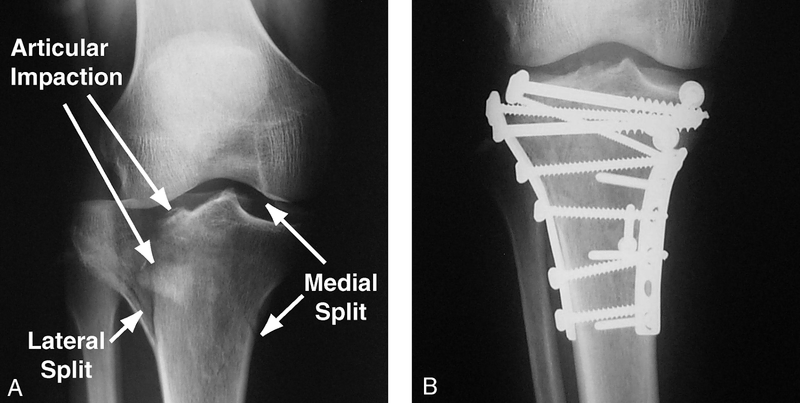
- Fracture Repair: Procedures like open reduction and internal fixation (ORIF), intramedullary nailing, and external fixation are employed to stabilize and align broken bones, promoting proper healing.
- Joint Procedures: Arthroplasty (joint replacement), resection arthroplasty, and arthrodesis (fusion) are surgical options for addressing arthritis and other joint-related issues.
- Minimally Invasive Techniques: Arthroscopy allows surgeons to diagnose and treat joint problems through small incisions, reducing tissue disruption and promoting faster recovery.
- Decompression and Amputation: Surgical decompression relieves pressure on vital structures, while amputation is considered in severe cases of irreparable damage or life-threatening conditions.
Key Takeaways
Surgical treatments for musculoskeletal conditions offer a range of solutions to restore function and alleviate pain. The choice of procedure depends on the specific condition, its severity, and the patient's overall health. While surgery can be highly effective, it's essential to be aware of potential risks and complications.
