
Beyond the Knife: Exploring the World of Nonsurgical Therapies for Musculoskeletal Injuries
Musculoskeletal injuries are a common part of life, whether you're an athlete or just going about your day. While surgery might be necessary in some cases, there's a whole world of nonsurgical therapies that can help you heal and get back to your best. Let's dive in!
The RICE Method: Your First Line of Defense
When an injury first occurs, the RICE method is your go-to strategy. It stands for Rest, Ice, Compression, and Elevation, and it's designed to protect damaged tissues, control swelling, reduce pain, and limit loss of function. Think of it as the first aid kit for musculoskeletal injuries.
Cryotherapy and Thermotherapy: Hot and Cold for Healing
Cold and heat therapies, known as cryotherapy and thermotherapy, respectively, play crucial roles in the healing process. Cryotherapy, or the use of cold, is usually the first treatment of choice for acute injuries. It helps minimize cell death, reduce pain, and decrease metabolic activity. Thermotherapy, or the use of heat, is generally introduced after the initial inflammation has subsided. It helps increase blood flow, reduce pain, and improve tissue elasticity.
Therapeutic Ultrasound and Electrical Stimulation: Modern Healing Tools
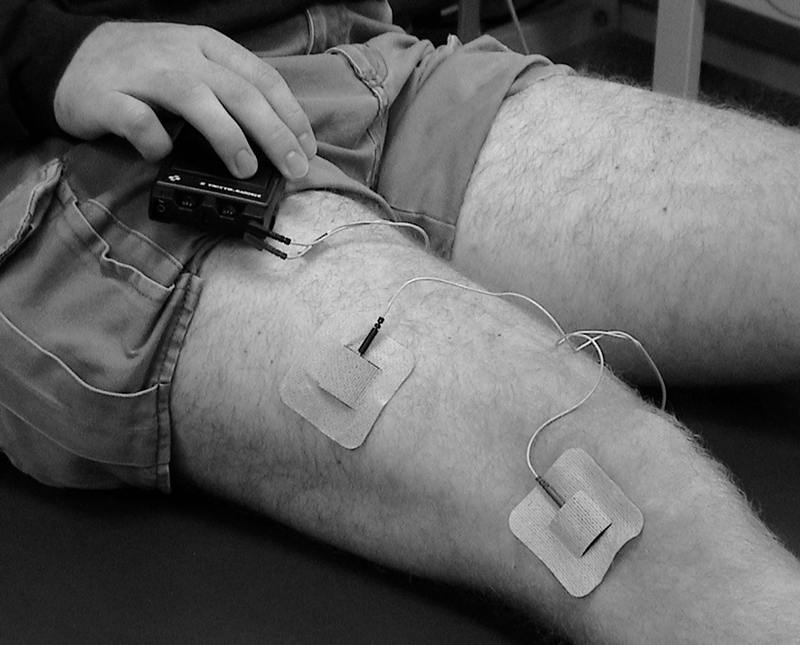
Therapeutic ultrasound uses high-frequency sound waves to penetrate deep into tissues, promoting healing and reducing pain. It can be used for both thermal and nonthermal therapy, with different benefits for each. Electrical stimulation is another common treatment that uses electrical currents to trigger various physiological effects in the tissue, such as pain modulation and muscle strengthening.
Joint Mobilization and Bracing: Restoring Movement and Stability
Joint mobilization is a hands-on technique used to improve flexibility and reduce pain by manipulating joints. It's important for restoring proper joint mechanics and range of motion. Bracing, taping, and orthotics are used to provide external support and stability to injured areas, allowing them to heal properly and preventing further damage.
Functional Progression in Rehabilitation: Getting You Back in Action
Rehabilitation is a step-by-step process that focuses on restoring range of motion, flexibility, strength, and balance. It starts with gentle movements and gradually progresses to more challenging exercises. This ensures that the injured area heals properly and regains its full function. Aquatic therapy and occupational therapy can also play a significant role in the rehabilitation process.
Exercise Prescription and Promotion: A Key to Overall Health
Exercise is not only crucial for rehabilitation but also for overall health and disease prevention. Physicians are encouraged to prescribe exercise as a form of medicine, tailored to individual needs and goals. A balanced fitness program should include aerobic exercise, strength training, and flexibility exercises.
Key Takeaways:
- Nonsurgical therapies are often the first and most effective way to treat musculoskeletal injuries.
- The RICE method is the initial treatment of choice for acute injuries.
- Cryotherapy and thermotherapy use cold and heat to promote healing.
- Therapeutic ultrasound and electrical stimulation are advanced modalities that can enhance healing.
- Joint mobilization and bracing provide support and restore movement.
- Functional progression in rehabilitation is a step-by-step approach to recovery.
- Exercise is a powerful tool for both rehabilitation and overall health.
