
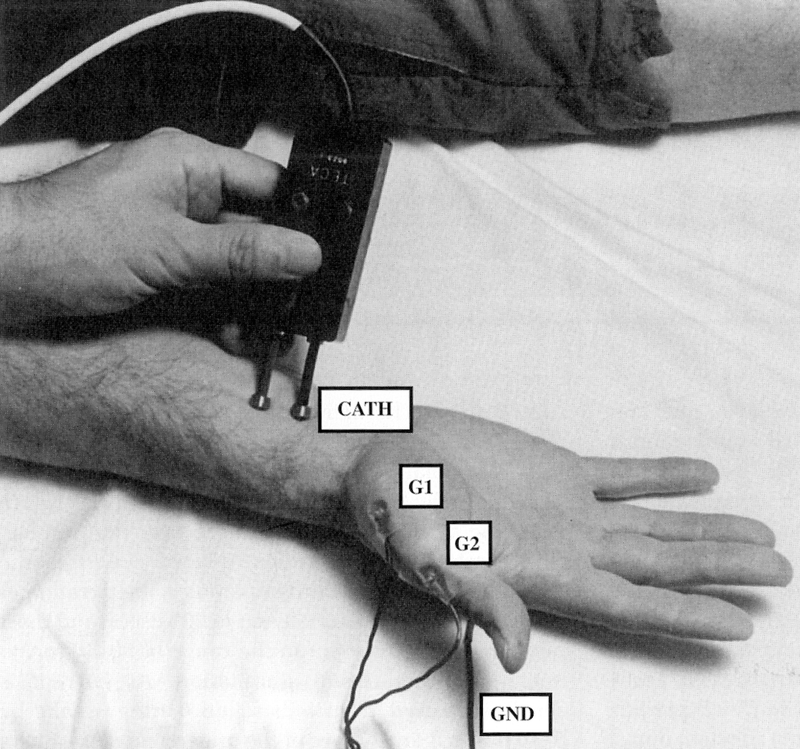
Electrodiagnostic studies, such as nerve conduction studies (NCSs) and electromyography (EMG), are powerful tools for evaluating nerve and muscle health. They help pinpoint the location and severity of various conditions, from nerve damage (neuropathies) to muscle disorders (myopathies).
NCSs measure how fast electrical signals travel through your nerves. By stimulating nerves and recording their responses, doctors can identify problems with nerve function. There are two types of NCSs: motor and sensory. Motor NCSs assess the nerves that control muscle movement, while sensory NCSs evaluate nerves responsible for sensations.
EMG takes a closer look at muscle activity. A small needle is inserted into a muscle to record its electrical signals, both at rest and during contraction. This helps detect abnormalities in muscle function and can reveal signs of nerve damage.
Together, NCSs and EMG provide a comprehensive assessment of the neuromuscular system. They can help diagnose a wide range of conditions, including carpal tunnel syndrome, radiculopathies, and motor neuron diseases. While NCSs and EMG are valuable diagnostic tools, they are most effective when combined with a thorough medical history and physical exam.
