
Cracking the Code of the Musculoskeletal Exam: A Hands-On Guide
Ever wonder what goes on during a musculoskeletal exam? It's more than just "bend and touch your toes!" This chapter dives deep into the techniques and assessments used by healthcare professionals to evaluate the health of your bones, joints, and muscles. From head to toe, a thorough physical exam can reveal a lot about what's going on beneath the surface.
The Art of Observation:
The exam begins with careful observation. Doctors look for visual cues like swelling, redness, or deformities. They also pay close attention to how you move, noting any limitations or signs of discomfort. This initial inspection provides valuable clues about potential issues.
Range of Motion: Testing Your Limits:
Next comes range of motion testing. This involves assessing how far you can move each joint, both on your own (active range of motion) and with assistance (passive range of motion). Differences between active and passive motion can pinpoint the source of the problem, whether it's a muscle issue or a joint restriction.
Strength Testing: Putting Your Muscles to the Test:
Muscle strength is another crucial aspect of the exam. Doctors apply resistance while you try to move specific muscles, gauging their strength on a scale. This helps identify any weaknesses that could indicate nerve or muscle damage.
Special Tests: Uncovering Hidden Issues:
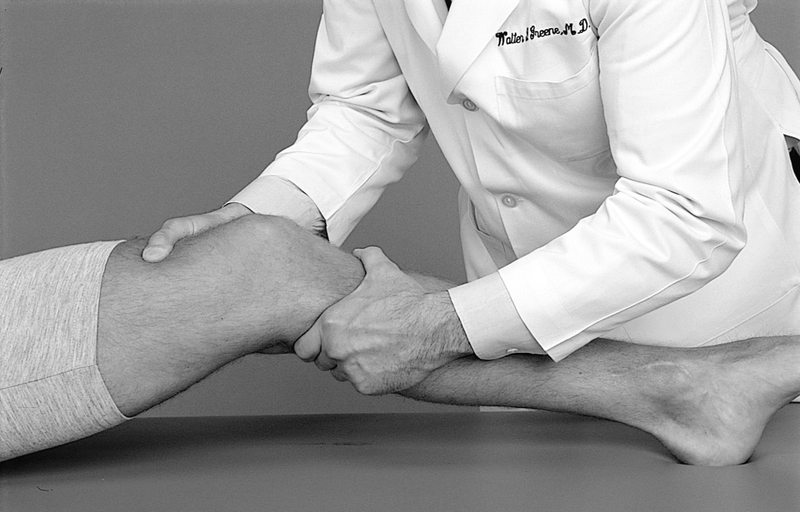
The chapter also explores a variety of special tests designed to assess specific structures and conditions. These tests often involve unique maneuvers that target particular joints or ligaments. For example, the Lachman test is used to evaluate the integrity of the anterior cruciate ligament (ACL) in the knee, while the Neer impingement sign helps diagnose shoulder impingement.
A Glimpse into the Neurological Connection:
The musculoskeletal exam isn't just about bones and muscles; it also involves assessing the nervous system's role in movement. Doctors test reflexes and nerve function to identify any neurological issues that could be contributing to musculoskeletal problems.
Why This Matters:
Understanding the components of a musculoskeletal exam can empower you to be an active participant in your healthcare. By knowing what to expect, you can better communicate your symptoms and concerns to your doctor. This knowledge can also help you appreciate the complexity of the human body and the importance of maintaining musculoskeletal health.
