
This chapter delves into the unique healthcare needs of the geriatric population, a rapidly growing demographic. It emphasizes that aging brings about physiological and pharmacological changes that require tailored medical approaches.
Key takeaways include:
- Understanding Age-Related Changes: The chapter outlines the physiological shifts that occur with aging, such as decreased blood flow to the skin, altered drug metabolism, and reduced immune response. It also highlights the importance of recognizing these changes to prevent a cascade of health issues.
- Tailoring Healthcare: It stresses the need to modify history taking and physical examinations for older adults, allowing extra time and assistance as needed. The chapter also emphasizes screening for functional impairments like difficulties with daily living activities.
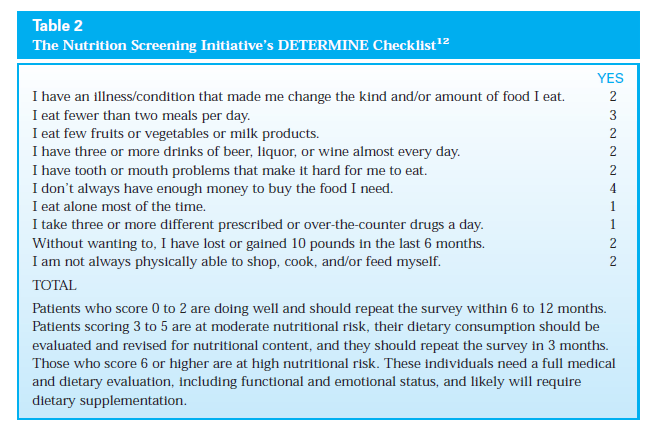
- Addressing Specific Concerns: The text addresses common geriatric issues like poor nutrition, polypharmacy (the use of multiple medications), gait instability, elder abuse, osteoarthritis, and osteoporosis. It provides insights into prevention, diagnosis, and management strategies for each.
- Promoting Comprehensive Care: The chapter advocates for a multidisciplinary approach to geriatric care, involving social workers, pharmacists, and other healthcare professionals. It also highlights the importance of considering nonpharmacologic measures, such as physical therapy and cognitive therapy, in treatment plans.
In essence, this chapter serves as a crucial guide for healthcare professionals, emphasizing the importance of specialized, compassionate, and comprehensive care for older adults to ensure their well-being and quality of life.
