
Unlocking the Mysteries of Musculoskeletal Growth and Development
Ever wondered about the intricate processes that shape our bones and muscles? Or what happens when these processes go awry? In this blog post, we'll delve into the fascinating world of musculoskeletal growth and development, exploring the common disorders that can affect these essential systems.
A Foundation for Understanding
Our journey begins with the basics: defining key terms like dysplasia, dysostosis, and dystrophy. These terms describe conditions that affect growth and development, often stemming from genetic abnormalities. We'll also explore the different types of dwarfism, including proportionate and disproportionate dwarfism, and how they manifest in individuals.
The Building Blocks of Movement
Next, we'll review the fundamental biology of musculoskeletal development. We'll examine endochondral ossification, the process by which long bones grow, and intramembranous ossification, which is responsible for the formation of the skull, clavicle, and pelvis. We'll also discuss the critical role of collagen synthesis in maintaining the integrity of our bones, cartilage, and muscle.
Clinical Evaluation: Putting the Pieces Together
Understanding musculoskeletal disorders requires a keen eye for clinical presentation. We'll discuss the importance of thorough history and physical examination, with particular attention to proportionality, dysmorphisms, and family history. Radiographs and genetic analysis also play vital roles in diagnosis and treatment planning.
Common Musculoskeletal Disorders
We'll then explore some of the most common musculoskeletal disorders in more detail:
- Achondroplasia: The most common form of dwarfism, characterized by disproportionate short stature, distinctive facial features, and spinal abnormalities.
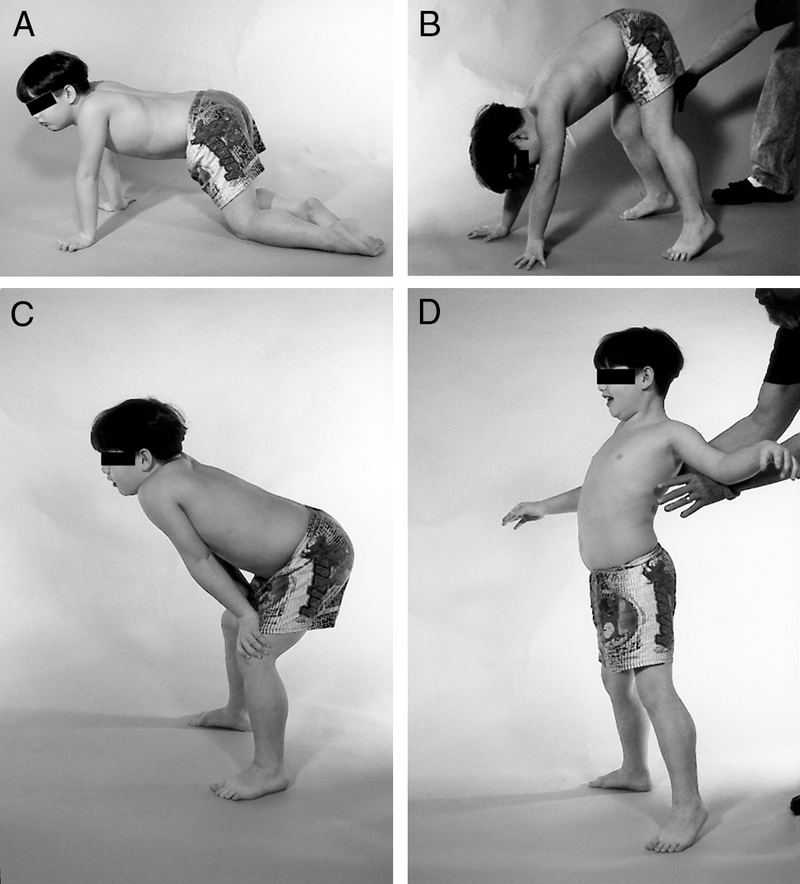
- Duchenne Muscular Dystrophy: An X-linked recessive disease that causes progressive muscle weakness and degeneration.
- Osteogenesis Imperfecta: A hereditary disorder of connective tissue that leads to fragile bones, blue sclerae, and other connective tissue abnormalities.
For each disorder, we'll discuss the epidemiology, etiology, clinical presentation, radiographic findings, and treatment options.
Looking Ahead
The field of musculoskeletal research is constantly evolving, with new discoveries offering hope for more effective treatments and even cures for these debilitating disorders. Gene-based therapies, in particular, hold great promise for the future.
Key Takeaways
- Musculoskeletal disorders are complex conditions that can significantly impact growth, development, and quality of life.
- A thorough understanding of the underlying biology and clinical presentation is essential for accurate diagnosis and treatment.
- Ongoing research is paving the way for new and improved therapies, offering hope for the future.
