
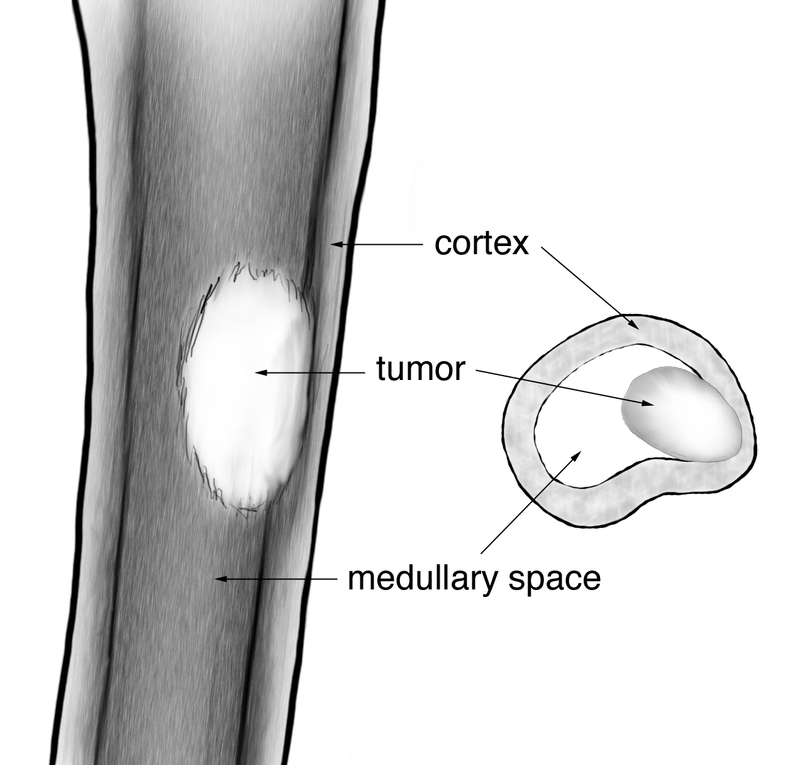
Bone and soft tissue tumors arise from undifferentiated mesenchymal tissue. These tumors can be benign or malignant. Malignant tumors can spread to distant locations through the bloodstream in a process called metastasis. The symptoms of bone and soft tissue tumors may be similar to those of more common bone and joint conditions such as sprains and bursitis. Benign tumors can be treated with surgical removal, while malignant tumors may require more extensive treatment such as chemotherapy or radiation therapy.
Bone and Soft-Tissue Tumors: An Overview
Bone and soft-tissue tumors are neoplasms that arise from undifferentiated mesenchymal tissue. These tissues can differentiate into a variety of tissue types, including fat, bone, cartilage, blood vessels, lymphatics, and fibrous tissue. Although specific chromosomal alterations have been noted in some tumors, the etiology of most bone and soft-tissue tumors is unknown.
Benign and Malignant Tumors
Musculoskeletal tumors are considered malignant if they have the potential to spread to distant locations. This process, called metastasis, usually occurs through the bloodstream. A malignant tumor of the musculoskeletal system is called a sarcoma. Tumors that do not spread are considered benign. However, benign tumors can still be clinically significant if they cause damage at the primary site.
Symptoms
The symptoms of bone and soft tissue tumors can be similar to those of more common bone and joint conditions, such as sprains or bursitis. Symptoms may include pain, swelling, and tenderness. The pain may be present at rest or during activity, and it may be worse at night. Other symptoms may include fever, anorexia, weight loss, or fatigue.
Diagnosis
The diagnosis of a musculoskeletal tumor typically begins with a physical examination and imaging studies, such as X-rays, CT scans, or MRI scans. A biopsy may be necessary to confirm the diagnosis.
Treatment
Treatment for bone and soft tissue tumors depends on the type and stage of the tumor. Benign tumors can often be removed surgically. Malignant tumors may require more extensive treatment, such as chemotherapy or radiation therapy.
Prognosis
The prognosis for bone and soft tissue tumors varies depending on the type and stage of the tumor. Benign tumors are typically curable with surgical removal. The prognosis for malignant tumors is more variable and depends on a number of factors, including the type of tumor, the stage at diagnosis, and the patient's overall health.
