
Understanding Overuse Injuries: What Athletes and Fitness Enthusiasts Need to Know
Are you pushing your body to its limits? While dedication to fitness is admirable, it's crucial to understand the risks of overuse injuries. These sneaky conditions arise not from a single, traumatic event, but from the repetitive strain on your body's tissues. This can affect anyone from professional athletes to those who simply enjoy staying active.
What Exactly Are Overuse Injuries?
Overuse injuries occur when the body is subjected to repetitive stress without adequate time for recovery. This can lead to microscopic damage that accumulates over time, eventually manifesting as a clinical injury. The chapter details three main types:
- Excessive load on normal tissue: Pushing your body too hard, too fast (think "march fractures" in military recruits).
- Normal load applied abnormally: Poor form or biomechanics causing uneven stress distribution (like patellar tilt).
- Normal load on abnormal tissue: Existing conditions weakening tissues and predisposing them to injury (such as weakened bones from osteoporosis).
Stress Fractures: A Common Overuse Injury
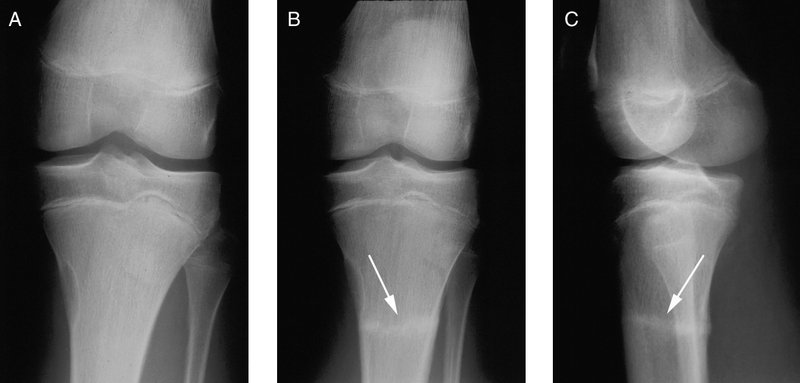
The chapter highlights stress fractures as a prime example. These aren't your typical breaks; they're microscopic cracks in the bone caused by repeated stress. Imagine bending a paperclip repeatedly—it weakens until it eventually snaps. Similarly, bones can weaken from repetitive loading, leading to tiny fractures.
Key points about stress fractures:
- They occur when tissue damage outpaces the body's ability to repair.
- Bone adapts to load (Wolff's Law), but rapid increases in load can cause failure.
- Rest is crucial for healing.
Who's at Risk?
While anyone can experience overuse injuries, certain groups are more susceptible:
- Athletes: Especially those who suddenly increase training intensity or volume.
- Runners: Changes in mileage, intensity, terrain, and footwear can all contribute.
- Women: Particularly female athletes who may be at risk for the "female athlete triad" (disordered eating, amenorrhea, and osteoporosis).
- Adolescents: Their growing bones and growth plates make them vulnerable to apophysitis.
Prevention and Treatment
The key to managing overuse injuries is relative rest. This doesn't necessarily mean complete inactivity, but reducing or stopping the aggravating activity to allow healing. Other strategies include:
- Cross-training: Engaging in different activities to maintain fitness without stressing the injured area.
- Ice and analgesics: For pain relief.
- Physical therapy: To strengthen supporting muscles and improve biomechanics.
- Proper footwear and equipment: To minimize stress on the body.
- Addressing underlying issues: Such as nutritional deficiencies or hormonal imbalances.
Beyond Stress Fractures
The chapter also covers other common overuse injuries:
- Patellofemoral pain: Anterior knee pain often due to patellar maltracking.
- Tendinosis: Injury to tendons from repetitive loading.
- Osteochondritis dissecans: A localized bone abnormality that can affect cartilage.
- Apophysitis: Injury to growth plates in children and adolescents.
The Takeaway
Overuse injuries are a common problem, but understanding their causes and risk factors is the first step toward prevention. If you're experiencing persistent pain related to activity, don't push through it! Seek medical advice. Early diagnosis and appropriate management can help you get back to your active lifestyle safely and effectively.
