
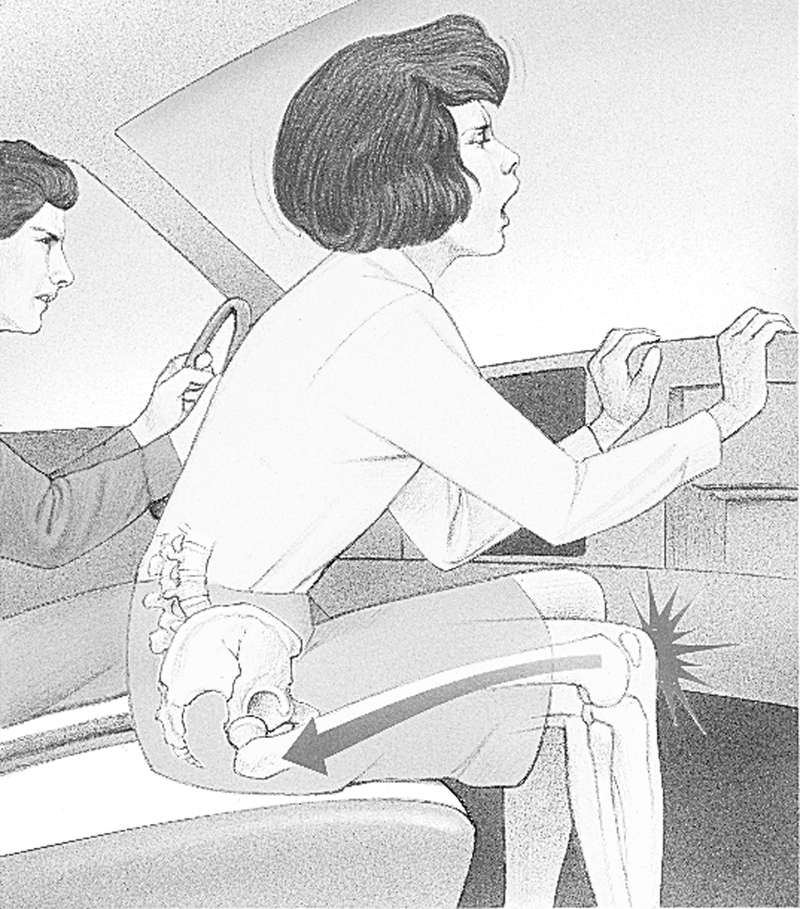
This chapter provides an overview of musculoskeletal emergencies, including spinal injuries, crush injuries, compartment syndrome, fractures, infections, dislocations, deep venous thrombosis (DVT), and soft-tissue injuries.
Key Points:
- Prompt recognition and treatment of musculoskeletal emergencies is crucial to prevent significant impairment and complications.
- Pain is the most common reason for patients to seek medical care, but it can mask other serious conditions.
- Common injury complexes can be identified when a reasonable history of events is obtained.
- Patients with chronic musculoskeletal pain pose a challenge in differentiating new symptoms from preexisting ones.
- A systematic approach to trauma is essential.
Spinal Injuries:
- Can range from simple fractures to spinal cord injuries resulting in paraplegia, quadriplegia, or death.
- Motor vehicle accidents, falls from heights, and gunshot wounds are the most common causes.
- The cervical spine is the most commonly injured, followed by the lumbar spine.
- Treatment of life-threatening injuries should have priority, but spinal immobilization should be initiated at once.
Crush Injuries:
- Result from prolonged, continuous pressure on an extremity.
- Can lead to metabolic derangements, compartment syndrome, and multiple system complications.
- Early and aggressive therapy is aimed at preventing renal failure and minimizing metabolic fluctuations.
Compartment Syndrome:
- Occurs when increased pressure within a closed myofascial space causes decreased perfusion and oxygen deprivation.
- Early recognition is essential to prevent permanent tissue damage.
- Treatment involves surgical decompression of the compartment.
Open Fractures:
- Require aggressive treatment to prevent infection.
- Surgical consultation is necessary in every instance.
- Emergency treatment includes removing obvious debris, covering the wound, giving tetanus prophylaxis and antibiotics, and temporarily stabilizing the limb.
Pelvic Fractures:
- Can be one of the most severe types of fractures.
- High-impact forces, such as motor vehicle collisions, are the most common cause.
- Immediate treatment begins with assessment of the trauma ABCs.
Long Bone Fractures:
- The mechanism of injury is most commonly blunt trauma.
- Can result in significant blood loss.
- Treatment includes applying a splint, providing adequate pain medication, and immediate surgical consultation.
Bite Wounds:
- Require urgent treatment to prevent infection.
- Dog bites account for most bites, but cat bites and human bites can also occur.
- Treatment includes irrigation, débridement, and antibiotics.
Effusions:
- The presence of pus and blood in the joint signify an acute condition.
- Arthrocentesis may yield important information about the cause of the joint swelling.
- Treatment depends on the cause of the effusion.
Dislocations:
- Are considered musculoskeletal emergencies because of possible associated neurovascular stretch injuries.
- Immediate reduction should be attempted to relieve pressure on the arteries or nerves.
- The shoulder is the most commonly dislocated joint.
Deep Venous Thrombosis (DVT):
- A dangerous complication that can lead to pulmonary embolism and death.
- Risk factors include elective hip and knee surgery and lower extremity fractures.
- Treatment options include anticoagulation medication.
Occult Fractures:
- Not all fractures are obvious on plain radiographs.
- Delayed diagnosis can be harmful.
- Emergency treatment of a suspected occult fracture includes protective immobilization.
