
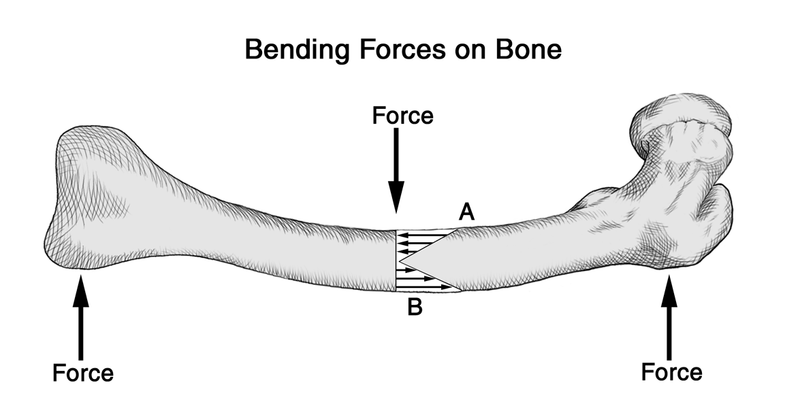
Fractures are more than just broken bones; they're a complex medical issue with a wide range of causes, effects, and treatments. This chapter offers a comprehensive overview of fractures, starting with the basics of how and why they occur. Bones break when subjected to forces greater than their mechanical tolerance, with factors like bone strength, force magnitude, direction, and application rate all playing a role. The chapter also emphasizes the importance of proper terminology when describing fractures, advocating for detailed descriptions that match radiographic findings over eponyms or classification numbers.
Different types of fractures exist, each with its own characteristics and implications. The location, pattern, and displacement of a fracture, as well as the condition of the surrounding soft tissues, all contribute to the diagnosis and treatment plan. The chapter provides detailed descriptions of various fracture patterns, such as transverse, oblique, spiral, and comminuted fractures, and explains how these patterns can offer insights into the mechanism of injury.
Understanding how bones heal is crucial in fracture management. The chapter outlines the two main types of bone healing: primary and secondary. Primary healing, which is rare and usually requires surgical intervention, involves the direct deposition of new bone across the fracture. Secondary healing, the more common type, involves the formation of a cartilage scar that ossifies and remodels into normal bone. The chapter also touches on the exciting advancements in fracture healing research, such as the study of growth factors and gene expression.
Clinical evaluation of fractures involves a thorough physical examination and imaging studies. The chapter stresses the importance of prioritizing life-threatening injuries before addressing musculoskeletal issues. It also provides an overview of various treatment options, including casting, surgery, and traction, along with their respective advantages and disadvantages. The chapter concludes with a discussion of potential complications, such as thrombosis, fat embolism syndrome, and compartment syndromes, and emphasizes the importance of considering the psychosocial impact of fractures on patients.
