
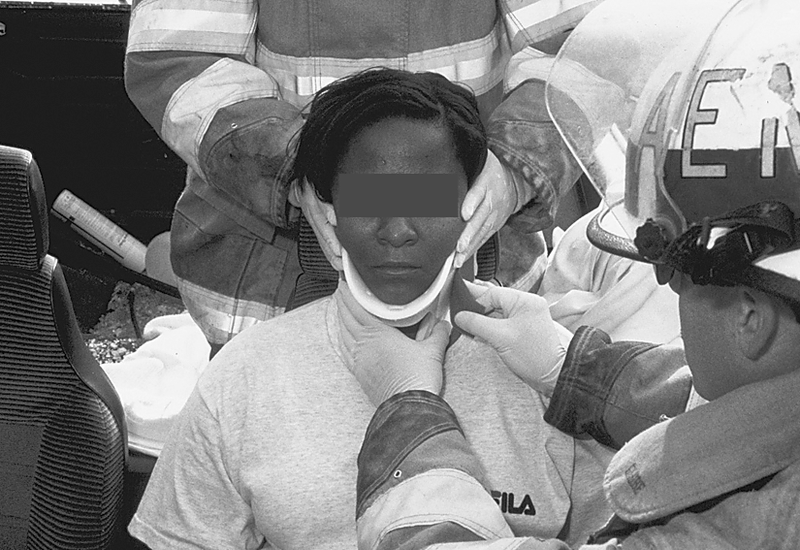
Trauma is the leading cause of death for people between the ages of 1 and 44. Even though it is a significant cause of concern, less than 1% of patients who sustain trauma actually die. Many patients survive but are hospitalized or require emergency department care. This chapter explores the musculoskeletal aspects of trauma care.
Trauma and the Musculoskeletal System
Musculoskeletal medicine is an important part of trauma care because bones and soft tissues are often affected by high-energy trauma. Injuries to the bones can impede breathing and circulation. The chapter discusses the epidemiology of trauma, presentation, treatment, and prevention. It also details the procedures that medical professionals follow when a patient is admitted for trauma.
Trauma Care Priorities
When a patient is admitted for trauma, the first priorities are airway, breathing, and circulation. The musculoskeletal system is evaluated after these vitals are stable. The primary survey is meant to identify and treat immediately life-threatening injuries. The secondary survey is a more complete evaluation performed after the ABCs are addressed.
Common Causes of Trauma
In the United States, motor vehicle accidents account for most accidental deaths. Falls are the leading cause of nonfatal injury requiring hospital admission. Older adults are more prone to falls due to factors such as age, environmental factors, and host factors.
Complications and Prevention
Extremity trauma may be complicated by compartment syndrome. The mangled extremity severity score (MESS) can help physicians decide when to amputate an extremity. The chapter also discusses imaging techniques used to diagnose and treat trauma. Prevention of trauma includes identifying and eliminating potential hazards.
