
Bone and joint infections, while less common than other types of infections, present unique challenges and significant clinical problems. This chapter delves into the complexities of these infections, categorized broadly as septic arthritis (joint infection), osteomyelitis (bone infection), and infections related to surgical implants.
Septic Arthritis: This occurs when bacteria, fungi, or viruses invade the synovium, causing joint inflammation. The knee is most commonly affected. Symptoms include swelling, warmth, tenderness, and limited range of motion. Causes range from bloodborne bacteria to direct inoculation or spread from nearby infections. Risk factors include age, impaired immunity, and intravenous drug use. Staphylococcus aureus is the most common culprit. Treatment involves antibiotics and joint drainage, with options ranging from needle aspiration to surgery.
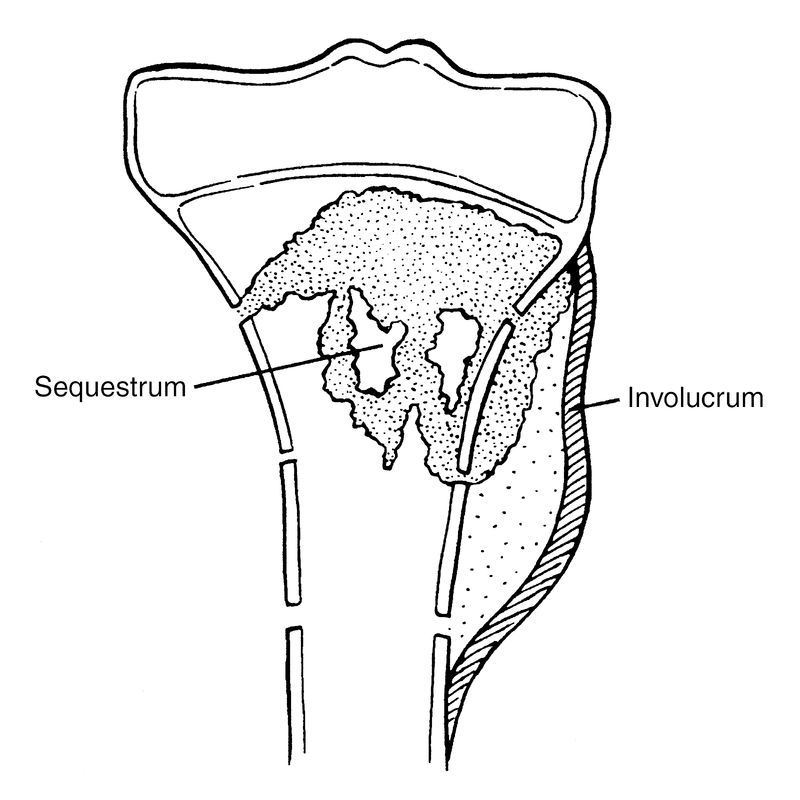
Osteomyelitis: This refers to bone and marrow infection, often resulting from direct inoculation (especially in adults with open fractures) or hematogenous spread (more common in children). Symptoms vary but can include pain, fever, and limited use of the affected limb. Diagnosis can be tricky, often requiring imaging studies like bone scans or MRI. Treatment typically involves antibiotics, sometimes followed by surgical debridement.
Periprosthetic Infection: Infections related to joint replacements are a combination of septic arthritis and osteomyelitis. These infections can occur shortly after surgery or even years later. Prevention through prophylactic antibiotics is crucial. Treatment may involve retaining or removing the prosthesis, along with antibiotic therapy.
Special Situations: The chapter also addresses infections in immunocompromised individuals (who are at risk for atypical infections), tuberculosis of the bones and joints, Lyme disease (transmitted by deer ticks), and diabetic foot infections (which can be severe due to neuropathy and vascular disease).
Key takeaways include the importance of prompt diagnosis and treatment to prevent tissue destruction and long-term complications. The chapter also highlights the unique challenges of treating these infections due to the limited blood supply to bone and joint tissue and the increasing use of surgical implants.
