
Decoding Back Pain and Sciatica: A Comprehensive Guide
Back pain. Just hearing those two words can send shivers down your spine (pun intended!). It's a common ailment, with most adults experiencing it at some point. But what exactly is back pain, and why does it happen? This post dives deep into the causes, symptoms, and treatments for back pain and sciatica, empowering you to take control of your spinal health.
The Mystery of Back Pain
Did you know that most back pain is idiopathic? That means the exact cause is often unknown. It's like a puzzle with missing pieces. Imaging studies might reveal abnormalities like osteoarthritis or disk disease, but these can also appear in people without any symptoms. So, what's really going on?
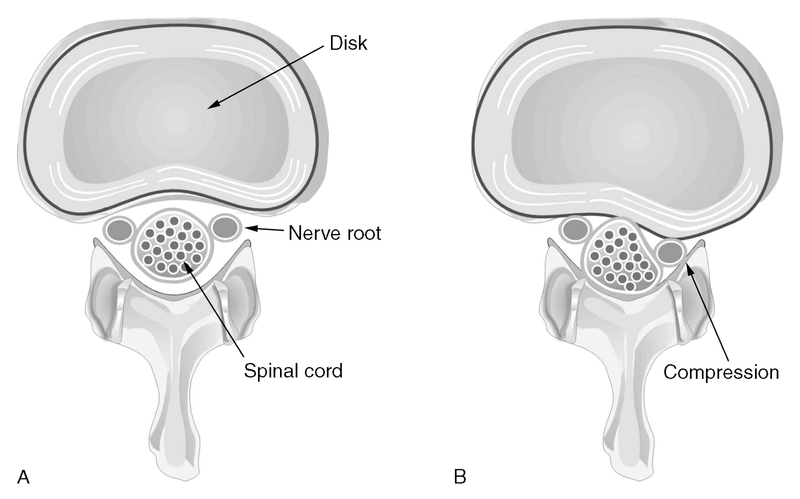
Back pain can strike with or without leg pain. When that pain radiates down the back of your legs, it's called sciatica. This happens when the roots of the sciatic nerve get irritated. Disks, those shock-absorbing cushions between your vertebrae, can also cause trouble. They can herniate (bulge out), pressing on nerves and leading to pain. As we age, these disks can also degenerate, losing their ability to cushion.
Risk Factors and Culprits
Several factors can increase your risk of back pain. Heavy lifting, weak abdominal muscles, obesity, smoking, and even depression can play a role. It's a complex issue with many contributing factors.
Understanding Disk Disease
Imagine your intervertebral disks as jelly donuts. The outer ring (anulus fibrosus) is the dough, and the inner core (nucleus pulposus) is the jelly. If the dough tears, the jelly can squish out, creating a bulge or herniation. This bulge can then press on nerves, causing pain. Most of the time, these tears happen posterolaterally (towards the back and side), where the disk is weakest.
Other Sources of Back Pain
Besides disk issues, other conditions can cause back pain:
- Osteoarthritis and Spinal Stenosis: As disks degenerate, it puts extra stress on the facet joints, leading to osteoarthritis. This, in turn, can cause spinal stenosis, a narrowing of the spinal canal that puts pressure on nerves.
- Rheumatologic Conditions: Conditions like rheumatoid arthritis and ankylosing spondylitis can inflame the joints in your spine, causing pain and stiffness.
- Spondylolysis and Spondylolisthesis: These conditions involve defects or slippage of the vertebrae, which can lead to instability and pain.
- Tumors and Infections: Although less common, tumors and infections can also cause back pain by pressing on nerves or weakening the bones.
Recognizing the Signs
Back pain can manifest in various ways. Sciatica often involves sharp pain in the back and a burning pain that radiates down the leg. Numbness and tingling can also occur. Spinal stenosis may lead to neurogenic claudication, or leg pain during activity. Bending forward often relieves this type of pain.
Diagnosis and Treatment
If you're experiencing back pain, it's crucial to get an accurate diagnosis. MRI is the imaging tool of choice for disk disease, while X-rays can reveal degenerative joint disease. Treatment options range from conservative measures like physical therapy and medication to more invasive procedures like surgery.
Preventing Back Pain
Prevention is key! Strengthening your core muscles, maintaining a healthy weight, and practicing good posture can go a long way in preventing back pain.
The Takeaway
Back pain is a complex and common problem, but understanding its causes and symptoms is the first step towards managing it. If you're struggling with back pain, don't hesitate to seek professional help.
