
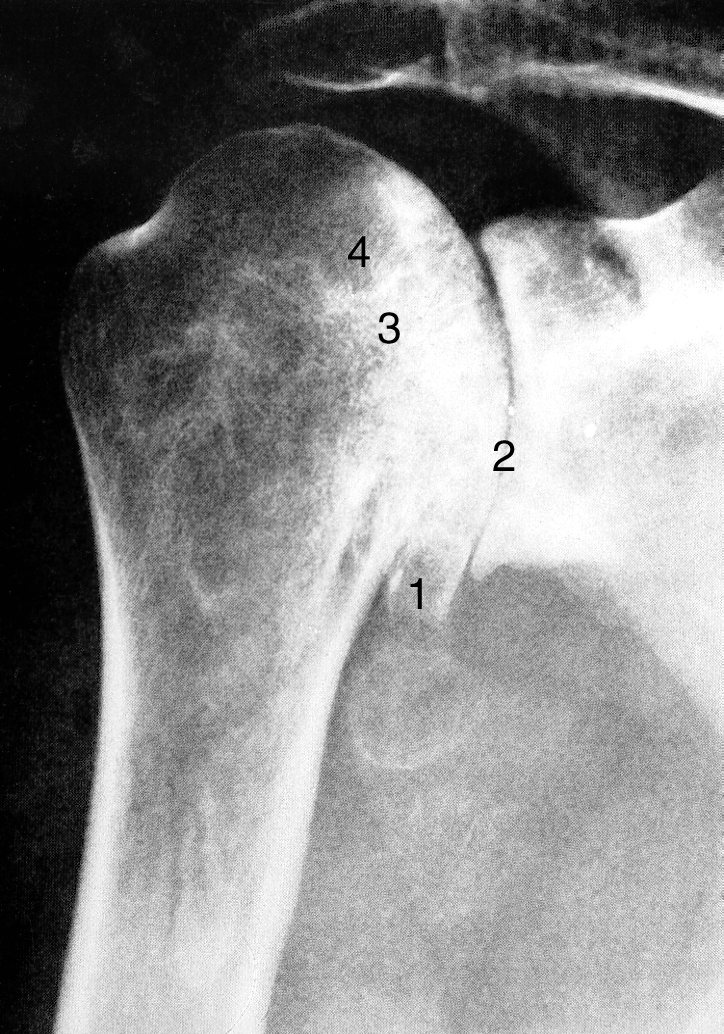
This chapter delves into the complexities of osteoarthritis, a degenerative joint disease impacting millions. It begins by distinguishing between primary and secondary osteoarthritis, emphasizing that while radiographic evidence is common, it doesn't always correlate with pain. The chapter highlights the progressive loss of articular cartilage as the primary mechanism, noting the bone's reactive changes and the eventual destruction of the joint.
Key risk factors like age, genetics, obesity, and joint deformities are discussed, along with the pathophysiology of cartilage breakdown and bone changes. The clinical presentation of osteoarthritis is detailed, including pain characteristics, physical examination findings, and the importance of excluding other potential causes. The chapter also covers laboratory and imaging studies used in diagnosis, such as radiographs revealing joint space narrowing and osteophyte formation.
Treatment approaches range from medical management (pain relief, physical therapy, NSAIDs) to surgical interventions like joint replacement. The chapter also explores other forms of osteoarthritis, including osteonecrosis (bone death due to ischemia), posttraumatic arthritis (following injury), and neuropathic arthritis (due to neurologic dysfunction). Each type is explained in terms of its unique pathophysiology, clinical presentation, and treatment strategies.
