
Inflammation - A Delicate Balance
This chapter delves into the complex process of inflammation, a double-edged sword in the human body. While essential for healing and defense against foreign invaders, inflammation can also become a destructive force in chronic conditions like rheumatoid arthritis.
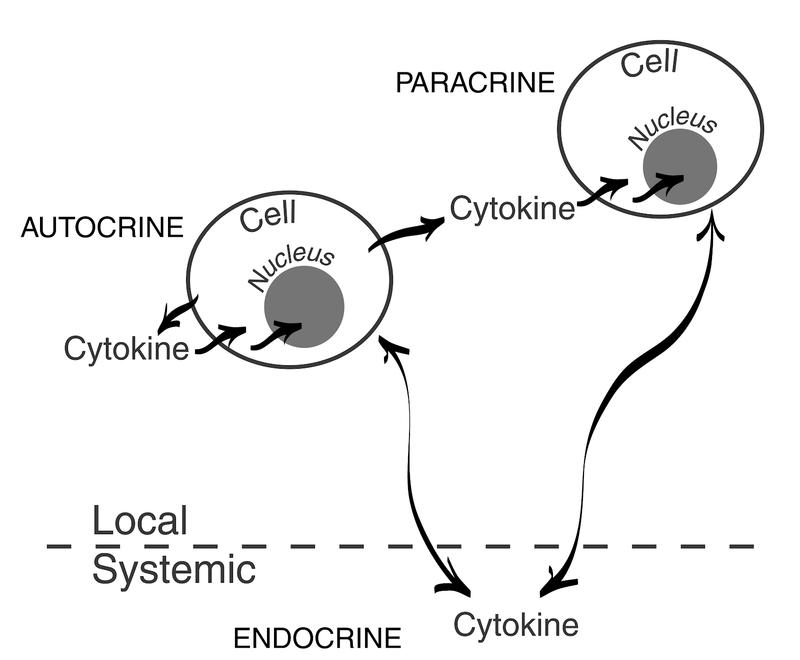
The chapter breaks down the intricate cellular and molecular events that drive inflammation. It explores the roles of various agents, including cytokines, chemokines, and arachidonic acid metabolites, in orchestrating the inflammatory response. It also highlights the differences between acute and chronic inflammation, emphasizing the potential for long-term damage in the latter.
Key concepts include:
- The Inflammatory Process: A cascade of events involving white blood cell infiltration, phagocytosis, and the release of inflammatory mediators.
- Immune-Mediated Inflammation: The role of lymphocytes and antigen-presenting cells in driving the inflammatory response.
- Triggers of Inflammation: Endogenous and exogenous factors that can initiate inflammation, from trauma to autoimmune reactions.
- Mediators of Inflammation: The various molecules, such as eicosanoids and cytokines, that regulate the inflammatory response.
- Effects of Inflammation on Tissue: The impact of inflammation on the synovium and cartilage, leading to potential joint damage.
- Research and New Directions: Emerging therapies, including anti-TNF agents and gene therapy, that aim to modulate inflammation and treat chronic inflammatory diseases.
Overall, the chapter provides a comprehensive overview of inflammation, emphasizing its importance in health and its potential to cause harm. It also explores current research and potential future treatments for inflammatory conditions.
