
Ligaments: The Unsung Heroes of Your Joints
Ever wonder what keeps your joints stable and allows you to move? The answer lies in ligaments, the strong, silent heroes of your musculoskeletal system. These tough, fibrous tissues connect bone to bone, acting like living ropes that resist tension and prevent excessive movement. But ligaments are more than just static connectors; they're dynamic structures with fascinating properties.
A Delicate Balance of Strength and Flexibility
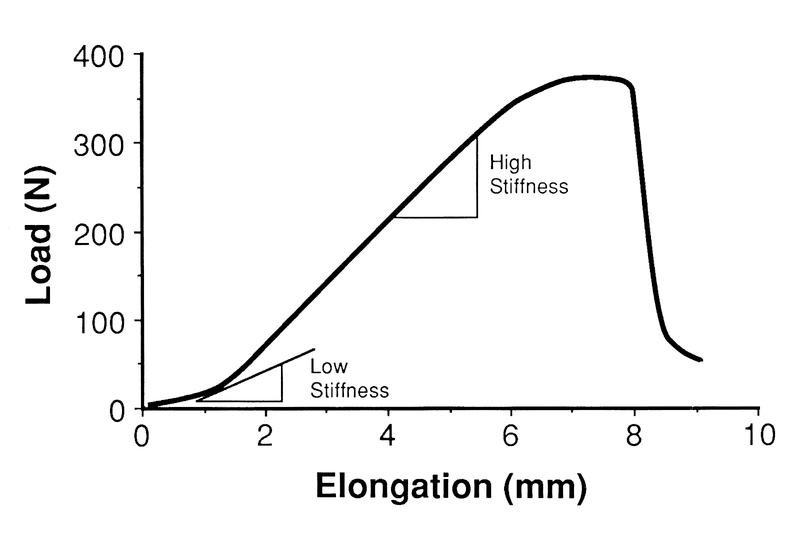
Ligaments possess a unique combination of strength and flexibility. They're incredibly strong under tension, like a rope holding a heavy load. Yet, they also have a built-in "give" that allows for normal joint movement and prevents damage from everyday stresses. This amazing adaptability comes from their intricate structure, including a wavy pattern of collagen fibers called the "crimp." The crimp allows ligaments to stretch a little under low forces and then become stiff and taut when needed for stability.
More Than Just Connective Tissue
Ligaments are complex tissues with their own blood supply and nerve endings. These nerves play a vital role in proprioception, your body's sense of where it is in space. When a ligament is injured, this sense can be disrupted, leading to feelings of instability even after the ligament has healed.
The Healing Process
When a ligament is sprained or torn, it embarks on a fascinating healing journey. This process involves three stages: inflammation, proliferation, and remodeling. While some ligaments heal remarkably well, others, particularly those inside joints like the ACL, face greater challenges. Researchers are constantly exploring new ways to enhance ligament healing, from growth factors and tissue engineering to gene therapy.
Ligaments and Overall Health
Ligament health is crucial for overall musculoskeletal function. Certain genetic conditions can affect ligament structure and strength, leading to joint laxity and other complications. As we age, our ligaments can also change, becoming less stiff and potentially more prone to injury.
The Future of Ligament Research
Scientists are delving deeper into the intricate workings of ligaments, studying their cellular makeup, exploring new treatments for injuries, and even investigating ways to regenerate damaged tissue. This research holds great promise for improving outcomes for people with ligament injuries and enhancing our understanding of these essential structures.
So, the next time you move, remember the unsung heroes that make it all possible: your ligaments. These remarkable tissues are a testament to the body's incredible design and resilience.
