Program Review
Staff / Faculty / Chairman
John Ruth is Chaiman and he was like a second father to me. He is one of the most genuine and kind people I know. Each attending in this program taught me something very meaningful while I was there and I still call them for advice. The majority of the attendings are wildly talented and great teachers. They bought us lead, a library and there is a book fund. DeSilva and Smith run the residency - which is central to the whole department. They have 3 PAs - two clinic, one floor. Never had to worry about cases. I did around 2300 cases in residency.
Didactics / Teaching
Many resident-run didactics. More and more attending led didactics. Santora from U of U visited for graduation last year. Fresh frozen cadaver lab anatomy class is led by chiefs and attendings. OITE review is weekly. When you are at U of U they have excellent didactics. Phoenix rotation 4th or 5th year is a community rotation and gives you time to study for ABOS. Grand rounds is Wednesday. Teaching is case based. Journal club is monthly. The attendings and residents pimp sometimes in conference. Mostly med students and interns - the learning curve is steep in ortho. The pimping is Socratic teaching, not malignant,
Operating Experience
You get early operative autonomy. This program is famous for that. The attends never abandon you, they simply trust you and teach you to know when to ask for help. They require perfection in the OR as does any program in the U.S. But they will let you struggle and find your way - as a senior they don't take the case until you ask them. As a 4th and 5th year you learn how to teach and you walk juniors through cases with attendings coaching. This is true of trauma which is what you mostly do in practice at first anyway.
Clinic Experience
Excellent. I think I learned the most in clinic - seeing patients alone and making decisions then staffing them with the attending. Clinic burden isn't cumbersome at all. They use Epic EMR as of 2014 when I graduated. SCM before that. You see patients and dictate. They do use dragon dictation. I went to lunch with attendings and MA's almost every clinic day. The clinic is located off site.
Research Opportunities
They require 1 project To be completed some time in the 5 years you're at the program. You do need some drive to do extra research because you operate a great deal. When I was there, the residents initiated research and did the work to get published. There is ample opportunity. They are working on hiring someone to do IRB and grant writing.
Residents
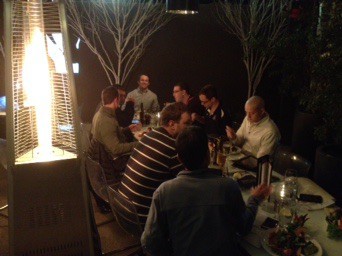
We were close like family in residency. We banded together and we had tons of fun. Resident caliber is high. No resident has ever voluntarily left the program. The program is friendly to women and people from all backgrounds. Honestly - this was one of the best things about residency - hanging out, teasing each other, playing jokes and being a close team. If you don't like the people you work with, any job will be tough. I was lucky enough to like them all. You work hard but the friendships and family atmosphere make it feel easy. We all wore stethoscopes in the the department photo one year, for example. I visited my co-resident when we were done with residency while we were in fellowship. It's open enough for you to get real time 360 negative and positive feedback so you can improve. Residents went on a faculty and resident camping trip in Pinetop every year. We had an annual paintball war that I went back to even after I graduated.
Lifestyle
There are 2 main hospitals: main and south campus. You take call at both as a senior and only at main as a junior (when I was there). You do 4 months of night float at Main; 2 as a PGY-2 and 2 as a PGY-3. The Program Director Dr. DeSilva genuinely believes in following work hours so the rotations are formatted to be in compliance. They have never been on prohibation. None of the call was paid when I was there. They have a resident library, 2 call rooms, and home access to imaging and EMR. You rarely operate much past 6pm unless you're in call and it's a true orthopaedic emergency.
Location / Housing
Tucson is a desert but it is cooler than Phoenix due to the elevation, but it gets pretty warm for about 3 months of the summer. We bought a 1700+ sqft house that was 15min from both hospitals. Our payment was about 1100$ per month and we sold it for 10k more than we bought it. So that wasn't bad at all. Tucson has mount Lemon to the north right by the city. Great cycling. The metro area has about 1 million people. Catchment is 2-3 million.
Limitations
They are working on getting more research infrastructure.
They are also hiring more U of A hospital based attendings - but I think the experience we had there in sports, F&A and joints when I was there was top notch. Some of the other services struggle at U of A - such as general surgery and internal medicine. But overall I think they actually do a pretty good job considering.
Overall Rotation Experience / Conclusion
I ranked U of A number 1 and I would do it again. I think I've grown to appreciate my training more and more as I have gone on to become an attending. The issues they have are always addressed as best they can be and they really greaed the program to best serve the residents. I think the comradery and friendship amongst the residents and attendings made the 5 years I spent there some of the best of my life. I look back now with only fond memories.