

Sports medicine addresses many medical concerns of the athlete, including concerns about physiology, nutrition, and psychology; however, the most common health concern of athletes is musculoskeletal injury. The first section of this chapter is a review of some of the musculoskeletal conditions that commonly affect athletes, grouped by anatomic region. The second section addresses common complaints associated with specific sports. The final three sections briefly address the special concerns of the female athlete, athletes at both extremes of the age spectrum, and athletes with disabilities.
Common Musculoskeletal Conditions Affecting Athletes
Shoulder and Arm
The athlete’s shoulder is subject to certain characteristic problems, especially those resulting from throwing—specifically, the cocking and acceleration phases that stress the shoulder capsule and ligaments. Throwing can stretch these restraints and produce instability. Athletes rarely dislocate the shoulder completely by throwing; rather, the joints usually slip out of place only slightly, a condition called subluxation.1 This subluxation and the sense of instability it produces can impede high-level athletic performance. Moreover, when the shoulder joint slips out of place even to only a small degree, it can produce traction on the brachial plexus, with a resultant “dead-arm†phenomenon in which there is a sense of profound arm weakness.2 Traction injuries resulting from repetitive use can occur within the shoulder joint itself because the biceps can be pulled from its anchor at the top of the glenoid. This can involve the surrounding labrum as well (Fig. 1
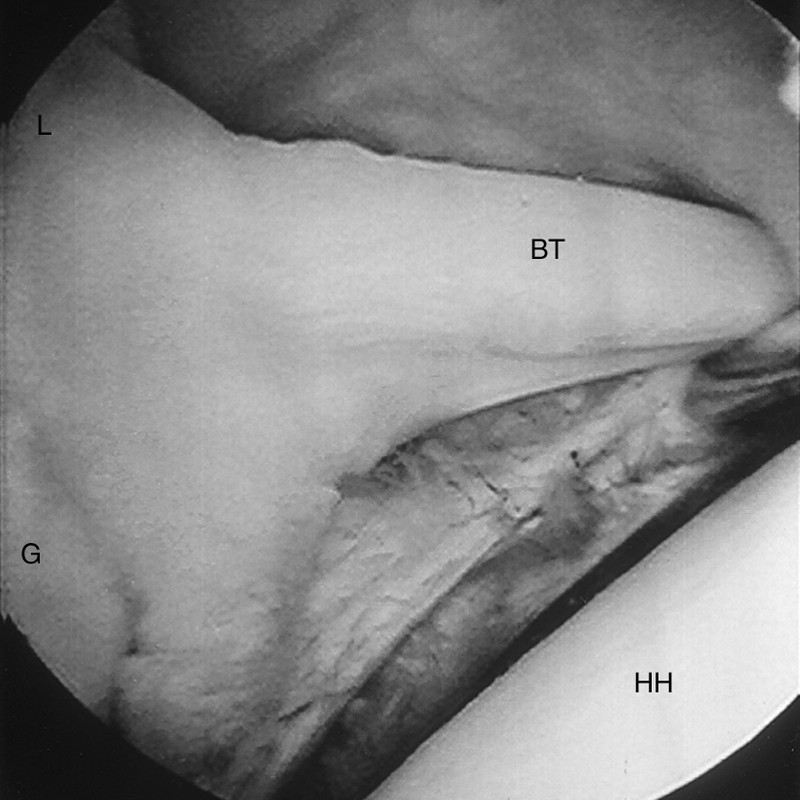
Figure 1 The origin of the long head of the biceps is an intra-articular structure of the shoulder. In this arthroscopic view, the biceps tendon (BT) is seen at its normal attachment to the glenoid labrum. This connection is subject to injury in throwers. G = glenoid, HH = humeral head, L = labrum.
(Reproduced from Eakin CL, Faber KJ, Hawkins RJ, Hovis WD: Biceps tendon disorders in athletes. J Am Acad Orthop 1999;7:300-310.)
).
Repetitive overhead athletes such as throwers, swimmers, and tennis players are subject to rotator cuff disorders.3 In middle-aged adults, irritation of the rotator cuff is usually caused by intrinsic pathology of the tendons or extrinsic impingement from spurring of adjacent structures. However, in young athletes, irritation of the rotator cuff is likely to be caused by glenohumeral instability, which is often induced by overuse. Such instability permits proximal and anterior migration of the humeral head against the acromion. This abutment of tendon on bone creates an extrinsic impingement on the cuff tendons—much the way an acromial bone spur may scrape the tendon surface. In young athletes, however, the appropriate treatment does not involve removal of the acromion (as might be done in cases of primary impingement from a bone spur) but instead involves eliminating the instability. Although this is often achieved via physical therapy, surgery (capsular tightening) is occasionally required.
Acromioclavicular joint injuries (shoulder separations) occur among athletes who participate in sports in which there is a risk of impact against the point of the shoulder. Athletes at risk commonly participate in ice hockey (in which participants get checked into the boards), wrestling, football, and martial arts.4 Treatment is nonsurgical for all but the most severe injuries. The acromioclavicular joint can also be subject to wear and tear (Fig. 2
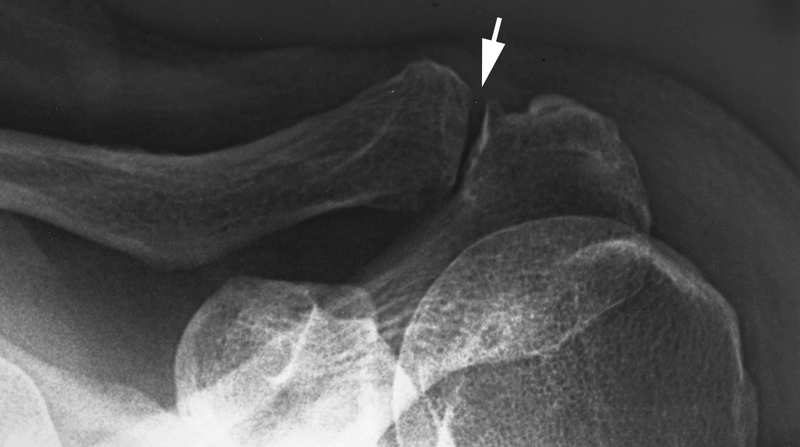
Figure 2 Acromioclavicular arthrosis. Radiograph of the acromioclavicular joint (arrow) demonstrates the typical findings of arthritis, including joint space irregularity, sclerosis, subchondral cyst formation, and the presence of an osteophyte on the acromial facet.
(Reproduced from Shaffer BS: Painful conditions of the acromioclavicular joint. J Am Acad Orthop Surg 1999;7:176-188.)
). In extreme cases of overuse, osteolysis (dissolution) of the distal clavicle occurs—a condition seen most notably among power lifters. Although osteolysis of the distal clavicle may mimic the appearance of an aggressive lesion on radiographs, it typically follows a benign course.
With the exception of the clavicle, bones of the shoulder rarely fracture in athletes. Breaks of the midshaft of the clavicle usually can be treated with simple sling immobilization and avoidance of contact until healing is complete.5 Glenoid fractures are rare, but they can occur with shoulder dislocations in the athlete. Collision sports can impart significant energy that may result in fractures of the body of the scapula or proximal humerus. Midshaft fractures of the humerus in noncollision sports should raise suspicion of an underlying bone pathology or tumor.
Elbow and Forearm
The elbow is subjected to high stress during throwing (Fig. 3
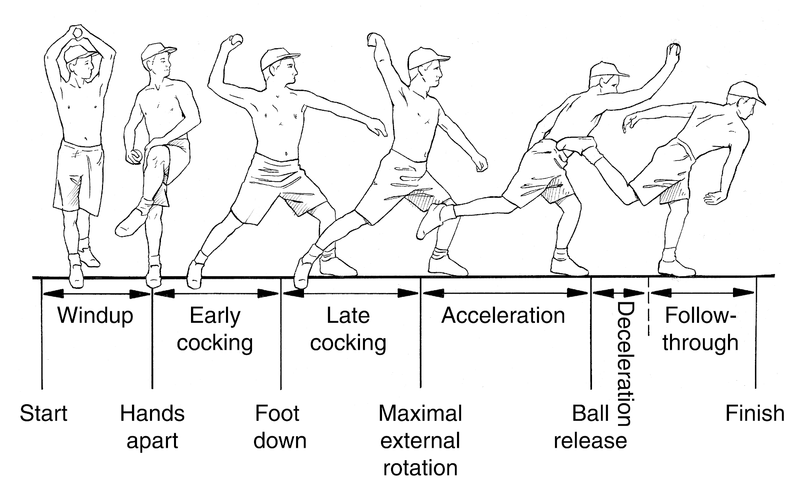
Figure 3 The main stages of the overhead throwing motion.
(Adapted with permission from DiGiovine NM, Jobe FW, Pink M, Perry J: An electromyographic analysis of the upper extremity in pitching. J Shoulder Elbow Surg 1992;1:15-25.)
). Accordingly, the throwing athlete may have irritation of the medial collateral ligament (MCL), which is under tension during throwing, or articular cartilage abnormalities on the lateral side, which is subjected to compressive forces. Over time, persistent traction along the MCL can stretch it to the extent that valgus instability occurs and surgical reconstruction is required.6 Tension injuries may place traction on the ulnar nerve, which produces weakness or paresthesias in the hand. Compression injuries involve the articular surfaces of the radiohumeral joint. Arthropathy here often presents insidiously, but it can progress to a full flexion contracture and the creation of loose bodies.
Another common elbow problem experienced by athletes is lateral epicondylitis, or tennis elbow. Lateral epicondylitis is an irritation or partial tear of the extensor tendons of the wrist, which originate from the lateral epicondyle of the humerus. The wrist extensors are active not only when the wrist is moving in dorsiflexion (extension), but also when the wrist is completely motionless and resisting forced flexion. A classic example of this action is when a tennis player hits a tennis ball with a backhand stroke. The wrist is motionless as the hand is held rigid against the force of the ball, which, left unopposed, will force the wrist into flexion. This force may create a traction injury on the extensor tendons at the elbow. Initially, only participation in sports activities is affected; however, over time, even simple grasping may become painful. Treatment for lateral epicondylitis includes analgesics, rest, and stretching exercises. Injections of steroids into the painful area have also been used with some success.7
Wrist and Hand
Hand injuries in sports are common. Direct impact from catching a ball or colliding with an opponent may produce sprains and fractures. If the finger is forced into flexion against resistance, the extensor tendons attaching to the distal phalanx may rupture (Fig. 4
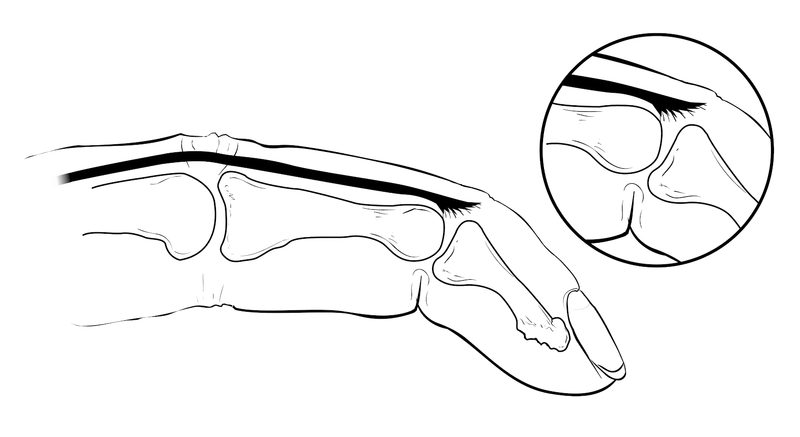
Figure 4 Mallet finger deformity from tendon rupture.
(Reproduced from Sullivan JA, Anderson SJ (eds): Care of the Young Athlete. Rosemont, IL, American Academy of Orthopaedic Surgeons and American Academy of Pediatrics, 2000, p 356.)
). The resulting injury, known as mallet finger, is often caused by direct contact from a ball.8 Splinting the finger in a slightly hyperextended position for 6 weeks is usually sufficient treatment. With such treatment, complete healing and restoration of function is the norm.
Flexor tendons may also rupture during sports activities, for example, when a football player attempts to tackle an opponent by grabbing his jersey with the fingers. As the opponent tries to escape, the flexor digitorum profundus of the tackling player avulses off the distal phalanx, resulting in a jersey finger injury (Fig. 5). This injury is analogous to the mallet finger injury seen on the extensor side of the digit
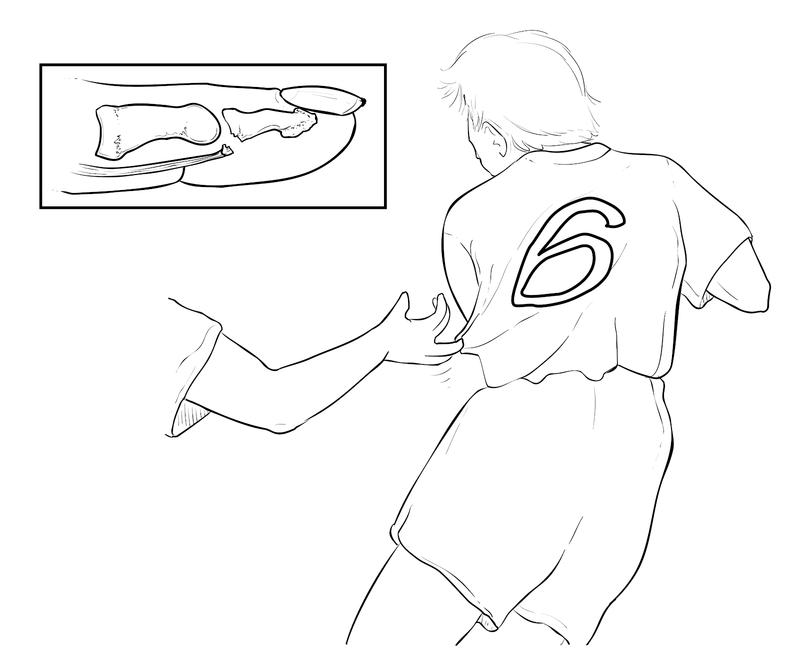
Figure 5 Mechanism of injury in rupture of the profundus tendon.
(Reproduced with permission from Carter PR: Common Hand Injuries and Infections: A Practical Approach to Early Treatment. Philadelphia, PA, WB Saunders, 1983.)
. The injuries are similar in that both are separations caused by traction. The key distinction, however, is that the flexor tendons are apt to retract much further—at times, they may even retract all the way into the palm. Accordingly, a splint is inadequate treatment, and surgery is required. The flexor tendons of the wrist, originating from the medial epicondyle, can also be injured as the result of athletic activity. Known as golfer’s elbow, this is an overuse injury. Treatment is similar to that for lateral epicondylitis.
Ligaments of the fingers can be injured as well. One of the more significant injuries is rupture of the ulnar collateral ligament of the thumb. Skiers are especially prone to damaging this ligament when they fall while grasping their poles. Mild injuries are treated with protective splints and taping. Complete ruptures require surgical repair.
Hip and Thigh
Pain in the hip joint can be caused by ligament injuries, stress fractures, referred pain from the spine, bursitis, and muscle or tendon injuries. Colloquially, muscle strains are referred to as muscle pulls, but the damage usually occurs at the musculotendinous junction or within the tendon itself. The two common mechanisms of injury are overuse (weakening of the tendon) and a violent force against a contracted muscle. Avulsion injury can occur at the area of insertion of tendon into bone, especially at secondary centers of ossification. Typical areas include the ischial tuberosity or the anterior-superior iliac spine, where the hamstring and the sartorius respectively originate. Muscle belly injuries can occur in the hamstrings or quadriceps (Fig. 6
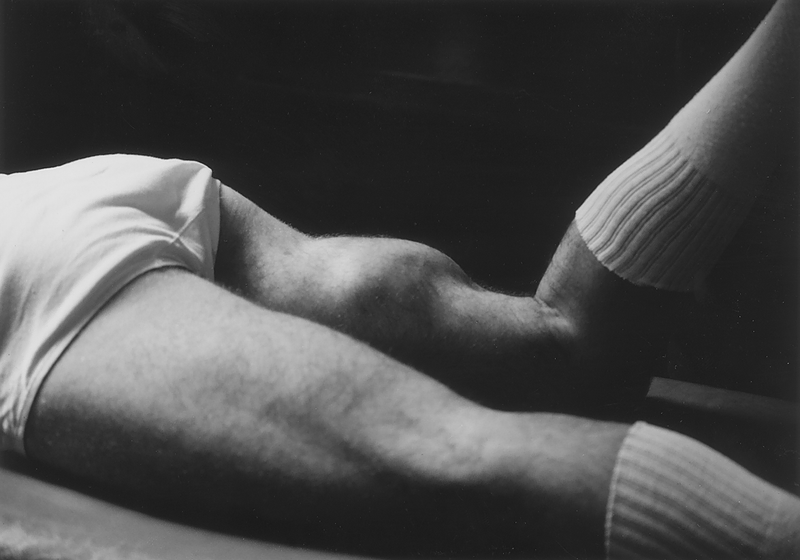
Figure 6 Clinical photograph of an athlete with a large tear in the right hamstring muscle group causing a large bulge.
(Reproduced from Clanton TO, Coupe KJ: Hamstring strains in athletes: Diagnosis and treatment. J Am Acad Orthop Surg 1998;6:237-248.)
).
The bones of the hip joint are rarely fractured in sports, but one such bony injury, a femoral neck stress fracture, can be devastating if not promptly diagnosed. Specifically, a femoral neck stress fracture on the superior surface of the neck (the tension side of bone) is a serious injury because if the fracture propagates and displaces, the displacement can injure the arteries feeding the femoral head. Without its blood supply, the femoral head will die, and the hip joint will collapse.9 Management of this stress fracture demands immediate cessation of activity, protected weight bearing, and consideration of prophylactic surgical fixation. A stress fracture on the inferior surface of the neck (compression side of bone) is less likely to displace and more likely to heal with nonsurgical treatment.
The thigh is a common site for contusions among athletes, especially those who participate in contact sports. The thigh has a large muscle mass; consequently, when it is hit with sufficient force, there may be damage to the muscle and bleeding within it. This is not usually a serious problem, but the hematoma that forms can organize and ultimately calcify, a condition called myositis ossificans. This is a form of heterotopic ossification in which bone forms within the bruised muscle itself. Contusions, periosteal injuries, and bursitis can occur at any site of bony prominence or where the bone is relatively subcutaneous. About the hip, common sites include the iliac crest, the greater trochanter, and the ischium. Treatment includes ice, stretching, and padding of the prominent bone.
Knee and Leg
Knee
The knee is one of the most frequently injured joints in sports, second only to the ankle. There are two types of athletic knee injuries: repetitive motion (ie, overuse) injuries and acute traumatic injuries. Overuse injuries include tendinopathy of the quadriceps tendon and the patellar tendon, bursitis of any of the bursae surrounding the knee, and patellofemoral pain. Traumatic injuries include patellar dislocations, sprains of the collateral and cruciate ligaments, and tears of the medial and lateral menisci.
Anterior knee pain associated with overuse can be a diagnostic challenge and even more difficult to treat (as the vigorous athlete may not want to rest as needed). Chondromalacia patella, which literally means “softening of the cartilage of the patella,†is commonly used to describe many cases of nonspecific anterior knee pain, but this term should be avoided unless true softening has been documented. Patellofemoral syndrome is more accurate and includes issues of malalignment, instability, early arthritis, and abnormal pressure and tilt. Treatment of anterior knee pain centers on minimizing abnormal forces.10 Overuse is kept to a minimum, and sitting for long periods with the knee flexed is discouraged. Some patients may find it helpful to wear a centralizing sleeve that keeps the patella within its groove on the femur (the trochlea), thereby distributing the patellofemoral forces over the widest possible area.
Sprains of the MCL are commonly caused by a clipping mechanism in which an athlete is struck on the outside of the knee while the foot is planted, creating tension on the MCL. By contrast, anterior cruciate ligament (ACL) tears are usually noncontact injuries. When an athlete changes direction at high speed, forces that are ordinarily resisted by the ACL tend to subluxate the tibia on the femur. When these forces exceed the tensile strength of the ACL, the ligament ruptures.11 This injury can cause persistent symptomatic instability. This instability is particularly problematic during high-speed athletic activity and twisting and cutting sports. When instability is present with low-speed activities, suspicion should be raised for associated injuries of the meniscus or other articular surfaces. When ACL rupture produces symptomatic instability, surgical reconstruction is indicated.
Athletic activities also place the menisci at risk. Pivoting activities, especially with the knee hyperflexed, place sheer forces across the posterior horn of the meniscus. Tears of the meniscus are often seen in concert with an ACL injury as well. Meniscal tears can cause acute pain and, when displaced, blocked motion.11 The treatment of symptomatic meniscal tears is surgical and involves removing torn fragments that lack healing potential. However, every effort should be made to repair and not remove the meniscus because it is an important shock absorber of the knee: without it, posttraumatic arthritis is inevitable.
Leg
Three distinct clinical entities often cause leg pain in the athlete. Pain in a focal area on the anteromedial aspect of the shin, where the tibia resides, suggests a problem in the bone, such as a stress fracture. Pain absent at rest but exacerbated by activity may be chronic exertional compartment syndrome. Pain is most commonly located in the anterior and lateral muscle compartments but may be deep and posterior. Pain in the muscle belly or at the musculotendinous junction is consistent with muscle strains. Shin-splints is a nonspecific term that should be avoided.
Stress fracture is an overuse injury in which the body cannot repair microscopic damage as quickly as it is induced, and pain is generated to signal the need for rest and healing. Exertional compartment syndrome differs from posttraumatic compartment syndrome in that pressures are not elevated to the point at which any damage occurs. Rather, the increased pressure causes decreased perfusion and therefore a painful buildup of lactic acid. This prompts athletes to stop what they are doing. Rest, in turn, leads to dissipation of the pain. Most athletes with an exertional compartment syndrome are pain free at rest and begin to have leg pain and tightness only after at least several minutes of exertion. The exertion leads to relative muscle swelling within a restricted fascial compartment. With no room to expand, the blood vessels collapse, which reduces circulation and leads to muscle ischemia. This, in turn, favors anaerobic metabolism, which produces lactic acid. The diagnosis of exertional compartment syndrome is confirmed by a documented increase in compartmental pressure with activity. At times, surgical release of the tight fascia is indicated.
Foot and Ankle
Ankle
Ankle sprains are perhaps the most common of all athletic injuries. Because the bony configuration of the ankle joint is not inherently stable, the ankle relies on its ligaments for support. These ligaments are prone to injury as the foot experiences great forces during landing. Also, the leg is often at a distance from the body’s center of gravity, creating a lever effect and exposing the ankle ligaments to forces many times the body’s weight.
Ligaments may tear partially or completely. Most partial ankle ligament injuries need only a period of protection to heal.12 Early motion may prevent stiffness and will also promote restoration of the ligament fibers along appropriate stress lines. Motion may also help restore proprioception. A complete ligament tear can heal without surgical repair if appropriately immobilized, and an ankle with a chronically torn ligament can be highly functional (with the overlying tendons offering stability). These facts argue against early surgical intervention: even with a severe tear, functional recovery may be attained with nonsurgical treatment. Nonetheless, persistent instability may benefit from surgical reconstruction.
Rupture of the Achilles tendon is usually the result of an athletic event and most commonly seen among middle-aged adults who participate in sports only intermittently (Fig. 7). The tendon will rupture as the gastrocnemius-soleus complex contracts eccentrically, as when landing
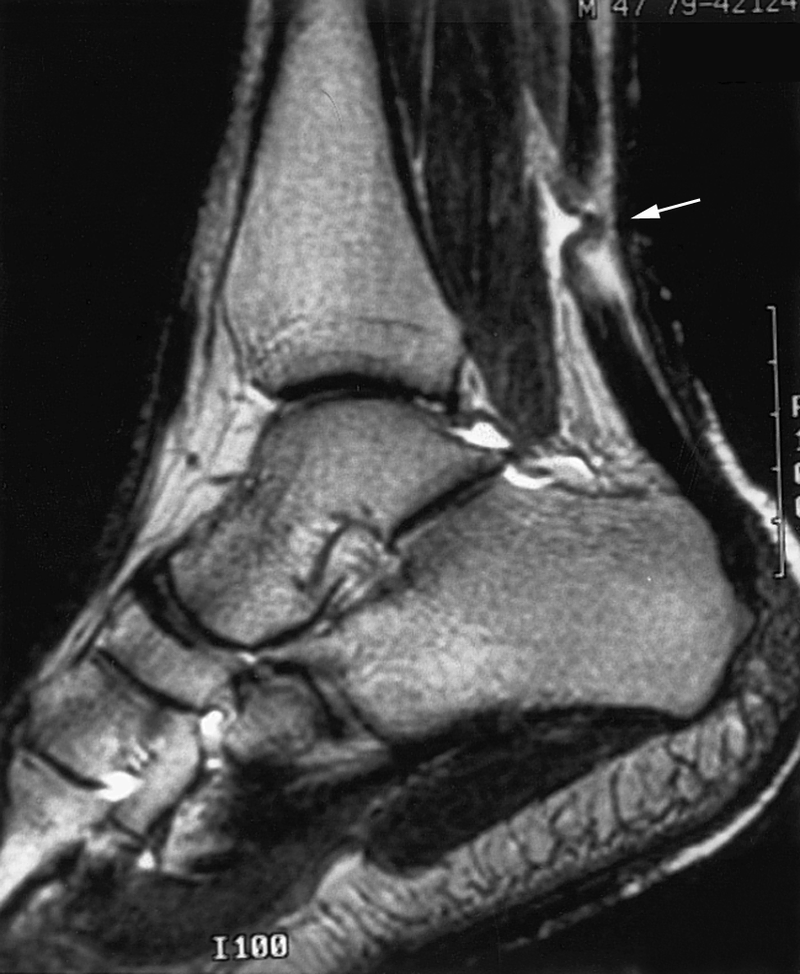
Figure 7 T2-weighted sagittal MRI scan of an acute tear of the Achilles tendon (arrow).
(Reproduced from Saltzman CL, Tearse DS: Achilles tendon injuries. J Am Acad Orthop Surg 1998;6:316-325.)
. Injured athletes will often report feeling as though they had been kicked from behind.12 Even with a complete rupture of the Achilles tendon, the patient may be able to plantar flex the ankle. This flexion is accomplished by actions of the toe flexors, which course behind the medial malleolus. An accurate diagnosis of Achilles tendon rupture is made by using the Thompson test.
Foot
The foot is not immune to athletic injury. Plantar fasciitis and stress fractures of the calcaneus can cause heel pain. Pain in the midfoot is often caused by stress fractures. Even the toes may be injured in sports. For example, the sesamoids under the great toe can become inflamed in runners, and football players can hyperextend the first metatarsophalangeal joint, thereby damaging the joint capsule.
Spine
Cervical spine injuries may occur during athletic activities, especially when tackling is performed incorrectly. Therefore, tackling with the head first (spearing) is prohibited. After this rule was introduced, the incidence of quadriplegia from football injuries decreased significantly. Instead of dozens of such injuries per year, fewer than 10 per year typically occur. The mechanism of injury to the spine during spearing is axial loading. Sports activities can also cause hyperextension injuries. These occur, for example, when diving into shallow water. Although cervical spine injuries are rare in sports, team physicians caring for athletes at risk must be familiar with the protocols for evaluating players with suspected neck injuries. For example, the physician should not attempt to move a football player with a suspected neck injury without complete spine immobilization.13 The helmet and pads should remain in place during transport to the hospital.
Participation in contact sports may also cause compression or traction injuries to the cervical nerve roots. These injuries, called stingers or burners, are associated with painful sensations radiating down the arm and possibly numbness or weakness.14 Stingers are common in football and are caused by shoulder depression or lateral bending of the neck during tackling (Fig. 8
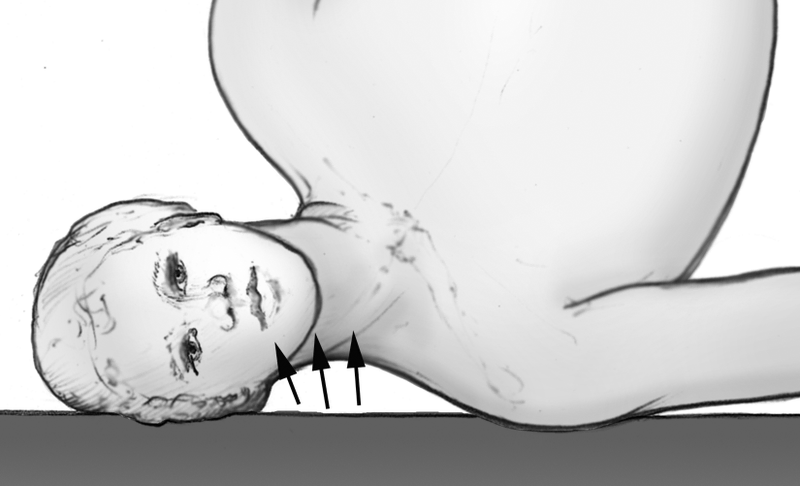
Figure 8 Nerve roots can be injured when stretched during a fall, causing the shoulder to be pulled in the opposite direction of the head.
(Reproduced from Pfeffer GB, Jimenez RL, Sarwark JF, Yurko Griffin L (eds): The 2003 Body Almanac: Your Personal Guide to Bone and Joint Health At Any Age. Rosemont, IL, American Academy of Orthopaedic Surgeons, 2003, p 254.)
). Although these are typically minor injuries, the athlete must be evaluated and not allowed to return to play unless full strength and painless range of neck motion are restored.
Low back pain is common in a variety of sports, but it is especially associated with gymnastics and football. A stress fracture of the pars interarticularis, known as spondylosis, is often caused by hyperextension and occurs among gymnasts, football lineman, and other athletes who place axial loads on the spine while in full extension. Oblique radiographs may demonstrate the lesion. The diagnosis is confirmed with bone scanning or MRI. The treatment of this overuse injury is rest and bracing. Progressive instability and anterior displacement of one vertebral body on the one below, a condition called spondylolisthesis, is a rare complication in athletes.
Sport-Specific Injuries
Because such a high correlation exists between a given sport and the injuries it produces, diagnosis can often be made on knowledge of the athlete’s sport and presenting complaint alone.15 The National Collegiate Athletic Association Surveillance System studies many collegiate sports, and its rigid data collection criteria, consistent definition of injury, and control of the study population size provide an excellent method of assessing injury risk for each particular sport (Fig. 9).
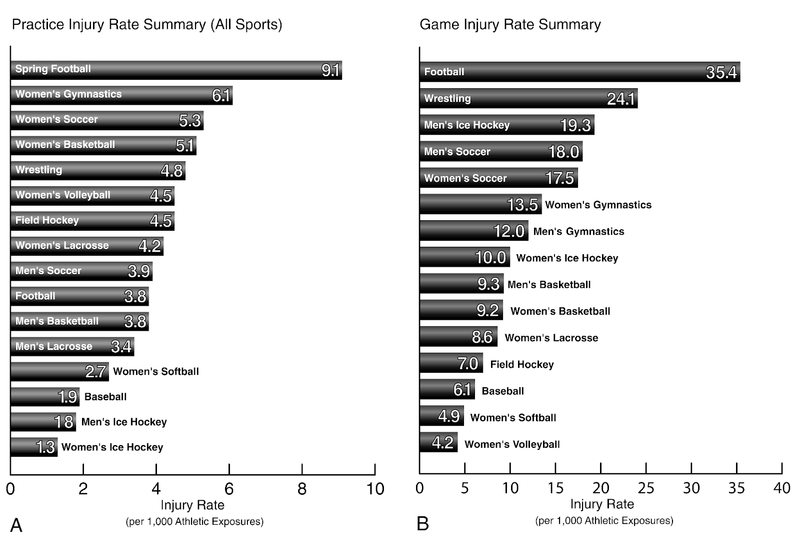
Figure 9 A comparison of practice (A) and game-related (B) injury rates of various collegiate sports.
(Reproduced with permission from the National Collegiate Athletic Association: Sports Medicine Handbook. Indianapolis, IN, National Collegiate Athletic Association, 2001, pp 82-83.)
The National Institutes of Health also has evaluated injury patterns in young athletes (Fig. 10
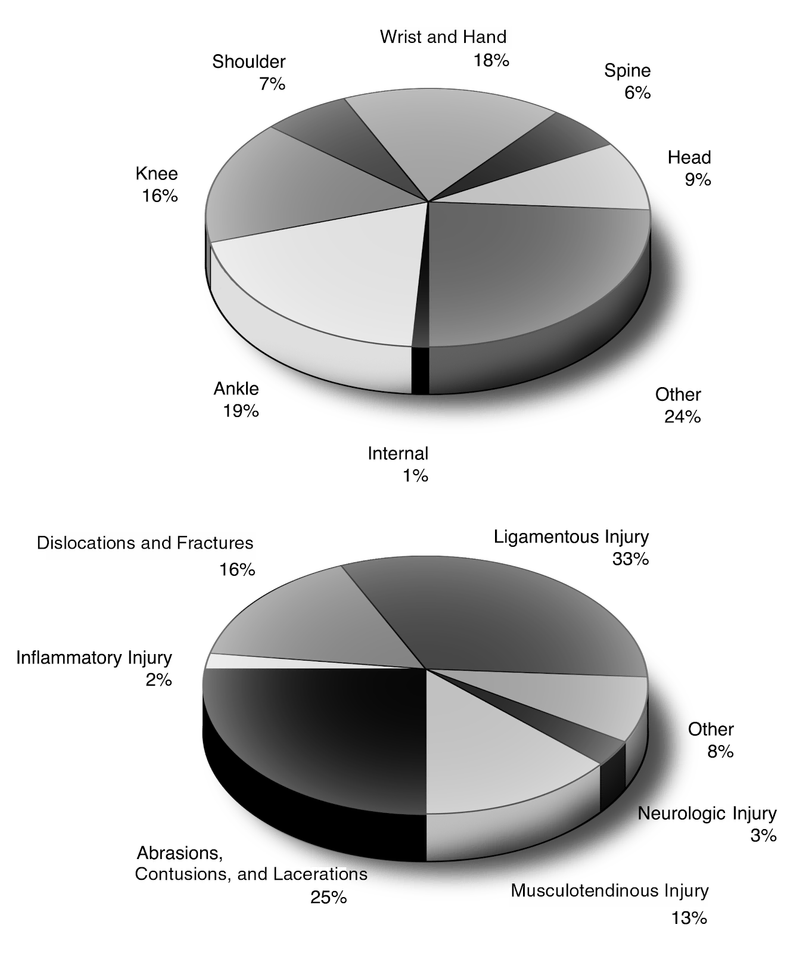
Figure 10 Distribution of athletic injury by anatomic location (A) and types (B) of injuries sustained by youth across all sports.
(Reproduced with permission from Sports Injuries in Youth Surveillance Strategies. Bethesda, MD, National Institutes of Health, 1992, p 43. NIH Publication No. 93-3444.)
).
Baseball
Baseball is a sport in which throwing-related injuries are common, especially among pitchers. Frequently encountered conditions include shoulder instability with secondary impingement of the rotator cuff and valgus overload syndromes of the elbow, especially in the skeletally immature thrower. In young throwers, osteochondritis dissecans of the elbow and proximal humeral physis injuries must be considered. Sliding into bases may cause injuries to the fingers, hands, and ankles. All ball sports, especially baseball, have been associated with mallet finger injuries. Batting has also been associated with injuries to the hook of the hamate bone in the wrist.
Lacrosse
Lacrosse is a high-energy, physically brutal running sport in which participants use netted sticks to pass a ball. The running and twisting demand of such activity increases the risk of knee and ankle injuries. In addition, a netted stick will occasionally hit an athlete, which can cause concussions and forearm, facial, and acromioclavicular joint injuries.
Gymnastics
Gymnastics demands flexibility, strength, and balance. It is unique in the weight-bearing demands it places on the upper extremity, which lead to a relative increased risk of soft-tissue damage of the wrist and impingement of the shoulder. Twisting and cutting increases the possibility of ACL and meniscus damage at the knee. Landing awkwardly also exposes the ankle to damage. Repetitive hyperextension of the lumbar spine places gymnasts at increased risk of spondylolysis. Gymnasts may have an increased likelihood of having eating disorders or the female athlete triad (ie, eating disorders, abnormal or absent menses, and osteoporosis/stress fractures). As noted in Figure 9, gymnastics has the highest injury rate among noncontact sports.
Football
American football is a classic collision sport that has been described as being an excellent laboratory for the study of trauma. Contusions are nearly universal among football players. Fractures and dislocations occur less commonly but are more common than in noncontact sports. Football linemen who crouch into a semisquatted stance are at increased risk of spondylolysis because of the repetitive hyperextension of the spine. Forced contact to the head, neck, and arms increases the risk of injuries to the cervical roots and brachial plexus (stingers). Turf toe, a condition that is not unique to football but was initially described as occurring among football players, is a hyperextension injury of the first metatarsophalangeal joint associated with athletic activity on hard surfaces.
Tennis
Tennis and other racquet sports can result in injury patterns that in many ways mimic those caused by throwing sports. Shoulder instability and secondary impingement are frequently seen in tennis players. Low back pain has been associated with certain types of tennis or racquet sport serves, specifically the American twist, which demands a component of hyperextension. Lateral epicondylitis or tennis elbow is a chronic overuse injury involving tendinopathy of the wrist extensors. It is more common among older players and is often associated with a single-handed, backhand tennis stroke. Because tennis is a sport that can be played occasionally without extensive conditioning or training, players may not have an appropriate sense of their aging or deconditioning, resulting in injuries among middle-aged tennis players that are associated with sudden bursts of activity, such as rupture of the Achilles tendon or rotator cuff.
Basketball
Basketball is a ball sport as well as a jumping sport. Most ball sports pose an increased risk of little finger injuries from catching the thrown ball; in basketball, participants also attempt to swat the ball back at the passer or shooter. Thus, finger injuries are common. Jumping sports pose an increased risk of knee injuries, particularly injuries of the extensor mechanism. Jumper’s knee is a chronic tendinosis of the patellar tendon that is usually located at the distal pole of the patella. Rehabilitation focuses on hamstring stretching, quadriceps strengthening, and treatment with analgesic medications. The knee and ankle are the most common sites of injury in basketball players, and injuries at these sites include knee strains, meniscus injuries, ACL injuries, and repetitive ankle sprains.
Cheerleading
Cheerleading is not yet one of the sports that is routinely evaluated by the National Collegiate Athletic Association, but it certainly demands a high level of athletic activity. Cheerleaders, as might be expected, sustain injuries similar to those seen in gymnastics, although at a lower frequency.9 The most common injuries are related to overuse and include muscle strains and ligament sprains. Low back pain is commonly caused by activities that involve repetitive hyperextension. Cheerleaders who serve as the base for pyramids have increased risk of shoulder complaints. Relative to the number of participants, cheerleaders also appear to have an inordinate number of catastrophic injuries (cervical spine or head injuries). This is likely related to the distance from the ground achieved with certain stunts, such as basket tosses and pyramids.
Soccer
The lower extremities are used extensively in soccer. Therefore, ankle sprains and knee injuries are more common among soccer players. Osteitis pubis is an injury that is somewhat unique to soccer players. It is caused by repetitive stress on the symphysis pubis from high kicking. In addition, repetitive headers (shooting or passing the ball by hitting it with the head) have been implicated as possibly being related to chronic brain injury in young athletes who play soccer.
Hockey
Ice hockey has the potential to cause a broad range of traumatic injuries. The speed at which ice hockey is played is in itself enough to make it physically risky; however, the use of sharp skates and rigid sticks makes it all the more dangerous. Skate blades can cause lacerations, and high-sticking contact can cause clavicle fractures. The clavicle and the acromioclavicular and sternoclavicular joints are at particular risk of injury when players are checked (ie, body blocked) vigorously into the boards, and catastrophic cervical spine injuries have occurred as a result of being checked from behind.
Martial Arts
The specific demands of martial arts vary. All martial arts that include throwing the opponent, such as judo, pose an increased risk of injury to the clavicle and the acromioclavicular and sternoclavicular joints. This can occur when the thrown athlete lands on the point of the shoulder. Open- and closed-hand contact can lead to fractures and dislocations of the fingers and hands. Kicking can cause injuries in the foot and ankle.
Volleyball
Volleyball involves jumping, diving, and repetitive overhead use of the arms for blocks, serves, and spikes. The repetitive impact load can lead to stress fractures and jumper’s knee, and twisting and cutting activities increase the risk of ACL and meniscal injury. In addition, abrasions and contusions are associated with digs and dives. Shoulder instability can develop from repetitive overuse shoulder activity. Contact with the volleyball net may cause fingertip injuries as well.
Swimming
Swimming has been correlated with a high incidence of shoulder complaints, which are probably caused by acquired instability. There may be injuries related to specific strokes. For example, the whip kick used with the breaststroke may irritate the medial side of the knee or the MCL, resulting in a condition known as breaststroker’s knee.
Diving
Divers may present with injury patterns similar to those of swimmers, but diving also introduces some unique injury risks. Certain dives require significant hyperextension in the lumbar spine; therefore, diving may be related to an increased risk of spondylolysis. Platform diving from extreme heights has been associated with inferior shoulder instability secondary to the forces transferred down the arms when flat hands make contact with the water. If divers over-rotate, their shoulders can be forced into extremes of flexion and dislocate.
Running
Cross-country and long-distance runners have predominantly lower extremity problems, as might be expected. Stress fractures, especially of the tibia and metatarsals, are frequently seen in these runners, especially among those who adhere to aggressive training schedules. Chronic exertional compartment syndrome is also more common in cross-country and long-distance runners.
The Female Athlete
Female athletes have unique concerns compared with their male counterparts. First, women are not only smaller than men on average, but they have different anatomic proportions.16 The relative differences in anatomy may be advantageous for some sports. For instance, a lower center of gravity is advantageous in certain gymnastic activities. Nevertheless, these differences may also be a source of problems. For example, the wider pelvis of the female athlete creates a higher valgus angle at the knee (ie, women are more knock-kneed than men). Accordingly, problems associated with lateral patellar tracking tend to occur more frequently among female athletes than among male athletes. Additionally, women tend to have a smaller notch between their femoral condyles than men, and this lack of space has been cited as the cause of the higher incidence of ACL tears among women.17
The second unique concern of female athletes is that women have monthly fluctuations of their estrogen levels. The menstrual cycle impacts the musculoskeletal system because estrogen couples osteoclastic bone resorption to osteoblastic bone formation. Thus, osteoporosis and poor repair of stress fractures may result when estrogen levels are low. The constellation of abnormal or absent menses, eating disorders, and osteoporosis/stress fractures has been termed the female athlete triad.18 Female athletes who participate in aesthetic sports, such as figure skating, dance, or gymnastics, may be at increased risk for the female athletic triad. It should also be noted that a formal eating disorder does not require avoidance of eating: one may purge a large meal by overexercising.
The Aging Athlete
Although this category of athlete defies precise definition, the aging athlete can be characterized as one in whom degenerative processes contribute to sports-related musculoskeletal problems. Because aging athletes tend to be less flexible, they are prone to sprains and strains. Because they have lower bone density, they are at increased risk of fracture. It is also likely that because some aging athletes may be less aware of their physical limitations, they are prone to overuse injuries as well.
Given that many older people participate in athletic activities, physicians may need to consider what once may have been atypical diagnoses. For example, leg pain in a younger athlete is most likely caused by stress fractures, muscle strains, or exertional compartment syndrome. Among older athletes, vascular claudication (peripheral vascular disease and ischemia) and neurogenic claudication (spinal stenosis) must be considered as well. In both of these conditions, calf muscle pain occurs with activity. However, the ischemic pain associated with vascular claudication occurs invariably with activity and resolves with rest; pain associated with neurogenic claudication is more intermittent and dissipates more slowly with rest. Additionally, spinal flexion—a position that is assumed while bicycling, for instance—reduces or obliterates the symptoms of neurogenic claudication, a finding not seen with vascular claudication.
Aging athletes are apt to be more fit and healthier than their inactive counterparts. For this reason, older patients should be encouraged to participate in sports at whatever level is possible. Like other athletes, they should be reminded to warm up before any activity.
The Pediatric Athlete
Children are not simply small adults. Specifically, their open physes (growth plates) introduce the risk of a unique group of injuries, especially in early adolescence. The single most important factor to consider when evaluating pediatric athletes is that, under tension, the physis tends to fail before the ligament fails. Thus, all sprains in this group should be considered growth plate fractures until proven otherwise. Nondisplaced physeal injuries carry an increased risk of displacement if not adequately treated.
Certain symptoms in adults usually suggest a diagnosis of tendinosis, but in growing children the attachment site of tendons tends to be irritated rather than the tendons themselves. Over time, the bony attachment may become irritated (a condition called apophysitis) or pull off completely. A classic location for such an avulsion is the tibial tubercle (a condition called Osgood-Schlatter’s disease).19 Muscle strains are unlikely in this age group because the muscle is stronger than the bony attachment. Instead of a hamstring strains a pediatric athlete will usually avulse part of the ischial tuberosity at the hip.
Of special consideration in young athletes is a condition called osteochondritis dissecans. This is a lesion of the articular cartilage that is probably induced from repetitive overload.19 It is seen, for example, in the elbows of young pitchers. This lesion may heal if the inciting activity is stopped, but it may also require surgical treatment.
Finally, occult congenital defects should be considered—minor problems that are not manifest with normal activity but appear when children become more active than usual. For example, a child may have been born with a tarsal coalition, a congenital abnormal attachment of the bones of the feet (Fig. 11
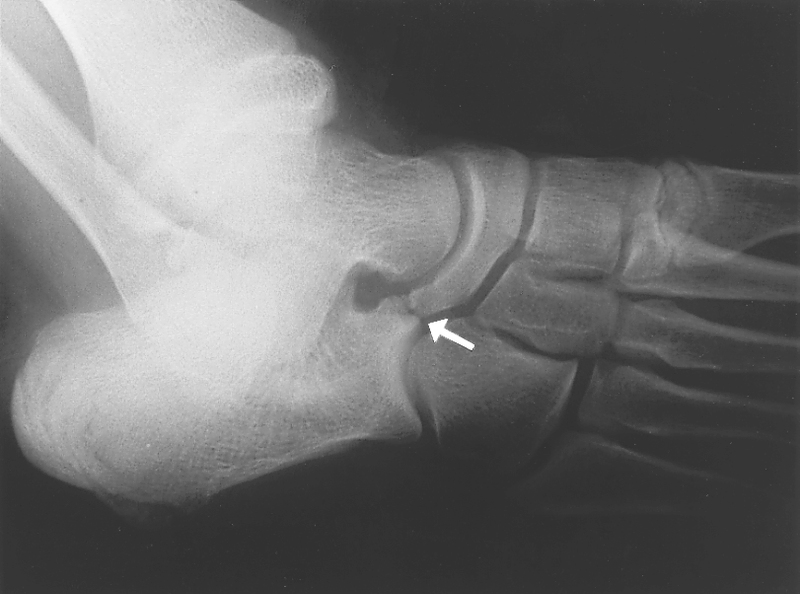
Figure 11 Oblique radiograph of a foot with a cartilaginous calcaneonavicular coalition (arrow).
(Reproduced from Greene WB (ed): Essentials of Musculoskeletal Care, ed 2. Rosemont, IL, American Academy of Orthopaedic Surgeons, 2001, p 715.)
). This child could be unaware of this condition until athletic activities involving running are attempted. When athletes who are 11 to 15 years of age develop recurrent ankle sprains, a tarsal coalition should be considered.
Athletes with Disabilities
The Special Olympics has been a great motivator of athletes with disabilities who might not otherwise have an opportunity to participate in athletic competition. Nonetheless, because they are at higher risk for injury, athletes with disabilities should participate in competitive sports only after appropriate medical screening. Some risk factors may be obvious. For example, a wheelchair racer is at increased risk for rotator cuff injury, and an amputee sprinter may have chafing of the tibial stump from the prosthesis. Other risk factors are less apparent. For example, athletes with Down syndrome are at increased risk of odontoid dysplasia and atlantoaxial (C1-C2) instability. Preparticipation screening in these athletes should include lateral flexion-extension radiographs of the cervical spine if participation in athletic activities involving possible collisions is being considered.
Key Terms
Exertional compartment syndrome A condition in which exertion leads to relative muscle swelling within a restricted fascial compartment, reduced circulation, muscle ischemia, and the painful buildup of lactic acid
Female athlete triad The constellation of abnormal or absent menses, eating disorders, and osteoporosis/stress fractures
Jersey finger Traumatic rupture of the deep flexor tendon of the ring finger, often as a result of grabbing an opponent’s jersey
Jumper’s knee Chronic tendinosis of the patellar tendon that is usually located at the distal pole of the patella
Lateral epicondylitis An irritation or partial tear of the extensor tendons of the wrist near their origin at the elbow; also called tennis elbow
Mallet finger An injury often caused by direct contact with a ball in which the finger is forced into flexion against resistance and the extensor tendons attaching to the distal phalanx may rupture
Myositis ossificans Abnormal production of bone within muscle
Osteitis pubis An inflammatory condition of the pubic bones caused by repetitive stress on the symphysis pubis
Osteochondritis dissecans A localized abnormality of a focal portion of the subchondral bone, which can result in loss of support for the overlying articular cartilage
Osteolysis Dissolution of bone, particularly as resulting from excessive resorption
Patellofemoral syndrome Patellar and peripatellar pain resulting from patellar malalignment, instability, abnormal pressure and tilt, or early arthritis
Stingers (also known as burners)Injuries to the cervical nerve roots caused by compression or traction that can occur with shoulder depression or lateral bending of the neck
Stress fracture An overuse injury in which the body cannot repair microscopic damage to the bone as quickly as it is induced, leading to painful, weakened bone
Subluxation Partial or incomplete dissociation of joint surfaces
Turf toe A hyperextension injury of the first metatarsophalangeal joint associated with athletic activity on hard surfaces
References
1. Rowe CR, Zarins B: Recurrent transient subluxation of the shoulder. J Bone Joint Surg Am 1981;63:863-872.
2. Burkhart SS, Morgan CD, Kibler WB: Shoulder injuries in overhead athletes: The “dead arm” revisited. Clin Sports Med 2000;19:125-158.
3. Perry J: Anatomy and biomechanics of the shoulder in throwing, swimming, gymnastics, and tennis. Clin Sports Med 1983;2:247-270.
4. Burra G, Andrews JR: Acute shoulder and elbow dislocations in the athlete. Orthop Clin North Am 2002;33:479-495.
5. Brunelli MP, Gill TJ: Fractures and tendon injuries of the athletic shoulder. Orthop Clin North Am 2002;33:497-508.
6. Hyman J, Breazeale NM, Altchek DW: Valgus instability of the elbow in athletes. Clin Sports Med 2001;20:25-45.
7. Ciccotti MG, Charlton WP: Epicondylitis in the athlete. Clin Sports Med 2001;20:77-93.
8. Lee SJ, Montgomery K: Athletic hand injuries. Orthop Clin North Am 2002;33:547-554.
9. Scopp JM, Moorman CT III: Acute athletic trauma to the hip and pelvis. Orthop Clin North Am 2002;33:555-563.
10. Panni AS, Biedert RM, Maffulli N, et al: Overuse injuries of the extensor mechanism in athletes. Clin Sports Med 2002;21:483-498.
11. Iobst CA, Stanitski CL: Acute knee injuries. Clin Sports Med 2000;19:621-635.
12. Title CI, Katchis SD: Traumatic foot and ankle injuries in the athlete. Orthop Clin North Am 2002;33:587-598.
13. McAlindon RJ: On field evaluation and management of head and neck injured athletes. Clin Sports Med 2002;21:1-14.
14. Shannon B, Klimkiewicz JJ: Cervical burners in the athlete. Clin Sports Med 2002;21:29-35.
15. Luckstead EF Sr., Satran AL, Patel DR: Sport injury profiles, training and rehabilitation issues in American sports. Pediatr Clin North Am 2002;49:753-767.
16. Greydanus DE, Patel DR: The female athlete: Before and beyond puberty. Pediatr Clin North Am 2002;49:553-580.
17. Ireland ML: The female ACL: Why is it more prone to injury? Orthop Clin North Am 2002;33:637-651.
18. Hobart JA, Smucker DR: The female athlete triad. Am Fam Physician 2000;61:3357-3367.
19. Patel DR, Nelson TL: Sports injuries in adolescents. Med Clin North Am 2000;84:983-1007.
